Boat Accident Guide: Causes, Legal Steps & Prevention
One splash can turn a sunny day into a nightmare. A boat accident can leave you hurt, your boat damaged, and a mountain of paperwork. This guide breaks down the kinds of crashes you might face, why they happen, what to do right after, and how to keep them from happening again.
We’ll walk through each step so you feel ready the next time you head out on the water.
Types of Boat Accidents
Boat accidents come in many shapes. Knowing the type helps you spot danger early and react the right way.
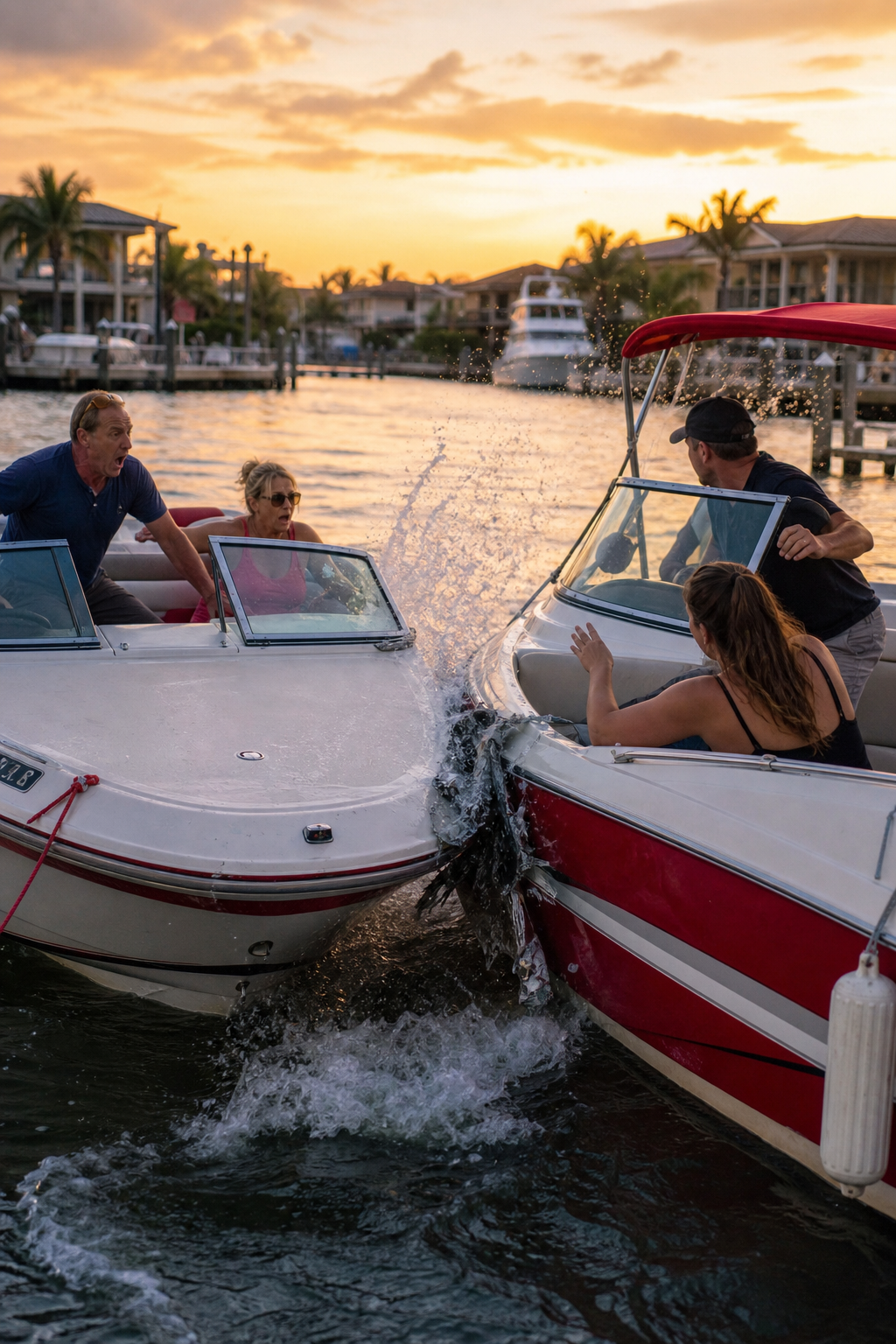
One common form is a collision. That’s when two vessels hit each other head‑on, side‑by‑side, or at an angle. Collisions often happen in busy marinas or when a boat crosses a channel too fast.
Another type is a grounding. That’s when a hull strikes the bottom, a sandbar, or a reef. Groundings usually occur because the skipper misreads depth or ignores a navigation chart.
Capsizing is a third category. A boat flips over because of high waves, sudden weight shifts, or improper loading. Capsizing can turn calm water into a life‑threatening plunge.
Run‑arounds happen when a moving boat strikes a stationary object , a dock, a buoy, or a bridge pilings. They often result from poor lookout or misjudging speed.
Fire on board is rare but deadly. Engine malfunctions, fuel leaks, or electrical shorts can ignite quickly, especially if ventilation is poor.
Each scenario has its own red flags. Spotting them early can give you precious seconds to act.
For a deep look at the numbers behind these incidents, check out the latest Maryland boating accident statistics. They show how collisions still dominate, but capsizes are on the rise.
When you’re on the water, keep a mental checklist of these types. If you notice a sudden loss of control, think: collision, grounding, capsize, run‑around, or fire? That quick mental model can steer you toward the right action.
Common Causes of Boating Incidents
Understanding why accidents happen is the first step to stopping them. The biggest culprit is human error. Distractions, fatigue, or overconfidence can turn a routine trip into a disaster.
Speeding is another frequent cause. Boats travel fast, but water isn’t a highway. Too much speed reduces reaction time and makes it hard to avoid obstacles.
Alcohol impairs judgment just like it does on the road. The U.S. Coast Guard reports that about a third of all recreational boating fatalities involve alcohol. U.S. Coast Guard Boating Under Influence info explains how even a few drinks can blur vision and slow reflexes.
Weather can change in minutes. A sudden squall, high wind, or low visibility can catch a crew off guard. Always check the forecast before you launch and keep a weather radio handy.
Equipment failure also plays a role. A faulty steering system, a broken engine, or a dead battery can leave you adrift. Regular maintenance checks are non‑negotiable.
Navigation mistakes happen when skippers ignore charts or fail to use depth sounders. Knowing where shallow spots and submerged hazards lie is essential.
Finally, crowded waterways increase the chance of a collision. In busy channels, keeping a proper lookout and following right‑of‑way rules is a must.
These causes often overlap. For example, a tired skipper might speed through choppy water, leading to a capsize. Spotting the combo early can help you intervene before it escalates.
Watch the video above for a visual rundown of how each cause looks on the water.
Legal Steps After a Boat Accident
When the water calms, the paperwork begins. Acting fast can protect your rights and help you get the compensation you deserve.
Step one: make sure everyone is safe. Stop the boat, check for injuries, and call 911 if needed. A quick headcount can save lives.
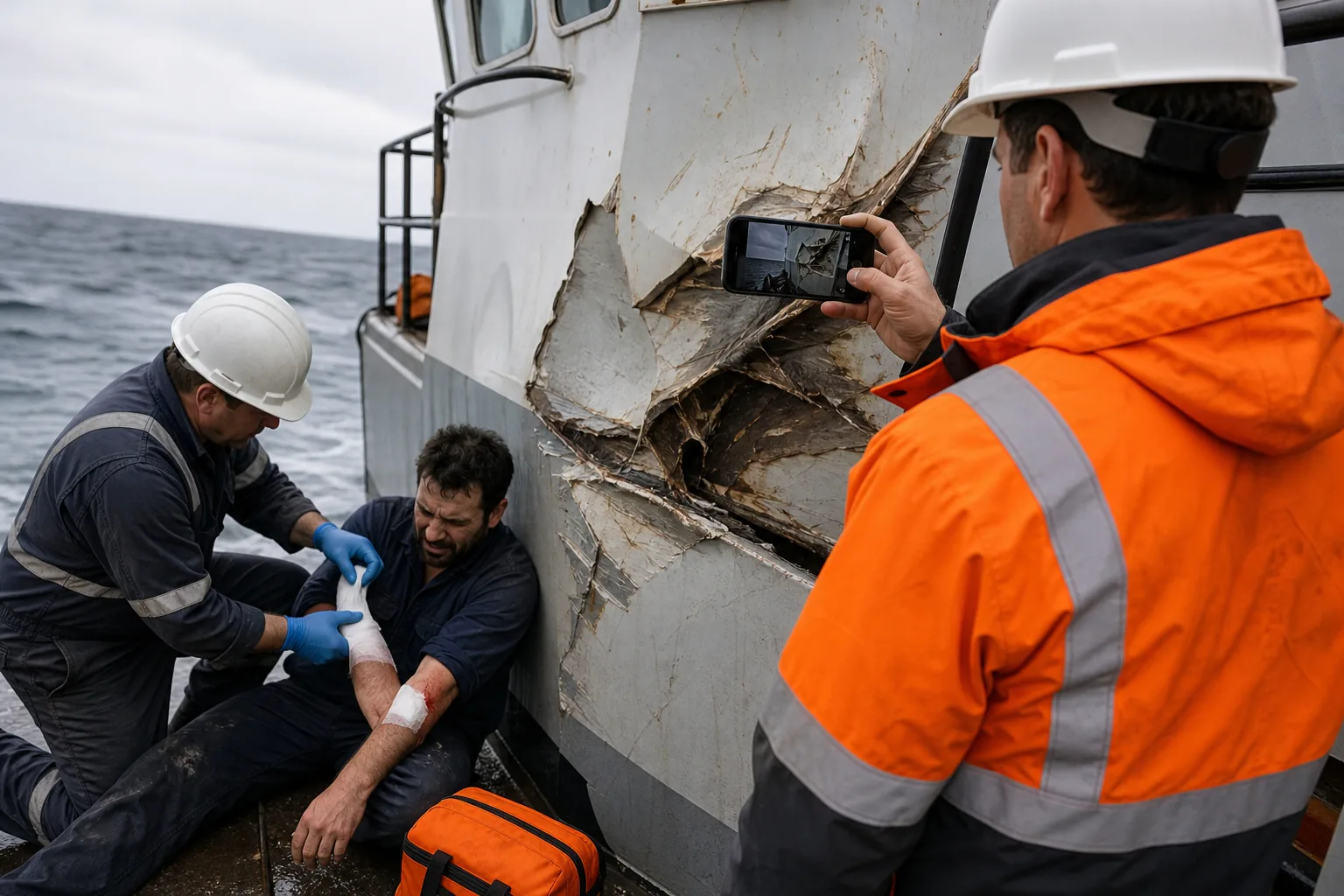
Step two: preserve evidence. Take photos of the damage, the water conditions, and the surrounding area. Write down the time, location, and a brief description of what happened.
Step three: exchange information. Get the other boat’s registration, owner name, insurance details, and a description of the vessel. Treat it like a car accident.
Step four: report the crash. Most states require you to file a report with the local boating authority if there’s injury, death, or property loss over $2,000. In Florida, you’d call the Fish and Wildlife Conservation Commission; elsewhere you might call the state Department of Natural Resources.
Step five: notify your insurer. Even if you think the other party is at fault, your policy may require prompt notice to avoid coverage issues.
Step six: consider legal counsel. Maritime law can be complex. A qualified attorney can help you handle liability, gather expert testimony, and negotiate with insurers.
If you need a starting point, the Boat Accident Attorney Guide breaks down when to call a lawyer and what to expect.
"The best time to start gathering evidence is right after the splash, before memories fade and the scene changes."
Remember, the goal is to create a clear, factual record. That record becomes the backbone of any claim or lawsuit.
Boat Safety and Prevention Tips
Prevention beats reaction every time. Small habits add up to big safety gains.
First, always wear a properly fitted personal flotation device (PFD). Choose a bright color and make sure it’s easy to grab. The Coast Guard mandates a PFD for each person on board.
Second, keep safety gear within reach. That includes fire extinguishers, flares, a whistle, and a marine radio. Test each item before you launch.
Third, do a pre‑departure checklist. Verify fuel levels, engine oil, steering, and navigation lights. A quick walk‑through can catch problems before you head out.
Fourth, respect speed limits. Slow down in congested areas, near shorelines, and in low visibility. Use a speedometer or a GPS‑based speed app.
Fifth, avoid alcohol. The Coast Guard’s data shows that alcohol is involved in roughly one‑third of fatal boating accidents.33%of boating deaths involve alcohol
Sixth, stay weather‑aware. Check forecasts, listen to marine weather radio, and have a plan to get to shelter if conditions worsen.
Seventh, maintain your vessel. Regular engine service, hull inspections, and proper ventilation reduce fire and mechanical failure risks.
Eighth, educate your crew. Run drills for man‑over‑board, fire, and capsizing scenarios. Practice makes response faster.
For a full list of required equipment, . It details everything from life jackets to bilge blowers.
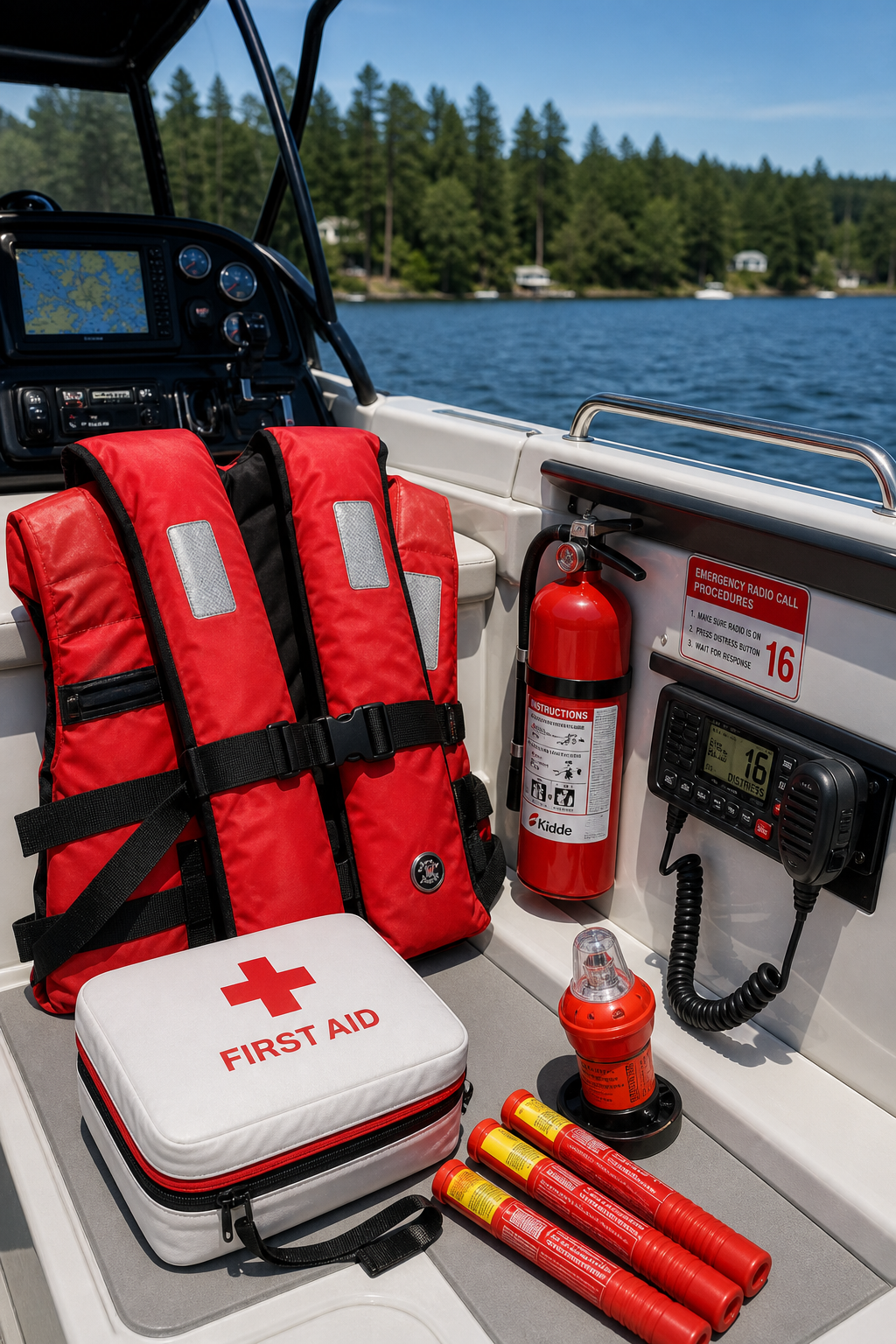
When you adopt these habits, you protect yourself, your passengers, and your boat.
Frequently Asked Questions
What should I do immediately after a boat accident?
First, stop the boat and check everyone for injuries. Call 911 if anyone is hurt. Then, take photos, note the location, weather, and a brief description of the crash. Exchange contact and insurance information with any other parties involved, and report the incident to the appropriate state authority within the required time frame.
Do I need to report every boat accident?
Reporting rules vary by state, but generally you must file a report if there’s injury, death, or property damage over $2,000. In Florida, any fatality, serious injury, or damage above that threshold triggers a mandatory report to the Fish and Wildlife Conservation Commission. Check your local boating authority for exact thresholds.
How does alcohol affect my ability to operate a boat?
Alcohol slows reaction time, impairs judgment, and reduces balance. Even a BAC of .08%, the same legal limit for driving, makes you more than ten times more likely to die in a boating accident. The Coast Guard advises zero tolerance; the safest choice is to avoid alcohol entirely while on the water.
What safety equipment is legally required on a recreational boat?
The Coast Guard requires a US‑approved personal flotation device for each person, fire extinguishers, visual distress signals, a sound-producing device, and a marine radio on boats 16 feet and longer. Additional gear like bilge blowers and ventilation systems may be required for enclosed or gasoline‑powered vessels.
Can I be held liable if I lend my boat to someone else?
Yes. In many states, including Florida, boat owners can be held liable for accidents caused by anyone they permit to operate the vessel, even if they aren’t on board. This is known as strict liability, meaning the owner’s responsibility doesn’t depend on fault.
How can I protect my legal rights after a crash?
Document everything promptly, keep copies of all reports, and seek an experienced maritime attorney. An attorney can help you handle insurance claims, gather expert testimony, and negotiate or litigate for compensation covering medical costs, boat repairs, and lost income.
Conclusion
Boat accidents are unpredictable, but you can control how you prepare, react, and recover. By learning the accident types, spotting common causes, following the legal steps, and adopting solid safety habits, you reduce risk for yourself and your crew.
Take the time to review your equipment, run safety drills, and keep a clear head on the water. If a crash does occur, act quickly, document thoroughly, and consider professional legal help.
Ready to dive deeper into maritime law? for more details on protecting your rights.