
What Is the Jones Act? US Maritime Law Explained
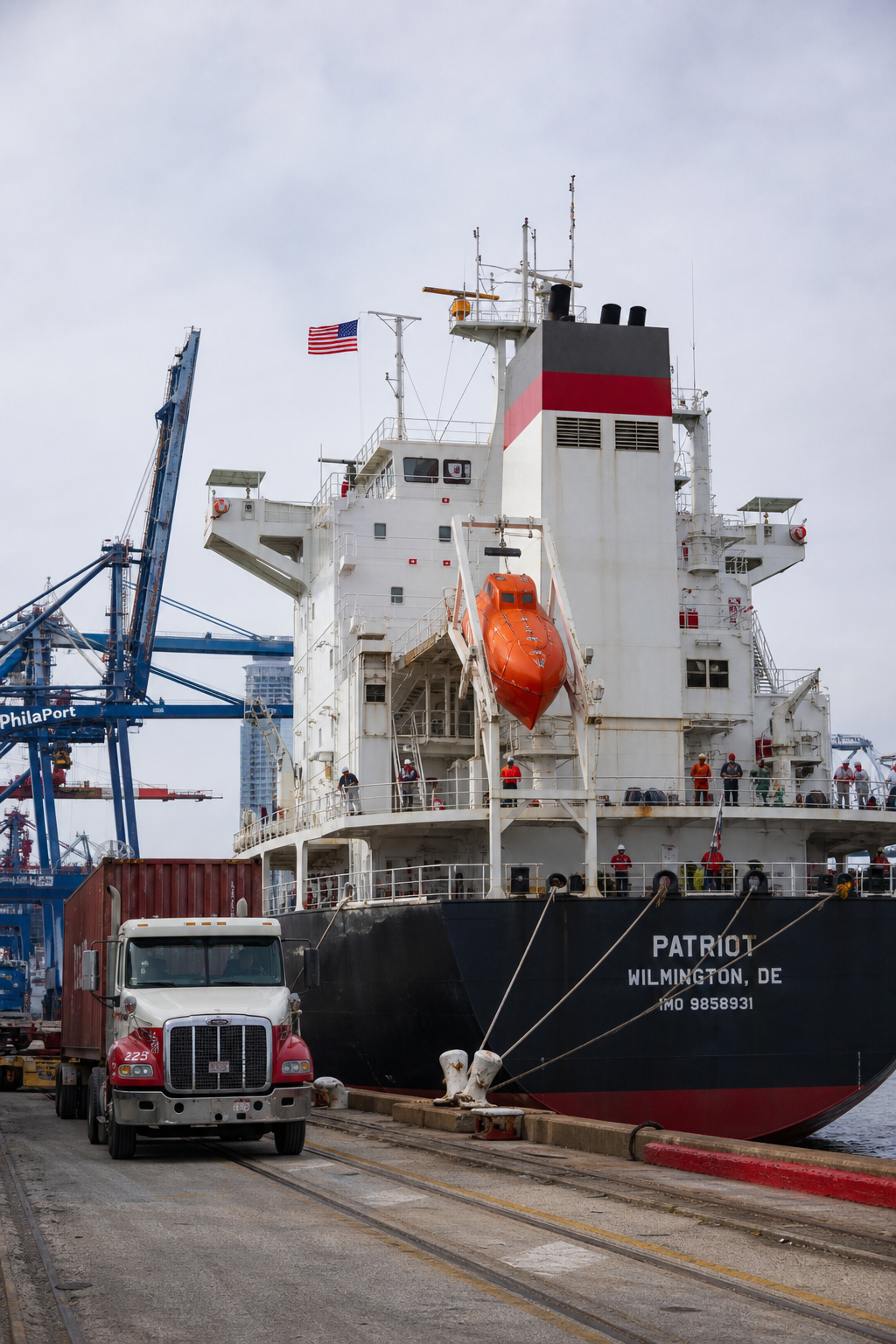
The Jones Act shapes every ship that moves goods between U.S. ports. If you’ve ever wondered why a cargo ship flies the Stars and Stripes, the answer lies in this law. In the next few minutes you’ll get the full picture , the law’s basics, its history, how it works on the water, the cost to businesses and shoppers, and the big arguments for and against it.
Stick with me and you’ll walk away with usable insights you can use whether you ship freight, work on a vessel, or just want to understand the rule that ties American jobs to the sea.
What Is the Jones Act? Definition and Core Provisions
The Jones Act, formally called the Merchant Marine Act of 1920, is a federal statute that protects the U.S. maritime industry. It says any cargo moving between two U.S. ports must travel on a ship that is built in the United States, owned by U.S. citizens, flagged under the U.S. registry, and crewed primarily by U.S. citizens or permanent residents. Cornell Law School’s legal encyclopedia breaks it down: the act also extends the Federal Employer’s Liability Act to seamen, giving them the right to sue for injuries with a jury trial.
Those three “U‑S” requirements , built, owned, and crewed , are the heart of the law. They keep shipbuilding yards busy, support a skilled workforce, and give the Navy a reserve of vessels it can call on in wartime. The statute also limits how many foreign‑flagged ships can operate domestically, which in turn shapes the whole supply chain.
Beyond the cargo rule, the Jones Act gives seamen a legal path to recover damages. A crew member who is injured on the job can file a civil action in federal or state court, keep the right to a jury, and cannot be moved to a different court by the employer. This protection is meant to mirror land‑based workers’ rights, but it only applies to those who spend a significant amount of time at sea.
Because the law touches both commerce and labor, it sits at the crossroads of economics, national security, and worker rights. Understanding those intersections helps you see why the Act remains a hot topic in policy circles.
History and Legislative Background of the Jones Act
The story starts after World War I. The United States wanted a strong merchant fleet that could support commerce and serve as a naval auxiliary in future conflicts. Lawmakers bundled the Jones Act into the broader Merchant Marine Act of 1920. The goal was clear: ensure that America had its own ships, shipyards, and crews ready for war or emergencies.
At the time, the country relied heavily on foreign‑built ships. By requiring U.S. construction, the act spurred a boom in shipyards along the Gulf Coast and the Great Lakes. Over the next decades, the law helped create a distinct American maritime identity.
Over the years, the Act has been tweaked but its core stayed the same. Amendments added the seaman injury provisions and clarified the waiver process for national‑defense emergencies. Those waivers are rare, but they show how the law can bend when the country faces a crisis.
Today, the Jones Act sits alongside other maritime statutes like the Shipping Act and the Maritime Security Act. Together they form a legal framework that governs everything from cargo routing to crew labor standards.
How the Jones Act Works: Vessel Requirements and Cabotage
Cabotage is the legal term for moving goods or passengers between two points within the same country. The Jones Act makes U.S. cabotage a protected market. Below is a quick snapshot of the key vessel rules.
When a ship meets all four boxes, it can move cargo from, say, Houston to New York. If any box is missing, the cargo must be shifted to a qualifying vessel, often adding handling steps and fees.
Compliance isn’t optional. The U.S. Coast Guard and Customs and Border Protection (CBP) audit vessels regularly. A carrier caught using a foreign‑flagged ship for domestic trade can face fines, cargo seizure, and loss of operating authority.
Because the rule set is strict, shippers sometimes plan around it. They may load goods onto a foreign vessel that first stops at a U.S. port, transfers the cargo to a U.S.‑flagged ship, and then continues inland. This extra step adds cost but keeps the shipment legal.
Economic Impact of the Jones Act on US Shipping and Consumers
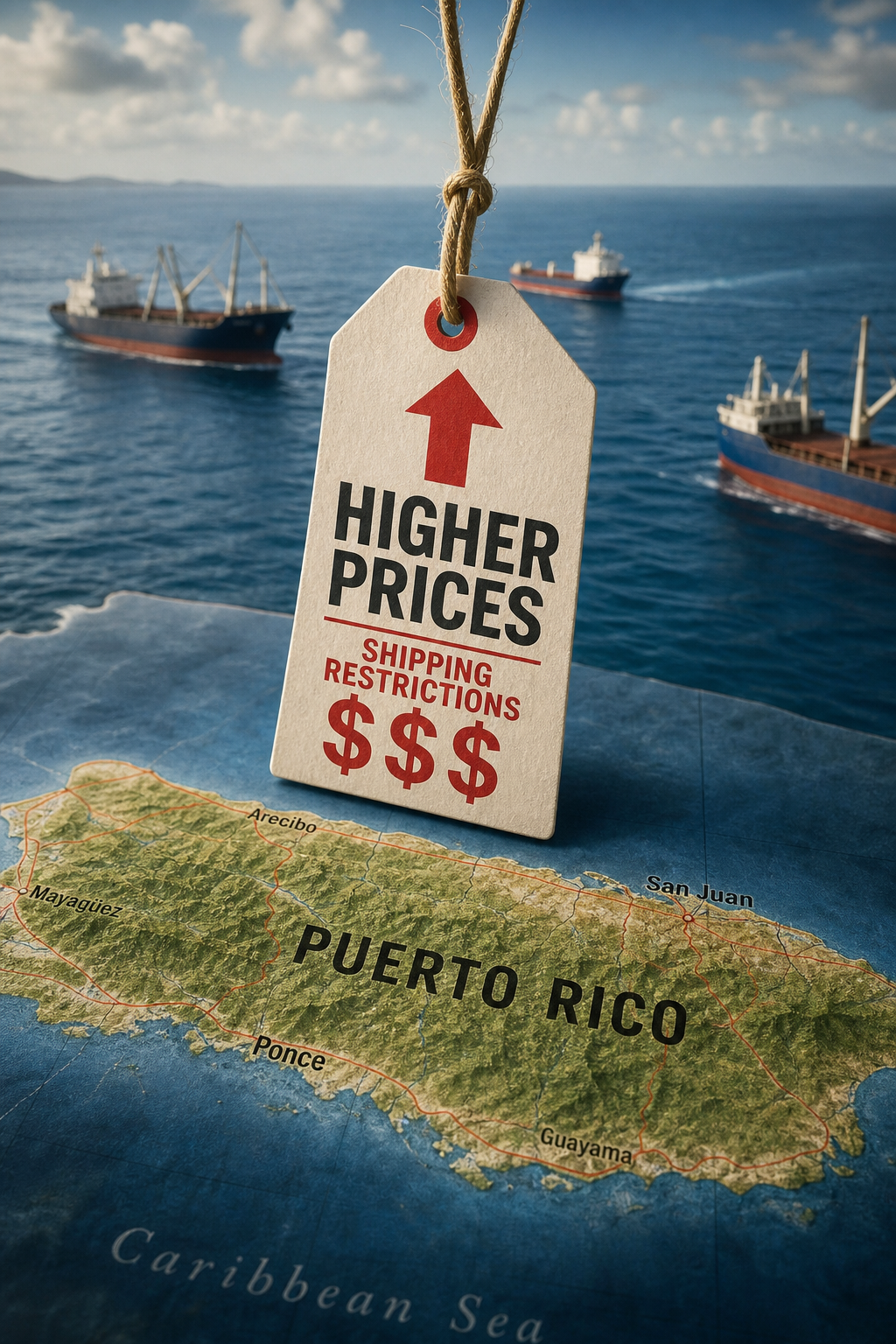
The Jones Act’s economic ripple is big and layered. On the one hand, it keeps shipbuilding jobs alive. On the other, it adds cost to goods that travel by sea. A study of Puerto Rico shows the law raises shipping costs by $568.9 million and pushes overall consumer prices up by about $1.1 billion.$568.9 millionextra shipping cost in Puerto Rico
That price bump isn’t just a number on a spreadsheet. It means higher grocery bills, more expensive building materials, and tighter margins for businesses that rely on imported parts. For islands like Puerto Rico, where 85 % of food is imported, the impact is felt daily.
Supporters argue the Act protects national security and preserves a skilled labor force. They point to the fact that the U.S. maritime workforce would shrink even without the law , from 200,000 jobs lost between 1946 and 2007, many were due to broader industry trends.
Critics say the cost to consumers outweighs the benefits. They note that the federal government spends roughly $2.8 billion a year on the law’s administration, a figure that could be redirected to modernizing ports or subsidizing greener ships.
For shippers, the usable lesson is clear: factor the extra handling and crew costs into pricing models. For policymakers, the debate centers on whether the security payoff justifies the price tag.
Criticisms, Exemptions, and Calls for Reform
Every law that lasts a century draws fire. Critics say the Jones Act inflates freight rates, hurts disaster relief, and blocks competition. In 2026 a 60‑day waiver was issued after a conflict in the Middle East shut the Strait of Hormuz, letting foreign‑flagged tankers move oil between U.S. ports to keep fuel prices from soaring.
Waivers are the only built‑in safety valve. The statute allows the Secretary of Defense, or the Department of Homeland Security on the Secretary’s request, to suspend the rule when national defense is at stake. The 2026 waiver listed over 650 covered products, from renewable fuels to military supplies.
Labor unions, especially the International Longshore and Warehouse Union, defend the Act. They argue removing it would wipe out thousands of well‑paying maritime jobs and weaken the Navy’s reserve fleet. The Biden administration has backed the unions while also listening to calls for reform.
Reform proposals fall into three camps:
- Partial repeal:Allow foreign‑flagged vessels for non‑essential goods while keeping the rule for strategic cargo.
- Modernization:Update crew‑nationality rules to include permanent residents from U.S. territories, expanding the labor pool.
- Full repeal:Argue that market forces alone can ensure a strong fleet and that the cost to consumers is too high.
Each path has trade‑offs. A partial repeal could lower prices for consumers in places like Puerto Rico while still safeguarding defense‑critical shipments. Modernization could help shore up crew shortages without opening the market fully. Full repeal would likely bring the biggest price cuts but could erode the domestic shipbuilding base.
"The Jones Act is a century‑old rule that was written for a different world. Updating it could keep America’s maritime edge while easing the burden on everyday shoppers," says a maritime policy analyst.
For anyone watching the law’s future, the key is to track waiver requests. They reveal the moments when the government thinks the rule is too rigid, offering a glimpse of where change might happen.
Our firm follows these developments closely. If you need help handling a waiver or assessing how the Act affects your supply chain, feel free to explore our Understanding the Jones Act Waiver: An Explainer Guide.
Frequently Asked Questions
What kinds of ships are covered by the Jones Act?
Any vessel that moves cargo or passengers between two U.S. ports must be U.S.-built, U.S.-owned, U.S.-flagged, and crewed mostly by U.S. citizens or permanent residents. This includes container ships, bulk carriers, tankers, and even some smaller barges. Vessels that only travel between a U.S. port and a foreign port are not subject to the rule.
Can the Jones Act be waived for emergencies?
Yes. The law permits a waiver when the Secretary of Defense or the Department of Homeland Security determines that national defense or a critical shortage is at risk. Waivers are time‑limited, usually lasting a few weeks to a few months, and must be reported to Congress within ten days after the voyage ends.
How does the Jones Act affect shipping costs?
Because the pool of eligible vessels is smaller, carriers often face higher labor and construction costs. Those costs get passed to shippers, which can raise the price of goods, especially on islands that rely on maritime imports. Studies show the law can add millions of dollars to annual shipping expenses for certain regions.
Do foreign‑flagged ships ever transport goods between U.S. ports?
Not directly. A foreign vessel can stop at a U.S. port, offload its cargo, and then a U.S.-flagged ship must carry that cargo to its final domestic destination. This extra handling step can increase transit time and cost.
What rights do seamen have under the Jones Act?
Seamen can sue their employer for injuries that occur in the course of employment. They have the right to a jury trial and can seek damages for medical expenses, lost wages, and pain and suffering. The act extends the Federal Employer’s Liability Act to cover these maritime workers.
Is the Jones Act still relevant for national security?
Supporters argue that a domestic fleet provides a ready‑made pool of ships that the Navy can call upon in wartime. Critics say modern military logistics rely more on air and land transport, and that the law’s security benefit is smaller than its economic cost.
How can a business determine if a carrier complies with the Jones Act?
Start by requesting the vessel’s flag state, construction origin, ownership documents, and crew list. Most reputable carriers will provide this information up front. If the data is missing or unclear, ask for a certificate of compliance from the U.S. Coast Guard or the Maritime Administration.
Conclusion
The Jones Act sits at the crossroads of trade, labor, and defense. It keeps American shipyards humming and safeguards a reserve fleet, but it also lifts shipping costs for businesses and consumers, especially in isolated markets like Puerto Rico. The law’s built‑in waiver system shows that policymakers recognize its rigidity, yet reforms have moved slowly.
Whether you’re a shipowner, a logistics manager, or a consumer noticing higher prices on the shelf, understanding the Act’s mechanics helps you make smarter choices. Keep an eye on waiver announcements , they often signal where the law may shift. And if you need deeper guidance on compliance or a potential waiver, on Jones Act waivers for more detailed steps.
Ready to dive deeper? Explore our complete Jones Act guide for a full look at the law’s history, current challenges, and future outlook.