Understanding Cruise Ship Overboard Incidents
Every year, a handful of people slip or jump over the side of a cruise liner. The loss feels sudden, but the causes, safeguards, and rescue steps are anything but random. This guide breaks down what " overboard" really means, why it happens, how ships try to stop it, and what crews do when it does occur. By the end you’ll know the key risks and the usable steps you can take to stay safer on deck.
What Does "Overboard" Mean on a Cruise Ship?
In maritime law, "overboard" refers to any person who unintentionally leaves the vessel and enters the water. It includes passengers, crew, and even pets that fall or are pushed over the side. The term is used in incident reports, safety drills, and insurance claims. A person who goes overboard triggers a set of emergency protocols designed to locate and rescue them as fast as possible.
The definition matters because it dictates which regulations apply. For example, the U.S. Coast Guard requires that any man‑overboard (MOB) event be reported within minutes, and the ship must initiate a search pattern that complies with federal guidelines. The rules also affect liability , if a ship’s crew fails to follow proper procedures, the cruise line can face legal action.
Understanding the exact meaning helps passengers recognize when a situation qualifies as an overboard incident, and it clarifies why crew members act the way they do.
When an overboard event is reported, the ship’s bridge team logs the time, location, and weather conditions. This data feeds into the search plan and later into any investigation. The crew also checks surveillance footage, if available, to verify the incident and to see if a passenger was pushed or slipped.
Because the definition is precise, many ships now install sensors that can detect a sudden drop in a passenger’s weight or a break in the railing. These systems feed directly to the bridge, reducing the time between fall and response.
For a deeper legal perspective on passenger rights, see the Top 7 Cruise Ship Injuries You Need to Know. Understanding injury categories helps you know when an overboard event may become a claim.
Common Causes of Cruise Ship Overboard Incidents
Most overboard cases stem from human error combined with environmental factors. Alcohol is a frequent culprit; when passengers drink heavily they may lean too far over a rail or attempt risky stunts. A study by a maritime law firm notes that impaired judgment tops the list of causes.
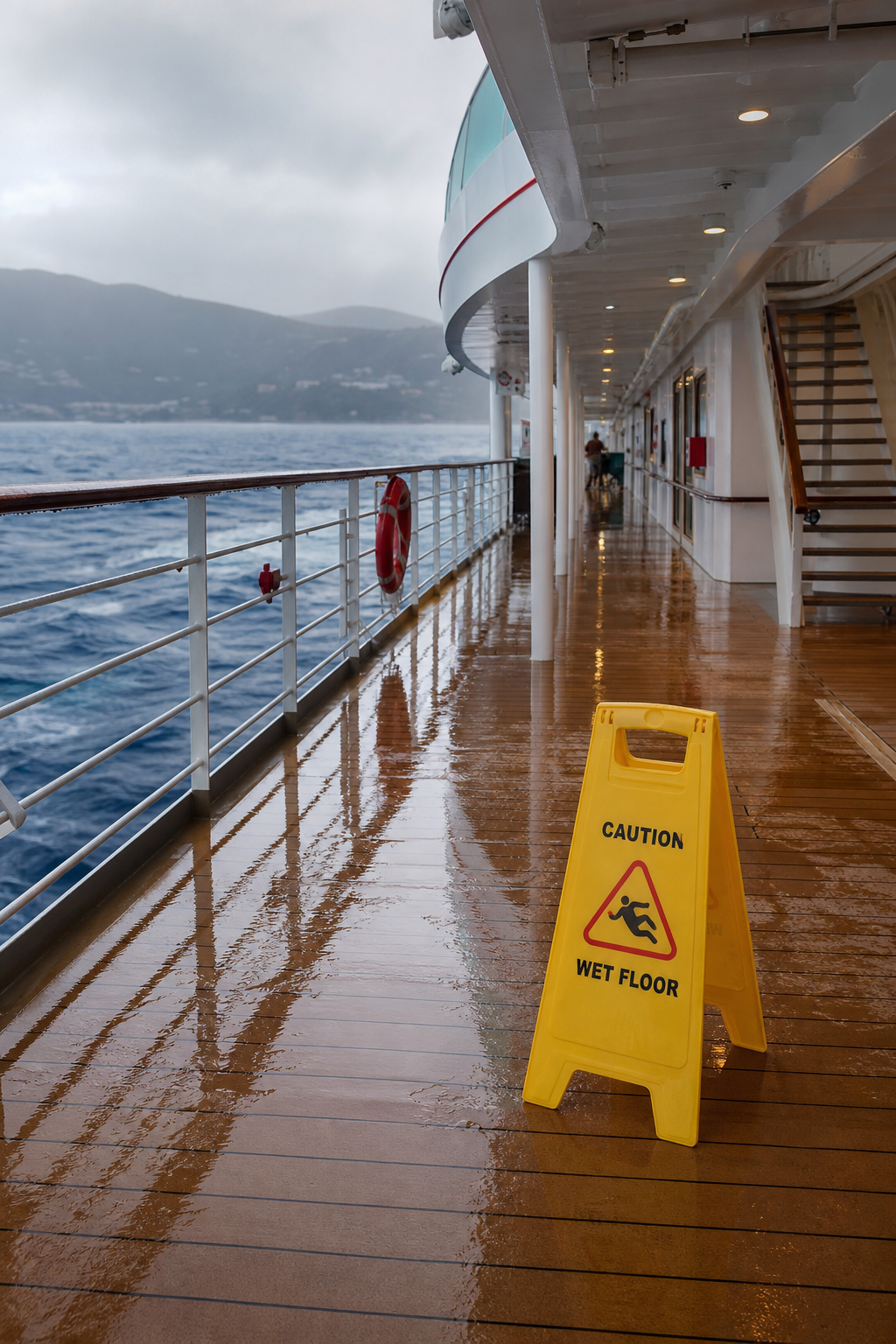
Slippery decks are another major factor. Wet surfaces from rain, spray, or cleaning fluids can turn a smooth walkway into a hazard. Passengers who rush between activities, especially after a drink, are more likely to lose footing.
Physical altercations occasionally turn deadly when a fight ends with someone being shoved over the edge. While rare, these incidents highlight the need for crew vigilance in crowded public areas.
Mental health crises also play a role. Some passengers intentionally jump, seeking an escape from personal struggles. Cruise lines provide counseling resources, but the isolation of a ship can make it hard to intervene before a tragedy.
Environmental elements, strong winds, high seas, sudden gusts, can destabilize a person standing near the rail. Even a brief loss of balance on a moving vessel can send someone overboard in seconds.
Medical emergencies, such as fainting or sudden dizziness, can cause a fall without warning. In a few cases, structural failures like a broken railing have been cited, though modern ships adhere to strict safety standards that require railings at least 42 inches high.
Below is a quick checklist of common triggers:
- Excessive alcohol consumption
- Wet or uneven deck surfaces
- Physical altercations
- Mental health crises
- Strong winds or rough seas
- Medical events (fainting, seizures)
- Rail or structural failures
Data from the industry shows roughly 19‑25 overboard events each year worldwide, a small fraction of the millions who travel by sea. Yet each case carries a high emotional and legal cost.
For more detail on these causes, from The VUCCI Law Group, which outlines how slip hazards and wind gusts combine to create dangerous moments.
Safety Measures and Prevention Strategies on Cruise Ships
Modern cruise liners employ a layered approach to keep passengers from going overboard. First, physical barriers like high railings and anti‑climb designs make it harder to lose balance. Many ships add secondary netting or glass panels in high‑risk areas.
Second, technology plays a growing role. Some vessels install thermal cameras that spot a human shape in the water and alert the bridge instantly. Others use pressure‑sensitive rails that trigger an alarm when a weight shift suggests a fall.
Third, crew training ensures rapid response. All staff undergo drills that teach them how to spot a potential overboard situation, how to activate the ship’s alarm system, and how to launch rescue boats safely. Training also covers communication with the U.S. Coast Guard’s Marine Rescue Coordination Center.
Fourth, passenger education is key. Before departure, most lines provide safety briefings that explain where railings are located, why it’s important to stay seated during rough seas, and how to use handrails when moving on deck.
Fifth, policy enforcement helps. Many cruise lines enforce a “no‑open‑rail” rule after a certain hour, limiting access to certain deck areas during night‑time or inclement weather.
Despite these measures, gaps remain. The Cruise Vessel Safety and Security Act of 2010 requires ships to have either video monitoring or man‑overboard alert tech, but not necessarily both. This leaves a window where a fall could go unnoticed for minutes.
Legal experts note that cruise lines still have room to improve by integrating both video surveillance and real‑time detection systems. Passengers can ask the crew about the ship’s specific safety equipment during the safety briefing.
For a legal perspective on safety obligations, from Perkins Law Offices. The firm outlines how the industry reports roughly 20 incidents annually and why that number matters.
Response Procedures and Rescue Operations for Overboard Cases
When an overboard incident occurs, the ship’s bridge initiates a pre‑planned search pattern. The first step is to stop the vessel and reverse thrust to maintain a position near the last known location. This maneuver buys time for rescue teams and prevents the ship from sailing away from the person in the water.
Next, the crew launches rescue boats and deploys life rings or flotation devices. Simultaneously, the bridge alerts the nearest Coast Guard sector, which may dispatch a helicopter, cutter, or aircraft to assist.
The U.S. Coast Guard follows a standard “sector search” protocol, using a combination of radar, infrared sensors, and visual spotting from aircraft. A coordinated effort between the ship, Coast Guard, and any nearby vessels improves the odds of a quick recovery.
Below is a short video that walks through a real‑world Coast Guard response to a crew member who fell overboard from a Norwegian cruise ship.
While technology speeds up detection, human eyes still matter. Crew members who spot a fall on surveillance cameras must act within seconds; otherwise, the window for rescue narrows dramatically.
Legal fallout can follow. Families may file claims if the ship’s safety systems were inadequate or if crew response was delayed. In many cases, the ticket contract limits the time frame for filing a lawsuit, so acting quickly is important.
Overall, a coordinated effort that blends ship maneuvers, rescue equipment, and Coast Guard resources offers the best chance of survival.
FAQ
What should I do if I see someone fall overboard?
Alert the nearest crew member immediately and point out the exact location. If you’re near a rail, try to throw a life ring or a flotation device toward the person while staying safe yourself. The crew will sound the man‑overboard alarm, stop the ship, and begin the search. Your quick call can shave precious seconds off the response time.
Are cruise ships required to have man‑overboard detection technology?
U.S. law mandates that ships either have video monitoring that can be reviewed or a detection system that alerts the bridge. The Cruise Vessel Safety and Security Act does not require both, so some ships may lack the most advanced setup. Look for announcements during the safety briefing to know what tech is on board.
How often do overboard rescues end successfully?
Rescue success rates are low because of the time it takes to locate a person in open water. Researchers estimate that only about 17% to 25% of those who fall are rescued alive. Cold water, rough seas, and delayed detection all reduce survival chances.
Can I sue the cruise line if someone goes overboard?
Yes, you can pursue a claim if negligence contributed to the fall, like faulty railings or delayed response. However, ticket contracts often set short notice periods and venue clauses, so act fast and consult a maritime attorney to protect your rights.
What safety equipment is on board for overboard emergencies?
Most ships carry life rings, throwable flotation devices, and rescue boats. Some also have thermal cameras and MOB detection sensors. The crew is trained to launch these tools quickly after an alarm sounds.
How does weather affect the risk of falling overboard?
High winds and rough seas increase the chance of losing balance on deck. Ships may adjust itineraries or limit access to certain areas when forecasts predict severe conditions. Pay attention to captain’s announcements about weather changes.
Is it common for crew members to fall overboard?
Crew incidents are rarer than passenger ones, but they do happen, as seen in recent reports involving Norwegian Cruise Line staff. Crew members are trained to follow the same MOB procedures as passengers, and the ship’s response is identical.
What can passengers do to reduce their own risk?
Stay sober, use railings, wear non‑slip shoes, and avoid leaning over the edge, especially in bad weather. Attend the safety briefing and follow any crew instructions about restricted areas.
Conclusion
Overboard incidents are a blend of human behavior, ship design, and the unpredictable sea. By knowing the exact definition, the common causes, the safety steps ships take, and the rescue process, you can make smarter choices while on deck. Remember to stay aware of railings, keep an eye on weather, and report any unsafe conditions to crew. If you ever find yourself in a tough spot, the ship’s protocols are designed to act fast, but your quick alert can make all the difference.
For more on protecting your rights after a cruise injury, explore our related guide on Top 7 Cruise Ship Injuries You Need to Know. Staying informed is the first step toward a safer voyage.