Understanding Salvage Law: An Explainer Guide
Salvage law can feel like a maze of old rules and courtroom drama. If a ship runs aground or a cargo drifts, who gets paid and why? In this guide we break down the big ideas, walk through real‑world cases, and show you what to watch out for so you stay on the right side of the law.
By the end you’ll know how the law defines a salvage claim, what factors judges look at, and how to protect your rights if you ever find yourself in a sea rescue situation.
What Is Salvage Law?
Salvage law sits inside the broader field of admiralty law. It gives a person or company a right to be paid when they voluntarily help a vessel or cargo in danger. The key point is that the help must be offered without a pre‑existing contract. Think of it as a reward for stepping in when a ship is stuck, burning, or sinking.
Under U.S. admiralty courts, a salvager files a claim in the Admiralty Jurisdiction (28 U.S.C. § 1333). The court then decides if the claim meets the legal tests and how much the reward should be. The reward isn’t ownership of the ship; it’s a payment that reflects the effort, risk, and success of the rescue.
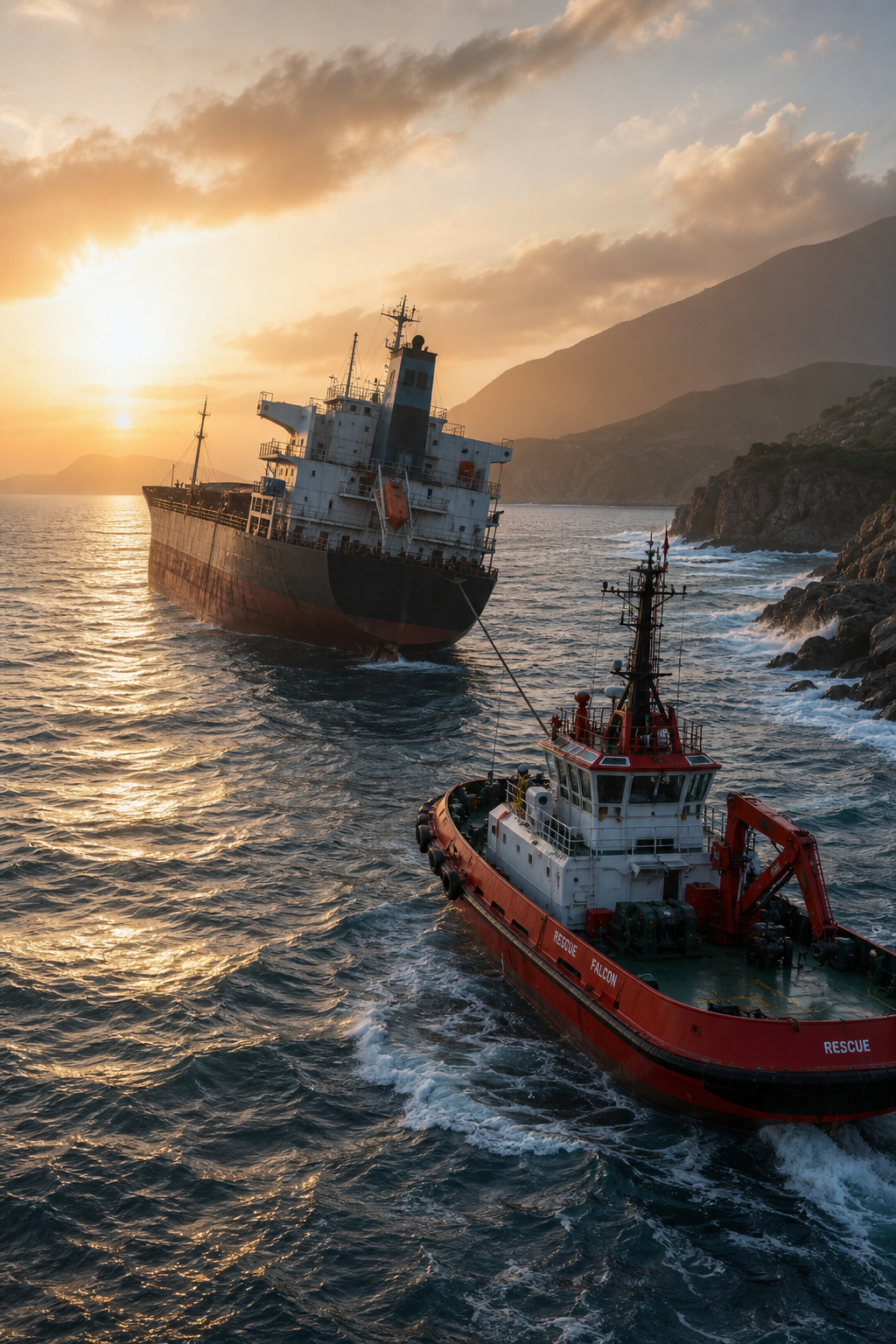
Imagine a tugboat crew spots a cargo liner that has lost power near a reef. They tow the liner to safety, log every hour, and send a notice to the liner’s owner. The owner can’t simply say “no thanks.” The law says the crew earned a salvage award because they acted voluntarily and prevented loss.
Salvage law also encourages quick action. Courts look at how fast the salvager responded because a delayed rescue can cause more damage. Promptness is one of the many factors we’ll explore later.
Because salvage deals with high‑value assets, the law blends private reward with public good. It aims to protect lives, preserve property, and limit environmental harm. For a deeper look at the legal framework, see the International Convention on Salvage text that outlines the policy behind the reward system.
Key Principles of Salvage Law
When a court sets a salvage award, it balances many different considerations. The International Convention on Salvage lists a checklist that judges often follow. Below is a simplified version of that checklist, followed by a table that shows how each factor can affect the final award.
- Value of the saved vessel and cargo.
- Skill and effort of the salvors.
- Degree of danger faced.
- Success of the operation.
- Time and expenses incurred.
- Risk taken by the salvors.
- Promptness of the service.
- Availability of special equipment.
Notice how each line ties back to a specific piece of evidence. If you’re filing a claim, gather proof for each factor. Photographs, GPS logs, fuel receipts, and crew statements all help the court see the full picture.
U.S. courts also follow the 1989 Salvage Convention, which adds an environmental protection clause. When a salvager limits oil spill or marine life damage, that effort can increase the reward dramatically.
For a clear definition of maritime salvage, see Wikipedia’s article on maritime salvage. It outlines the historical roots and modern applications in plain language.
How Salvage Law Applies in Maritime Incidents
Let’s walk through a typical incident step by step. A cargo ship runs aground on a sandbank off the coast of Florida during a thunderstorm. The captain calls for assistance. A nearby salvage company dispatches a crew, a tug, and a diving team.
First, the salvors document the situation: GPS coordinates, weather data, and photos of the grounding. Second, they submit a written notice of their intent to claim salvage under the U.S. Admiralty jurisdiction. Third, they begin the rescue , pumping water, attaching tow lines, and coordinating with local port authorities.During the operation, the salvors keep a detailed log of every hour spent, fuel burned, and equipment used. They also note any steps taken to stop oil from leaking. After the ship is pulled free, the owners are notified that a “warrant of arrest in rem” will be filed if payment isn’t made. This legal tool lets the court hold the vessel until the salvage award is satisfied.
The court then reviews the logs, the danger level (storm, night, sandbank), the skill required (deep‑water dive, heavy‑lift equipment), and the environmental actions taken. Based on the checklist from the previous section, the judge sets a reward , often between 5 % and 50 % of the post‑salvage value of the vessel and cargo.
In a real case from 2024, a salvage firm rescued a tanker carrying crude oil after a hull breach. Because the crew prevented a major spill, the court awarded them 45 % of the vessel’s value , well above the typical range. The decision highlighted how environmental protection can tip the scales.
If you ever need to file a claim, start by filing a notice with the Admiralty court, attach your log, and be ready to provide evidence of every expense. The process can be technical, but the law is built to reward those who act quickly and skillfully.
For the legal text that governs these steps, see the U.S. Code on salvage, which codifies the reward criteria and procedural rules.
Common Misconceptions and Pitfalls
Many people think salvage law automatically gives them ownership of a rescued vessel. That’s a myth. The law only grants a monetary reward, never title transfer, unless the owner cannot be found and a court orders a sale.
Another mistake is assuming that any help qualifies for a claim. Courts require that the assistance be voluntary, that the vessel was in peril, and that the salvager acted without a pre‑existing contract. If a ship’s master already hired a tow, that service is a towage contract, not a salvage claim.
People also overlook the importance of filing a timely notice. Delaying the notice can let the owner argue that the salvager was acting under the owner’s direction, which can kill the claim.
Environmental considerations are often missed. If a salvage operation causes additional pollution, the court can reduce the award or even deny it. That’s why modern salvage contracts include clauses about “no further damage.”
Finally, many assume that the award is a flat percentage of the vessel’s original value. In reality, the calculation starts with the post‑salvage value and then applies the factors we discussed. Over‑estimating the award can lead to disappointment when the court issues a lower figure.
For a visual illustration of these pitfalls, see the image placeholder below.
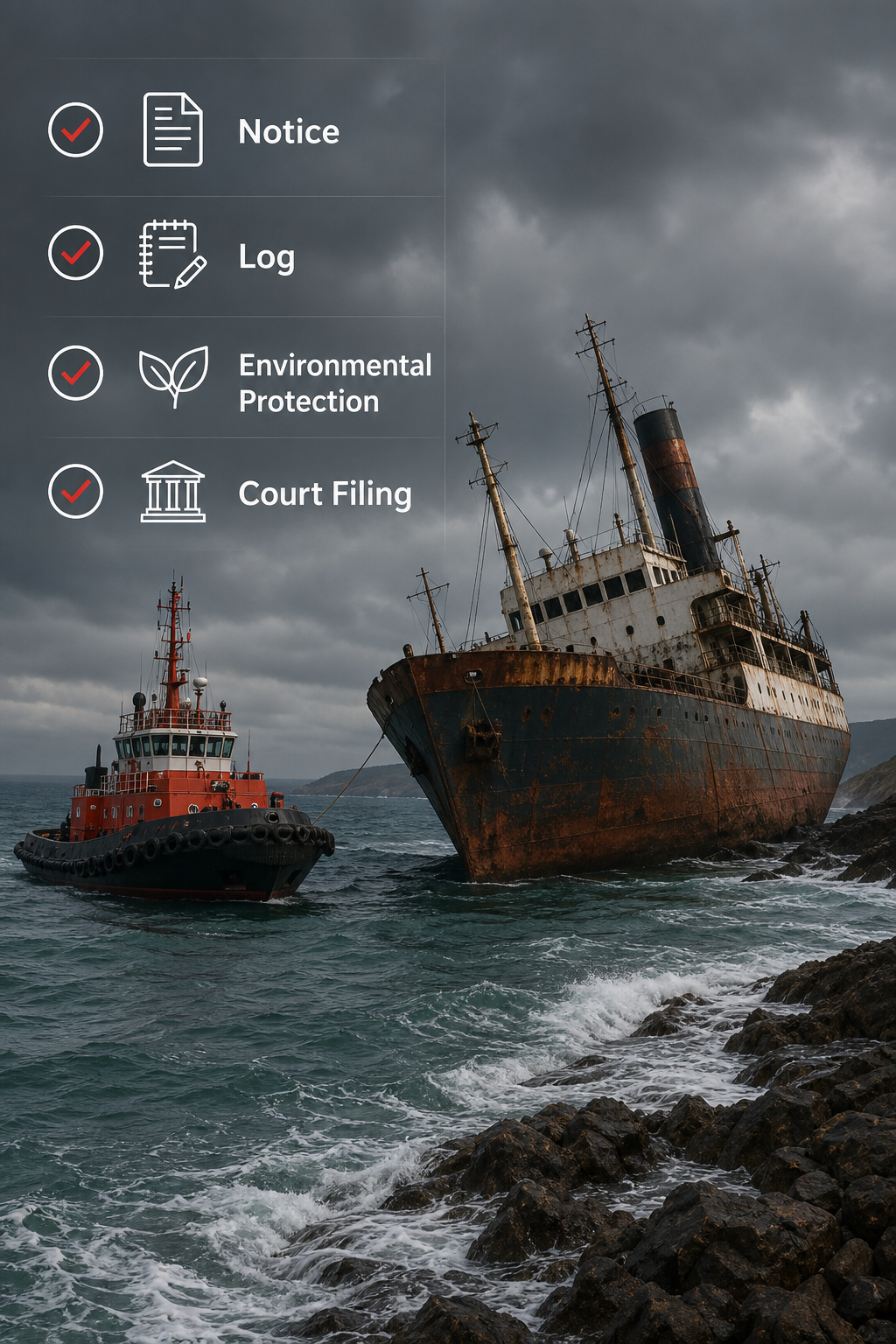
When you’re preparing a claim, treat each of those checklist items as a must‑do. Missing even one can tip the scales against you.
One more tip: If you’re a commercial operator, consider adding a salvage clause to your charter party. That clause can pre‑define how rewards are split, reducing disputes later.
FAQ
What qualifies as a salvage situation?
A salvage situation exists when a vessel or its cargo is in danger of loss, such as sinking, grounding, fire, or drifting. The danger must be real, not just a minor inconvenience. Voluntary assistance without a prior contract is the key trigger for a salvage claim.
How is the amount of a salvage award calculated?
The court looks at factors like the value of the saved property, the skill and risk of the salvors, the success of the operation, and any environmental benefits. Each factor is weighted, and the final award is expressed as a percentage of the post‑salvage value, often ranging from 5 % to 50 %.
Do I need a lawyer to file a salvage claim?
While it’s possible to file on your own, the process involves Admiralty court rules, detailed logs, and legal notices. A lawyer familiar with maritime law can help you avoid missed deadlines and ensure your evidence meets the court’s standards.
Can a salvager keep the cargo they rescued?
No. Salvage law only provides a monetary reward. Ownership of the vessel or cargo stays with the original owner unless a court orders a sale to satisfy the award.
What happens if the vessel’s owner is unknown?
The salvager can still file a claim in Admiralty court. The court may issue a warrant of arrest in rem, which holds the vessel itself as security until the award is paid or the vessel is sold.
How does environmental protection affect the award?
If the salvors take steps that prevent or reduce pollution, courts may increase the reward. The 1989 Salvage Convention explicitly adds an environmental protection incentive to the traditional factors.
Is there a time limit to file a salvage claim?
Yes. Most jurisdictions require the notice of claim to be filed promptly after the rescue, often within a few weeks. Delaying can give the owner grounds to argue the work was not voluntary, which may void the claim.
Conclusion
Salvage law balances private reward with the public interest of keeping lives, property, and the environment safe at sea. By understanding the definition, the checklist of award factors, and the procedural steps, you can protect your right to compensation and avoid costly mistakes.
If you want to see how these ideas fit into the broader world of admiralty law, check out the Admiralty and Maritime Law Explained 2026 guide. It expands on the same principles and shows where salvage sits among other maritime claims.
Remember: keep detailed logs, act quickly, and think about the environment. Those three habits turn a risky rescue into a fair, enforceable award.