Unseaworthiness Explained: Definition, Causes & Remedies
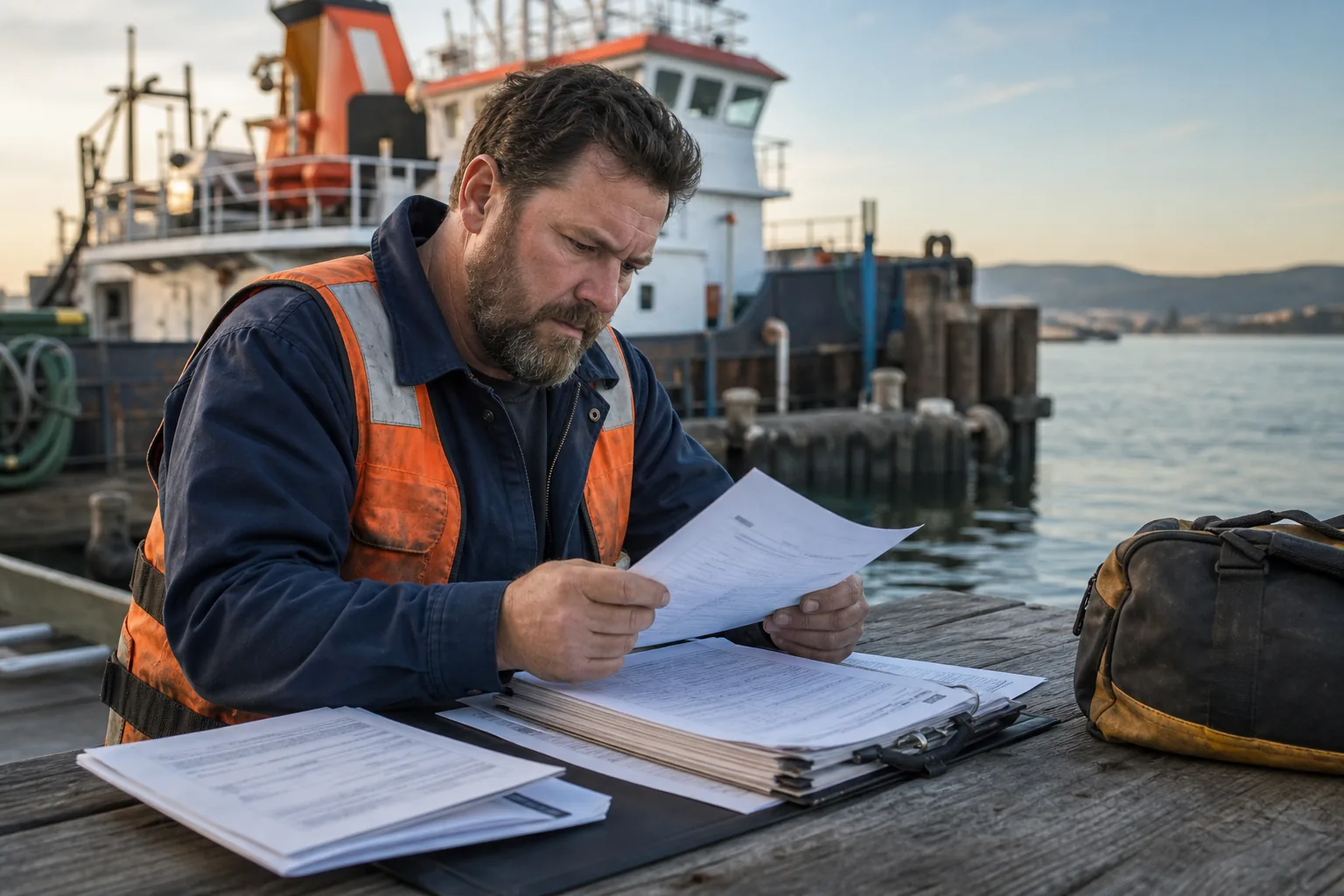
When a ship is not fit for its job, the risk to crew jumps. That risk shows up as unseaworthiness. In this guide we break down the meaning, the reasons it happens, how the law sees it, and what steps can stop it. By the end you’ll know how to spot a problem and what to do if you face it.
What Is Unseaworthiness? A Clear Definition
In maritime law a vessel must be reasonably fit for its intended use. That means every part, every piece of gear, and every crew member must be able to do the job safely. If anything falls short, the vessel is called unseaworthy.
The duty to provide a seaworthy craft rests on the owner. The owner cannot hand the duty off to anyone else. Even if the crew is skilled, the ship still must meet basic safety standards.
According to the U.S. Court of Appeals for the Ninth Circuit, a vessel is unseaworthy when "the vessel, or any of its parts or equipment, is not reasonably fit for its intended purpose" or when the crew is not adequately trained or competent. Court instruction on unseaworthiness
Unseaworthiness does not mean the ship will sink. It can be a broken rail, a missing safety use, or a crew member who lacks the proper certification. The law looks at whether the condition created a real danger.
Here’s a quick way to think about it: vessel + equipment + crew = safe work. If any piece is missing or broken, the whole equation fails.
Understanding this label matters because it shifts the blame from “someone was careless” to “the ship itself was unsafe.” That shift can change the type of claim a seaman can file.
Owners must keep the ship in good shape and must provide proper safety gear. They do not have to guarantee an accident‑free run, but they do have to meet a reasonable standard of safety.
When you hear the word unseaworthy, picture a ship that fails this basic test. That picture will guide you through the rest of the guide.
Key Factors That Cause Unseaworthiness
Many things can tip a ship into unseaworthy status. Below is a table that groups the most common causes. Each group shows why it matters and how it can lead to a claim.
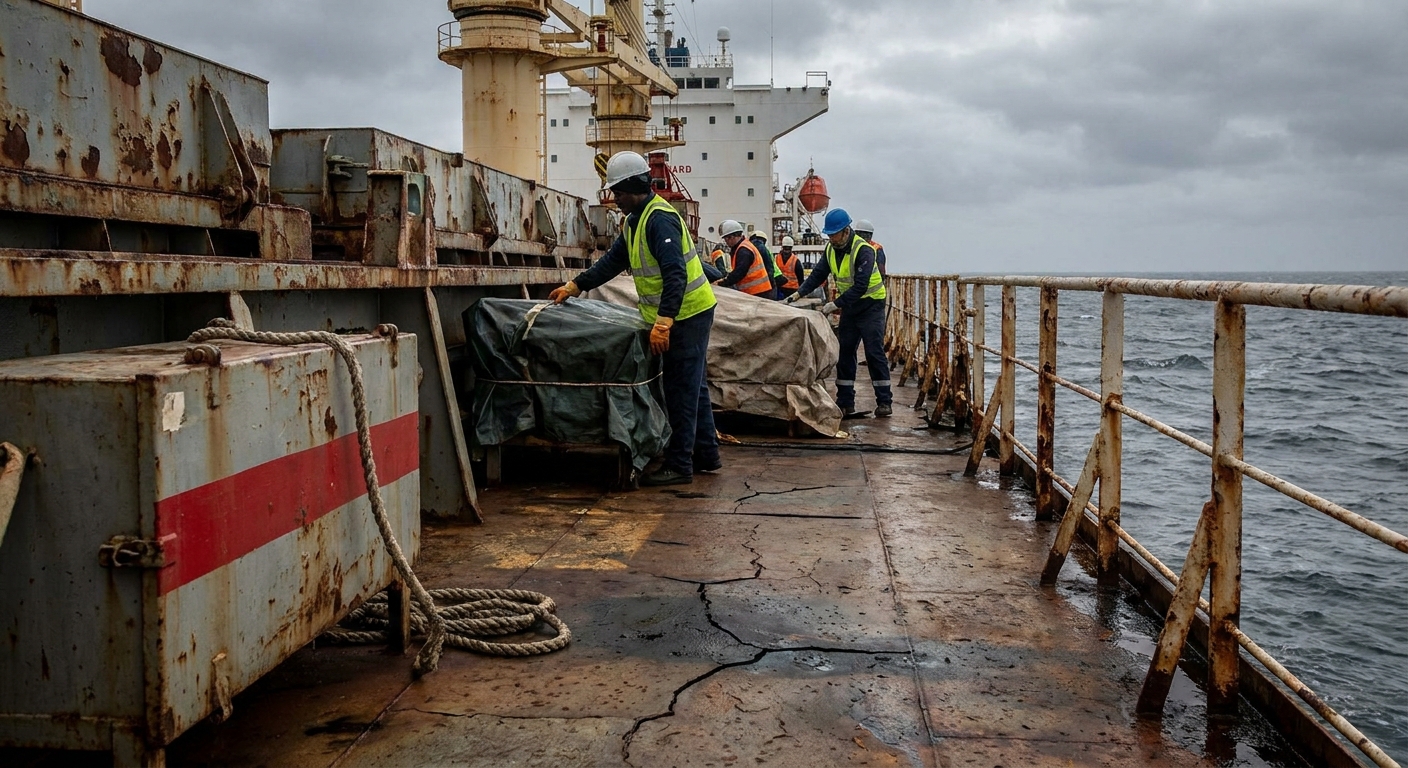
Equipment issues are the most visible. A broken guardrail can lead to a fall that ends in a broken bone. That same fall can become the basis for an unseaworthiness claim.
Missing safety gear is harder to spot because it’s about what isn’t there. If a vessel goes out without enough life vests, the crew is exposed to drowning risk.
Poor maintenance shows up as rust, leaks, or a deck that feels slick. Imagine a deck that is oily from fuel. A crew member steps on it, slips, and breaks a wrist. The oil is a maintenance problem that makes the ship unseaworthy.
Inadequate crew can be a legal issue even if the ship itself looks fine. A captain who lacks proper certification or a crew that is too tired to handle a storm can cause accidents that are traced back to the owner’s hiring decisions.
Improper documentation may seem minor, but it hides problems. Without inspection logs, an owner cannot prove that regular checks were done. That gap can be enough for a court to label the vessel unseaworthy.
Each of these factors can appear alone or together. When they combine, the risk grows sharply. That is why owners must run regular checks and keep records.
Spotting these factors early can stop a claim before it starts. A simple safety audit can catch a missing use or a worn rail.
How Authorities Determine Unseaworthiness
When a claim is filed, a judge or an administrative body decides if the vessel was unseaworthy. They look at evidence, talk to experts, and apply legal tests.
First, the authority asks: Was the ship reasonably fit for its purpose? They compare the vessel’s condition to industry standards and to the ship’s intended work.
Second, they check the crew. Was the crew adequately trained? Did the crew have the numbers needed for the tasks? If the answer is no, that can tip the scale toward unseaworthy.
Evidence can include maintenance logs, inspection reports, photographs, and witness statements. A well‑kept log can show that the owner performed regular checks, which may help the defense. Missing logs make the owner’s case weaker.
Expert testimony is common. A marine engineer can explain why a cracked hull plate is dangerous. A safety officer can describe how a lack of fall‑protect gear violates Coast Guard rules.
Below is a short list of the kinds of proof that courts often rely on:
- Photographs of the defect.
- Maintenance and inspection records.
- Crew testimony about training and workload.
- Coast Guard or OSHA citations.
- Manufacturer manuals showing required safety equipment.
Because unseaworthiness is a strict liability claim, the seaman does not need to prove the owner was negligent. They only need to show the condition existed and caused the injury.
Courts also look at whether the owner knew, or should have known, about the problem. If a defect was obvious during a routine inspection, the owner’s claim of ignorance will not hold.
In practice, the process can be technical. That is why many seamen hire a maritime attorney. An attorney can gather the right records, interview witnesses, and present the case in a way that matches legal standards.
For a deeper look at how a claim is proved, see the guidance from a law firm that focuses on Jones Act and unseaworthiness cases. Jones Act Law firm explanation
Legal Consequences and Liability
If a court finds a vessel unseaworthy, the owner can face a range of penalties. The most direct result is a civil claim for damages.
Damages can cover medical costs, lost wages, pain and suffering, and even loss of future earning ability. Because unseaworthiness is strict liability, the owner does not need to be shown negligent, which can make the damages larger.
In some cases, a claim can also trigger a wrongful‑death action under the Death on the High Seas Act if the injury leads to death more than three nautical miles from shore. That act limits recovery to economic losses, but it still adds pressure on the owner.
Besides monetary loss, owners may face regulatory penalties. The Coast Guard can issue fines, suspend licenses, or even order the vessel out of service until repairs are made.
Liability can also spread to other parties. A contractor who performed faulty repairs, or a supplier that sold defective parts, may share blame. Courts will look at who contributed to the unsafe condition.
Owners often try to limit exposure by keeping thorough records and by conducting regular safety audits. Those records can serve as a defense if a claim arises.
One real‑world example: a fishing vessel was found to have a broken railing and missing life jackets. The owner was ordered to pay the crew’s medical bills, lost wages, and a punitive award because the safety failures were deemed willful.
For more on how to handle a claim, you may find this guide useful: How to Handle an Unseaworthiness Claim in 2026. It walks through the steps after a verdict.
Preventive Measures and Remediation Strategies
The best way to avoid a claim is to keep the vessel truly seaworthy. That means a plan that covers equipment, crew, and paperwork.
Start with a regular inspection schedule. Inspections should happen at least quarterly, and after any major repair. Use a checklist that mirrors the table in the earlier section.
Second, keep detailed maintenance logs. Record what was checked, who did the check, and what was fixed. Digital logs make it easy to pull reports when needed.
Third, train the crew. Provide certifications for each role, and run drills for emergencies like fire, man overboard, and hull breach. Training should be refreshed annually.
Fourth, verify safety gear. Before each voyage, count life jackets, uses, fire extinguishers, and first‑aid kits. Replace any expired or damaged items.
Fifth, audit third‑party work. If a contractor does hull welding, get a signed inspection report that confirms the work meets standards.
When a problem is found, act fast. Fix the defect before the ship leaves port. If a repair cannot be done quickly, the vessel should stay docked until the issue is resolved.
Here is a step‑by‑step remediation flow:
- Identify the defect during inspection.
- Document the issue with photos and notes.
- Assign a qualified repair team.
- Complete the repair and obtain a signed completion report.
- Update the maintenance log and flag the item as resolved.
By following this flow, owners can show good faith if a claim ever arises.
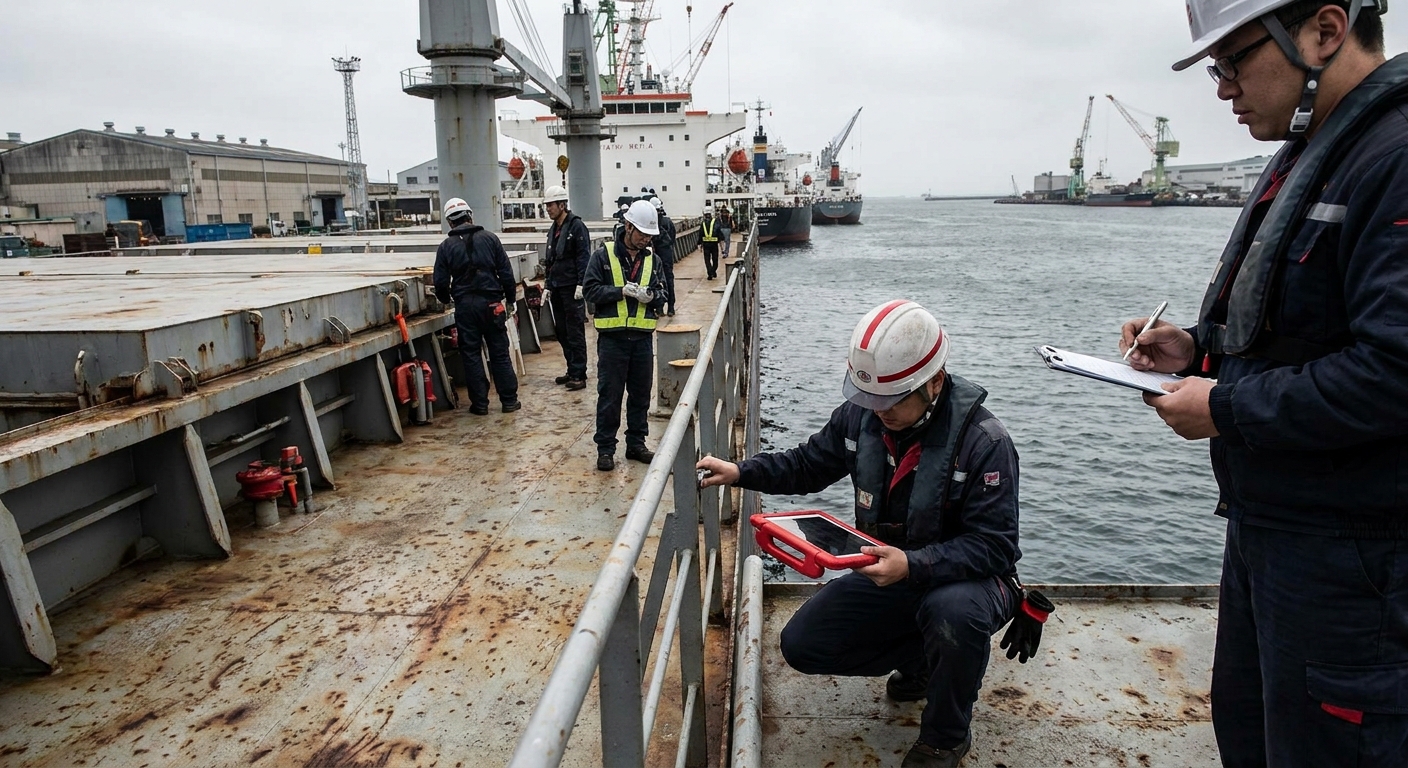
Remember that safety is a habit, not a one‑time task. Embed safety talks into crew meetings and make the inspection checklist a living document.
FAQ
What does “unseaworthy” mean in plain language?
It means a ship, its gear, or its crew are not safe enough for the work they are supposed to do. If anything is broken, missing, or the crew is not trained, the ship is called unseaworthy.
Can a vessel be unseaworthy even if the owner didn’t know about the problem?
Yes. The law uses strict liability, so the owner can be held responsible even without knowledge. The key question is whether the unsafe condition existed and caused the injury.
How does a crew member prove unseaworthiness?
The crew can gather photos, maintenance logs, and witness statements. An expert marine engineer can also testify about why a defect is dangerous.
Is unseaworthiness the same as negligence?
No. Negligence requires proof that the owner acted carelessly. Unseaworthiness only needs proof that the ship was unsafe, not that the owner was at fault.
What kinds of damages can I recover in an unseaworthy claim?
You can get medical bills, lost wages, pain and suffering, and in some cases, punitive damages. The claim can also cover future loss of earning power.
Does the Jones Act still apply if I have an unseaworthiness claim?
Often both claims are filed together. The Jones Act covers negligence, while unseaworthiness covers strict liability. Filing both can increase the total recovery.
What should I do if I suspect my vessel is unseaworthy?
Report the issue to the owner or manager right away. Request an immediate inspection and keep a written record of your complaint. If no action is taken, you may need to contact a maritime attorney.
Conclusion
Unseaworthiness is more than a legal term; it is a safety signal that a ship, its gear, or its crew are not ready for work. The definition rests on the owner’s duty to keep everything reasonably fit. Common causes range from broken equipment to missing safety gear and understaffed crews. Authorities determine the status by looking at logs, expert testimony, and the condition of the vessel at the time of injury. The legal fallout can be costly, with damages, regulatory fines, and possible liability for contractors. Preventing a claim means staying ahead with inspections, thorough documentation, crew training, and rapid repairs.
If you want to dig deeper into filing a claim, on handling unseaworthiness claims in 2026. It walks you through the steps after a verdict and shows how to protect your rights.