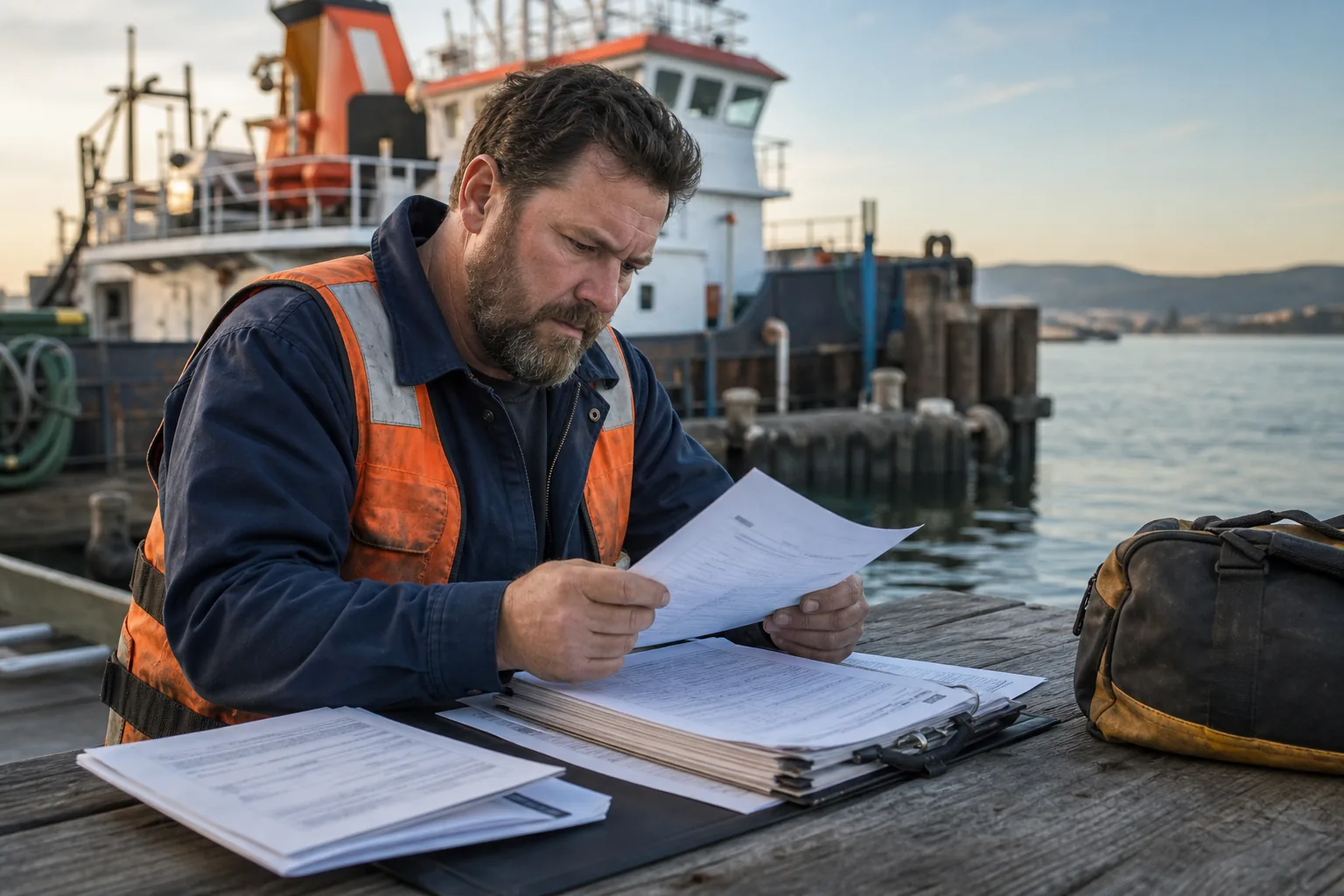
Sailboat Accident Guide: Types, Causes & Prevention
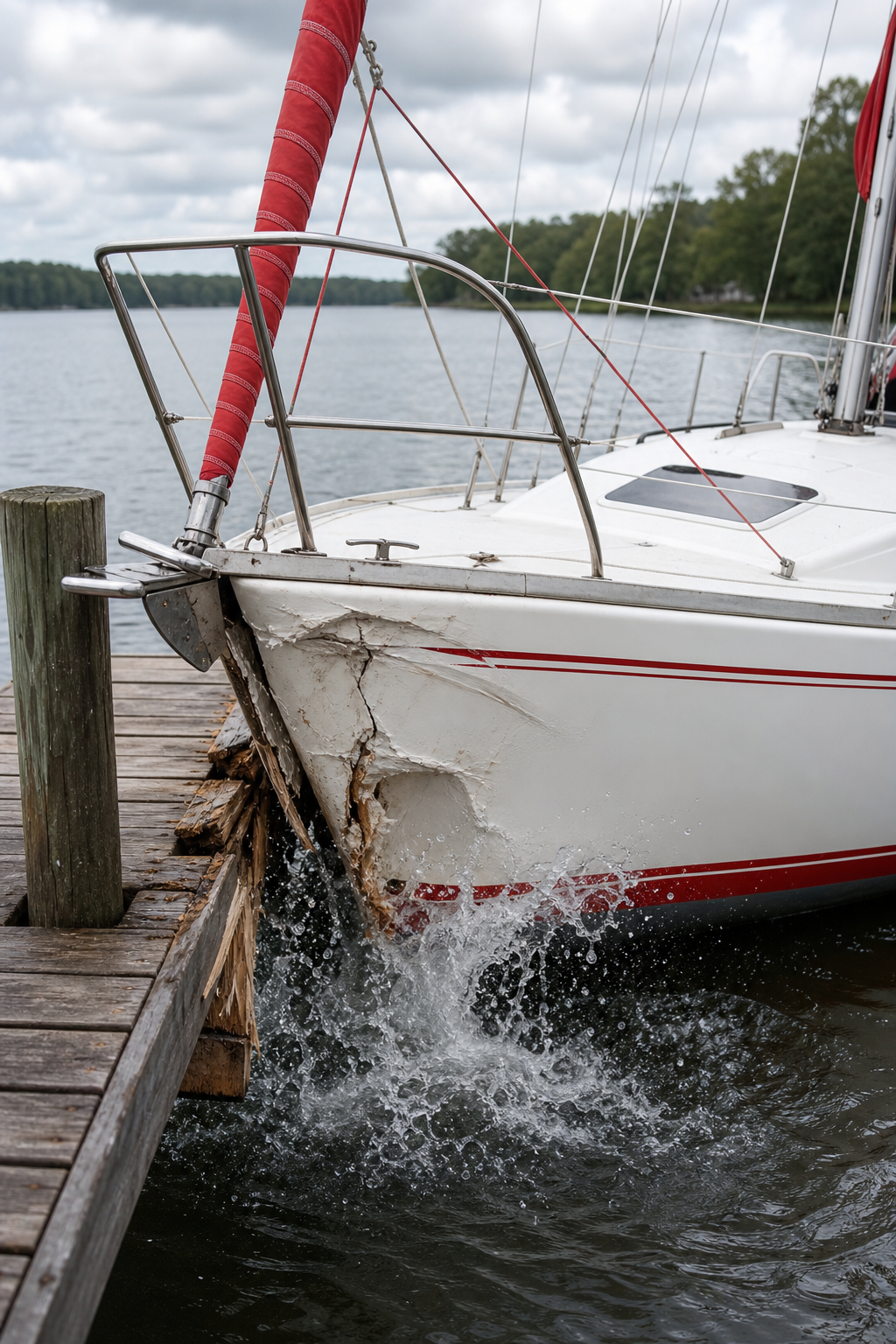
One slip on the water can turn a sunny outing into a nightmare. Sailboat accidents happen more often than most boaters realize, and they can leave lasting injuries or costly damage. In this guide you’ll discover the main kinds of sailboat accidents, the reasons they occur, usable ways to avoid them, and the legal steps you need to follow if one does happen.
By the end you’ll have a clear picture of what to watch for, how to prep your vessel, and what to do the moment something goes wrong. Let’s get started.
Common Types of Sailboat Accidents
Sailboats face a handful of accident scenarios that show up again and again in reports. Knowing each type helps you spot warning signs before they become emergencies.
Collision with another vessel or objecttops the list. A careless turn, too much speed, or a failure to keep a proper lookout can send two boats crashing into each other or into a dock, pier, or buoy.
Capsizing or knocking downoften follows a sudden gust, an unexpected wave, or a shift in crew weight. When a boat heels too far, it can roll over and trap people in the water.
Keel or hull failureis rarer but serious. A cracked keel can let water flood in, while a hull breach can sink the boat quickly.
Mast and rigging breakagecan happen during a hard tack or when old lines snap. A broken mast can fall onto crew members or damage nearby vessels.
Fire aboardmay start in the galley, from electrical faults, or even a fuel leak. A small blaze can spread fast on a wooden hull.
Groundingoccurs when a boat runs aground on a sandbar, reef, or submerged object. This can damage the keel and hull.
Man‑over‑board (MOB)situations are among the most frightening. A sudden slip, an unsecured deck, or a lack of proper safety gear can lead to a person falling into the water.
Equipment failuresuch as a broken rudder, failed autopilot, or a faulty pump can leave a boat helpless and drifting.
Each of these scenarios has its own set of warning signs and response steps. Understanding them reduces panic and improves outcomes.
According to the California Department of Parks and Recreation, collisions make up about 45% of sailboat accidents, while capsizing accounts for roughly 20% of reported incidents. California recreation boating statistics
Primary Causes and Contributing Factors
When a sailboat accident occurs, human error is usually at the core. Operators who ignore basic rules, misjudge conditions, or fail to maintain equipment set the stage for trouble.
Below is a quick look at the main causes and what often adds to the risk.
Alcohol plays a big role. About one‑third of boating fatalities involve alcohol, according to safety studies. That means drinking while sailing raises the odds of a crash dramatically.
The U.S. Coast Guard’s 2023 recreational boating statistics confirm that operator inattention and speeding are the top contributors to accidents. USCG 2023 report
Even experienced sailors can fall into these traps if they skip a pre‑sail checklist or ignore changing conditions. A simple habit of double‑checking gear and weather can cut risk dramatically.
Essential Safety Measures and Prevention
Staying safe on a sailboat is about preparation, equipment, and habits. Below are the pillars you should build into every outing.
Pre‑sail checklist
- Inspect the hull, keel, and rudder for cracks or damage.
- Test the rigging, lines, and sails for wear.
- Verify that the engine (if present) runs smoothly.
- Check that all safety gear , life jackets, flares, fire extinguisher , is on board and unexpired.
Weather planning
Use a reliable forecast service and look for sudden changes in wind direction or speed. If the forecast shows a chance of squalls, postpone the trip or choose a protected bay.
Training and drills
Take a basic sailing safety course. Practice man‑over‑board recovery, reefing a sail quickly, and emergency radio calls. Repeating drills builds muscle memory.
Wear a personal flotation device (PFD) at all times, even if you’re an experienced sailor. The Coast Guard notes that most drownings happen to people who weren’t wearing a PFD.
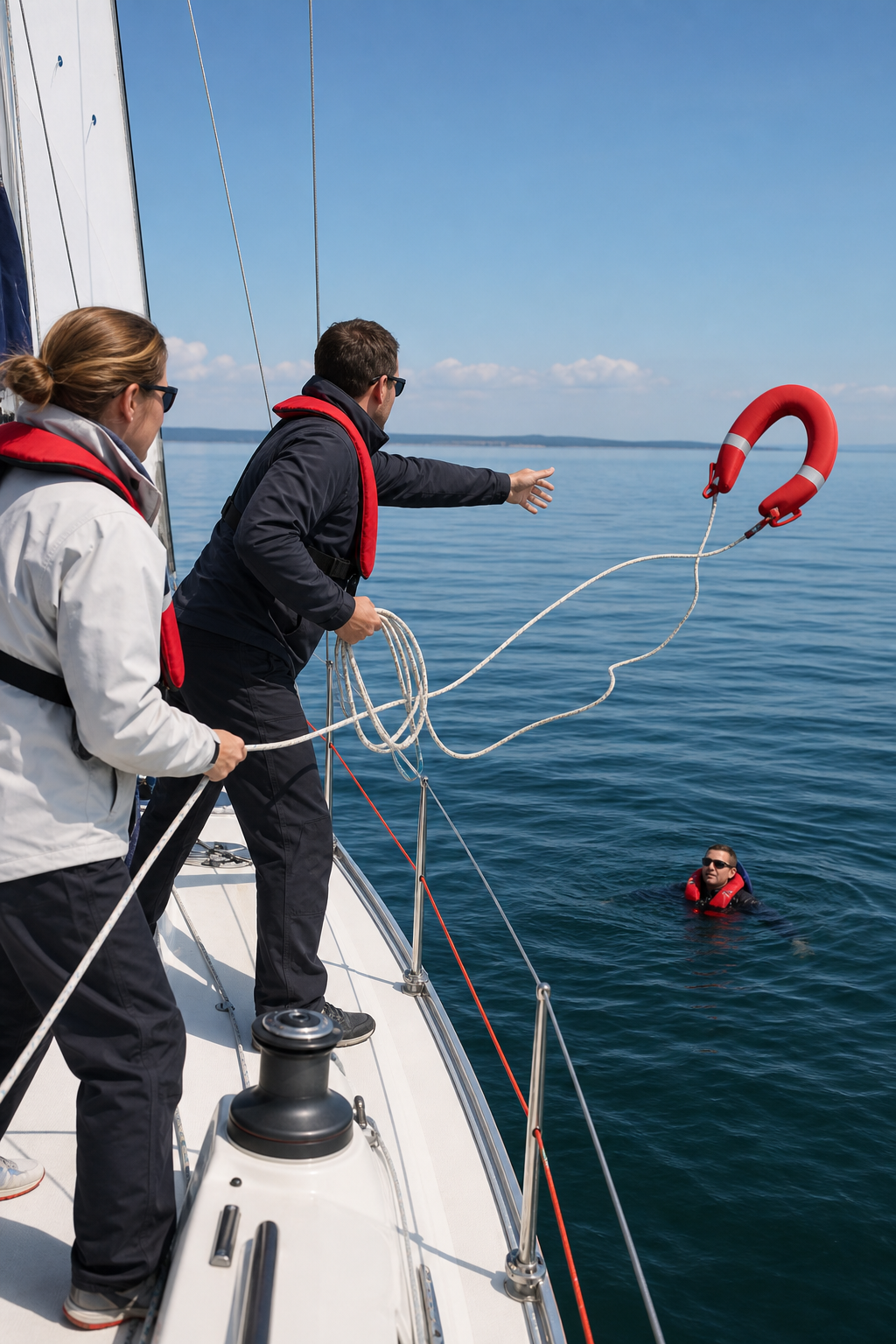
Finally, keep a fully charged VHF radio and know the channel numbers for distress calls. A quick call for help can mean the difference between a rescue and a tragedy.
Legal and Reporting Considerations
If a sailboat accident results in injury, death, or significant property damage, the law steps in. Knowing your obligations protects you from fines and helps preserve any insurance claim.
First, stop the vessel and stay at the scene. Leaving a crash scene can lead to criminal charges, especially if damage exceeds a set amount.
Second, exchange contact information, vessel registration numbers, and insurance details with anyone involved. Write down the make, model, and any visible damage.
Third, report the accident to the appropriate state authority. In many states, including Louisiana, you must file a report within five days if anyone was injured, if there was a fatality, if someone is missing, or if damage exceeds $500. The U.S. Coast Guard also requires a report within 48 hours for serious incidents. USCG reporting guidelines
Documentation is key. Take photos of the scene, note weather conditions, and collect witness statements. These records become vital if you need to prove negligence or if insurance disputes arise.
For deeper insight into Louisiana’s specific steps, see the recent Maritime Accident Report: April 19, 2026. It outlines the exact timeline and paperwork required by the Louisiana Department of Wildlife and Fisheries.
“A well‑documented accident report can make the difference between a swift settlement and a protracted legal battle.”
Even if your state does not mandate a report, filing one with the Coast Guard creates an official record that may aid future safety improvements.
Immediate Steps After a Sailboat Accident
The minutes right after a crash are critical. Follow these actions to protect lives and preserve evidence.
- Assess injuries. If anyone needs medical help, call emergency services immediately. Use a VHF radio on channel 16 or a cell phone if you’re near shore.
- Secure the vessel if possible. Deploy a sea anchor or drop a drogue to stop drift.
- Take photographs of damage, the water’s condition, and any equipment that failed.
- Gather witness information. Names, phone numbers, and what they saw can support your report.
- Complete the official accident report form (CG‑3865) as soon as you can. Include timestamps, weather data, and a narrative of events.
While you wait for help, keep calm and stay with the vessel if it is safe. A stable boat is easier for rescuers to locate.
After rescue crews arrive, hand over all documentation and photos. This hand‑off speeds up the insurance claim and any legal review.
Frequently Asked Questions
What exactly counts as a sailboat accident?
A sailboat accident includes any event where a sail‑powered vessel suffers damage, a person is injured, or a fatality occurs. It covers collisions, capsizing, fires, groundings, equipment failures, and man‑over‑board incidents.
Which causes are most common?
Human error, such as not keeping a proper lookout, speeding, or operating while impaired, accounts for the majority of incidents. Sudden weather changes and equipment failure also rank high. Alcohol involvement appears in about one‑third of fatal cases.
How can I lower my risk on the water?
Start each trip with a thorough pre‑sail checklist, wear a lifejacket at all times, and monitor weather forecasts closely. Take a basic safety course and practice emergency drills regularly. Keep your safety equipment up to date and easily reachable.
What legal steps should I take right after a crash?
Stop the vessel, stay on scene, exchange contact and insurance details, and document everything with photos and notes. File a report with the state agency and the Coast Guard within the required timeframe, usually 48 hours for serious incidents.
When should I call a boating‑accident attorney?
If the accident results in serious injuries, significant property loss, or a dispute over fault, contact an attorney promptly. Early legal help ensures evidence is preserved and your rights are protected throughout insurance negotiations and possible litigation.
Do I need to report every minor incident?
Minor bumps that cause no injury or damage under the reporting threshold may not require a formal report, but filing one anyway creates an official record. This can be useful if a pattern emerges or if you later need proof of the event.
Conclusion
Sailboat accidents are preventable when you understand the typical types, recognize the root causes, and follow proven safety habits. Keep a solid checklist, stay alert to weather, and never skip your lifejacket. If a crash does occur, act fast: secure the scene, get help, and document everything.
Legal obligations vary by state, but filing a timely report and preserving evidence are universal steps that protect you and your crew. And remember, an experienced maritime attorney can guide you through complex claims, ensuring you get the compensation you deserve.
Looking for more on boat safety? Check out the Wikipedia overview of sailing safety practices for additional tips and best‑practice guidelines.