Top Resources for a Recreational Boating Accident Lawyer
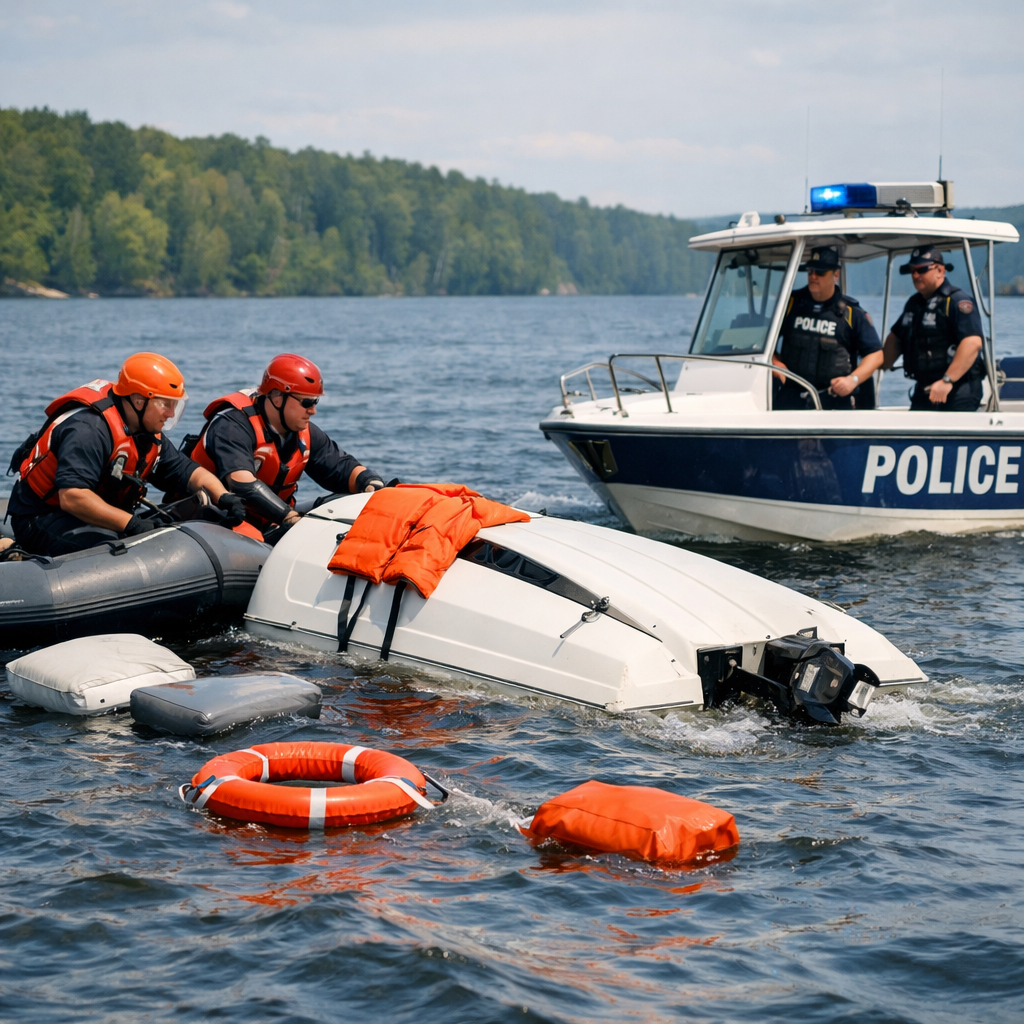
A boating crash can turn a fun day on the water into a nightmare in seconds. You may be hurt, your boat could be damaged, and the insurance paperwork can feel like a maze. This guide gives you the tools you need to find the right recreational boating accident lawyer, gather strong evidence, and get the compensation you deserve.
We’ll walk through when to call a lawyer, where to get state‑specific help, free consultation services, how to document the crash, and where to find insurance‑claim assistance. By the end you’ll have a clear checklist and links to trusted resources you can use right now.
Understanding When to Hire a Recreational Boating Accident Lawyer
Not every splash needs a lawyer, but many accidents do. If you see serious injuries, major damage, or a dispute over who caused the crash, a maritime attorney can protect your rights. The law that covers boats is called admiralty law, and it works differently from road‑car rules.
Operator negligence is the most common cause. Speeding, drinking, or not keeping a proper lookout can make the boat operator liable. Even passengers can be at fault if they distract the driver. In some cases the rental company, the boat maker, or the marina can share blame if equipment was faulty or safety signs were missing.
Why call a lawyer early? A lawyer can:
- Identify every possible liable party.
- Preserve evidence before it disappears.
- Talk to insurance companies on your behalf.
Getting help fast also means you won’t miss filing deadlines. Some states require a report within a few days, and missing that can block your claim.
Imagine you’re on a lake and a sudden wave hits your boat, causing a collision. You’re shaken, but the other driver says it was your fault. A lawyer can gather the weather report, interview witnesses, and compare the boat’s maintenance records to prove the other side’s negligence.
State‑by‑State Legal Resources for Boating Accidents
Each state has its own rules about reporting a crash and who can be sued. Below is a quick view of the most useful state agencies and online portals you can use to file a report or find a local attorney.
These portals let you file the official boating accident report, which becomes a key piece of evidence for any lawsuit. The report asks for the time, location, weather, boat details, and witness names.
Why does the report matter? Courts treat a filed report as a government‑verified account. It can back up your claim that the other driver was at fault, especially when the other side tries to downplay the crash.
For a deeper look at maritime law basics, see Wikipedia’s maritime law overview. The page explains the difference between state tort law and federal admiralty jurisdiction, which is useful when you wonder which court will hear your case.
Top Free Legal Consultation Services for Boating Accident Victims
Many law firms offer a no‑cost first call. That call can tell you if you have a case, what the possible damages are, and how the process works. Below are three reputable options that do not charge until they win or settle your claim.
1.Estes & Smith Maritime Law, They specialize in maritime injury and have a dedicated team for recreational boat crashes. Their free intake form asks for basic facts and schedules a phone call within 24 hours.
2.Tim Jones PC, Known for handling Jones Act cases, they also take on boating accidents. Their website offers a quick chat widget that connects you with a senior associate for a free review.
3.Local Legal Aid Clinics, Many states fund legal aid that covers personal injury, including boating. Look for “Legal Aid” on your state’s bar association site.
These services can help you understand the law without spending money up front. They also know how to talk to insurers, which often try to settle for less than you’re owed.
When you talk to a lawyer, ask about their experience with boating cases, their fee structure, and how long similar cases have taken. A good lawyer will be transparent and will not ask for payment until they recover money for you.
How to Document Your Boating Accident for a Strong Claim
Evidence is the backbone of any personal‑injury claim. The more detail you collect right after the crash, the easier it is for a lawyer to prove liability and damages.
Start with photos. Snap the boat’s hull, the damage to the other vessel, the water conditions, and any visible injuries. Use a phone with a timer so you can capture multiple angles.
Next, write a short narrative while the scene is fresh. Include:
- Exact time and GPS location.
- Weather, wind, and visibility.
- What you were doing (e.g., docking, cruising).
- Any sounds or signals you heard.
Collect contact info from any witnesses. Even a passerby on the shore can give a statement that backs up your version.
Ask the other driver for their insurance details and copy of their registration. If the crash involved a rental, get the rental contract and the company’s safety checklist.
Medical records matter too. Even if you feel fine, get a professional evaluation. Some injuries, like concussions, show up days later. Keep every bill, prescription, and doctor note.
All of this paperwork should be organized in a folder , physical or digital , that you can hand to your attorney. A well‑ordered file saves time and shows the lawyer you’re serious.
For legal definitions of personal injury and why medical docs matter, see Wikipedia’s personal injury page. It breaks down the types of damages you can claim, from medical costs to pain and suffering.
Insurance Claim Assistance and Arbitration Resources
Most boat owners have liability insurance, but the policy language can be tricky. Insurance companies often try to settle quickly for less than the claim is worth.
First, read your policy. Look for sections titled “Personal Injury” or “Bodily Injury Liability.” Note the deductible, coverage limits, and any exclusions for water‑craft accidents.
If the insurer offers a low settlement, you can request arbitration. Many policies require a neutral third party to review the dispute before you go to court.
Good places to find arbitration services include:
- The American Arbitration Association (AAA) , they have a maritime division.
- Your state’s Department of Insurance , they often list certified mediators.
- Legal aid clinics , some provide free mediation for low‑income claimants.
When you file an arbitration request, include the same evidence you gathered for the lawsuit: photos, reports, medical bills, and witness statements. The arbitrator will weigh the proof and issue a binding decision.
Some law firms, like Lipcon’s Washington office, also help victims handle arbitration. They can draft the request, attend the hearing, and argue for a fair payout.
FAQ
Do I need a lawyer if the accident was minor?
Even a minor crash can lead to hidden injuries or long‑term damage. A recreational boating accident lawyer can review the facts, advise on the statute of limitations, and tell you if filing a claim makes sense. They can also negotiate with insurance to avoid a lowball offer.
How long do I have to file a boating accident claim?
Statutes of limitation vary by state, but most allow two to three years from the date of the accident. Some maritime claims under federal law have a six‑year window. Acting quickly helps preserve evidence and keeps the deadline clear.
What if the other boat’s operator is uninsured?
If the other driver has no insurance, you may still recover through your own policy’s uninsured‑motor‑vehicle (UMV) coverage, if it applies to watercraft. A lawyer can review your policy and file a subrogation claim to get money back from the at‑fault party.
Can I sue a boat manufacturer?
Yes, if a defect in the hull, engine, or safety equipment caused the crash. This type of claim is called product liability. You’ll need expert testimony to prove the defect existed before you bought or rented the boat.
What should I do right after a boating accident?
First, make sure everyone is safe and call 911 if anyone is hurt. Then, document the scene, gather witness contact info, and file a boating accident report with the state agency. Finally, contact a recreational boating accident lawyer for a free case review.
Are there free resources for low‑income victims?
Many states fund legal aid clinics that handle personal injury, including boating accidents. Look for your state bar association’s “Legal Aid” section or contact a local law school clinic. These services often provide free advice and may represent you if you qualify.
How does arbitration differ from going to court?
Arbitration is a private, faster process where a neutral third party decides the case. It’s usually less formal and cheaper than a trial. The decision is binding, so you can’t appeal it easily, but it often avoids the long wait of a courtroom.
What damages can I recover?
You can claim medical expenses, lost wages, loss of earning capacity, pain and suffering, and sometimes punitive damages if the other party acted with gross negligence. A lawyer will calculate both economic and non‑economic losses to seek a fair settlement.
Conclusion
When a boating crash leaves you hurt or broke, the legal maze can feel overwhelming. By knowing when to call a recreational boating accident lawyer, using state reporting tools, taking advantage of free consultations, documenting everything, and exploring insurance arbitration, you give yourself the best shot at a fair payout.
Ready to protect your rights and get the compensation you deserve? Boating Accident Lawyer: A Resource Guide offers a free case review and step‑by‑step help.
Start the process today, gather your evidence, and let an experienced attorney handle the paperwork and negotiations. Your focus should be on recovery; the lawyer’s focus is on winning your claim.