Pontoon Boat Accident: Causes, Prevention, and Legal Guide
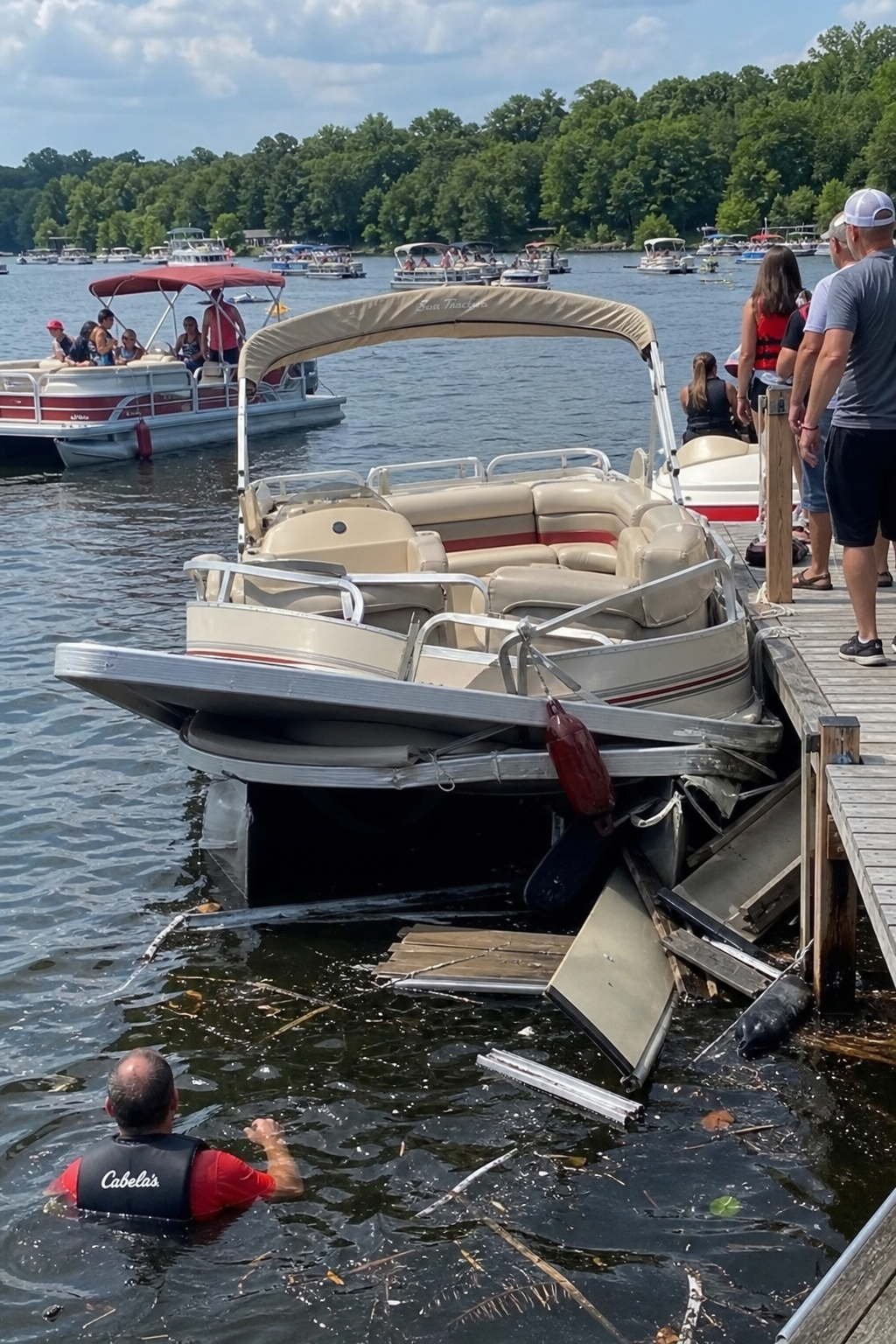
Every summer, families pile onto pontoon boats hoping for calm water and good times. One slip, and a simple outing can turn into a dangerous mess. This guide walks you through the ways a pontoon boat accident can happen, how to keep it from happening, and what steps to take if it does.
We’ll break down the types of accidents you might see, the biggest reasons they occur, safety habits that work, the immediate actions after a crash, and the legal side of things. By the end you’ll feel ready to protect yourself and your passengers.
Types of Pontoon Boat Accidents
Boating data from the U.S. Coast Guard shows that collisions are the most frequent mishap for all vessels, and pontoons are no exception. A collision can happen when two operators fail to watch each other, or when one misreads a turn. The result may be a ripped hull, a knocked‑out engine, or passengers tossed into the water.
Another common event is flooding. Water can seep in through a loose seacock, a cracked hull, or a puncture caused by a hidden rock. When a pontoon takes on water it can still float for a while, but the added weight makes it sit lower and harder to control.
Grounding is when the boat hits a shallow spot. Pontoons have a wide draft, yet a sudden sandbar or mudflat can snag the hull. The impact may bend the frame or damage the propeller.
Falling overboard is a risk for any boat. On a pontoon, the open deck makes it easy for a passenger to slip if they’re not holding on or if the boat makes a sudden move.
Capsizing is less common but can happen if the vessel is overloaded or if a big wave hits the side. When a pontoon flips, the buoyancy chambers can fill with water, pulling the boat down.
Understanding these categories helps you spot warning signs early. For deeper statistics, the Coast Guard’s annual report breaks down each accident type in detail. USCG accident report PDF
And a quick visual helps. Below is a short video that illustrates the most common accident scenarios for pontoon boats.
Leading Causes of Pontoon Boat Accidents
Human error tops the list. Operators who are distracted by phones, loud music, or chatting often miss a boat entering their path. The U.S. Coast Guard reports that operator inattention contributed to more than half of all boating accidents in recent years.
Alcohol use is another major factor. When the blood‑alcohol level rises, reaction time slows, and judgment clouds. The Coast Guard’s data shows that about 17% of fatal boating crashes involved alcohol.
Inexperience plays a big role too. New boaters may not know how to read navigation rules, handle a sudden change in wind, or perform a proper lookout. A lack of formal safety training leaves many vulnerable.
Mechanical failures also cause trouble. A broken engine, a snapped steering cable, or a failed fuel line can leave a pontoon dead in the water, forcing a sudden stop that may lead to a grounding or collision.
Weather surprises add to the danger. Sudden squalls, high winds, or low visibility can catch even seasoned captains off guard. Checking the forecast and keeping an eye on changing conditions is essential.
Finally, overloading is a hidden threat. When too many people or too much gear sit on board, the pontoon sits lower and becomes less stable, raising the risk of capsizing.
Essential Safety Tips for Pontoon Boat Operators
Staying safe on a pontoon starts with gear. The U.S. Coast Guard mandates that every boat 16‑26 feet with an outboard engine carry at least one USCG‑approved life jacket per person, a throwable flotation device, fire extinguisher, and distress signals.
Choose life jackets that fit each rider. An adult‑size jacket should snugly hug the shoulders, while a child’s jacket needs a crotch strap and neck collar for extra protection.
Make sure the throwable device, like a ring buoy or cushion, is within arm’s reach. In an emergency, seconds count.
Next, set up an engine cut‑off lanyard. Attach it to your life jacket or clothing so the engine stops if you fall overboard.
Night boating adds lighting rules. Red and green navigation lights indicate which side other boats should pass. Follow local speed limits after dusk.
Regular maintenance also pays off. Check the propeller for dents, inspect the hull for cracks, and test the battery. A well‑kept boat handles better and is less likely to fail when you need it most.
For a deeper look at required equipment, see the official boating‑equipment guide from the U.S. Coast Guard’s partner site. Boatus equipment guide
What to Do Immediately After a Pontoon Boat Accident
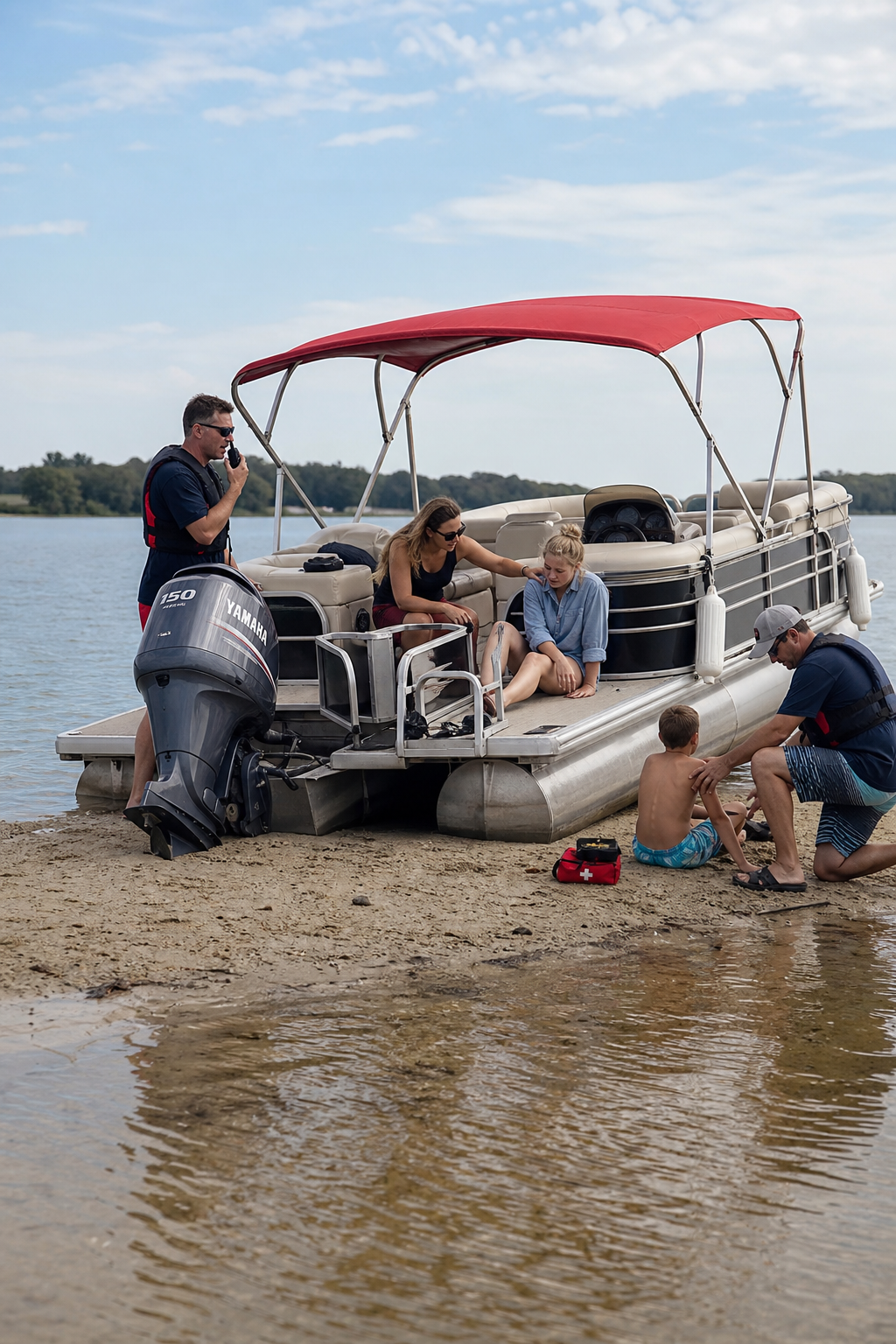
First, stay calm. Panic makes it harder to think clearly. Check everyone for injuries and call for medical help if needed. Use your VHF radio or cell phone to alert nearby boats or the Coast Guard.
If the hull is taking on water, locate the source. Plug any visible leaks with a cloth or a temporary patch. Turn off the engine to stop water being sucked in.
Next, assess the grounding. If the boat is on soft sand, shift weight to the higher side to lift the pontoon. Have passengers move to the opposite side of the grounding point. Lightening the load, by moving gear or using a dinghy, can help the boat float free.
When it’s safe, try to reverse slowly using low throttle. Avoid sudden jerks that could damage the propeller further.
If you can’t free the vessel, signal for a tow. Provide your exact GPS coordinates and describe the situation so the rescue crew knows what gear to bring.
After you’re back on shore, do a thorough inspection. Look for hull cracks, prop damage, and check the engine oil and fuel lines. Even minor damage can turn into a big problem if left unrepaired.
Legal and Insurance Considerations
When a pontoon boat accident leads to injury or property loss, the law steps in. Maritime law governs incidents on “navigable waters,” which includes most lakes, rivers, and coastal areas. This means a federal framework, often called admiralty law, applies alongside state statutes.
If you’re hurt, you may be able to claim damages for medical bills, lost wages, and pain and suffering. To do that you’ll need evidence: photos of the scene, witness statements, and a copy of the accident report.
Insurance policies for recreational boats usually cover liability, hull damage, and personal injury. Review your policy’s limits and exclusions. Some policies require you to report an accident within a set number of days.
Finding the right attorney can make a big difference. A specialist in maritime law knows how to handle the complex mix of federal and state rules. For more on choosing help, see the Boat Accident Attorney Guide: What You Need to Know.
Remember the Limitation of Liability Act of 1851, which can limit a vessel owner’s liability to the value of the boat. Exceptions exist, especially when negligence is proven.
Frequently Asked Questions
What should I do if someone falls overboard from my pontoon?
First, shout “Man overboard!” and turn the boat toward the person. Deploy a throwable flotation device and keep an eye on the victim’s head. If you have a life‑jacket on board, toss it to them. Call for help on your VHF radio and stay with the person until rescue arrives.
Can I operate a pontoon boat without a boating safety certificate?
In many states, operators under a certain age or with low‑horsepower engines can go without a certificate. However, the Coast Guard notes that only 12% of deaths happen on boats where the skipper has a safety certificate, showing the clear benefit of formal training.
How much weight can a typical 20‑foot pontoon carry?
Most 20‑foot pontoons rated for a 500‑horsepower outboard have a maximum capacity of about 2,500 lb. This includes passengers, gear, and fuel. Always check the manufacturer’s plate for the exact number and never exceed it.
What are the most common weather‑related causes of pontoon accidents?
Sudden thunderstorms, high winds, and low visibility from fog are the top culprits. A fast‑moving front can bring gusts that push a pontoon sideways, making it easy to capsize or run aground. Always check the forecast before you launch and keep an eye on changing conditions.
Is it worth installing an automatic engine cut‑off system?
Yes. The system stops the engine if the operator falls overboard, preventing the propeller from turning and reducing the chance of injury. The Coast Guard requires a lanyard for newer boats, but an automatic system adds an extra layer of safety.
Do I need a separate insurance policy for my pontoon?
Most standard homeowners policies don’t cover watercraft. You’ll need a specific boat insurance policy that includes liability, hull, and personal injury coverage. Review the policy details to ensure you’re protected for both on‑water and dockside incidents.
Conclusion
Pontoon boat accidents can happen in many ways, collisions, flooding, grounding, capsizing, or simple falls overboard. Most stem from human error, weather, or equipment failure. By staying alert, keeping proper safety gear, maintaining your boat, and knowing the legal steps after an incident, you dramatically lower the risk.
Take the time to run through a pre‑trip checklist, review the weather, and make sure every passenger has a life jacket. If something does go wrong, act fast, call for help, and document the scene. And remember, if you need legal help, a qualified maritime attorney can guide you through claims and insurance matters.
For more detailed advice on safe boating practices, explore our other resources on handling waterways and maintaining your vessel.