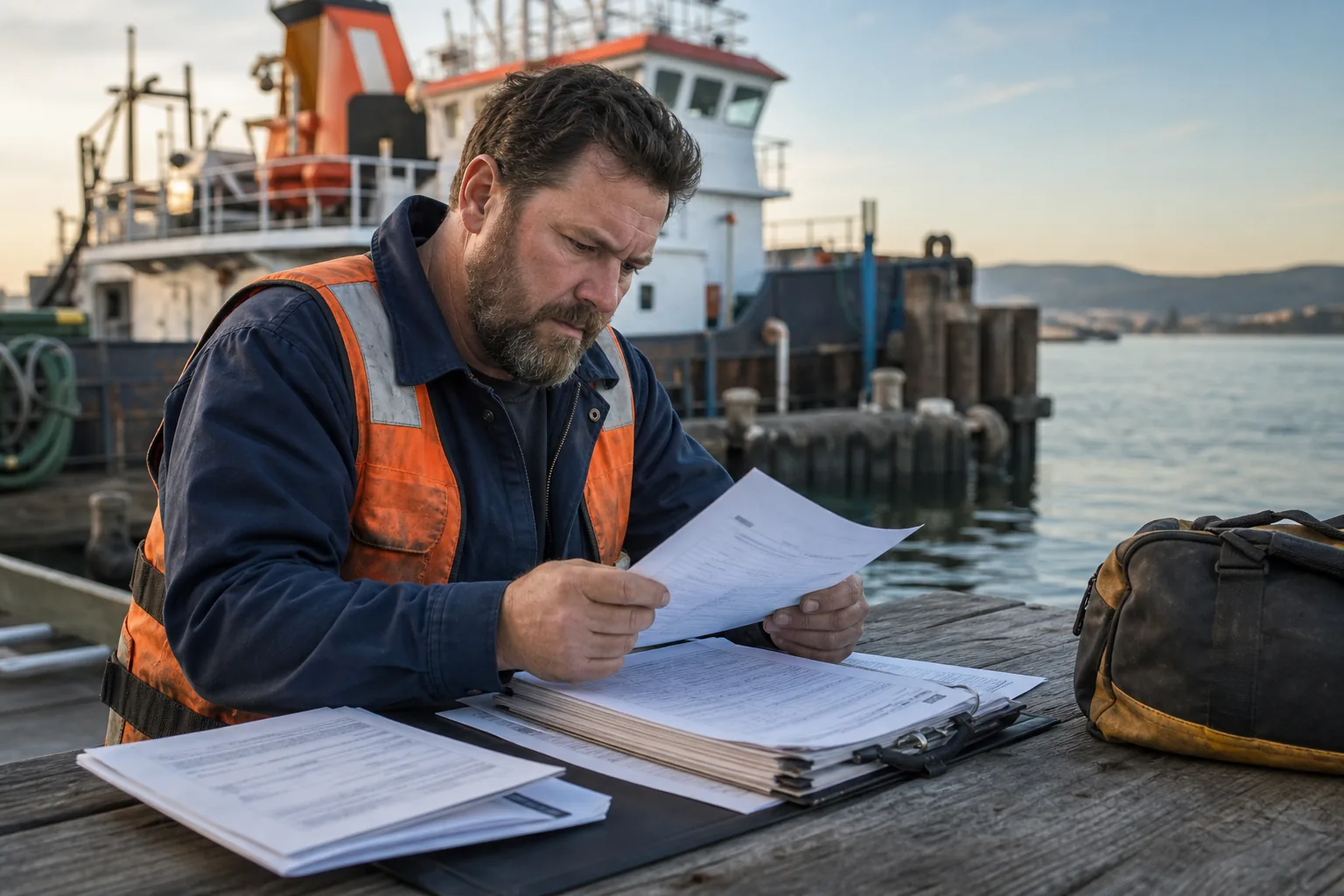
Oil Rig Accident: Causes, Types, and Safety Measures
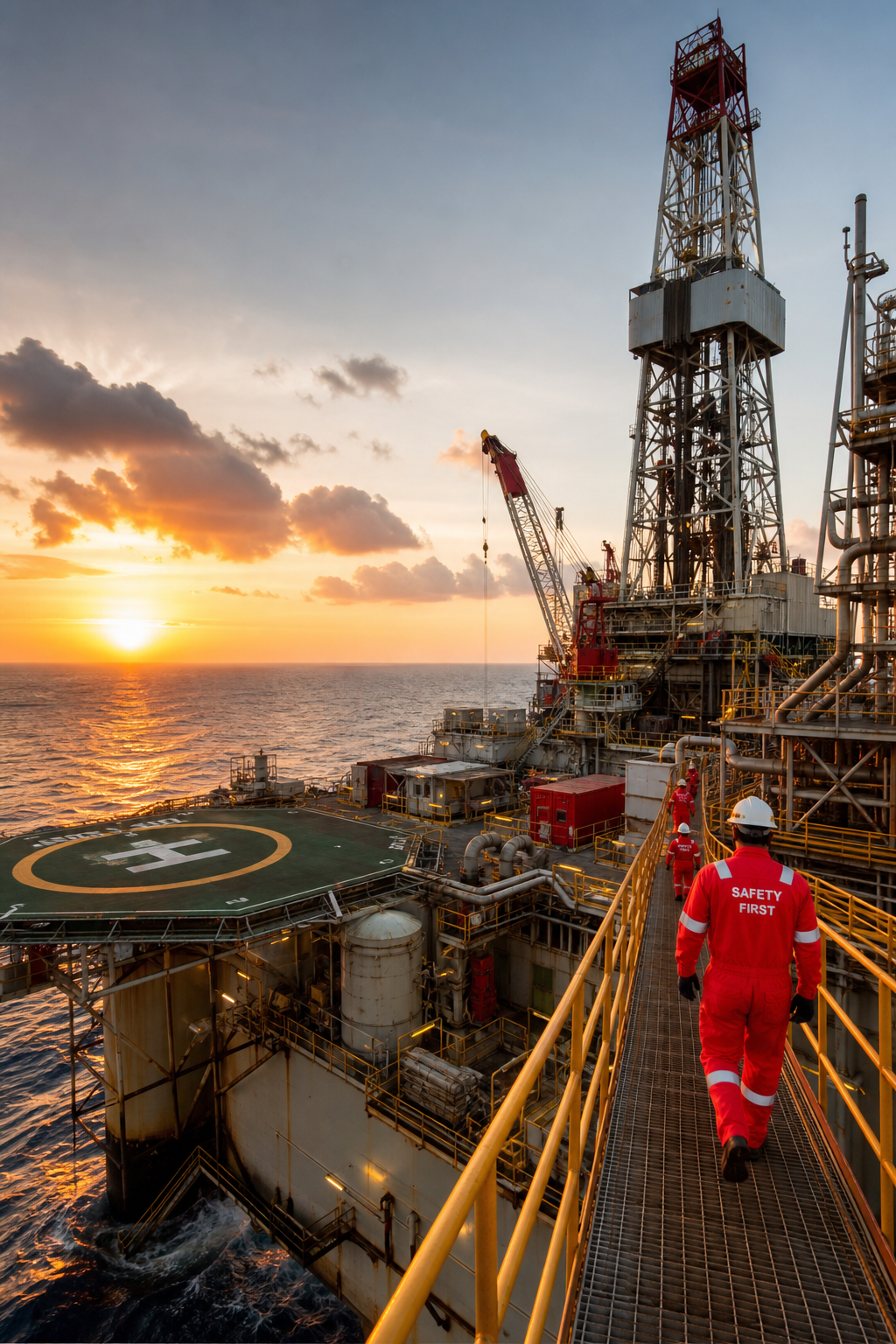
Oil rigs are massive, powerful, and full of danger. One slip can turn a routine day into a disaster that hurts workers, harms marine life, and costs millions. This guide breaks down why oil rig accidents happen, the kinds of incidents you might see, the damage they cause, the legal fallout, and what crews can do to stay safe.
By the end you’ll see the main causes, recognize the warning signs, understand the human and ecological toll, and have a clear set of steps that rig managers and workers can follow to prevent the next accident.
What Causes Oil Rig Accidents?
Accidents on offshore platforms rarely come from a single mistake. They are the result of many interacting factors that line up at the wrong moment. Below is a quick snapshot of the six most common causes, taken from industry safety analyses.
Equipment failure tops the list because a broken pump or a cracked pipe can release high‑pressure fluids in seconds. Human error follows closely , a tired worker who forgets a lock‑out step can cause a blowout. Bad weather adds a wild card; even a well‑maintained rig can be tossed by a sudden gale. Communication gaps often hide until it’s too late, especially when crews rely on a single radio channel.
Training gaps are a silent driver. New hires who haven’t practiced emergency drills may panic when a fire alarm sounds. Finally, slipping on regulations invites penalties and, more importantly, leaves safety nets undone. The good news is each cause has a clear mitigation path.
Because equipment, people, and the environment all interact, a strong safety culture must address each cause together. When one link in the chain breaks, the whole system is at risk.
Common Types of Oil Rig Accidents
Knowing the shape of the problem helps you spot it early. The industry tracks several accident families, each with its own warning signs and typical outcomes.
- Blowouts, uncontrolled release of oil or gas due to pressure control failure.
- Fires and explosions, often start with a gas leak that meets an ignition source.
- Falls, workers slipping from the helipad, catwalks, or drilling platforms.
- Equipment‑related injuries, crushing, struck‑by, or amputations from moving machinery.
- Transportation incidents, vehicle collisions on the rig site or during offshore transfers.
- Environmental releases, oil spills that happen when containment fails.
Each type shares a few common threads: high pressure, heavy machinery, and limited escape routes. For example, a blowout can quickly turn a routine drilling operation into a firestorm if the well control system doesn’t seal fast enough. The 2010 Deepwater Horizon disaster showed how a single gas leak can cascade into a massive offshore fire, a scenario that still haunts crews today.
Falls are less dramatic but far more frequent. The narrow walkways on a rig mean a misstep can drop a worker several meters to the sea or a concrete deck. Equipment injuries, such as a stuck drill pipe, often happen when maintenance is skipped , a clear sign that a preventive program is lagging.
Transportation accidents usually involve the rig’s internal trucks or the small boats that ferry crew to and from the platform. Poor lighting, rough seas, or inadequate training can turn a routine ride into a collision.
Environmental releases are the visible face of an accident. When a valve fails, oil can spill into the water, spreading quickly and harming wildlife. Even small leaks can trigger costly cleanup orders.
Understanding these categories lets managers set specific safety checkpoints. For blowouts, the focus is on the well‑control stack and blowout preventers. For fires, it’s about flame‑resistant clothing, fire‑extinguishing systems, and regular drills. For falls, guardrails and uses become the priority. The right equipment, training, and monitoring can stop a small slip from becoming a headline‑making disaster.
The Human and Environmental Impact
When an oil rig accident occurs, the damage spreads far beyond the metal structure. Workers can suffer burns, fractures, or lost limbs, while marine life faces oil coating, toxic exposure, and habitat loss.
According to the U.S. National Oceanic and Atmospheric Administration, oil spills coat bird feathers, strip sea‑otter fur, and poison fish eggs, leading to long‑term population declines ( NOAA oil‑spill overview).
Human injuries are stark as well. The CDC reports that from 2015 to 2022, oil‑ and gas‑extraction workers logged over 2,100 severe injuries, many involving amputations or hospital stays ( CDC severe injury data). Those numbers show the physical toll on a workforce already dealing with fatigue and remote locations.
Economic fallout follows. A spill can shut down a platform for weeks, costing operators millions in lost production. Local fishing communities lose income as contaminated waters force closures. The Deepwater Horizon event, for instance, cost the Gulf region billions in lost tourism and fisheries.
Psychologically, survivors often carry PTSD, especially when a fire or explosion erupts without warning. The stress can linger for years, affecting families and crew morale.
Cleanup is complex. Booms, skimmers, and chemical dispersants are deployed, but none can remove every drop of oil. Even after the visible slick disappears, oil can remain in sediments for decades, continuing to leach toxins into the food chain.
Because the impact touches workers, wildlife, and local economies, a complete response plan must address health care, environmental remediation, and financial restitution all at once.
These figures remind us that safety isn’t a box to check , it’s a daily practice that protects lives, ecosystems, and livelihoods.
Legal and Financial Consequences
When an accident happens, the legal fallout can be as heavy as the physical damage. Workers may be covered by workers’ compensation, but many also qualify for broader maritime claims.
If a crew member spends at least 30 % of their time on a vessel in navigable waters, they are considered a “seaman” under the Jones Act. That status lets them sue the employer for negligence, beyond the usual workers’ comp benefits. The Spence Law Firm notes that seamen can claim medical costs, lost wages, and pain‑and‑suffering if the employer failed to provide a safe environment.
Even if the Jones Act doesn’t apply, state workers’ comp statutes often cover offshore injuries. However, workers‑comp limits recovery to medical bills and a portion of lost earnings. To capture full damages, including future care costs and emotional distress, a personal injury lawsuit may be necessary.
Liability can spread across multiple parties: the rig operator, equipment manufacturers, subcontractors, and even the vessel’s captain. Determining fault requires thorough documentation, maintenance logs, safety meeting minutes, and video recordings of the incident.
Financial penalties can be massive. The Deepwater Horizon settlement alone reached $20.8 billion, covering civil, criminal, and natural‑resource damages ( NOAA settlement breakdown). Those funds funded restoration projects, research, and compensation to affected businesses.
For an injured worker, the first step is to preserve evidence. Take photographs, keep personal medical records, and note who was on duty. Then, contact a specialized oil‑rig accident attorney, like the Oil Rig Accident Lawyer Guide, to evaluate the claim and avoid missing filing deadlines.
Companies also face indirect costs: higher insurance premiums, lost productivity while investigations run, and damage to brand reputation. A well‑documented safety program can lower these hidden expenses.
Prevention and Safety Measures
Preventing an oil rig accident starts with a mindset that puts safety before production. The industry has built a set of best practices that, when followed, cut injury rates dramatically.
First, every crew member must complete a mandatory safety orientation, such as the IADC RigPass, before stepping on the platform. This onboarding covers basic hazard recognition, emergency procedures, and the location of fire‑fighting equipment.
Second, continuous training keeps skills sharp. Weekly safety talks, hands‑on drills, and scenario‑based simulations help workers react correctly when a gas leak or fire erupts.
Third, personal protective equipment (PPE) is non‑negotiable. Hard hats, steel‑toe boots, flame‑resistant coveralls, and eye protection must be worn at all times. If a worker is missing any piece of gear, they should be turned away from the work area.
Fourth, equipment integrity is vital. Blowout preventers (BOPs) serve as the second line of defense against uncontrolled releases. After installation, BOPs undergo pressure testing to verify they seal properly ( OSHA on BOP testing). Regular inspections of the kill and choke lines keep the system ready for a kick.
Fifth, a mechanical‑integrity program that follows the BSEE SEMS II standard (30 CFR 250.1916) ensures that all valves, pumps, and rotating equipment are inspected, tested, and replaced on schedule.
Sixth, clear communication protocols prevent misunderstandings. Use standardized radio language, repeat‑back confirmations, and maintain a log of all critical commands.
Seventh, fatigue management reduces human error. Rotate shifts, enforce rest periods, and monitor crew alertness with simple check‑ins.
Eighth, strong emergency response plans must be rehearsed. All crew should know the location of lifeboats, the operation of fire‑suppression systems, and the steps for a rapid evacuation.
Finally, leadership must model safety. When supervisors consistently follow procedures and reward hazard reporting, workers feel helped to speak up.
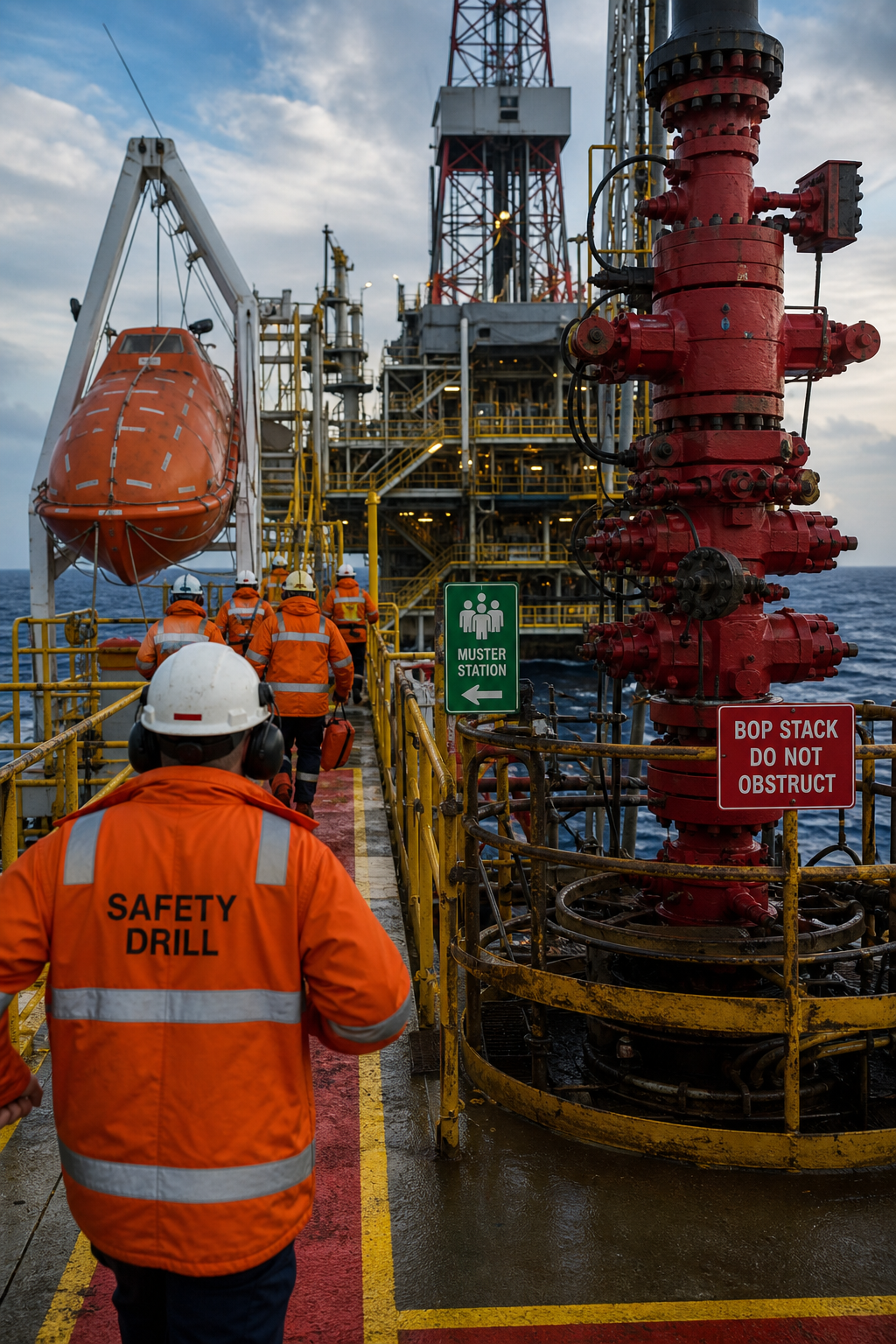
Putting these steps together creates a layered defense. When one barrier fails, another steps in to stop the accident from spreading.
FAQ
What should I do immediately after an oil rig accident?
First, ensure your own safety, move to a safe zone and don any required PPE. Then, alert the on‑site emergency response team using the designated radio channel. Document the scene with photos and note who was present. Report the incident to the rig manager and start the official incident‑report form. Finally, seek medical evaluation even if you feel fine, because some injuries manifest later.
How does a blowout preventer (BOP) stop a well‑control incident?
A BOP sits on top of the wellhead and has two main valve types: annular and ram. The annular valve seals around the drill pipe, while ram‑type blocks seal the bore directly. If pressure spikes, the control system activates the BOP, closing the valves and shutting off fluid flow. Regular pressure testing, as required by OSHA, confirms the BOP will operate when needed.
Are offshore workers covered by workers’ compensation?
Yes, most offshore employees are eligible for workers’ compensation benefits, which cover medical costs and a portion of lost wages. However, if you qualify as a seaman under the Jones Act, you can also file a negligence lawsuit to recover full damages, including pain‑and‑suffering and future care expenses.
What are the most common injuries on an oil rig?
Data from the CDC shows severe injuries often involve amputations, crushing injuries, and hospitalizations from falls or equipment contact. Upper‑extremity injuries account for nearly 43 % of severe cases. The leading causes are inadequate training, equipment failures, and fatigue‑related mistakes.
How can a rig reduce the risk of fire?
Fire risk drops when you keep flammable materials stored away from ignition sources, maintain functional fire‑suppression systems, and conduct regular fire drills. Installing flame‑resistant clothing and ensuring all electrical equipment meets marine‑grade standards also help prevent accidental sparks.
What legal options do families have if a loved one dies in an oil rig accident?
Families can pursue a wrongful‑death claim under the Jones Act or the Longshore and Harbor Workers’ Compensation Act. Those claims can recover loss of future earnings, funeral expenses, and non‑economic damages like loss of companionship. Acting quickly is essential because filing deadlines are strict, usually within one to three years depending on the jurisdiction.
Conclusion
Oil rig accidents are complex events that combine equipment, people, and nature. By understanding the root causes, equipment failure, human error, weather, communication gaps, training shortfalls, and compliance lapses, you can spot warning signs early. Knowing the common accident types helps you match the right safety tools, from blowout preventers to fall‑arrest systems. The human and environmental toll is huge, with severe injuries, wildlife harm, and costly clean‑up efforts. Legal and financial consequences can reach billions, as the Deepwater Horizon case showed.
Prevention is a layered effort: thorough onboarding, continuous training, strict PPE use, regular BOP testing, fatigue management, and a culture where every crew member feels safe to report hazards. When those practices become routine, the chance of a catastrophic oil rig accident drops dramatically.
If you want to dig deeper into offshore safety or explore a full checklist for rig operators, for more detailed resources and next‑step recommendations.