
Maritime Lien Explained: A Complete Guide
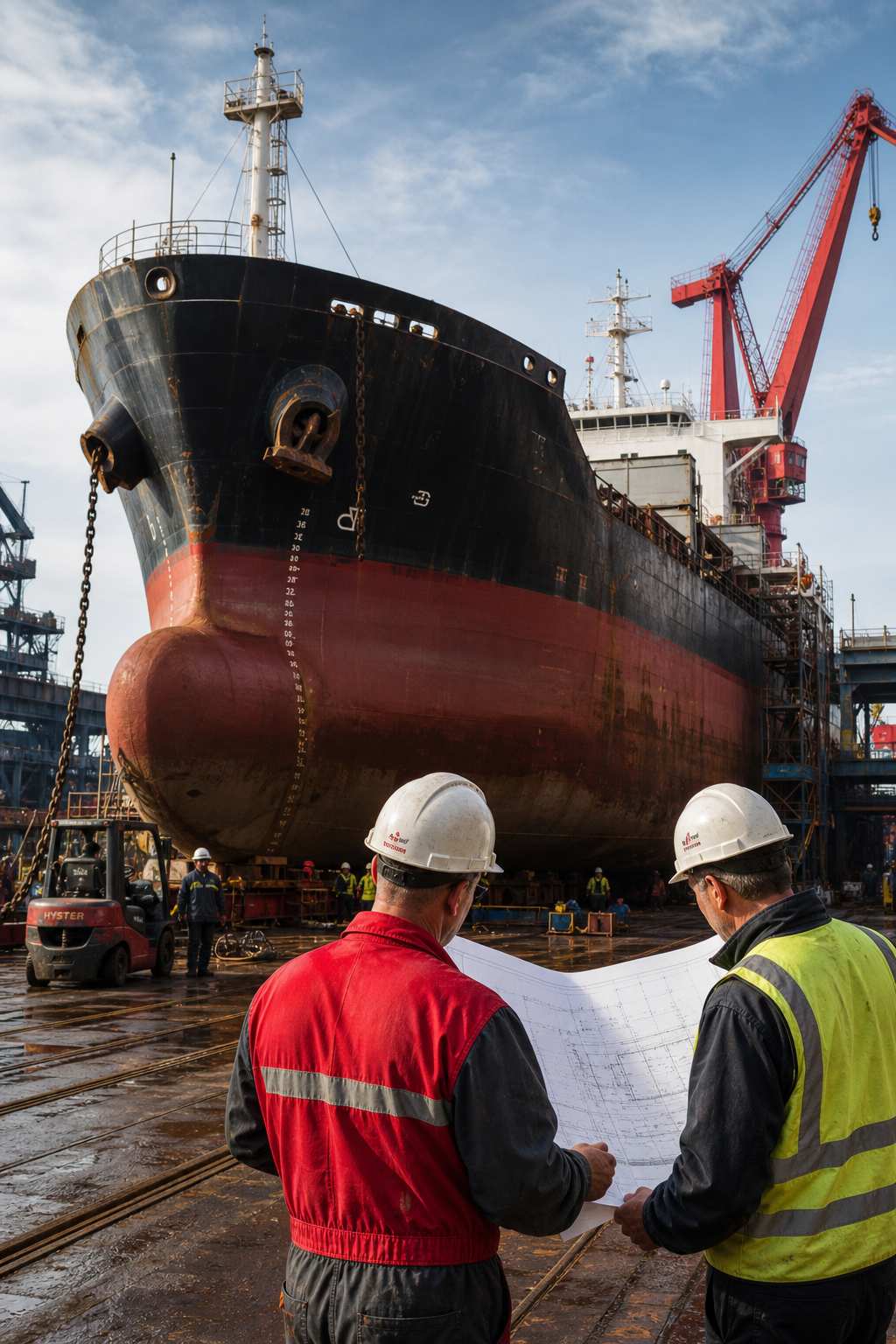
Ever wonder why a ship can be seized even when the owner isn’t directly at fault? That’s the power of a maritime lien. It lets a creditor lock onto the vessel itself, not the person who runs it. In this guide you’ll get the full picture: what a maritime lien means, where it came from, the different kinds that exist, how they are made and enforced, and how you can protect yourself or your business from unexpected claims.
We’ll walk through real court cases, show you the priority ladder that decides who gets paid first, and give you usable steps to file, perfect, or contest a lien. By the end you’ll feel ready to handle any lien issue that pops up on the high seas or in port.
What Is a Maritime Lien? Definition and Key Elements
A maritime lien is a privileged claim that sticks to a vessel by operation of law. It doesn’t need a written contract or a recorded filing; the claim appears the moment the qualifying event occurs. The lien follows the ship wherever it goes, even if ownership changes. In simple terms, if someone provides a service or suffers a loss because of the vessel, they can claim a lien that gives them the right to force a sale or arrest of the ship until they’re paid.
Key elements include:
- In rem nature, the claim is against the vessel itself, not the owner personally.
- Automatic attachment, the lien arises by law as soon as the underlying event happens (e.g., a repair is performed, crew wages go unpaid).
- Priority ranking, not all liens are equal; some sit higher on the payment ladder.
- Enforcement venue, only federal admiralty courts can enforce a maritime lien in the United States.
Because the vessel is treated as a separate legal person, a lien can survive a sale. That means a new owner might inherit the claim without ever knowing it existed. This is why lenders and buyers always check the vessel’s abstract of title, even though a lien may not appear on that document.
According to Wikipedia’s overview of maritime law, a lien is one of the few non‑possessory rights that can be enforced against a moving object. It’s a “silent” interest , you don’t see it on the paperwork, but the courts can still act on it.
Imagine a shipyard finishes a repair but the owner walks away without paying. The shipyard can later arrest the vessel in any port, demand a bond, or push for a sale to recover the debt. That power comes from the lien’s legal basis, not from any recorded security interest.
Historical Development of Maritime Liens
Maritime liens have roots that stretch back to ancient law codes. The Rhodian law, for example, recognized a right to retain a vessel for unpaid freight. Over the centuries, European coastal cities like Trani and Amalfi codified similar rules to protect local merchants.
In England, the Rolls of Oléron , a set of admiralty statutes from the 12th century , formalized the idea that a ship could be held liable for services rendered to it. Those early rules survived the Norman conquest and became part of the common law system that later shaped U.S. admiralty law.
The United States adopted maritime lien concepts through early Supreme Court decisions and statutes. The Federal Maritime Lien Act of 1910 expanded the scope to include “necessaries” , supplies, fuel, repairs , regardless of where they were provided. That act made the U.S. one of the few nations to recognize liens for essential services supplied abroad.
Steamship Mutual notes that U.S. law now offers a broader array of maritime liens than most other countries, making it a favored jurisdiction for enforcement (Steamship Mutual, 2016). The development of the Ship Mortgage Act and the later Commercial Instruments and Maritime Liens Act (CIMLA) added a statutory layer that clarifies how preferred mortgages interact with existing liens.
Those historical shifts matter because they explain why today’s liens can arise from both old common‑law torts (like collisions) and newer statutory claims (like bunker fuel supplied under the “necessaries” rule). Understanding that lineage helps you predict which claims might generate a lien in a modern dispute.
Types of Maritime Liens and Their Scope
Not every claim gets the same lien treatment. The law splits maritime liens into several categories, each with its own priority and scope. Below is a quick guide to the most common types.
The priority ladder matters when a vessel is sold at auction. Court costs sit at the very top, followed by marshal fees, then preferred maritime liens, then crew wages, and finally general creditors. If the sale doesn’t raise enough cash, lower‑ranked claimants may receive nothing.
One tricky area is the “in‑rem” versus “in‑personam” distinction. A maritime lien is an in‑rem claim , it attacks the vessel itself. A regular contract claim is in‑personam , it goes after the owner’s personal assets. That difference gives liens a unique use: the vessel can be stopped even if the owner has deep pockets elsewhere.
Another nuance is that most maritime liens do not require public notice or possession. The only lien that is typically recorded is a preferred ship mortgage. All the others are “silent” and exist purely by legal principle.
How Maritime Liens Are Created and Enforced
Creating a lien starts with an event that the law says triggers a claim. Common triggers include:
- Providing necessary supplies (fuel, provisions) , “necessaries”.
- Performing repair work on the hull or machinery.
- Failing to pay crew wages or benefits.
- Salvaging a distressed vessel or cargo.
- Incurred damages from a collision or pollution incident.
When one of those events occurs, the lien attaches automatically. The claimant does not need to file a document, but they often file a “notice of lien” with the National Vessel Documentation Center (NVDC) to put the claim on the public record. Filing isn’t required for perfection, but it alerts future buyers.
Enforcement is a two‑step process. First, the creditor files an in‑rem action in a federal district court. The court then issues a warrant for vessel arrest. A U.S. marshal (or similar officer) physically detains the ship, preventing it from leaving port. The owner can either pay the debt, post a security bond, or challenge the lien in court.
The statutory framework lives in Title 46 of the United States Code. Section 31301 defines “preferred maritime lien” and outlines the filing requirements (U.S. Code, 46 CFR 31301). Those definitions drive the court’s analysis of who gets paid first.
After arrest, the court may order a sale of the vessel. Proceeds go to pay the highest‑ranking liens first. If the sale covers the lien, the claim is satisfied and the ship is released. If not, the creditor can pursue any remaining balance against the owner personally, but only through a separate in‑personam action.
Remember, the lien stays attached even if the vessel is re‑flagged or chartered to a new operator. That makes maritime liens a powerful tool for suppliers who need assurance that they’ll get paid, no matter where the ship sails.
Common Disputes Involving Maritime Liens
Because liens sit on the vessel, they can create friction between shipowners, cargo owners, and service providers. One frequent clash is over cargo liens. A shipowner may claim a lien on cargo for unpaid freight, even though the cargo belongs to a third‑party consignee. That can trap the cargo in a legal limbo.
Charter parties often contain lien clauses that extend the carrier’s right to hold any cargo in its possession until all freight, demurrage, and related charges are settled. If the clause isn’t properly incorporated into the bill of lading, a court might refuse to enforce it against the third‑party cargo owner.
Another hot‑button issue is “freight prepaid” markings on bills of lading. Some consignees argue that a prepaid label creates an estoppel, barring the carrier from asserting a lien. Yet courts have sometimes allowed the lien to proceed if the carrier still holds the original bill of lading, as seen in the recentThe Lord Hassancase.
Disputes also arise when multiple lienholders compete for limited sale proceeds. The “inverse order rule” means later‑filed liens within the same class outrank earlier ones, which can feel counter‑intuitive. Courts may adjust the order if equity demands it, especially when a ship’s continued operation depends on a particular creditor’s services.
"A maritime lien can attach to a vessel even when the owner is unaware, making it a hidden risk for anyone buying or financing a ship."
These conflicts often end in settlement before a vessel is actually arrested, because the costs of a full admiralty proceeding can be steep. Still, understanding the underlying rights helps parties negotiate smarter contracts and avoid costly surprises.
Protecting and Perfecting Your Maritime Lien
If you’re a creditor, the first step is to verify that the event you rely on actually creates a lien under U.S. law. Not every contract‑based claim does , most liens arise by operation of law, not by agreement.
Next, consider filing a notice of lien with the NVDC. While not required for perfection, the notice puts the claim on the vessel’s abstract of title, giving future buyers a heads‑up. The notice must include the claimant’s name, the amount owed, and a description of the services rendered.
Lenders often secure a “preferred ship mortgage” to sit above other liens. To perfect that mortgage, the lender must be the record owner of the vessel and must file the mortgage under the CIMLA provisions. Once filed, the mortgage gains “preferred” status and outranks most other maritime liens, including those for necessaries.
However, lease‑type arrangements (bareboat charters) present a snag. The lessee may own the vessel in name but cannot file a preferred mortgage because the law requires the record owner to do so. That leaves the lessor exposed to any existing lien unless the parties obtain a waiver or subordination agreement from the lienholder , a tricky negotiation that often requires skilled legal counsel.
Finally, keep meticulous records. A well‑documented chain of invoices, delivery receipts, and communications can make the difference between a quick bond posting and a drawn‑out litigation battle.
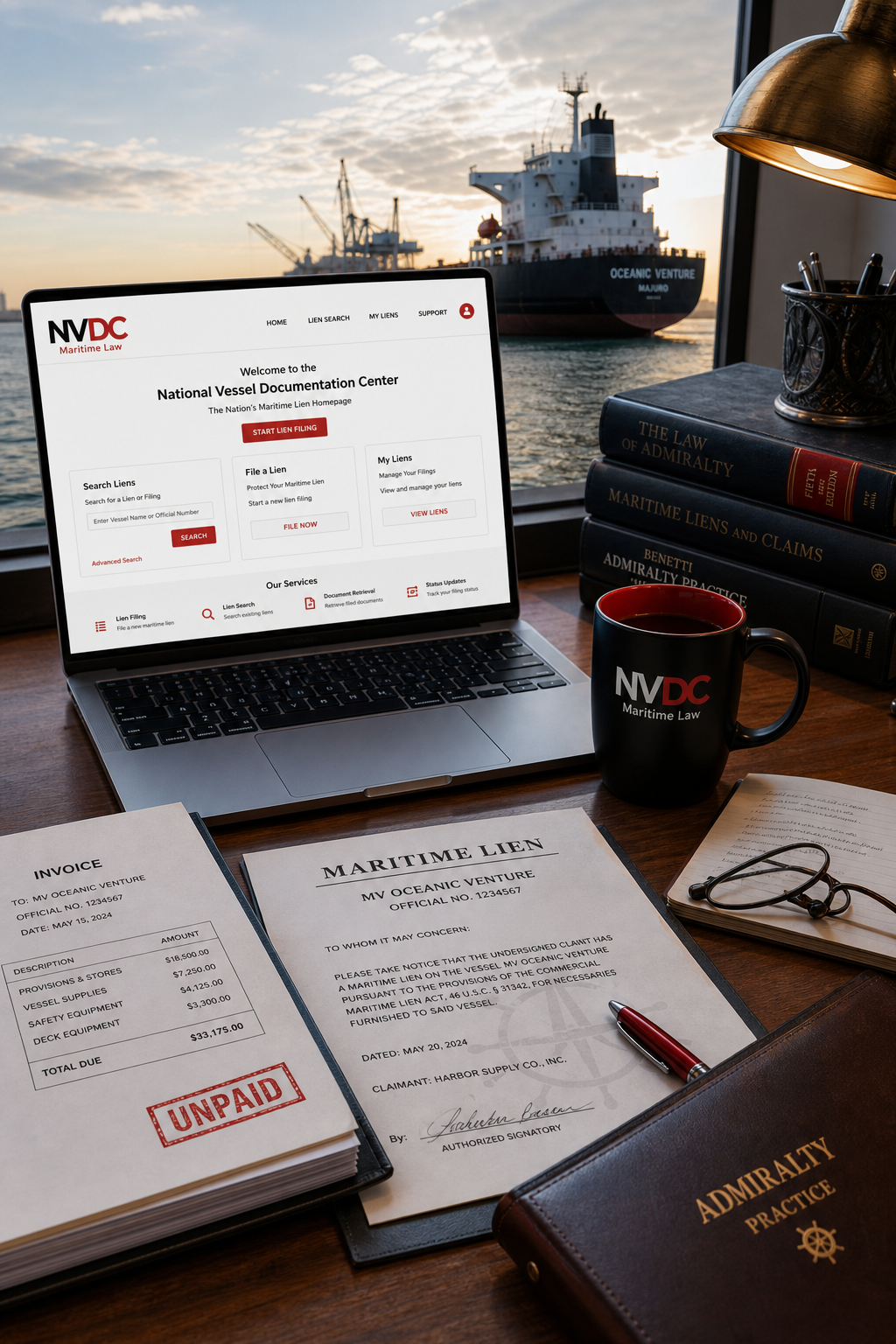
When a lien is disputed, the court will look at the timing of the underlying event, the notice (if any), and the statutory language. If you miss a filing deadline or fail to prove the claim falls within a recognized category, the lien may be dismissed.
Case Studies: Maritime Lien in Action
Case law shows how the abstract principles play out in real disputes. InWorld Imports Ltd., a carrier extended its possessory lien to cover all cargo it held for a debtor, not just the cargo tied to the unpaid freight. The Third Circuit upheld that extension, emphasizing that the parties’ contract allowed the lien to survive delivery of the original cargo and attach to any other goods still in the carrier’s possession.
Another example comes from a salvage claim against the vesselM/V Adriatic. The salvage firm performed a rescue operation after a storm and later filed a lien for a 12% award of the vessel’s estimated value. The court affirmed the lien because the salvage effort qualified as a recognized maritime service, and the award met the statutory percentage range.
On the flip side, a crew wage claim in theTramp Oil v. Adriatic Tankerscase was dismissed because the plaintiff failed to prove the wages were earned on the specific vessel named in the suit. The decision underscores the importance of tying the claim directly to the vessel that incurred the debt.
These cases illustrate two key lessons: first, the language of contracts can expand or limit lien rights; second, precise documentation linking the claim to the vessel is essential for success.
For lenders, the takeaway is clear , a preferred ship mortgage can protect your loan, but only if you follow the filing rules to the letter. For service providers, filing a timely notice of lien can turn a silent claim into a visible risk that pushes the shipowner toward settlement.
Frequently Asked Questions
What events can trigger a maritime lien?
A maritime lien can arise from several types of events that fall under admiralty jurisdiction. Common triggers include the provision of necessaries such as fuel, repairs, or towage; unpaid crew wages; successful salvage operations; general average contributions; and damages from collisions or pollution. The key factor is that the claim must relate directly to the vessel itself, not merely to the owner’s personal obligations.
Do maritime liens need to be recorded to be enforceable?
No. Unlike typical security interests, a maritime lien attaches by operation of law without any filing requirement. Creditors may choose to file a notice of lien with the National Vessel Documentation Center to put the claim on the public record, but enforcement can proceed even without that notice. The filing simply provides additional notice to prospective buyers.
How does the priority ranking of liens work?
When a vessel is arrested and sold, the proceeds are distributed according to a statutory hierarchy. Court costs and marshal fees are paid first, followed by preferred maritime liens (such as those for necessaries or certain statutory claims). Crew wage liens sit next, then salvage and general average liens, and finally ordinary creditors. The “inverse order rule” can give later‑filed liens within the same class priority over earlier ones.
Can a shipowner avoid a lien by selling the vessel?
Selling the vessel does not automatically extinguish existing maritime liens. Because the lien is an in‑rem claim, it follows the vessel regardless of ownership changes. A buyer who takes title without notice may still inherit the lien, which can be enforced against the ship after the sale.
What is the difference between a preferred ship mortgage and a regular maritime lien?
A preferred ship mortgage is a recorded security interest that, once filed, gains “preferred” status under the Commercial Instruments and Maritime Liens Act. It sits higher in the priority ladder than most other maritime liens. A regular maritime lien, by contrast, is unrecorded and generally ranks below a preferred mortgage but above ordinary creditors.
How can a creditor enforce a maritime lien?
Enforcement starts with filing an in‑rem action in a federal district court. The court can issue a warrant for vessel arrest, which a marshal will execute. The vessel may be held until the debtor posts a security bond, pays the debt, or reaches a settlement. If the vessel is sold, the proceeds go to satisfy the lien according to its priority.
Are there time limits for filing a maritime lien?
Yes. Each jurisdiction has a statute of limitations for maritime lien actions, often ranging from one to three years, depending on the nature of the claim. Failure to file within that period can result in the lien being barred by laches, which is a legal doctrine that prevents stale claims.
What role do admiralty courts play in lien disputes?
Admiralty courts have exclusive jurisdiction over in‑rem actions involving vessels. They apply maritime law, which blends statutory provisions with case law. These courts decide whether a lien exists, its priority, and the appropriate enforcement mechanisms. Their decisions can set precedents that shape future lien practice.
Conclusion
Maritime liens are a unique legal tool that lets creditors lock onto a vessel itself, bypassing the need to chase owners’ personal assets. They arise automatically from a range of services and injuries, sit on a strict priority ladder, and can be enforced through vessel arrest and sale. Knowing how liens are created, what types exist, and how to protect or perfect your own claim can mean the difference between a smooth transaction and a costly legal battle.
If you’re handling a shipping deal, a financing arrangement, or a supply contract, make lien awareness part of your due‑diligence checklist. Check the vessel’s abstract, consider filing a notice of lien, and, if you’re a lender, look into a preferred ship mortgage to stay on top of the priority order.
Need more help untangling maritime law? Our Admiralty Lawyer Guide walks you through the steps to protect your interests and choose the right legal partner.