Free Legal Advice for Maritime Law Cases: How to Get Help
Maritime law claims can turn on where an incident happened and what kind of work or trip you were on. Free legal advice for maritime law cases is available through some consultations and aid programs, but each has limits. Start by sorting the incident, then check deadlines and find a resource that fits your case.
Step 1: Identify Your Maritime Incident and Where It Happened
Write down what happened, who was involved, and the place where it occurred. Maritime law, also called admiralty law, covers legal issues tied to ships, shipping, navigation, and other activity on navigable waters. That can include rivers and canals, not only the open sea. Admiralty law’s scope varies with the claim and the waterway involved.
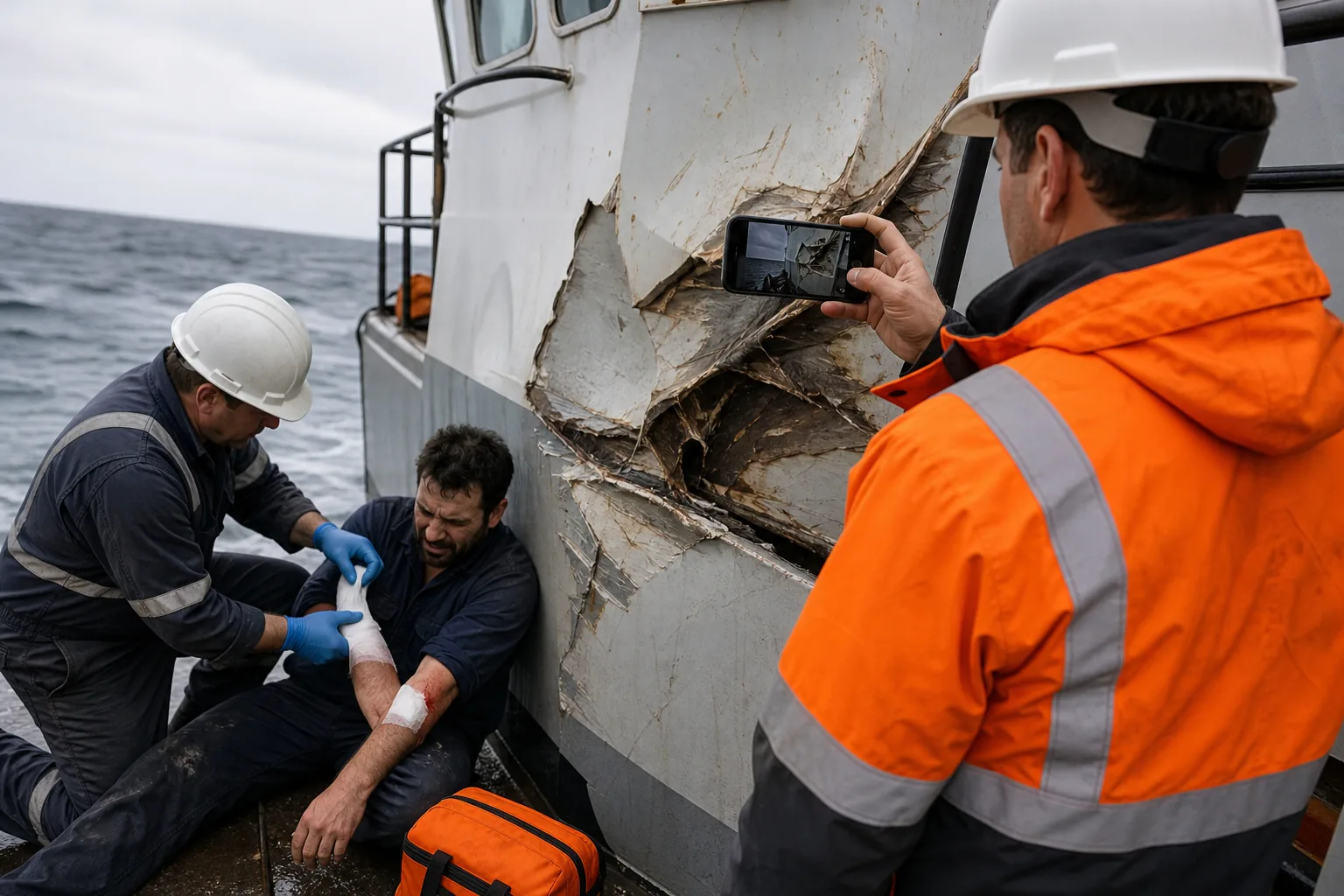
Common matters include cruise passenger injuries, crew injuries, recreational boating crashes, fishing accidents, cargo damage, and offshore incidents. A slip on a ferry may raise different questions from a deckhand hurt while working. Small businesses may also need help with vessel contracts, charter arrangements, or a dispute tied to maritime work.
Make a short incident record while details are fresh. Note the date, the vessel or site, your role, and the people who saw what happened. Save the ticket or work papers if you have them. Photos, medical records, and written incident reports may help a lawyer understand the facts.
U.S. maritime cases can fall under federal law, though many claims may be heard in state or federal court. The right court and rules can depend on the remedy and the facts. For a plain-language overview of maritime accident types, use this site’s accident guide as a first sorting tool.
Step 2: Check Your Rights, Deadlines, and Potential Claim
Ask what law may apply before you assume a regular injury claim process covers you. A qualifying seaman injured while working may have rights under the Jones Act, including a claim against an employer for negligence. Seamen may also have separate rights to maintenance and cure, which can cover basic living costs and medical care during recovery, regardless of fault.
Jones Act status depends on a worker’s connection to a vessel and job duties. A person who works near the water may fall under a different law. Passengers generally don’t bring Jones Act claims. Their claims may instead turn on general maritime law and the terms of a ticket or contract. The Jones Act includes provisions that address seamen’s injury claims.
Deadlines need an early check. Some cruise ticket terms set short notice or filing periods, and the relevant deadline depends on the claim and governing law. Don’t rely on a general time limit or an online summary. Save the ticket and any notice from an employer, insurer, or vessel operator, then ask a maritime lawyer to review them.
Fault can affect the amount a person may recover. In Jones Act cases, comparative fault can reduce damages by the worker’s share of responsibility rather than automatically barring a claim. That doesn’t mean you should decide your share yourself. Write down the facts, including anything that might seem unfavorable, and let counsel assess them.
Report an injury promptly and keep following medical advice. If symptoms worsen after the first report, document the change and tell the relevant employer or claims contact in writing where possible. A dated record helps avoid gaps when a lawyer later checks how the injury developed.
Step 3: Find a Free or No-Obligation Maritime Law Consultation
Start with a lawyer who handles the type of matter you have, then confirm what “free” covers. A no-obligation consultation may help you understand whether the facts fit a claim and what steps to consider. It doesn’t always mean ongoing legal work will be free. Ask about fees before you agree to representation.
Three different kinds of maritime help illustrate why the details matter. The International Cruise Victim Lawyers Association® is a private pro bono initiative for cruise ship victims and crew members worldwide. It provides a free initial phone consultation for information and referrals, but representation may not be free. Its role may help you find a direction, rather than take over the full case.
The AMO Coast Guard Legal Aid Program serves licensed officers represented by AMO who meet its work requirement. Eligibility calls for at least 30 consecutive work days within a six-month period for an AMO-contracted employer contributing to the Safety and Education Plan. Its listed assistance includes employment-related matters such as wage protection and reimbursement of fines up to $1,000. The program’s representation is limited to employment matters and excludes fraud or license-revocation cases. Check its eligibility and legal-aid details before relying on it.
The Maritime Law Center is a law school clinic for disadvantaged clients, offering representation in legislative and administrative processes of government. Its scope may not match a personal injury claim. The Center’s program information is a starting point for checking fit and asking how to reach the right clinic contact.
These resources aren’t interchangeable. Check who qualifies, which issues they handle, and whether they provide information, referrals, or representation. If you need a private lawyer, maritimeattorney.ai has maritime-law resources to help you frame your questions before seeking a consultation.

Step 4: Prepare for the Consultation and Ask How the Lawyer Can Help
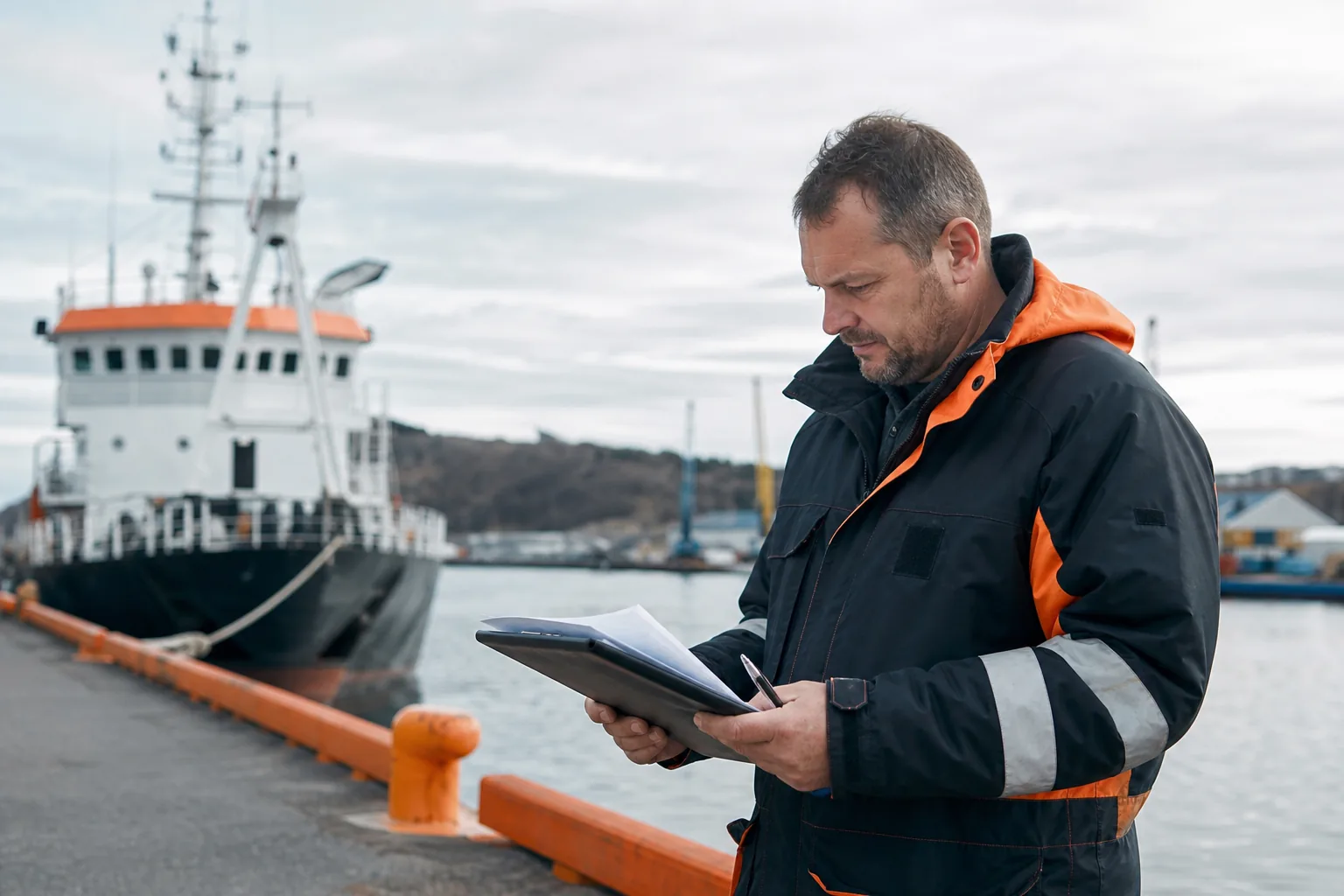
Bring a clear timeline, even if some dates are estimates. A short list is enough to start: when and where the incident happened, what task or activity was underway, and what changed afterward. Add the vessel name if you know it. Mention whether the event happened in U.S. waters, abroad, or during offshore work.
Gather the papers you already have. These may include an incident report, medical records, a cruise ticket, employment records, letters from an insurer, or photos. Don’t delay a consultation just because your file is incomplete. Tell the lawyer what you have and what you’re still trying to get.
Ask direct questions. Does the lawyer handle this kind of maritime case? What facts will matter most to assess it? Are there notice dates or filing limits you should act on now? Who pays costs, and how are fees set if you choose to hire the firm? Ask for clear terms in writing before you sign.
A maritime attorney may assess the claim, explain legal options, seek records, negotiate with an insurer or employer, and bring a case to court if needed. The first meeting should clarify what the lawyer can do for your issue, not promise a result. If there’s a dispute over a cruise ticket’s venue or deadline terms, ask the lawyer to review the exact contract.
If you’re contacting more than one lawyer, use the same core facts and questions with each. That makes it easier to compare the advice and fee terms. For guidance on organizing a case review, maritimeattorney.ai also has resources on maritime legal help and cost planning.
Step 5: Choose the Right Next Step for Your Claim or Maritime Business
Choose your next move based on the kind of help you need. An injured seaman may need an attorney to assess Jones Act rights and maintenance and cure. A cruise passenger may need a prompt review of ticket terms. A crew member who meets AMO’s rules can check whether its program covers the work-related issue.
If you run a marina, charter operation, or other maritime business, state the business problem plainly. It may involve a contract, a vessel transaction, or a dispute about operations. A lawyer who handles commercial maritime work can tell you whether the issue calls for advice, contract review, negotiation, or litigation. Don’t assume an injury clinic or referral group handles business matters.
Before you commit, ask for the scope of the work and fee terms in writing. Confirm who will handle the matter and what records they need next. If a program only gives information or referrals, ask what kind of lawyer or clinic should handle the next stage.
Use maritimeattorney.ai’s site as a resource for understanding maritime issues and preparing questions. It isn’t a substitute for advice from a lawyer who has reviewed your documents and circumstances. The aim of the first conversation is a clear next step, not a final answer to every legal question.
FAQ
Can I get free legal advice for a maritime injury?
Yes, you may be able to get an initial consultation or qualify for a legal-aid program. Free help can mean an initial discussion, information, or referrals rather than full representation. Ask what the service covers, whether you qualify, and what fees could apply if you hire a lawyer afterward.
What does a maritime lawyer handle?
A maritime lawyer handles legal matters tied to vessels and activity on navigable waters. Cases may involve injured crew, cruise passengers, recreational boaters, fishermen, cargo, or offshore work. Some maritime lawyers also advise businesses on contracts or vessel-related disputes. Ask about experience with the issue and location involved in your matter.
Does the Jones Act cover every injured maritime worker?
No. The Jones Act applies to qualifying seamen, and a worker’s duties and connection to a vessel matter. Other maritime workers may fall under different laws. A lawyer can assess your job, vessel work, and injury facts to help identify the rules that may apply.
How soon should I speak with a maritime attorney?
Speak with one as soon as you can, especially if you were injured or received a notice with a deadline. Some cruise ticket terms may set shorter time limits than people expect. Keep the ticket, incident report, and any letters you received, then ask a lawyer to check the dates that apply to your claim.
What should I bring to a free consultation?
Bring a timeline and any records you already have, such as a ticket, work papers, incident report, medical notes, or photos. Add the vessel and location if you know them. You can still ask for a consultation if your file is incomplete. Tell the lawyer what is missing and ask what to gather next.
Conclusion
Free help can be a useful first step, but the right resource depends on your role and the kind of claim. Record the incident details and check any deadlines before they pass. Then contact a lawyer or aid program that fits the issue, and ask what the consultation includes before moving ahead.