
Maritime Injury Claim: Medical Expense Documentation Steps
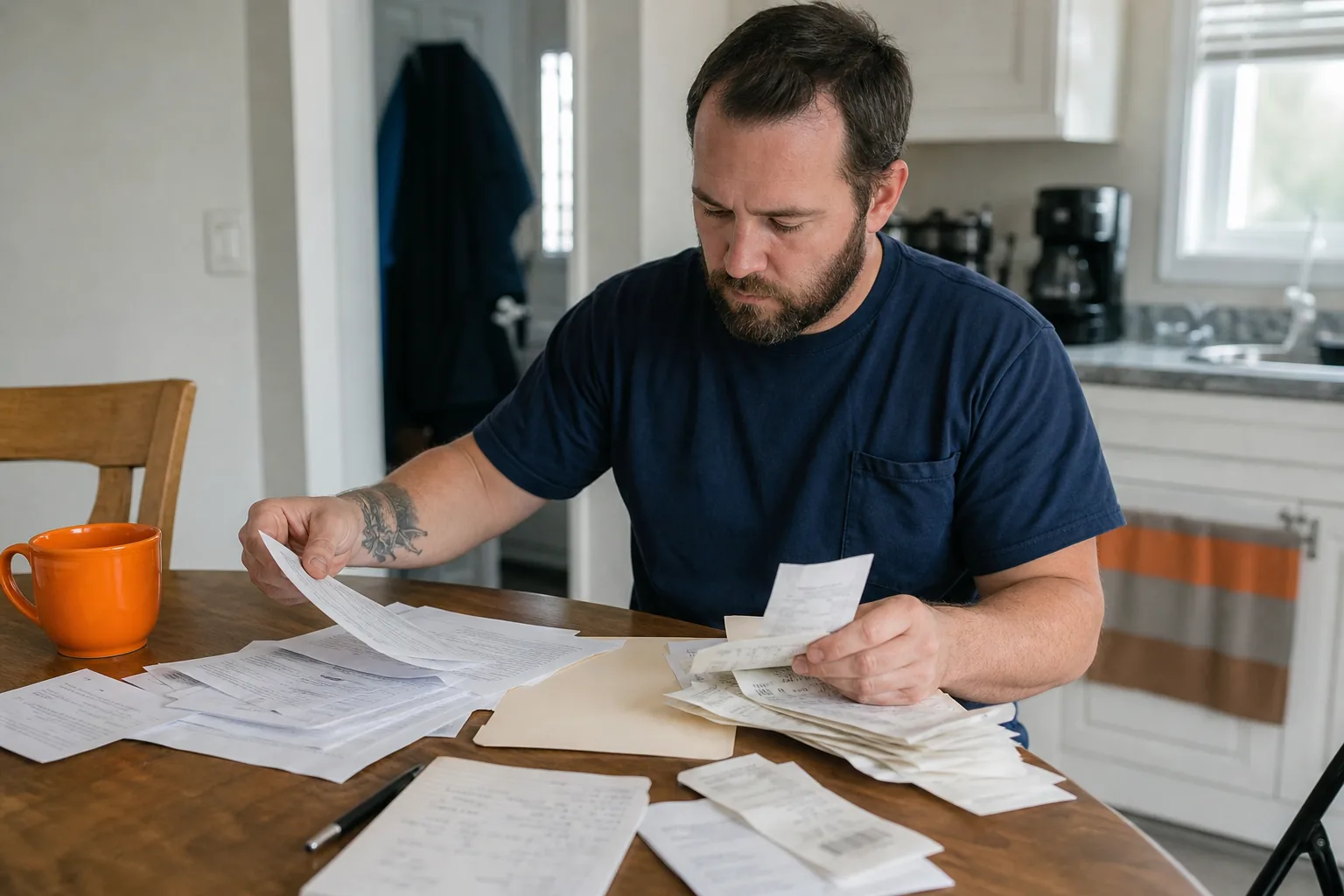
A maritime injury claim can stall when medical costs are hard to trace back to the injury. Good records connect the event, your care, and each expense, so a reviewer can follow what happened. Here’s how to build that file, including one often-overlooked piece: a written medical opinion when long-term needs or a dispute arise.
We analyzed 44 comments from Reddit and YouTube about maritime injury claim medical expenses and found that 25% mentioned a need for medical evidence.
Step 1: Get Medical Care and Establish the Initial Record
Get medical attention as soon as you can. Your health comes first, and the first visit creates a record of your symptoms and the care you needed after the event. Tell the clinician when and where the injury happened. Be clear about what hurts and what tasks you can no longer do as usual.
Describe the facts without guessing at a diagnosis. If a symptom started later, say when you first noticed it. If you don’t know an exact time or detail, say so rather than filling in the gap. A clear account helps keep later records consistent.
Ask for copies of the visit summary, diagnosis, test results, and treatment instructions. Check that the record shows the date of care and the provider’s name. If it contains a mistake, ask the provider how to request a correction or add a note. Don’t alter a medical record yourself.
Report the incident through the proper work channel and keep a copy of your report. Include the date, location, what you were doing, and any witnesses, if you know those details. Photographs or a written incident report can help put the medical timeline in context. For examples of maritime accident types, see how different events at sea may call for different evidence.
The law that applies can depend on your work and the facts of the injury. Don’t assume every maritime worker has the same claim or deadline. An experienced maritime injury attorney can help identify the relevant legal path and explain what records may support it. Keep the first visit record and incident report together, then note what you still need to request.
Step 2: Collect Bills, Receipts, and Payment Records
Build a record for each charge, even if someone else paid it or the bill is still pending. A bill shows what a provider charged; a payment record shows what you paid. Keeping both helps prevent confusion when a claim reviewer asks about a balance or reimbursement.
Ask each provider for an itemized bill when one is available. It should help you match a charge to a date of service and the care you received. Keep the provider’s name and the bill’s account reference with your copy. If a bill includes CPT or other billing codes, save them as printed. Don’t guess at or add codes yourself.
Keep these items in one folder, either on paper or in a secure digital location:
- Itemized medical bills and statements showing payments or balances.
- Receipts for prescriptions, medical supplies, or devices related to the injury.
- Records of travel or other out-of-pocket costs tied to appointments, with receipts when you have them.
- Letters or notices about a bill, benefit request, or payment decision.
Write down the service date, provider, amount charged, amount paid, and any amount still due. Add a short note if you’re waiting for an updated bill or if a charge is under review. That ledger makes it easier to spot a missing receipt before submitting a claim packet.
For shipboard care or treatment outside the country, request a copy of every record and bill from the clinic or ship’s medical staff. Keep the original document and any translation you receive. Note who provided the care and when it happened. Ask the claim handler or a lawyer what format they need before paying to translate or certify documents. Requirements can vary, so don’t assume a phone photo alone will be enough.
Medical bills are often relevant to maintenance and cure requests, but a bill by itself may not explain why the treatment relates to the injury. Keep the matching visit note beside it. That simple pairing can make a charge easier to review.
Step 3: Track Treatment, Rehabilitation, and Ongoing Costs
Keep tracking costs as care continues. A claim file should show the path from the first visit through follow-up care, not just a stack of bills with no dates or context.
After each appointment, record the date, provider, reason for the visit, and next step in treatment. Save visit summaries and instructions. If a clinician refers you for rehabilitation, keep the referral and each therapy record. Rehabilitation notes can show what treatment took place and how your function changed over time.
Use a simple log with one row per appointment or expense. For example, note that a visit took place, save the matching bill, and mark whether it’s been paid. Keep the entry factual. Write down what the clinician said about work limits or follow-up care, but don’t turn a brief conversation into a medical opinion. Ask the provider for written instructions when you need them.
If you miss a visit or change a treatment plan, make a note of the reason. A scheduling problem, travel issue, or change made on medical advice may explain a gap. Keep any messages that help show what happened. Don’t hide gaps or assume a reviewer will know why they occurred.
Maritime injury claims may involve maintenance and cure, which can relate to living costs during recovery and medical care connected to the injury. Whether it applies, what it covers, and how it interacts with other parts of a claim depend on your situation. Keep the expenses separate in your records so they can be reviewed on their own terms. This claim documentation step can also help distinguish treatment costs from other losses, such as missed earnings.
Do not stop care or change a treatment plan just to make a file look better. Follow the advice of your health care provider, and ask for clarification if a plan is hard to follow. If a payment is denied or delayed, save the notice and record the date you received it. Then match the disputed charge to its bill and the related treatment record.
By now, you should have a dated treatment timeline, with each rehabilitation visit linked to its record and cost.
Step 4: Document Medical Opinions and Potential Long-Term Needs
When an injury may need more care or affect your work in the future, ask your treating clinician to explain the outlook in writing. A diagnosis tells what condition you have. A treatment plan can explain what care is recommended. An assessment of long-term impact can address limits or future needs. These records answer different questions, so one may not replace another.
Ask the treating clinician to connect the opinion to your records and describe the basis for it. If future care is recommended, ask what type of care is expected and why. Keep the written response with the notes or test results it refers to. Don’t ask a provider to promise a result or state a conclusion they can’t support.
If there’s a dispute about your condition or what care you need, an independent medical opinion may help address the issue. That usually means a formal written opinion from a qualified medical professional, obtained promptly once a dispute arises. Avoid relying only on a P&I club’s medical network. Ask a maritime attorney how to seek an independent opinion that fits your claim.
An independent medical examination report is a separate record. Be accurate when describing what you can do. Don’t downplay a limit, but don’t exaggerate it either. The same care applies to everyday tasks: state what you can manage and where you need help. Consistent, plain answers are easier to compare with treatment notes than broad claims about your abilities.

For serious injuries, an impairment rating evaluation or written assessment of long-term impact may be relevant. Ask what the document measures and how it relates to your daily tasks or work. If a report uses terms you don’t understand, ask the clinician to explain them. Save both the report and any follow-up clarification.
Build a record that reflects your actual condition, including progress and ongoing limits. A balanced account is more useful than trying to make every day sound the same.
Step 5: Assemble and Review a Claim-Ready Documentation File
Put the records in an order that lets someone else follow the claim without having to guess. Start with a short timeline of the incident and care. Then arrange documents by date or by type, and use the same order throughout the file.
A clear file might have separate folders for incident records, medical records, bills and payment proof, prescriptions, rehabilitation, and written medical opinions. Use names that describe what’s inside, such as a date and provider name. For digital files, scan pages so the text is readable, keep a backup, and restrict access to people who need the records. For paper files, keep a copy of anything you send.
Match every bill to the related treatment record when possible. Mark each expense as paid, partly paid, or still due. If the amount changes, keep the old statement as well as the updated one. That preserves a trail of what the provider billed and when.
Before sending anything, check that the records belong to you and that the pages are complete. Look for missing dates, unreadable scans, and bills with no matching explanation. Keep a list of records you’ve requested but haven’t received. Don’t fill gaps with guesses, and don’t leave out a document just because it shows a treatment delay or an ongoing issue.
Separate copies for your own records from the set you send to an employer, insurer, or claim representative. Share only what’s requested or what your attorney advises you to provide. Medical files contain private details, so use a secure method and keep a note of when and how you sent each packet.
Medical expenses may be one part of a broader maritime injury claim. Depending on the law and facts, a claim may also involve lost wages or other damages. A lawyer can help assess how medical records support the claim and whether the relevant rules affect what can be recovered. If you need help sorting the legal questions, maritime injury claim guidance from maritimeattorney.ai may be a starting point. The site also provides information on preparing for an attorney interview.
Once the file is assembled, make a one-page index. List each section and the date range it covers. That index gives you a quick way to find a record when someone asks about a specific visit or charge.
FAQ
What medical records should I keep for a maritime injury claim?
Keep records from the first evaluation through your latest treatment. Save visit summaries, diagnoses, test results, treatment instructions, referrals, and rehabilitation notes. Keep each record with the bill for that service when possible. Also save written opinions about work limits or future care. Ask providers for copies, then check that each page is readable and dated.
How do I prove I paid a medical expense?
Keep the itemized bill and a separate record showing payment, such as a receipt or account statement. Note the date and amount paid in your expense log. If you paid part of a bill, save records that show both the payment and the remaining balance. Keep the provider’s updated statements so the full billing history stays clear.
What if I received treatment on a ship or outside the country?
The care provider can provide copies of the medical notes and bills. Save the original documents and any translations. Record the date and location of treatment, plus the provider’s name if you have it. Before submitting a claim, ask the claim handler or an attorney what document format or translation process they require.
Do I need an independent medical opinion?
You may need one if there’s a dispute about your condition, treatment, or future needs. A written opinion from a qualified medical professional can address those questions, but whether it’s useful depends on the facts. Don’t rely only on a report arranged through an interested party. Ask an experienced maritime attorney about the right next step for your situation.
Can medical expense records prove future treatment costs?
Past bills show charges for care already received. Future needs usually require written medical support, such as a treatment plan or an opinion that explains expected care and why it’s needed. Keep the opinion with the records it relies on. Don’t estimate future costs on your own and present them as a medical forecast.
Conclusion
Start with complete records, then link each expense to the care that caused it. Keep an ongoing log and ask for a written medical opinion if future needs or a dispute arise. Your next step is to gather the first visit record, incident report, and bills into one dated file. If you’re unsure what law applies, discuss the file with a maritime injury attorney.