Maritime Attorney: Free Case Review Steps

A serious injury on a ship or offshore job can leave you asking what your claim is worth before you know what happened next. A free case review with a maritime attorney can help you sort out the legal questions, but it works best when you arrive prepared. Use these steps to gather the facts, assess the lawyer’s approach, and protect your options.
Step 1: Understand the Maritime Claim You May Have
Start with the basics of your work or trip. Were you a crew member on a vessel, an offshore worker, a passenger, or someone injured near the water? Where were you when you got hurt? The answers can help an attorney work out which laws may apply.
Maritime law covers legal issues tied to work and activity on navigable waters. The Jones Act may apply to some workers who qualify as seamen. That status depends on the facts, including the worker’s connection to a vessel. A maritime injury isn’t automatically a Jones Act claim just because it happened on or near the water.
A Jones Act case may involve a claim that an employer’s negligence played a part in an injury. Other legal issues can arise too. Unseaworthiness concerns the vessel’s condition, while maintenance and cure may involve support for an injured seaman’s living and medical needs. Ask the attorney which claims might fit your situation, and what facts could affect that view.
A maritime employee injury resource can be a useful starting point for learning about employee claims. It can’t decide which legal rules apply to your case. That calls for a review of your work, vessel, injury, and location.
Write down the event in plain language before you try to name a legal claim. Include your job title, employer, vessel name, and the task you were doing. For a passenger injury, note the vessel and the place where the event occurred. You can also look over common maritime accident types to help describe what happened in clear terms.
By now, you should have a short, factual account and a few questions about which legal path may fit. Don’t worry if you don’t know the right legal terms. Explaining them is part of the review.
Step 2: Prepare Documents and Questions for the Free Case Review
A useful review begins with a clear record. Gather what you already have, but don’t delay seeking help just because a document is missing. Put papers in date order if you can. A simple folder, whether on paper or on your computer, makes it easier to answer questions without relying on memory alone.
Bring or list the following:
- Your incident report, if one was made, plus any messages about the event.
- Medical records, visit summaries, and notes about treatment that’s still needed.
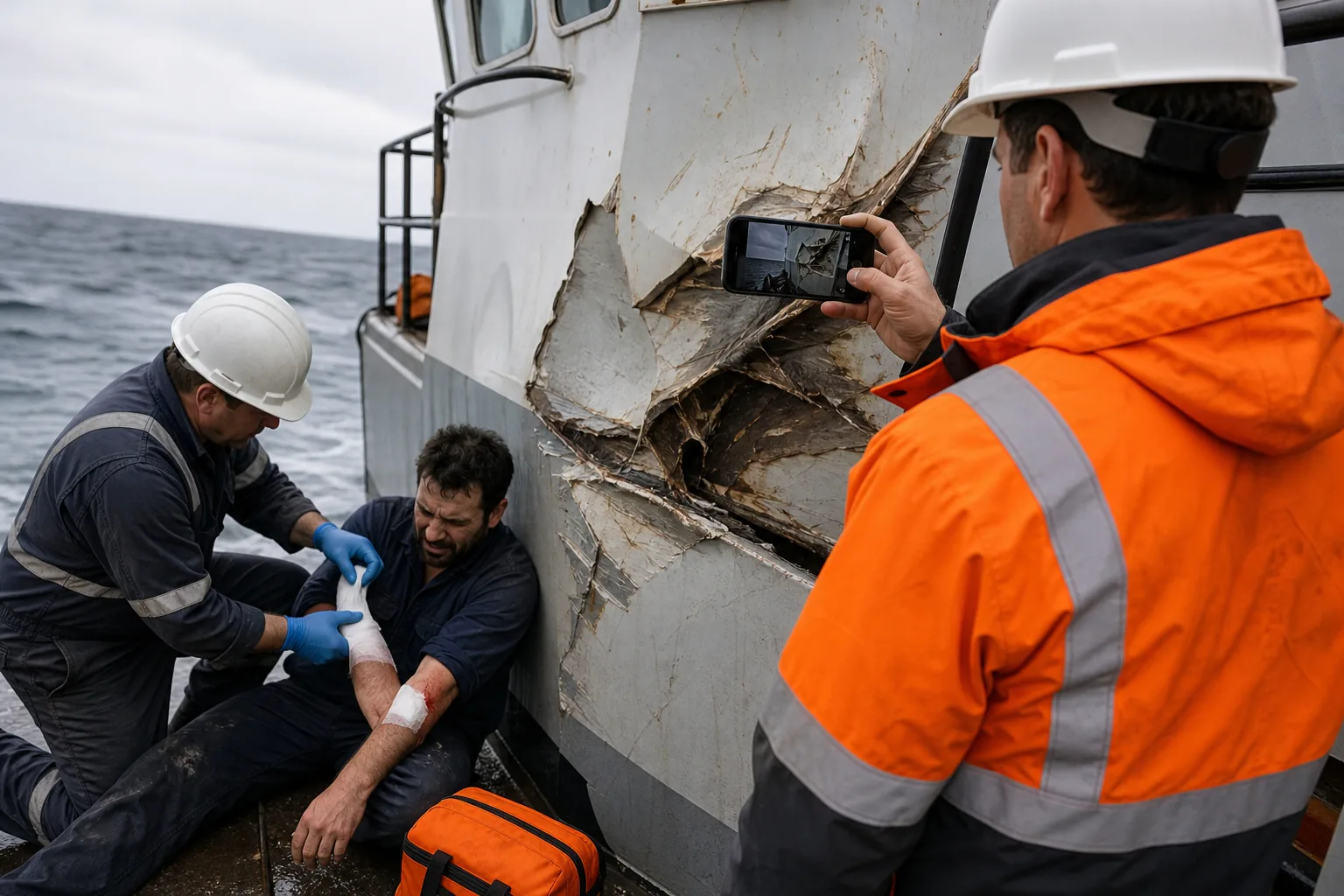
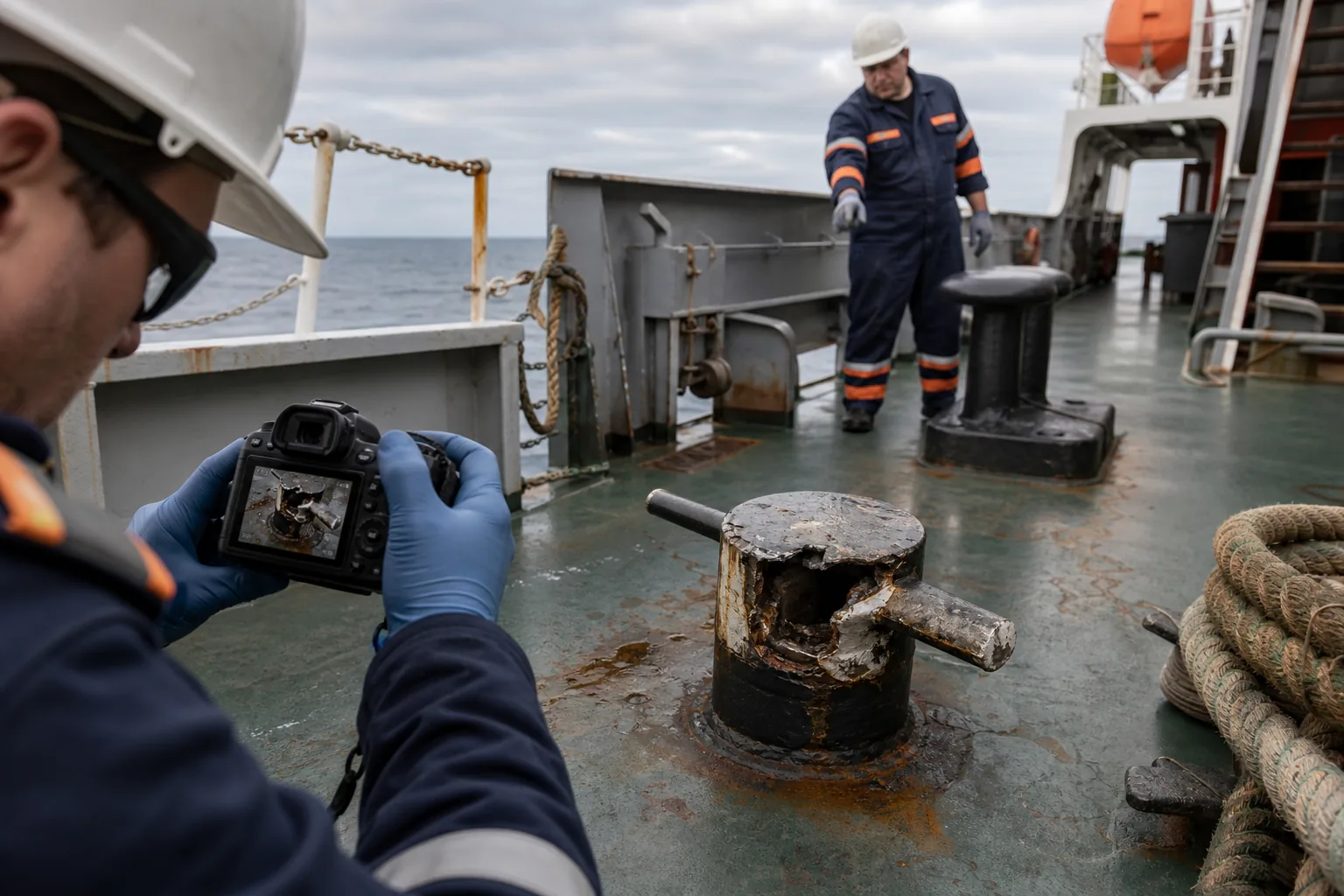
- Photos or video of the scene, equipment, vessel, or visible injuries.
- The names of witnesses and how they saw the event, if you know.
- Work records that show your role, schedule, employer, or vessel assignment.
- A short timeline with the date, location, task, injury, and what happened after.
Keep the original files when possible. Don’t edit images or add guesses to a statement. If you’re unsure whether a detail belongs, mark it as uncertain rather than filling in the gap. And if you don’t have a record, write down where you think it may be kept.
Prepare questions that help you judge both the case and the person reviewing it. Ask what facts they need to check before estimating value. Ask who would lead the work if you hire the firm. Find out what evidence should be kept safe and whether anyone needs to be contacted soon.
Free review language can mean different things. Some firms promise a same-day response, some take your details through an online form or a phone call, and others offer a free initial consultation. Treat timing and format as details to confirm when you arrange a review.
By now, you should have a short timeline, your available records, and a written list of questions. Keep a copy of your notes so you can compare what each attorney tells you.
Step 3: Use the Review to Evaluate the Attorney and Your Options
The review is a two-way conversation. You’re sharing facts so the attorney can assess possible next steps. You’re also deciding whether the attorney explains the process in a way you can follow.
Ask about the lawyer’s work with cases like yours. For an injured seaman, ask about Jones Act claims and how the lawyer assesses maintenance and cure or an unseaworthiness claim. For a passenger injury, ask how the vessel, location, and travel documents may shape the case. A lawyer should connect their answer to your facts, not just recite legal terms.
Ask who will handle the day-to-day work. Find out how the firm will keep you updated and who you can contact with a question. Ask what investigation may be needed, such as preserving vessel records or speaking with witnesses. You’re looking for a plan you understand, not a promise of a particular result.
Case value is one of the hardest questions to answer at a first meeting. A responsible estimate depends on evidence, medical impact, disputes over fault, and the likely costs of pursuing the claim. Ask what facts could change the assessment. You can also ask when the lawyer expects to have enough information to discuss a settlement range or the possibility of trial.
Pay close attention to the fee agreement. Many injury firms work on contingency, which usually means no fee unless the case recovers money, with the fee set as a percentage of the settlement. Ask the attorney to explain the proposed percentage, case expenses, and how each could affect the amount you receive. Get the terms in writing before you agree.
For another way to prepare, maritimeattorney.ai has maritime law resources that can help you frame questions about your claim. Use those resources to prepare for a direct conversation, not as a substitute for an attorney’s review of your facts.
Leave the meeting with a clear list of next steps, the fee terms to review, and any questions that still need an answer. If an explanation feels rushed or vague, ask for it again in plain language.
Step 4: Preserve Evidence and Build the Claim
Evidence can change as time passes. Photos may be lost, equipment may be repaired, and people’s memories may fade. Start by keeping the records you already have. Then ask the attorney what else should be preserved and who should request it.
Make a simple evidence log. For each item, note what it is, when you got it, and where the original is stored. Keep copies of emails or messages about the incident. Save images in their original form and write down who took them. Don’t post details about the claim on social media or send an account of the event to an insurer without understanding the request.
Tell the attorney about every witness you know, even if you think their account may not help. Include crew members, passengers, supervisors, or people who saw the conditions soon after the injury. Don’t ask anyone to change a statement or agree on a version of events. Give names and facts, then let the lawyer decide what follow-up is appropriate.
Medical records matter because they document the injury and care. Follow your clinician’s instructions, and keep track of appointments and changes in your symptoms. If a symptom gets worse, report it to your health provider. The legal team may need records from more than one provider, but your care comes first.
By now, you should have a secure record of the evidence you hold and a list of items the attorney may need to seek. Don’t try to investigate a dangerous worksite yourself.
Step 5: Check Deadlines, Local Rules, and Possible Outcomes
Ask about deadlines during the first review. The time limit can depend on the type of claim and the facts around it. A lawyer should identify which deadline applies, how it’s calculated, and what needs to happen before it passes. Don’t rely on a general online time limit for a different kind of maritime case.
Location can matter too. Ask whether the injury site, the vessel’s route, an employer’s location, or a passenger ticket affects where a claim may need to be filed. A cruise ticket may include terms about where disputes must be brought. Save the ticket and booking records, then have an attorney check the terms that apply to your trip.
Talk through possible outcomes without expecting a guaranteed number. A claim may resolve through a settlement, or it may proceed to trial. A lawyer’s early view can change as records come in, medical care develops, or the parties disagree about fault. Ask what the current evidence supports and what still needs to be found out.
Ask how a settlement proposal would be weighed against the risks and time of continuing the case. The answer should account for the strength of the evidence and the harm the injury caused. Ask how case expenses and any medical reimbursement claims could affect the amount left for you. Don’t compare a settlement figure with a public verdict without checking the facts behind each case.
State rules can also affect the steps a lawyer takes. If your injury or work has ties to Louisiana, South Carolina, or another state, ask what local rules may matter and why. The lawyer should explain how those rules connect to your claim rather than assume every maritime case follows one path.
Before you finish the review, ask for the next action in writing. It might be preserving a record, signing an agreement, or arranging a follow-up after the lawyer checks a deadline. You should know who will do it and when you should expect an update.
Frequently Asked Questions
What should I bring to a maritime attorney’s free case review?
Bring any incident reports, medical records, photos, work records, and messages related to the injury. A dated timeline can help you explain what happened without guessing. If you don’t have a record, note what it is and where it may be kept. Don’t put off the review while you wait for paperwork you may not control.
Can a maritime attorney tell me what my case is worth at the first meeting?
Usually, an attorney needs more evidence before giving a useful estimate. The first review may help identify possible claims and the facts that need checking. Ask what could affect the value and when the attorney expects to have enough information to discuss a range. Treat any early figure as an estimate, not a promise.
Does the Jones Act apply to every injury on the water?
No, the Jones Act doesn’t apply to every injury that happens on or near the water. It may cover some workers who meet the legal test for seaman status. The person’s job and connection to a vessel matter. Ask an attorney to assess your role and work facts before assuming which law governs.
How long do I have to file a maritime injury claim?
The deadline depends on the kind of claim and the facts, so ask a maritime attorney to identify the rule that applies to you. Some claims may also involve contract terms or other notice steps. Share the injury date and location early. Don’t wait for full medical recovery before asking about time limits.
Do I pay anything if the attorney takes my case on contingency?
It depends on the written fee agreement. A contingency fee is generally tied to a recovery, but you should ask how the lawyer’s fee is calculated and how case expenses are handled. Ask what happens if the case doesn’t recover money. Read the agreement and get any unclear term explained before signing.
Conclusion
Prepare a short timeline, gather the records you have, and use the review to ask direct questions about the claim, deadlines, and fees. Then ask the attorney to confirm your next step in writing. That gives you a clear basis for deciding whether to move forward.