
Jones Act Exemptions: What They Are, How They Work, and When They Apply
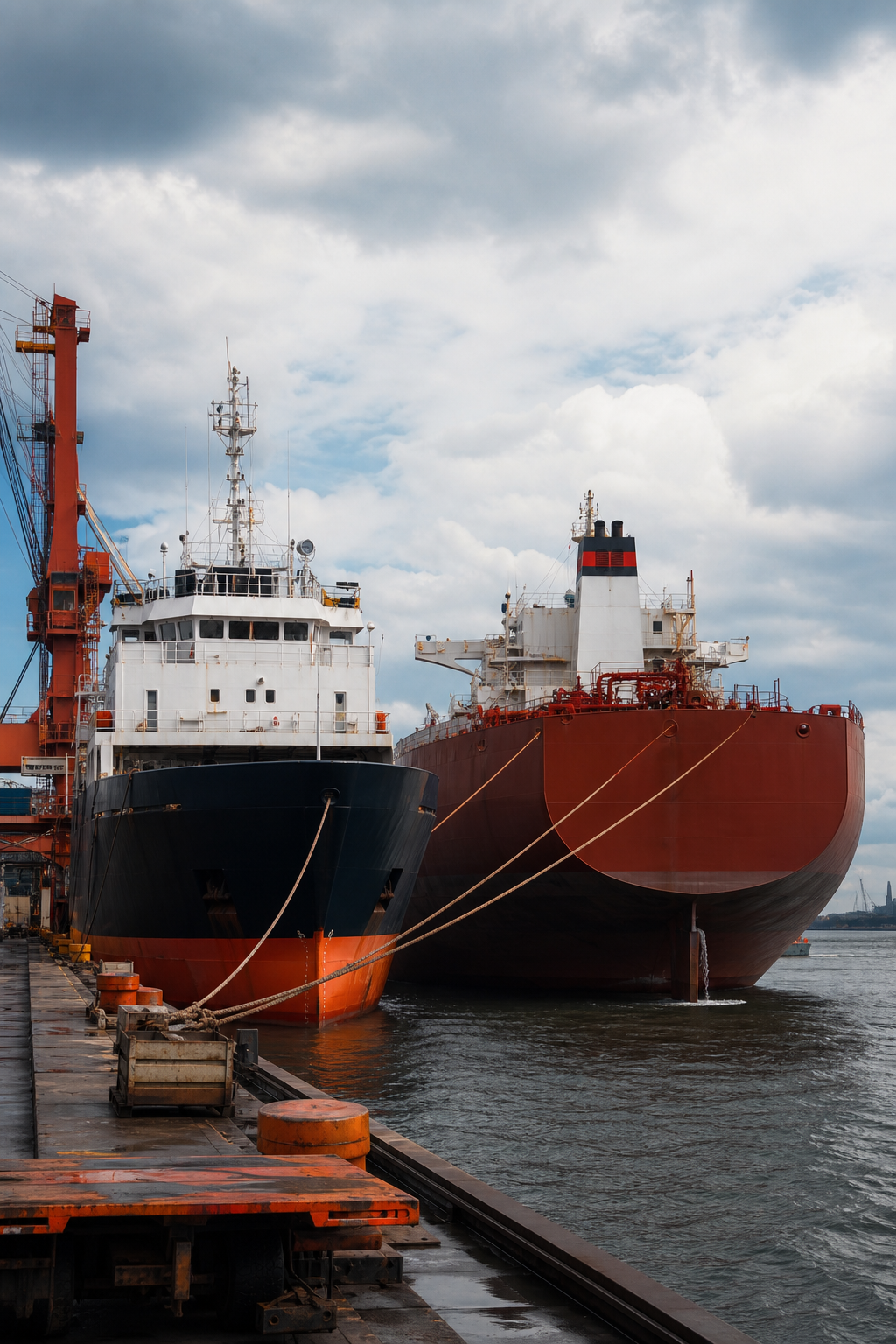
Shipping between U.S. ports can feel like a maze. One rule that shows up again and again is the Jones Act, a law that forces domestic vessels to carry that cargo. But the law isn’t absolute. There are exemptions that let foreign‑flag ships step in when the need is urgent. In this guide you’ll discover what a Jones Act exemption means, the main types, how it changes shipping costs, myths that float around, and the steps to request one.
What Is a Jones Act Exemption?
The Jones Act, officially the Merchant Marine Act of 1920, says that goods moved between two U.S. ports must travel on vessels that are U.S.-built, U.S.-flagged, and U.S.-crewed. An exemption, sometimes called a waiver, temporarily lifts that rule for a specific cargo, route, or time period. The government can grant an exemption when national defense, disaster relief, or severe market disruption makes the strict rule impractical.
For example, after a hurricane hits Puerto Rico, the shortage of Jones Act‑compliant ships can choke relief aid. In that case, the Department of Homeland Security may issue a waiver so foreign‑flag tankers can bring fuel and food directly to the island. The waiver is usually limited in scope , it names the cargo (often fuel, fertilizer, or critical parts), the ports involved, and the duration of the relief effort.
Exemptions are not a free pass. They require a formal request, a justification that the national interest outweighs the law’s purpose, and a reporting process after the voyage ends. The goal is to keep the domestic fleet strong while still giving the government flexibility in emergencies.
Legal scholars note that the statutory basis for an exemption lives in 46 U.S.C. § 501(a), which lets the Secretary of Defense waive the Act “in the interest of national defense.” The language is purpose‑driven, not a blanket loophole. Congressional Research Service explains the statutory framework and the limited circumstances under which a waiver may be issued.
Key Categories of Exemptions
Not every request looks the same. The government has built a handful of standard categories that help officials decide when a waiver makes sense. Understanding these buckets helps shippers know what to ask for and how to prepare the paperwork.
The categories overlap at times, but each comes with its own paperwork checklist. For a humanitarian waiver, the request must include a damage‑assessment report and a list of NGOs that will receive the aid. For a defense waiver, the Department of Defense must submit a written justification within 24 hours of the request, as the law demands.
Customs and Border Protection (CBP) keeps a public record of waiver requests under the Freedom of Information Act. One recent filing asked to move refined fuel to U.S. ports after the Colonial Pipeline shutdown, showing how the “Energy Security” bucket works in practice. CBP’s FOIA record illustrates a real‑world exemption request and the level of detail the agency expects.
How Exemptions Affect Shipping Costs
When a foreign vessel gets a waiver, the immediate effect is lower freight rates for the cargo it carries. U.S.-built ships tend to cost more to operate because of higher construction prices and crew wages. A foreign‑flag ship can often move the same load for a fraction of the price.
That price difference adds up. Studies estimate that the Jones Act adds about $200 million a year in extra shipping costs across the United States. A short‑term waiver can shave a few dollars per barrel of fuel or a few cents per container, which can matter for disaster relief budgets.
However, the savings rarely ripple through to consumer prices in a noticeable way. After a 60‑day waiver in 2020, analysts saw only a modest dip in gasoline prices, because most of the fuel market is set by global oil prices, not just domestic transport costs.
Shipping firms still need to plan for the administrative overhead of a waiver. They must file a voyage report within 10 days of completion, detailing the vessel name, cargo, ports, and the justification used. That reporting cost can offset some of the freight savings, especially for smaller carriers.
Economic analysts at EconoFact note that the waiver’s impact is most visible in non‑contiguous regions like Hawaii, Alaska, and Puerto Rico, where the domestic fleet is thin and foreign competition can dramatically lower rates for essential goods.
Common Misconceptions About Jones Act Exemptions
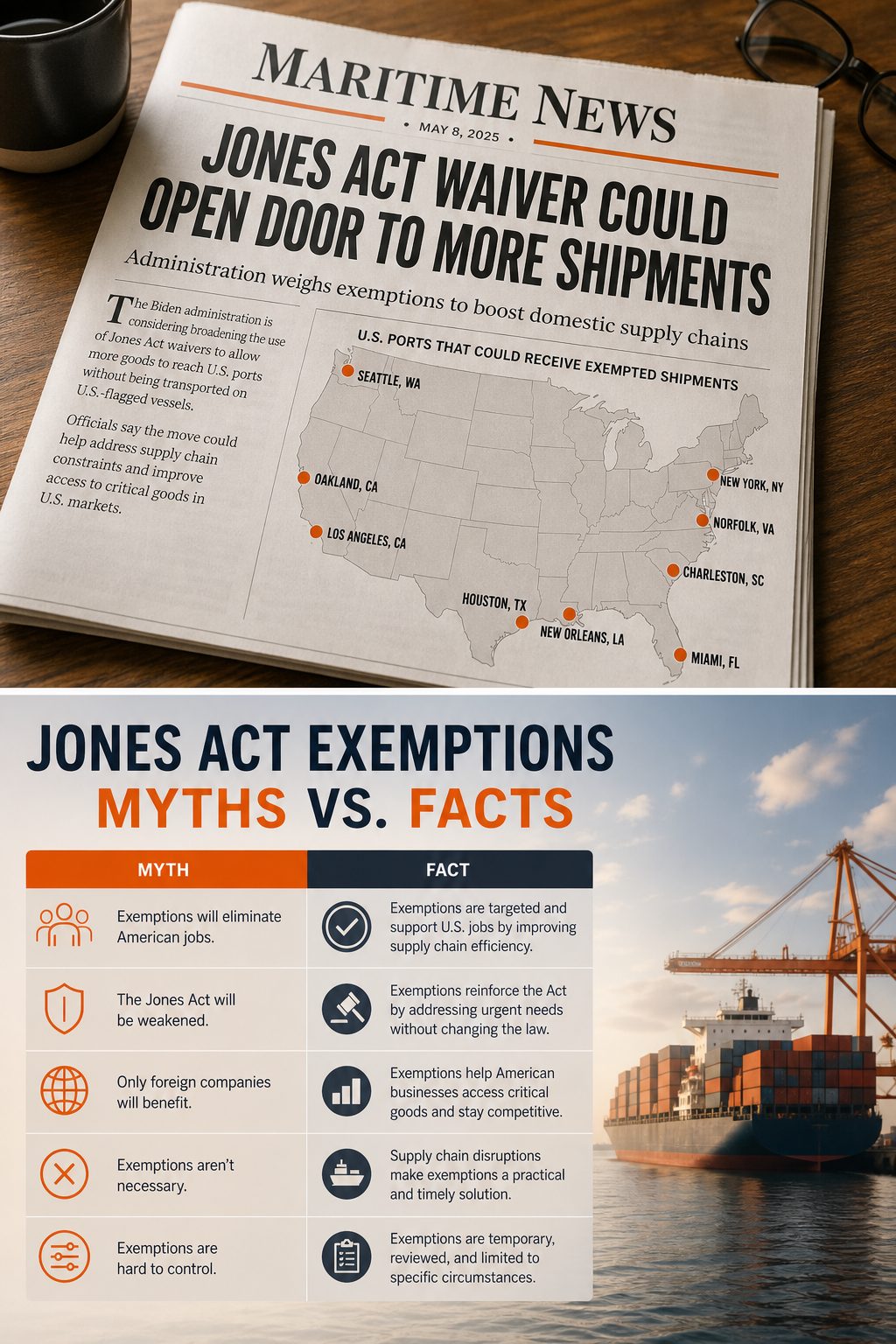
Because the Jones Act is a hot political topic, a lot of myths circulate about its exemptions. Let’s clear a few of them up.
Myth #1: Exemptions let any foreign ship dock anywhere in the U.S. In reality, a waiver only covers the cargo and route named in the request. A foreign‑flag oil tanker can’t suddenly start carrying groceries between Seattle and Los Angeles unless the waiver specifically authorizes that trade.
Myth #2: Exemptions mean the law is dead. The law stays fully in force; only a tiny slice of traffic gets a temporary lift. Most daily commerce still moves on Jones‑Act vessels, especially on the Gulf Coast and the Great Lakes.
Myth #3: Exemptions always lower prices for consumers. The cost savings are real for the shipper, but the price may not trickle down if the market is already tight or if the saved amount is small compared with other cost drivers like fuel.
The ILWU (International Longshore and Warehouse Union) frequently points out that exemptions protect the islands from price gouging by foreign carriers. Their research shows that during the COVID‑19 pandemic, Jones‑Act carriers kept freight rates stable while international shippers raised prices dramatically.
Handling the Application Process for Exemptions
Getting a waiver isn’t magic. It follows a defined workflow that starts with a clear business need and ends with a post‑voyage report.
Step 1: Identify the exact cargo, ports, and dates you need. The request must name the Harmonized Tariff Schedule (HTS) code for each product. Without the correct code, the agency can’t verify that the waiver matches a legitimate need.
Step 2: Build a justification packet. For a defense‑related waiver, the Department of Defense writes a memo that explains why no Jones‑Act ship can meet the mission. For a humanitarian waiver, include damage assessments, letters from NGOs, and a timeline of relief activities.
Step 3: Submit the request to U.S. Customs and Border Protection. The filing must be done on the CBP portal, and it should reference 46 U.S.C. § 501(a) as the legal authority.
Step 4: Wait for the decision. CBP has a statutory deadline of 24 hours for a defense‑related request and 10 days for other types. If approved, you’ll receive a written waiver that lists the allowed vessels, cargo, and expiration date.
Step 5: Report the voyage. Within 10 days after the ship returns, you must file a report with the Maritime Administration. The report includes vessel name, flag, cargo details, and the reason the waiver was needed.
Many companies hire maritime law firms to help with the paperwork. One firm notes that early engagement with CBP can speed up the review, especially if the request involves a large number of commodities.
For a quick primer on how the waiver process works, see Understanding the Jones Act Waiver: An Explainer Guide. That page walks through each form and offers a checklist you can download.
FAQ
What types of cargo can qualify for a Jones Act exemption?
Typical cargo includes fuel, natural gas, fertilizer, coal, critical medical supplies, and heavy equipment needed for military or disaster relief. The request must list the HTS code for each item, and the government will only approve items that are essential to national defense or public health.
How long does a waiver usually last?
Waivers are time‑limited. Most are issued for 60 days, but the period can be shorter or longer depending on the urgency of the situation and the specific statutory authority cited. The expiration date is clearly stated in the waiver document.
Can a private company request a waiver, or does it have to come from the government?
Private firms can submit a request, but it must be backed by a government agency, usually the Department of Defense or a federal emergency management office. The agency acts as the sponsor and provides the justification needed for CBP to approve the waiver.
What reporting is required after a waiver‑covered voyage?
Within 10 days of the vessel’s arrival, the owner or operator must file a detailed report with the Maritime Administration. The report includes vessel name, flag, cargo description, ports of call, dates, and a statement of why the waiver was necessary. The agency publishes the report online for transparency.
Do waivers affect insurance coverage for the cargo?
Yes. Insurers may adjust premiums because a foreign‑flag vessel can have different risk profiles than a U.S.-flag ship. Companies should notify their carrier’s insurer as soon as a waiver is granted and provide the waiver copy to confirm coverage terms.
Will a waiver change the crew requirements for a foreign vessel?
The waiver only lifts the vessel‑flag requirement. Crew nationality and certification still follow the flag state’s rules, not U.S. law. However, the government may impose additional safety or security measures as part of the waiver conditions.
Are there penalties for violating the Jones Act without a waiver?
Violating the Jones Act can lead to civil penalties of up to $500 per day per vessel, plus possible seizure of the vessel. The government also has the right to deny future access to U.S. ports for repeat violators.
How often are waivers granted each year?
Waivers are relatively rare. On average, fewer than ten are issued annually, most of them tied to natural disasters, energy emergencies, or defense operations. The exact number varies with the geopolitical climate and domestic crises.
Conclusion
Jones Act exemptions are a niche but powerful tool that lets the United States respond quickly to emergencies while keeping the domestic maritime fleet intact. They’re not a loophole; they’re a statutory safety valve that balances national security, humanitarian need, and economic stability. By knowing the categories, the cost impact, and the step‑by‑step application process, shippers can prepare a solid request and avoid costly delays.
If you work in logistics, energy, or defense, keep an eye on the CBP portal for waiver announcements. When a crisis hits, having a pre‑approved plan can save weeks of paperwork and keep essential goods moving. And always remember to file the post‑voyage report; it’s the final piece that closes the loop and maintains transparency.
Understanding how exemptions work helps you make smarter decisions about routing, budgeting, and risk management. Whether you’re moving fuel to Alaska during a supply crunch or delivering medical kits after a hurricane, the right waiver can mean the difference between a stalled supply chain and a smooth delivery.