
How Does the Jones Act Work? Explained
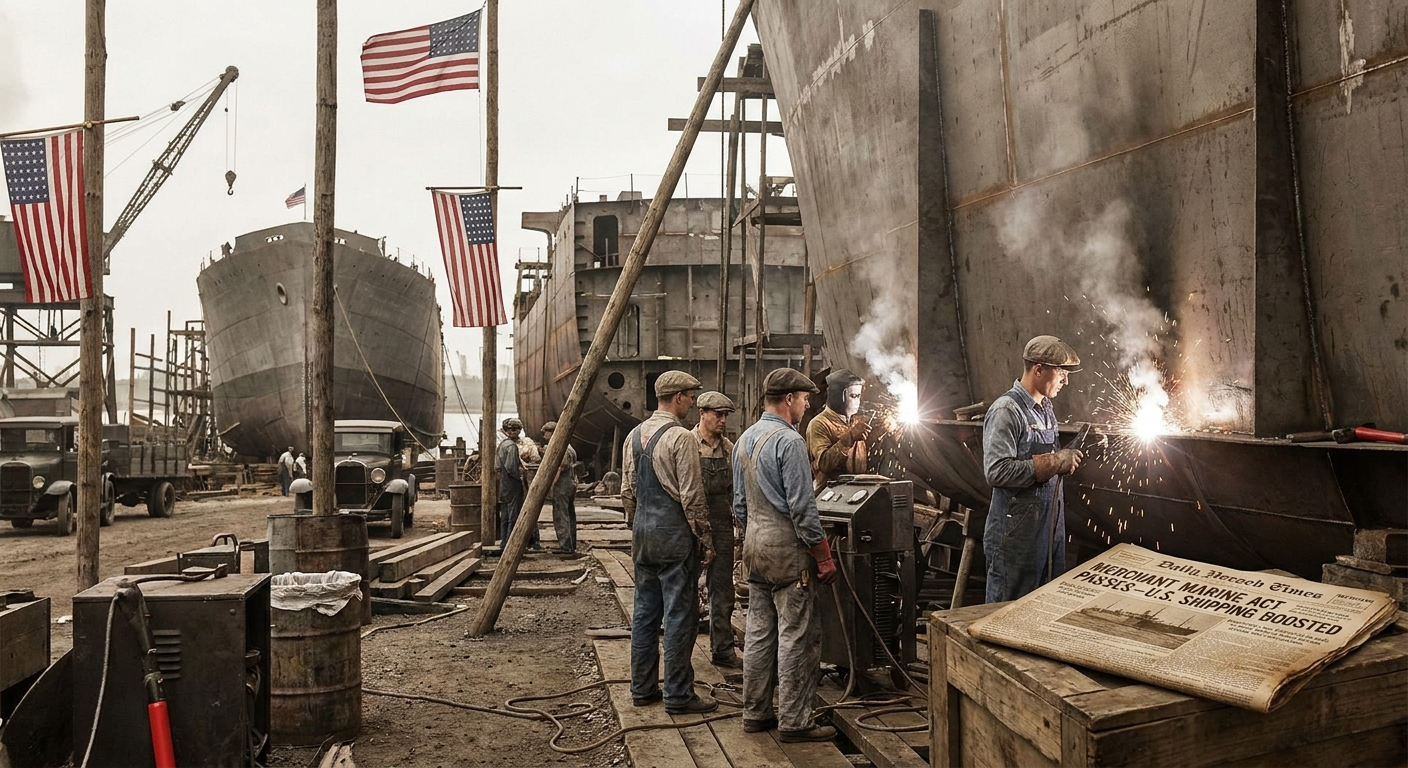
The Jones Act governs U.S. shipping, crew rights, and cargo movement between ports. It’s the law that decides which ships can carry domestic freight and how seamen can seek compensation. Below you’ll find a plain‑language walk‑through of what the act does, who it touches, and where myths clash with reality.
Definition and History of the Jones Act
The Jones Act, officially the Merchant Marine Act of 1920, is a federal statute that promotes a U.S.‑owned merchant fleet. It was passed after World War I to ensure America had enough ships for commerce and as a naval reserve in emergencies. The law requires that vessels moving cargo between U.S. ports be built in the United States, owned by U.S. citizens, and crewed by U.S. citizens or permanent residents.
Since its inception, the act has shaped the maritime industry. It created a market for American shipyards and kept a pool of skilled sailors on the payroll. Over the decades, courts have interpreted its provisions, expanding seaman rights and clarifying exemptions for certain routes.
Maritimeattorney.ai often helps workers and owners handle the act’s nuances, from eligibility questions to filing claims.
Key Provisions of the Jones Act
The Jones Act’s core rules require three things for a vessel to qualify as a domestic carrier: U.S. construction, U.S. ownership, and U.S. crew. If any of those elements is missing, the ship cannot transport goods between two U.S. ports.
Beyond the vessel requirements, the act extends the Federal Employer’s Liability Act to seamen. This gives a crew member who is injured on the job the right to sue their employer in a civil action and, crucially, to demand a jury trial.
The law also bars removal of a case from state court to federal court, letting plaintiffs choose the forum that best fits their needs. These provisions together create a legal safety net for maritime workers while preserving a domestic shipping base. [source]
How the Jones Act Affects Maritime Workers
For a seaman, the act means a clear path to compensation when an injury occurs on a vessel that meets the act’s definition. A crew member can claim damages for medical costs, lost wages, and pain and suffering, and the case goes before a jury if the worker wishes.
Because the act applies only to vessels that are U.S.-built, owned, and crewed, many workers on foreign‑flagged ships fall outside its protection. That distinction can change a worker’s legal strategy dramatically.
When a claim proceeds, the employer must prove the injury was not caused by negligence. The burden of proof flips compared with typical workers’‑comp claims, where the employer often bears the risk.
Employer Responsibilities Under the Jones Act
Employers of Jones Act vessels must maintain safe working conditions and provide adequate training. They also need to keep insurance that covers the higher liability limits allowed by the act.
If a seaman files a claim, the employer must preserve evidence, respond to discovery, and may need to engage a maritime attorney to defend the case.
The act’s jury‑trial right forces employers to take claims seriously, as juries can award larger damages than a judge might. This risk pushes many companies to settle early, often covering medical expenses and a portion of lost earnings.
Maritimeattorney.ai frequently advises employers on compliance checks, helping them avoid costly lawsuits by auditing safety protocols and crew documentation.
Common Misconceptions and Recent Cases
One myth says the Jones Act blocks foreign ships from bringing goods directly into Hawaii. In reality, foreign‑flagged vessels freely dock in Honolulu and deliver cargo that originates abroad. The act only restricts trade **between** U.S. ports, not international imports. [source]
Another frequent claim is that the act inflates prices for island residents. A 2020 study of 200 consumer goods showed prices in Hawaii were only 0.5% higher than on the mainland, a difference far too small to blame on the Jones Act. [source]
Recent litigation has reinforced the act’s relevance. In 2023, a crew member on a Jones Act‑compliant vessel won a jury award after a deck accident, highlighting the law’s protective reach. Conversely, attempts to waive the act for disaster relief have sparked legal battles, underscoring the tension between national security and economic flexibility.
Critics argue that more carriers would lower costs, but Hawaii’s limited dock space and just‑in‑time logistics mean extra ships could create bottlenecks rather than savings.
FAQ
What is the Jones Act?
The Jones Act is a 1920 federal law that requires ships moving cargo between U.S. ports to be U.S.-built, U.S.-owned, and U.S.-crewed, and it gives seamen a right to sue their employers for injuries.
Can foreign ships bring goods to Hawaii?
Yes. Foreign‑flagged ships can dock in Hawaii and unload goods that come directly from overseas; the act only applies to trade that starts and ends at U.S. ports.
Do I need a lawyer to file a Jones Act claim?
While you can file on your own, the legal process is complex, and a maritime attorney can help prove negligence, gather evidence, and negotiate with insurers.
How long do I have to sue under the Jones Act?
You generally have three years from the date of injury to file a claim, but specific deadlines can vary based on the facts of the case.
What damages can I recover?
A successful claim can recover medical costs, lost wages, pain and suffering, and sometimes punitive damages, depending on the severity of the employer’s negligence.
Understanding the Jones Act helps workers protect their rights and businesses stay compliant. For a deeper look at filing strategies, explore our other guides on maritime law.
Conclusion
If you’re a seaman or an employer, start by checking whether your vessel meets the U.S. construction, ownership, and crew standards. Maritimeattorney.ai can walk you through the eligibility checklist and help you avoid costly mistakes.