Ferry Accident Lawyer Guide: Finding Legal Help
Ferry accidents happen more often than you think. Each year, passengers and crew members suffer injuries from collisions, slips, and equipment failures. If you or a loved one has been hurt, you need a ferry accident lawyer who understands maritime law. This guide gives you the resources to find the right legal help. We'll cover what causes ferry accidents, what to look for in a lawyer, questions to ask, and how to build a strong case. The waters around cities like New York, Seattle, and San Francisco are busy with ferries. When something goes wrong, the results can be serious. You might face medical bills, lost wages, and long recovery. A skilled ferry accident lawyer can help you get compensation. But not all lawyers are the same. You need one who knows admiralty law and has experience with ferry cases. This article is a resource. It gives you a checklist of qualities to look for, questions to ask, and steps to take after an accident. Use it to make an informed choice. Let's start by understanding the types of claims you can file.
Understanding Ferry Accident Claims
Ferry accidents cover a wide range of incidents. You might slip on a wet deck, get injured in a collision, or suffer from carbon monoxide poisoning. Each type of claim falls under maritime law. That's a special set of rules that govern accidents on navigable waters. According to the Hofmann Law Firm, common causes include operator error, mechanical failure, and weather. If you were a passenger, the ferry company owes you a duty of care. If you were a crew member, you might have rights under the Jones Act. Understanding these differences helps you know what evidence to collect.
Operator errors include things like distracted driving, speeding, or ignoring navigation rules. Mechanical failures can happen if the ferry is not properly maintained. For example, a faulty engine or broken steering can cause a crash. Weather conditions like fog or high winds also play a role. In many cases, these accidents are preventable. The question is who is at fault. That's where your ferry accident lawyer comes in. They will investigate the cause and gather evidence like maintenance records, weather data, and witness statements.
Maritime law is different from regular personal injury law. It has its own set of rules and deadlines. For instance, claims against the U.S. government must be filed within two years. Admiralty law also determines where you can file your case. If the accident happened on a navigable waterway, federal courts have jurisdiction. But if it was on a smaller lake, state law might apply. A good lawyer will know these details.
Key Qualities to Look for in a Ferry Accident Lawyer
Not every personal injury lawyer can handle a ferry accident case. You need someone with specific experience in maritime law. Start by looking for a lawyer who focuses on admiralty and maritime cases. The U.S. Courts describe admiralty law as a specialized area. A lawyer who works on cargo disputes or offshore injuries likely understands the nuances. But even better is one who has handled ferry passenger claims before.
Experience matters. Ask how many ferry cases they have taken to trial. Settlement is common, but you want a lawyer who is ready to fight in court. Also check their track record. Have they won large awards for clients? Look for case results on their website. But be careful: every case is different. Past results don't guarantee future outcomes.
Communication is another key quality. You want a lawyer who explains things clearly. During your first call, note how they talk to you. Do they listen? Do they answer your questions? Or do they rush you? A good lawyer makes you feel like a priority. They should also have the resources to hire experts like accident reconstruction specialists or medical professionals.
Finally, look for a lawyer with a strong reputation. Check online reviews and ask for referrals. The right ferry accident lawyer will be someone you trust to handle your case from start to finish. They should be accessible and willing to answer your questions.
Questions to Ask Before Hiring a Ferry Accident Lawyer
Before you hire a ferry accident lawyer, you need to ask the right questions. This helps you understand their experience and approach. Start with their background: "How many ferry accident cases have you handled?" and "What were the outcomes?" If they hesitate or give vague answers, that's a red flag.
Ask about fees: "What is your contingency fee percentage?" Most maritime lawyers work on a contingency basis. They get paid only if you win. But percentages vary. Also ask who pays for costs like expert witnesses or filing fees. Some firms deduct costs from your settlement, others don't.
Another important question is: "What is your strategy for my case?" You want a lawyer who can outline steps from investigation to settlement. They should explain how they will gather evidence and negotiate with the insurance company. The Garo Law Firm emphasizes the importance of knowing the specific laws that apply. So ask which laws your case falls under.
You should also ask about communication: "How often will you update me?" and "Who will handle my case?" Some firms pass your case to a junior associate. Make sure you know who your main contact is.
Finally, ask about their timeline: "How long do you expect my case to take?" While every case is different, an experienced lawyer can give you a rough estimate. If they promise a quick settlement, be cautious. Thorough investigations take time.
Here are some additional questions to bring to your consultation:
- Do you have experience with ferry accidents specifically, not just general boat accidents?
- How many cases have you taken to trial?
- What is your policy on out-of-court settlements?
- Can you provide references from past clients?
How to Research and Verify a Ferry Accident Lawyer
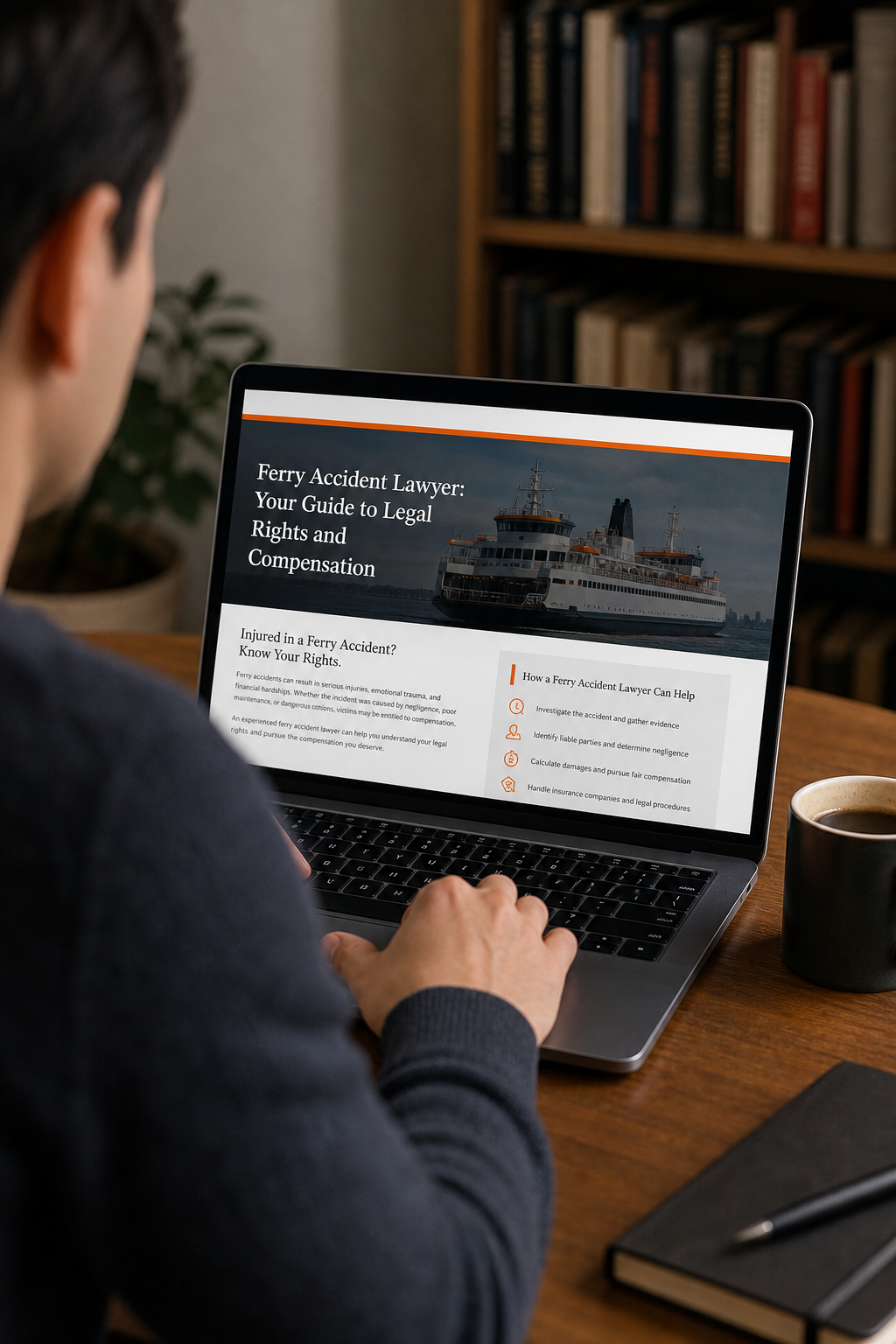
Finding a good ferry accident lawyer takes effort. Start with online resources. Use directories like the state bar association's lawyer referral service. You can also search for maritime law firms in your area. The FindLaw guide on ferry accidents is a great starting point. It explains liability and what to look for in a lawyer.
Once you have a list of candidates, verify their credentials. Check their state bar license. Most state bar websites have a lookup tool. This tells you if the lawyer is in good standing and if they've had any disciplinary actions.
Next, s on Google, Avvo, or Martindale-Hubbell. Pay attention to comments about communication, results, and professionalism. But take reviews with a grain of salt. A few negative reviews are normal if the firm handles many cases.
Another step is to check their website for case results. Many maritime law firms publish verdicts and settlements. This gives you an idea of their success. But remember, past results don't guarantee future performance.
Finally, schedule consultations. Most offer free initial meetings. Prepare your questions and bring any documents you have. For more tips on what to ask, see our Boating Accident Lawyer: A Resource Guide. That guide covers additional questions and red flags. After the consultation, trust your gut. Choose a lawyer who makes you feel confident and informed.
What to Expect from the Legal Process
Once you hire a ferry accident lawyer, the legal process begins. It can feel slow, but each step is important. First, your lawyer will investigate the accident. They will collect evidence like witness statements, video footage, and maintenance records. They may also hire experts to reconstruct the crash.
Next, they will identify all liable parties. This could be the ferry operator, the owner, the manufacturer of faulty equipment, or even the government. Each party may have different insurance policies. Your lawyer will look into them and figure out who should pay.
Then comes the demand letter. Your lawyer writes to the insurance company outlining your injuries and damages. They include a settlement amount. The insurance company will likely respond with a lower offer. Then negotiations begin. This can take a few weeks or several months.
If the negotiations don't reach a fair settlement, your lawyer may file a lawsuit. The After Personal Injury guide explains that most ferry cases settle before trial, but you need a lawyer ready to go to court. The lawsuit stage includes discovery, where both sides exchange information. There may be depositions, where you give sworn testimony. Finally, there is trial.
Throughout this process, your lawyer will keep you updated. You should also keep track of your medical appointments and expenses. The more organized you are, the stronger your case. The timeline varies. Simple cases may settle in a few months. Complex ones can take over a year. But with a good ferry accident lawyer by your side, you can focus on recovery while they handle the legal work.
Frequently Asked Questions
What should I do immediately after a ferry accident?
Your first priority is your health. Seek medical attention even if you think your injuries are minor. Report the accident to the ferry crew and ask for an incident report. If possible, take pictures of the scene and your injuries. Get contact information from witnesses. Keep your ticket and any documents. Then, contact a ferry accident lawyer. They can advise you on what to do next and help preserve evidence. Do not sign anything from the ferry company's insurance adjuster before talking to a lawyer.
How long do I have to file a ferry accident lawsuit?
The time limit, called the statute of limitations, depends on the type of claim. For general maritime personal injury, you have three years. For claims against the U.S. government, you must give written notice within 22 months and file a lawsuit within two years. Cruise ship cases may have a one-year limit. If the ferry is owned by a state, the deadline varies. Talk to a ferry accident lawyer as soon as possible to avoid missing your deadline. Missing it means you lose your right to compensation.
How much compensation can I get for a ferry accident injury?
Compensation depends on the severity of your injuries, medical costs, lost wages, and pain and suffering. In a ferry accident, you may also recover for future medical care and loss of earning capacity. Wrongful death claims can include funeral expenses and loss of companionship. There is no set amount. An experienced ferry accident lawyer can estimate your case's value based on similar cases. Most maritime settlements range from tens of thousands to millions, depending on the facts.
Do I need a lawyer for a small ferry injury?
Even minor injuries can lead to complications. You might not realize the full extent of your injury right away. Also, insurance companies will try to settle for as little as possible. A ferry accident lawyer can negotiate for a fair amount that covers all your medical bills and lost time. If the ferry company's negligence was partial, a lawyer can still help. Many offer free consultations, so it costs nothing to find out if you have a case.
Can I sue the ferry company if I was a passenger?
Yes. Ferry passengers can sue the company if negligence caused the accident. The ferry operator owes a high duty of care to passengers. They must maintain the vessel, train the crew, and follow safety regulations. If they fail, you can file a personal injury claim. You may also sue other parties like equipment manufacturers or maintenance companies. Consult a ferry accident lawyer who can identify all responsible parties.
What if the ferry accident was caused by bad weather?
Bad weather does not automatically excuse the ferry company. They have a duty to monitor conditions and avoid sailing into unsafe situations. If they knew about a storm and still sailed, they may be negligent. The same applies if they failed to secure the vessel or provide warnings. A ferry accident lawyer will examine weather forecasts and the captain's decisions to determine if negligence played a role.
How much does a ferry accident lawyer cost?
Most ferry accident lawyers work on a contingency fee basis. That means you pay nothing upfront. They only get paid if you win. The typical fee is between 33% and 40% of your settlement or award. Some firms charge additional costs for expert witnesses or filing fees. Make sure to ask about these before hiring. A good lawyer will explain the fee structure clearly in a written agreement.
What documents do I need for my ferry accident case?
Gather as much evidence as possible. This includes medical records, bills, and proof of lost wages. Also, keep your ferry ticket, incident reports, photos, and witness contact information. Your ferry accident lawyer will need maintenance logs and the ferry's safety records. They may also request your employment records if you missed work. Organize everything in a folder. Your lawyer can then review it to build a strong claim.
Conclusion
Finding the right ferry accident lawyer is important to getting the compensation you deserve. This guide has given you the resources to start your search. You now know the types of claims, the qualities to look for, and the questions to ask. You also have a plan for researching and verifying attorneys. And you know what the legal process looks like from start to finish.
Remember, time is limited. The sooner you act, the better your chances of preserving evidence and meeting deadlines. Don't wait until your injuries get worse or the insurance company pressures you into a low settlement. Use the checklist in this article to find a lawyer who fits your needs. Schedule a free consultation with at least two candidates. Compare their experience, communication style, and fees. Then choose the one you trust the most.
If you or a loved one has been injured in a ferry accident, take the first step today. Contact a qualified ferry accident lawyer who can evaluate your case and explain your options. You don't have to face this alone. With the right legal help, you can focus on healing while your lawyer fights for fair compensation. Start your search now, you'll be glad you did.