
Cabotage Law Explained: What It Is and How It Works
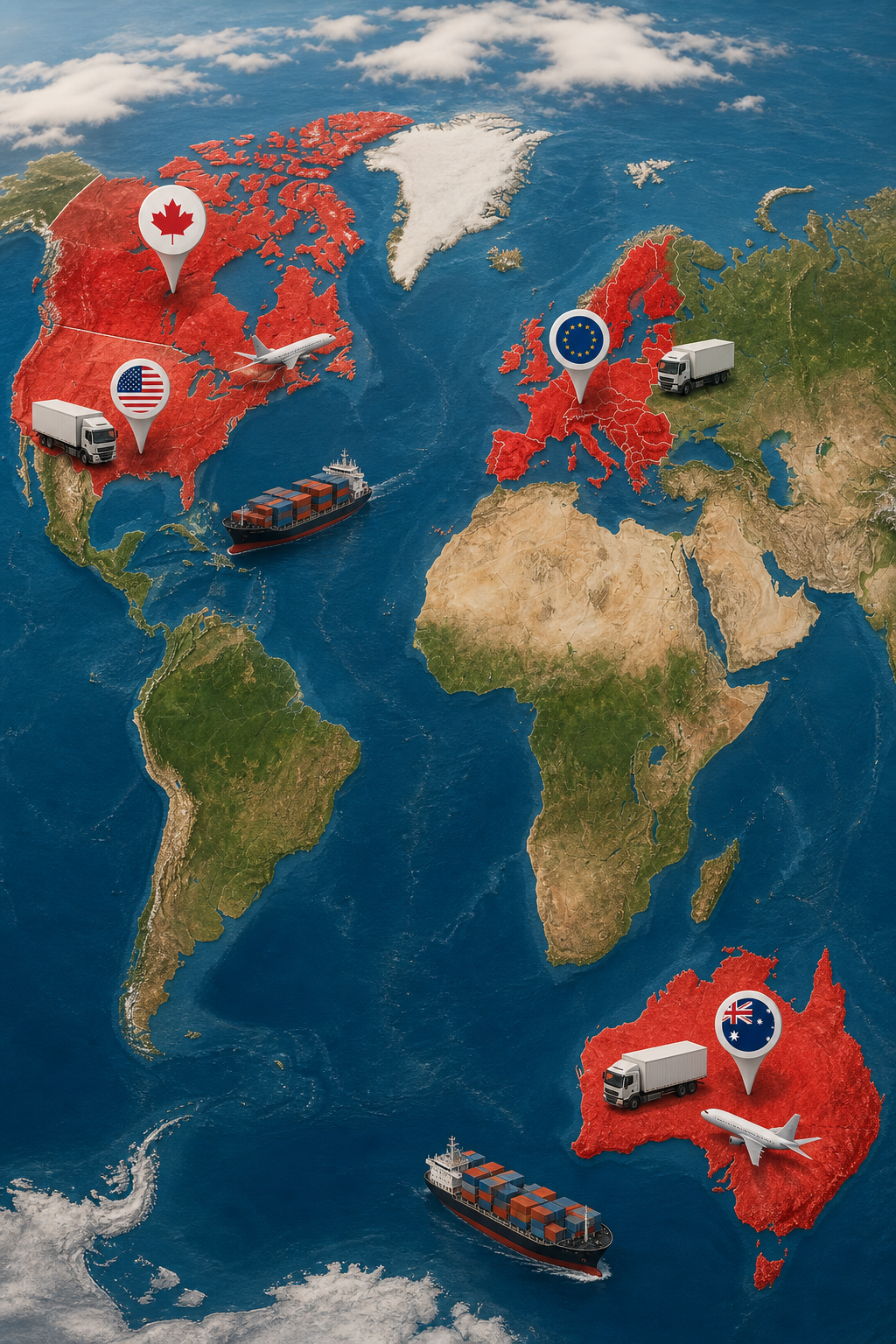
Cabotage law controls who can move goods or people inside a country. If a foreign ship or truck tries to run a route that stays inside the borders, the law may stop it. This rule exists in many places and it affects costs, jobs, and security. In this guide you’ll get the definition, the history, how the rule looks around the world, why people argue about it, real‑world uses, and what the future may hold.
Historical Origins of Cabotage Law
The word cabotage comes from the French "caboter," which meant to sail along a coast. Early nations used the idea to keep their own ships busy and to guard their coasts. In the 1600s Britain passed Navigation Acts that forced trade to use British ships. Those acts helped build a strong merchant fleet and gave the crown control over sea lanes.
When the United States grew, it adopted similar rules. The What Is the Jones Act? US Maritime Law Explained is a key piece of that legacy. The Jones Act says that any cargo moved between US ports must be on a US‑flagged vessel with US crew. The goal was to protect a domestic shipping industry that could support the military if a war broke out.
Other countries copied the idea. In the 1800s France, Spain, and Italy all wrote laws that limited domestic routes to national vessels. Those rules helped them create jobs for sailors and shipbuilders. They also let governments watch what moved through ports, which mattered during conflicts.
Over time the concept spread beyond ships. Airlines and trucking firms began to face similar restrictions. Today you’ll see cabotage rules in the air, on the water, and on the road. They all share the same core idea: keep internal transport in national hands.
For a plain‑language definition, see Wikipedia. It notes that the rule applies when a foreign‑registered carrier moves cargo or passengers wholly within a single country's borders.
Why does this matter now? Global trade has made it easy for foreign ships to appear anywhere. Nations still want to keep control, especially for strategic routes or remote islands. That tension fuels the debates you’ll read about later.
Cabotage Laws Around the World
Each country writes its own version of cabotage law. Some are very strict, allowing only domestic carriers. Others open the market to foreign ships that meet certain standards. Below is a snapshot of how a few places handle the rule.
Europe’s approach is detailed in the EU’s internal market rules. The official page explains that member states can let ships from other EU countries operate on the same terms as their own nationals. That means a Greek vessel can carry cargo between French ports if it follows French safety rules. The policy aims to keep island communities linked to the mainland while still encouraging competition.
The EU source says the rules were first opened up on 1 January 1993 and have been tweaked since. Some nations, like Greece, kept tighter limits for small boats until 2004. Those tweaks show how governments balance protection with the need for cheaper, faster service.
In practice, these differences affect what you pay for a product. Shipping a container from a U.S. port to another U.S. port often costs more than moving the same box across a European border, because the U.S. rule limits carriers to a smaller pool.
For deeper insight, the EU’s regulation page is a solid reference: EU Cabotage Rules. It breaks down the public‑service obligations that some island routes still carry.
Understanding these nuances helps businesses decide whether to partner with a local carrier or try to get an exemption.
Economic and Political Debate
Cabotage law sits at the crossroads of economics and politics. Proponents say it protects jobs, keeps national fleets ready for emergencies, and safeguards security. Opponents argue it raises prices, slows innovation, and keeps fleets old.
One economic argument is simple: fewer carriers mean higher rates. The U.S. Jones Act, for example, often leads to higher shipping costs for places like Hawaii and Puerto Rico because only U.S.‑flagged ships can serve them. Those higher costs eventually reach consumers.
On the political side, governments view cabotage as a tool for sovereignty. By controlling who can move goods inside the country, they can enforce safety standards and keep strategic routes under national command. In wartime, a domestic fleet can be called upon without needing foreign permission.
Critics point to the environmental impact. Older domestic ships may run on dirtier fuel because there is less competition to push upgrades. A study in a peer‑reviewed journal notes that older fleets emit more CO₂ per ton‑mile than newer, internationally‑operated vessels.
"Cabotage restrictions can lock a country into using less efficient ships, raising both costs and emissions," a maritime economist wrote.
Technology is changing the conversation. Digital tracking, automated paperwork, and greener propulsion systems make it easier for foreign carriers to meet local standards. Some countries are testing limited liberalization pilots to see if they can keep security while lowering costs.
When policymakers weigh these factors, they often look at the balance between short‑term price spikes and long‑term strategic goals. The debate rarely settles with a single answer; it shifts as markets and technology evolve.
Usable Applications in Different Transport Modes
Cabotage law shows up in three big transport types: ships, planes, and trucks. Each has its own set of rules and real‑world effects.
Maritime
In shipping, a vessel must fly the flag of the country whose ports it serves. If a foreign ship wants to move cargo between two U.S. ports, it needs a special waiver from the Department of Transportation. Those waivers are rare and only granted when there is a clear public interest, such as a natural disaster that overwhelms domestic capacity.
For a business, this means you often have to contract with a U.S.‑registered carrier even if a foreign line offers a lower rate. It also means you need to keep an eye on waiver announcements during emergencies.
Aviation
Air cabotage is stricter in many places. The International Civil Aviation Organization (ICAO) says a state can refuse permission for a foreign airline to pick up passengers or cargo that will stay inside its borders. In the United States, the DOT can allow a foreign carrier to operate domestically only if no U.S. airline can meet the demand and the service is essential.
Airlines therefore plan routes that either start or end in a foreign country, or they partner with a local carrier for the domestic leg. That partnership can be a code‑share or a ground‑handling agreement.
Road
Truck cabotage rules vary. In the EU, a driver who finishes a delivery in one member state may be allowed to pick up a new load for a short time in that same state before returning to their home base. The United States does not have a federal cabotage rule for trucks, but some states impose their own restrictions on out‑of‑state carriers.
For logistics managers, the key is to map driver hours and know where a driver can legally pick up the next load. Ignoring the rule can lead to fines and delays.
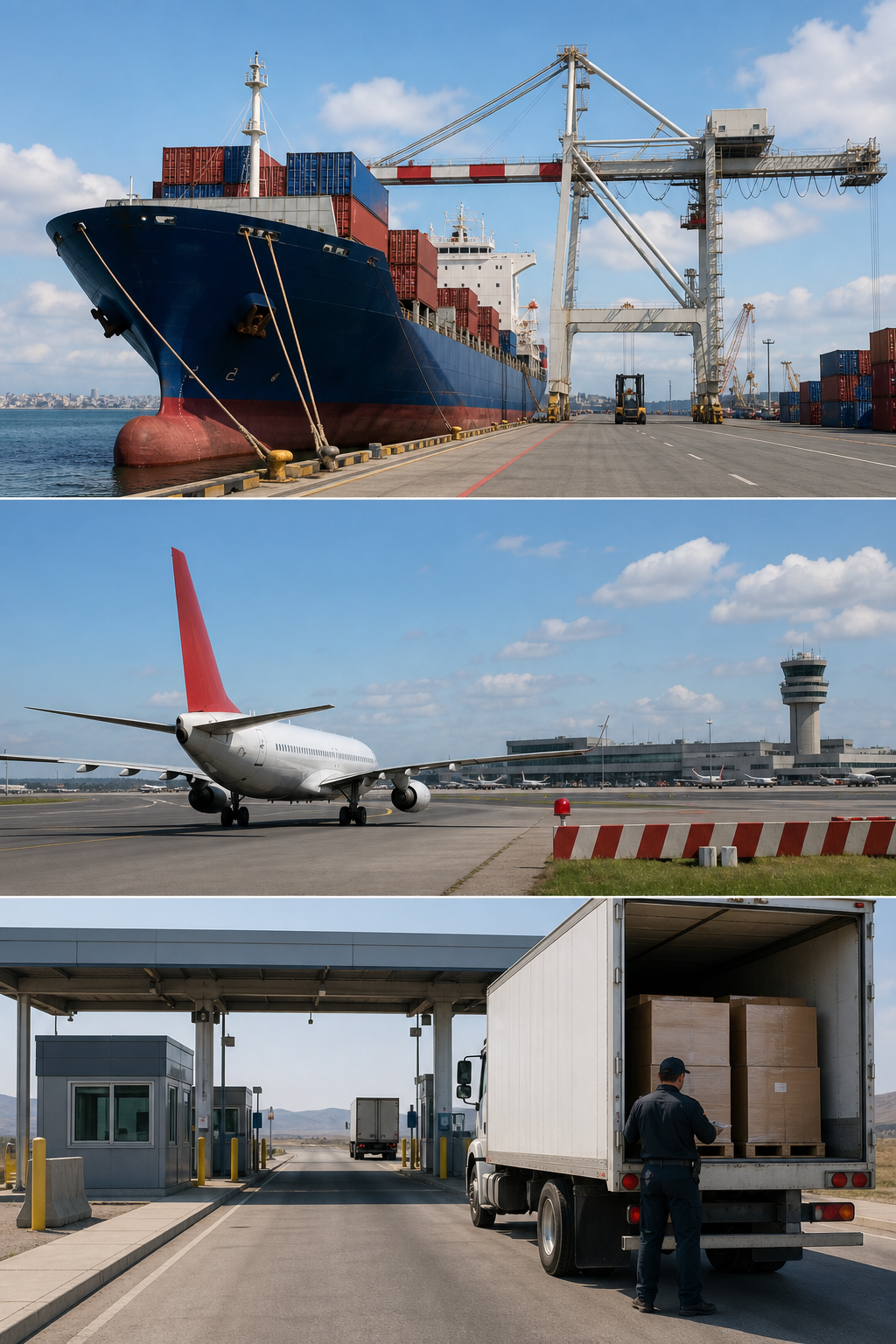
By understanding the nuances, companies can avoid costly compliance mistakes and find creative ways to keep goods moving.
Future of Cabotage in a Globalized Economy
The world is getting more connected. Digital platforms let shippers compare rates across continents in seconds. That pressure is forcing governments to rethink old cabotage rules.
One trend is selective liberalization. Some countries are opening specific routes to foreign carriers while keeping strategic lanes closed. The idea is to let competition lower prices where security isn’t a concern, but still keep control over critical supply lines.Technology also plays a role. Automatic identification systems (AIS) let authorities track ships in real time, making it easier to enforce cabotage rules without physical inspections. Blockchain‑based documentation can prove a vessel’s flag and crew nationality instantly, reducing paperwork delays.
Environmental goals are nudging change, too. International fleets are adopting low‑sulfur fuels and hybrid propulsion faster than many domestic fleets. If a country wants to meet emission targets, it may need to let greener foreign ships operate domestically.
Academic research backs this shift. A recent paper in the International Journal of Research on International Shipping Society examined how modern cabotage regimes are adapting to global trade pressures. The authors argue that a balanced approach can protect national interests while allowing market efficiency. You can here: Charting the Course: Analyzing International Cabotage.
Businesses should watch policy updates closely. A new waiver or a rule change can open up cheaper shipping lanes overnight. Building relationships with both domestic and foreign carriers gives you flexibility when the legal landscape shifts.
In the end, cabotage law is likely to stay, but its shape will evolve. Nations will keep the core idea of protecting strategic routes, but they may adopt more flexible mechanisms to stay competitive.
Frequently Asked Questions
What exactly does cabotage law regulate?
Cabotage law limits the ability of foreign‑registered carriers to move goods or passengers wholly within a single country’s borders. It applies to ships, aircraft, and trucks, and often requires that the carrier be flagged or registered in the same nation and use local crews.
Why do some countries keep strict cabotage rules?
Governments cite national security, job protection, and the need for a ready domestic fleet as reasons. During emergencies, a home‑grown fleet can be mobilized quickly without needing foreign permissions.
Can a foreign carrier ever operate under cabotage restrictions?
Yes, but only with a special waiver or exemption. In the U.S., the Department of Transportation may grant a waiver if there is a public interest, such as a disaster that overwhelms domestic capacity.
How does cabotage affect shipping costs for consumers?
When only domestic carriers can serve a route, competition is limited. That often leads to higher freight rates, which can raise the price of imported goods, especially in isolated markets like Hawaii or Alaska.
Do cabotage laws impact environmental performance?
Older domestic fleets may run on less efficient engines, leading to higher emissions. Allowing newer foreign vessels on domestic routes can lower carbon output, but it also reduces the protection that cabotage provides.
Is cabotage law the same everywhere?
No. Each country writes its own rules. Some, like the EU, have liberalized many routes, while others, like the United States, keep strict maritime restrictions. Always check the specific law for the country you are dealing with.
Conclusion
Cabotage law is a powerful tool that shapes how goods and people move inside borders. It started as a way to protect national fleets and has grown to cover air and road transport. The rule brings security and jobs, but it can also raise costs and slow innovation. As technology improves and climate goals tighten, many governments are testing more flexible approaches. For anyone in logistics, shipping, or aviation, knowing the basics of cabotage law helps you avoid fines, plan better routes, and spot opportunities when rules change. Stay alert to policy updates and consider both domestic and foreign partners to keep your supply chain resilient.