
What to Do After an Offshore Injury – A Practical Guide
You get hurt on a rig. The wave of panic hits fast. You need a clear plan, not guesswork. This guide walks you through every move you should make after an offshore injury, from the moment you call for aid to the final claim. You’ll learn how to stay safe, keep records, and protect the money you deserve.
Step 1: Seek Immediate Medical Attention
First thing , get help. Your body can’t wait.
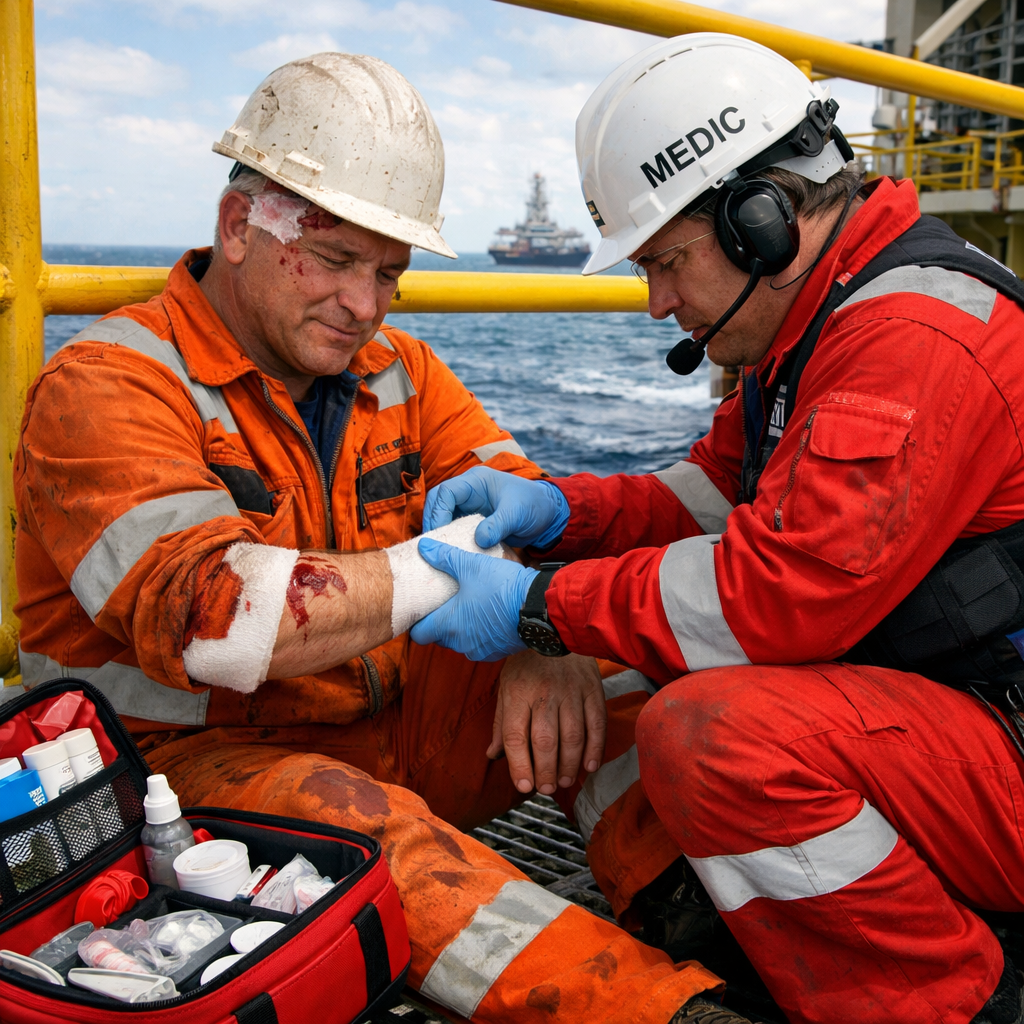
If you can move, find the nearest med kit on the platform. Use any bandages, tourniquets, or oxygen you see. If you’re unable to move, shout for the on‑site emergency crew. Most rigs have a trained medic on duty. Let them know exactly what happened.
When the medics arrive, tell them every detail: the injury type, how it happened, and any chemicals you may have touched. This information will guide their treatment and later become part of your medical record.
After the initial care, the crew will arrange transport to a shore‑side hospital. Insist on a full assessment even if you feel fine. Some injuries, like internal bleeding or inhalation of toxic fumes, show up later.
Keep copies of all medical reports, X‑rays, and prescriptions. Store them in a folder you label “Offshore Injury Docs.” If you lose a paper, ask for a digital copy.
While you wait for transport, stay still and keep your breathing steady. Panic can raise heart rate and worsen bleeding.
And remember, the faster you get professional care, the better your recovery odds.
Bottom line:Get on‑site medical help right away and keep every record of the treatment.
Step 2: Report the Injury to Your Employer
Once you’re stable, tell your supervisor. This step triggers the legal paperwork you’ll need.
Write a short incident note. Include the date, time, exact location on the rig, what you were doing, and who was nearby. Use clear, factual language , no blame, just facts.
Hand the note to your immediate manager and ask for a written acknowledgment. If your company uses a digital safety system, upload the note there too.
Under U.S. maritime law, you must report the injury within 30 days, or you risk losing compensation. The same rule applies for OSHA‑covered incidents. According to OSHA reporting guidelines, employers must be notified of any injury that leads to in‑patient hospitalization, amputation, or loss of an eye within 24 hours.
Ask for copies of the company’s injury report form. Fill it out completely. If you’re unsure about any field, ask HR for help , it’s better to ask than to guess.
Keep a copy of the completed form for yourself. Store it with your medical records.
"Reporting your injury promptly protects both your health and your legal rights."
And don’t wait for a reminder email. The paperwork often gets lost in the shuffle if you delay.
Bottom line:File a detailed injury report with your employer as soon as you can and keep a copy.
Step 3: Document the Incident Thoroughly
Good paperwork can make the difference between a quick settlement and a drawn‑out battle.
Start a personal log the day of the accident. Write what you saw, felt, and heard. Include the weather, any noises, and the condition of nearby equipment.
Take photos as soon as it’s safe. Capture the injury, the equipment that caused it, and the surrounding area. Even if the scene gets cleaned up fast, a photo shows the exact situation.
Collect witness statements. Ask crew members to write what they saw. Get their names, job titles, and contact info. Under the Seaman’s Protection Act, they can give statements without fear of retaliation.
Gather every piece of communication. Save emails, text messages, and voice‑mail notes about the incident. Note the date and time of each contact.
Organize all files in a folder labeled “Incident Docs , [Date].” Use sub‑folders for photos, medical records, and witness statements.
And if you notice any unsafe condition that contributed to the accident, write it down. That detail can help prove negligence later.
Bottom line:Document every detail, photos, logs, statements, and keep everything neatly organized.
Step 4: Understand Your Legal Rights
Offshore workers are covered by special laws that differ from regular workers’ comp.
The Jones Act is the cornerstone for seamen. It lets you sue your employer for negligence and recover more than just medical costs. You can also claim pain and suffering, lost wages, and future care.
For non‑seamen crew, the Longshore and Harbor Workers’ Compensation Act (LHWCA) steps in. It provides wage replacement and medical benefits even if the Jones Act doesn’t apply.
Both statutes have strict filing windows. The Jones Act usually requires you to file a claim within three years of the injury. Missing the deadline can bar you from recovery.
Read the official definition of the Jones Act on Wikipedia to see how it applies to your role. Knowing the law helps you spot loopholes and avoid traps.
And remember, many employers try to settle quickly for less. Don’t accept any offer until you’ve spoken with a qualified maritime attorney.
Bottom line:Learn the specific maritime statutes that protect you and act before the filing deadlines.
Step 5: Consult a Maritime Injury Attorney
Now that you have medical records and a solid paper trail, it’s time to bring in an expert.
Look for a lawyer who specializes in maritime law, not a general personal injury attorney. Maritime cases involve admiralty courts, the Jones Act, and sometimes the LHWCA.
Ask about their experience with offshore rig claims. A good sign is a track record of settlements or verdicts in similar cases.
Schedule a free consultation. Most reputable firms, like the ones listed on Offshore Accident Attorney Guide: Protect Your Rights After a Maritime Incident, will review your documents without charge.
During the call, gauge how well they listen. They should ask specific questions about the incident, not just offer generic advice.
And verify their fee structure. Many maritime lawyers work on a contingency basis , you pay only if you win.
Bottom line:Choose an attorney with proven maritime experience and a clear fee agreement.
Step 6: Follow Medical Treatment and Protect Your Claim
Your recovery plan is part of the claim. Stick to it.
Attend every doctor’s appointment. Missed visits can be used by insurers to argue your injury isn’t serious.
Follow prescribed rehab programs. Physical therapy, occupational therapy, and mental health counseling are all billable under maritime law.
Keep a daily log of pain levels, medication dosages, and any work‑related limitations. This log becomes evidence of ongoing impact.
If you’re cleared to return to work, get a written “fit‑for‑duty” note. It shows you’re following medical advice and can be used to claim vocational rehabilitation benefits.
And never sign any settlement paperwork without your lawyer’s review. Early offers often undervalue future care costs.
Bottom line:Follow all medical orders, record your progress, and let your lawyer guide any settlement talks.
Frequently Asked Questions
What if I didn’t report the injury right away?
Delays can hurt your claim, but you still have options. Explain why you waited , maybe you were in shock or lacked access to a supervisor. Gather any proof of the delay, like a later‑dated medical note that references the original incident. A maritime attorney can argue that the delay was reasonable under the circumstances and help you preserve your rights.
Can I claim compensation for mental health impacts?
Yes. Offshore injuries often cause anxiety, PTSD, or depression. Under the Jones Act and LHWCA, mental health treatment is covered if it’s linked to the physical injury. Keep records of therapy sessions, medication, and any doctor’s notes linking your mental health to the accident. Include these in your claim package.
Do I need to return to work to keep my benefits?
No. You can receive medical and wage‑replacement benefits while you’re unable to work. However, if you’re cleared for light duty, refusing a suitable job may affect future benefits. Discuss any return‑to‑work options with your doctor and attorney to make sure you stay protected.
How long does the whole claims process take?
Timelines vary. Simple cases may settle in a few months, while complex claims involving multiple parties can take a year or more. The key factors are the strength of your documentation, the responsiveness of the employer’s insurer, and whether the case goes to trial. Your attorney can give a more precise estimate based on your specific facts.
What expenses can I recover?
You can recover medical bills, surgery costs, rehabilitation fees, medication, lost wages, future earning loss, pain and suffering, and even travel costs for medical appointments. Make sure every expense has a receipt or invoice and that it’s tied directly to the offshore injury.
Is there a deadline to file a claim?
Yes. For the Jones Act, you typically have three years from the date of injury. For the LHWCA, the deadline is one year. Missing these windows can bar you from recovery. That’s why you should start the paperwork and consult an attorney as soon as possible.
Conclusion
Getting hurt offshore is scary, but you don’t have to handle the fallout alone. By seeking prompt medical care, reporting the injury, documenting every detail, learning the maritime statutes that back you, hiring a skilled attorney, and staying on top of treatment, you set yourself up for the best possible outcome. The steps above give you a roadmap you can follow today.
Remember, the law is on your side, but you must act fast and keep solid records. If you’re unsure about any part of the process, reach out to a maritime injury specialist , they can walk you through the paperwork and fight for the compensation you deserve.
Take the first step now. Protect your health, protect your future, and let the right team handle the legal side so you can focus on recovery.