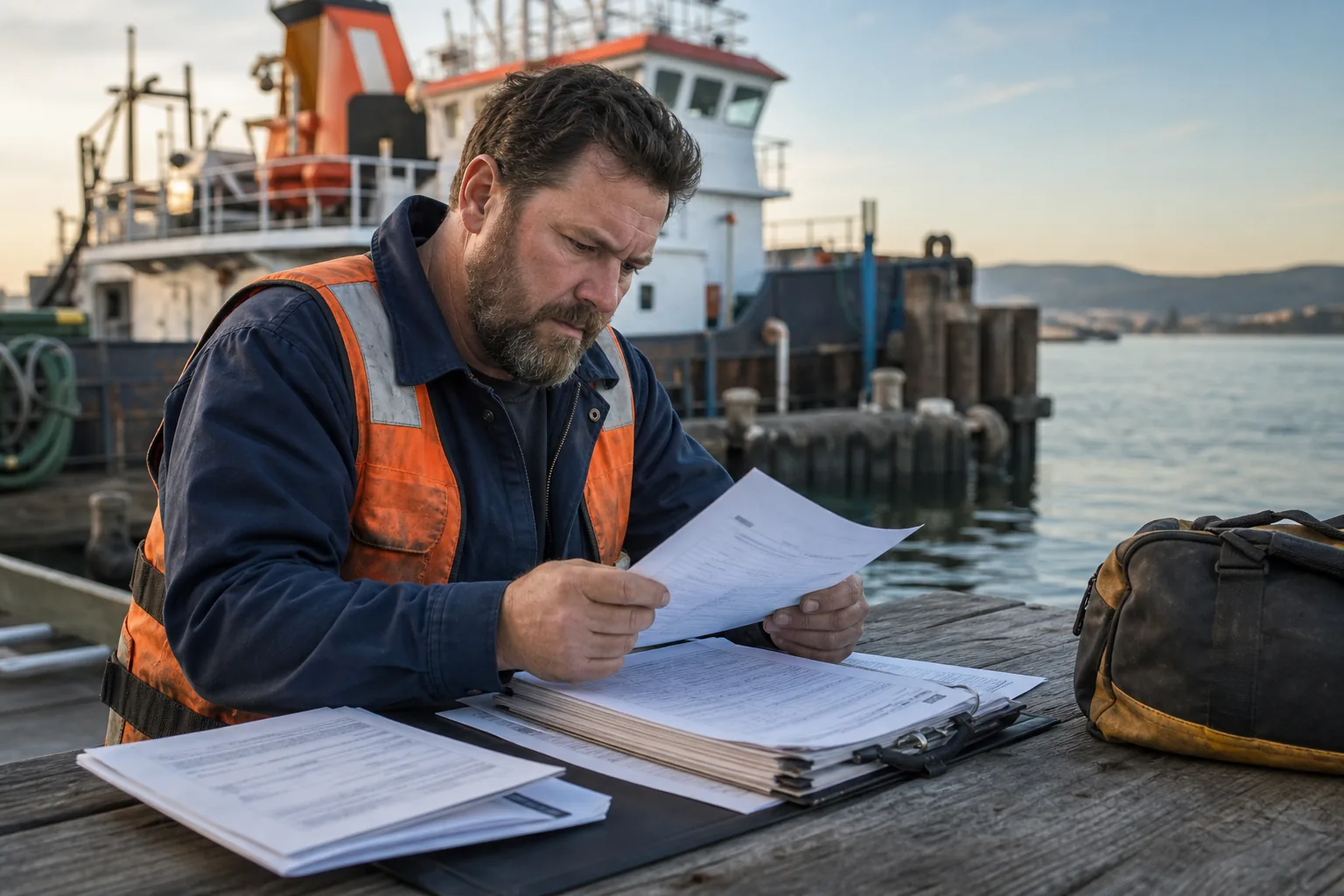
Waterway Injury Attorney: What to Do After an Accident
A waterway accident can leave you hurt, confused, and unsure who should pay. The first steps can affect your health and your legal claim. Follow this order: get medical care, report the accident, save evidence, check the law and deadlines, then speak with a waterway injury attorney before signing anything.
Step 1: Get Medical Care and Report the Waterway Accident
Your first goal is safety. A waterway injury attorney will need a clear record of what happened, but medical care comes before paperwork.
Move away from the danger zone if you can do so safely. Ask the operator or crew to stop the vessel. If someone is in the water, needs rescue, or has a serious injury, ask for emergency help through the proper local channel. Don't refuse care because your pain seems mild. Shock can hide symptoms after a collision, fall, or impact.
Tell the medical team exactly how the injury happened. Say if you struck a rail, deck, seat, dock, or another vessel. Mention pain that comes and goes. Ask for copies of discharge papers, test results, prescriptions, and follow-up instructions.
Report the accident to the right authority before you leave, when conditions allow. Depending on the location and vessel, that may mean a local marine agency, harbor authority, law enforcement office, or the United States Coast Guard. Give facts. Avoid guessing about fault or saying that you're fine when you aren't.
Write down the report number and the name of the person who took your statement. If the accident happened during a paid trip, notify the operator in writing. Keep your message short and factual.
The term maritime law covers special rules for accidents on navigable waters. Admiralty law is commonly defined as the body of law that governs maritime matters, but the right claim still depends on the facts and location.
Step 2: Preserve Evidence and Identify Everyone Involved
Evidence can disappear fast after a waterway accident. A waterway injury attorney may need to prove what happened before a vessel is repaired, moved, or sold.
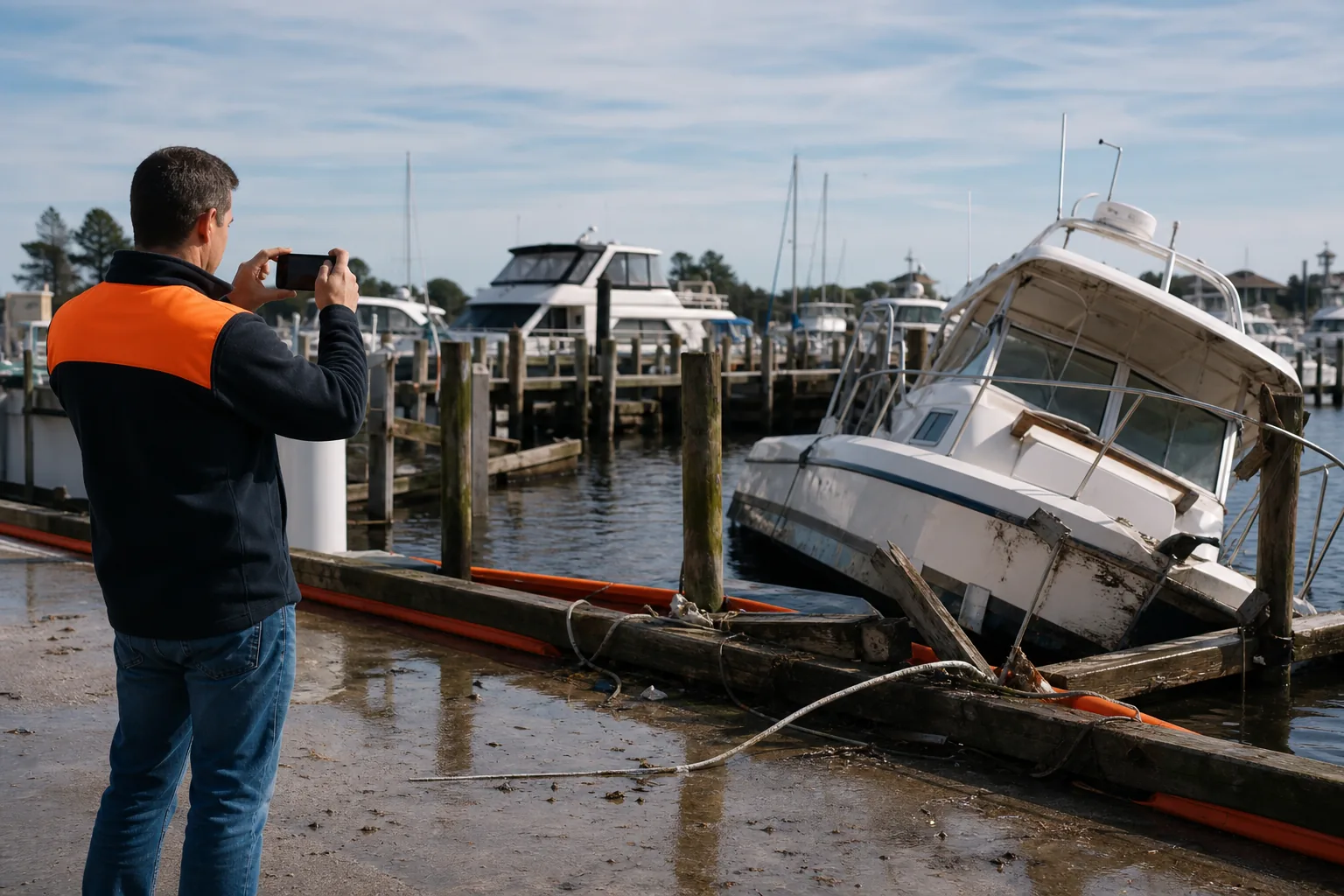
Take photos when you're safe. Photograph the vessel, damaged parts, dock, signs, lighting, water conditions, and your visible injuries. Take wide shots that show the whole scene. Then take close shots of cracks, dents, torn gear, blood, or loose hardware.
Don't clean or repair damaged personal items yet. Place wet clothing, damaged shoes, flotation gear, helmets, and other items in a safe place. Keep them as they were after the accident. If an item must be discarded for health reasons, photograph it first and write down why it was discarded.
Record what you remember in a private note. Include the time, place, weather, water conditions, vessel speed if known, direction of travel, warnings you heard, and the sequence of events. Don't edit the note to make it sound better. A plain account is more useful than a polished one.
Identify everyone who may have seen the event. Get names and contact details from passengers, other boaters, dock workers, crew members, and first responders. Ask witnesses what they saw, but don't coach them or argue about fault.
Ask for preservation of video. Marinas, tour operators, bridges, nearby businesses, and vessels may have cameras. Some systems overwrite footage quickly. Send a written request that the owner preserve recordings from the relevant time window. Don't assume a request means the owner must give you the video at once.
Keep the original photos and videos. Back them up in two places without changing the file names or edit history. Save messages, emails, receipts, rental forms, tickets, waivers, and insurance letters in one folder.
Don't post the accident on social media. Even a well-meant photo or comment can be read out of context. Give detailed facts to your lawyer instead.
Step 3: Determine Which Maritime Laws and Deadlines May Apply
A waterway injury attorney must first classify the accident. The legal path may change based on the water, vessel, worker status, passenger status, and person or company that caused the harm.
Start with the setting. A recreational boating crash on an inland lake may raise different issues from an injury on a commercial vessel, offshore platform, ferry, cruise ship, or dock. The fact that an accident happened near water doesn't answer which law applies.
Next, identify your role. A passenger, recreational boater, dock worker, commercial fisher, crew member, longshore worker, and vessel owner may have different rights. Your job duties matter. So does whether you were working on the vessel, loading cargo, maintaining equipment, or traveling as a customer.
Fault may involve more than the person steering. Possible issues include poor lookout, unsafe speed, missing safety gear, a defective part, bad maintenance, a dangerous dock, poor training, or an unsafe company rule. Don't decide the full case from one witness statement.
Deadlines are another reason to act early. A claim may have a short filing period. A ticket, contract, employment agreement, notice clause, or government defendant can add special rules. Some claims also require notice before a lawsuit begins.
Workers should ask whether the Jones Act or another federal worker protection law may apply. The Jones Act is a federal law concerning certain rights of seamen injured during employment, but a job title alone doesn't settle that question.
Don't rely on a deadline from a search result. Dates can turn on facts that aren't clear during the first week. A waterway injury attorney can review the accident date, the place, the parties, and any contract before giving a deadline assessment.
If the incident involved a dredge, cargo operation, or dock work, you may need a more focused review. The dredging accident injury guide covers evidence and legal questions that often arise in that setting.
Write down every possible date now. Include the accident, first treatment, last day of work, notice to an employer, notice to an operator, and any insurer response. That list gives your lawyer a clean starting point.
Step 4: Document Your Injuries, Losses, and Potential Liability
Good documentation connects the accident to the harm you suffered. A waterway injury attorney uses that record to assess liability, damages, and any defenses raised by the other side.
Keep a daily symptom record. Note pain, headaches, dizziness, sleep trouble, reduced movement, fear of returning to the water, and tasks you can't do. Write down the date and the effect on your day. A short entry is enough if you make it consistently.
Follow medical instructions. Attend follow-up visits or ask the provider why a visit is no longer needed. Tell your provider when treatment isn't helping. Gaps in care can have many causes, but the other side may still question them.
Save proof of financial loss. Keep pay records, work schedules, invoices, receipts, travel costs, pharmacy bills, and notices about missed shifts. If you run a business, preserve records that show canceled work or reduced income. Don't estimate a loss from memory when a record may exist.
Make a list of help you now need at home. This might include child care, transport, meal help, cleaning, or help with basic tasks. Ask family members to record the dates and time they spend helping. Don't pay someone in cash without a receipt if you can avoid it.
Liability may depend on several actors. The operator may have made a poor choice. The owner may have ignored a repair. A rental company may have supplied unsafe gear. A dock owner may have failed to fix a known hazard. A manufacturer may face questions if a part broke during normal use.
Keep your account consistent. Don't guess at speed, distance, weather, or what another person knew. Say “I don't know” when that is the honest answer. Correct a mistake promptly instead of leaving two versions in circulation.
Insurance companies may ask for a recorded statement soon after the accident. You can provide basic notice, but you don't have to build the other side's case before you understand your own. Ask a waterway injury attorney to review any release, waiver, or broad statement request.
Step 5: Consult a Waterway Injury Attorney Before Signing or Settling
Talk with a waterway injury attorney before signing a release or accepting a final settlement. Once you sign, you may give up claims that have not fully developed.
Bring a basic case file to the first meeting. Include the accident report, medical records, photos, witness list, insurance letters, tickets, contracts, pay records, and your timeline. You don't need a perfect file. The goal is to give the lawyer enough to spot urgent issues.
Ask questions that test fit, not sales skill:
- Have you handled accidents on the same type of water?
- Have you represented passengers, crew members, or dock workers?
- Which deadlines should I track right now?
- What records should I preserve?
- Who will handle day-to-day contact with me?
- How do case costs and fees work under the written agreement?
Ask how the lawyer sees the weak points. A useful first meeting should cover possible defenses, missing proof, medical uncertainty, insurance limits, and the risk of settling too soon. Be wary of a promise about a result before the facts are reviewed.
Settlement talks can begin before treatment ends. That isn't always wrong. But a quick offer may not account for future care, lost earning capacity, or symptoms that appear later. Ask what the release covers and whether it includes unknown injuries.
Don't sign a statement that says you have no injury, accept full fault, or release every party unless you understand the legal effect. Don't destroy messages or alter photos. Preserve the record even if some evidence feels unhelpful.
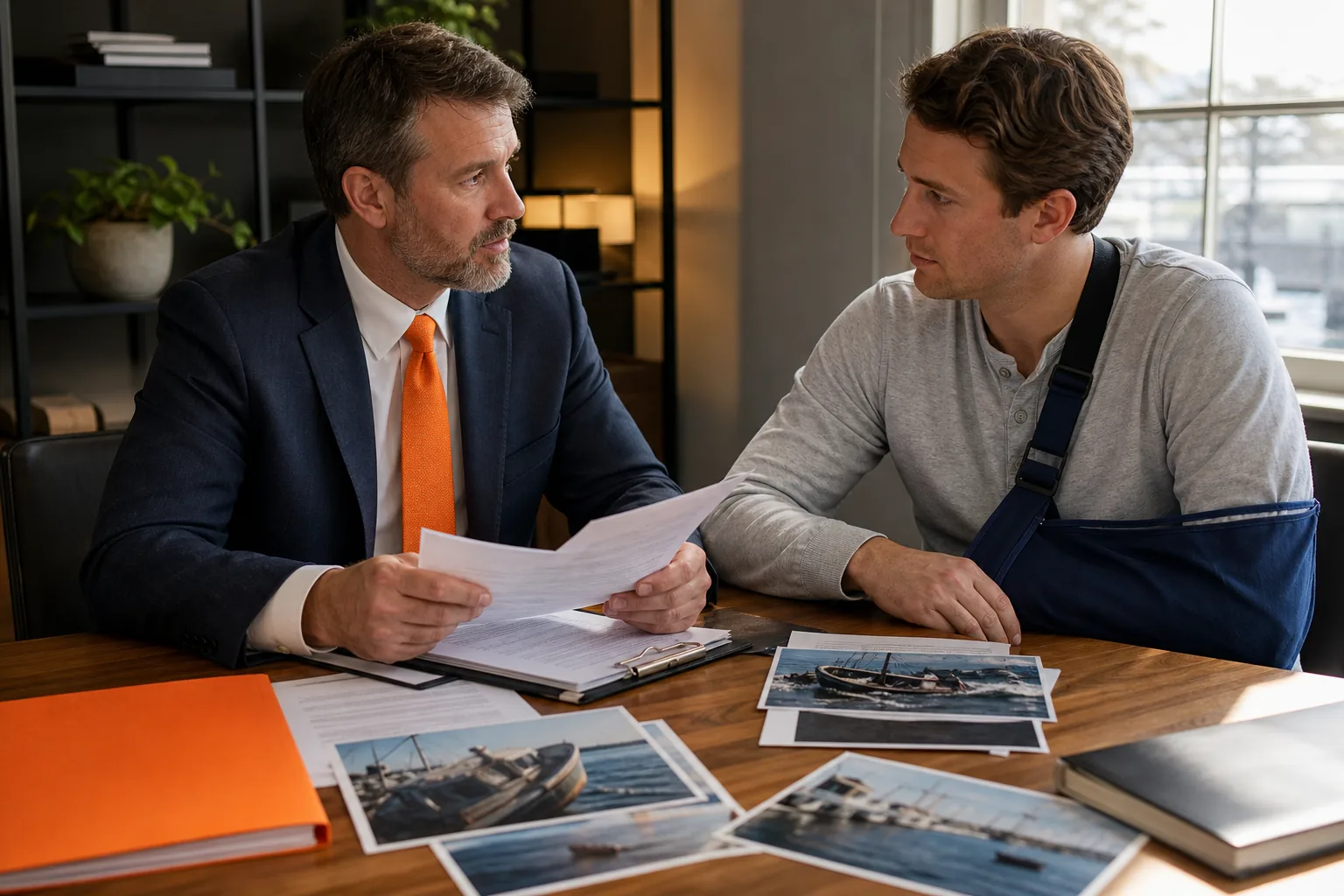
maritimeattorney.ai can be a starting point for people seeking information about maritime injury claims and the questions to raise in an initial consultation. Use the meeting to explain the facts plainly and ask what should happen next.
Choose a lawyer who can explain the legal path in words you understand. You should know what the lawyer needs from you, what deadlines may apply, and what decision remains yours.
FAQ: Waterway Injury Attorney Questions
When should I contact a waterway injury attorney?
Contact a waterway injury attorney soon after the accident, especially before giving a recorded statement or signing a release. Early advice can help preserve video, identify witnesses, and spot a filing deadline. You can seek legal guidance while medical care continues. You don't need to know who was at fault before making the first inquiry.
What should I do if the boat operator caused the accident?
Report the accident and get medical care before arguing with the operator. Save photos, witness details, messages, and the operator's identifying information. Fault may involve the owner, employer, rental company, or equipment maker as well as the person driving. A waterway injury attorney can review those possible claims after the facts are preserved.
Can I still bring a claim if I was partly at fault?
You may still have a claim if another party also contributed to the accident, but the effect of your fault depends on the law that applies. Don't admit fault in a text or insurance statement before getting advice. Share the full story with a waterway injury attorney, including facts that may feel unfavorable.
What compensation can a waterway injury claim include?
A waterway injury claim may include losses tied to medical care, income, reduced ability to work, pain, and other harm, depending on the claim and governing law. The amount can't be judged from the injury name alone. Keep bills, wage records, treatment notes, and a symptom log so the losses can be assessed.
Should I accept an insurance settlement after a boating accident?
Don't accept a final settlement until you know what rights the release gives up. An insurer may make an offer before the full medical picture is clear. Ask a waterway injury attorney to review the offer, release, policy terms, and claim deadline. A small early payment may not cover later care or lost income.
A careful first response protects both your health and your options. Get care, preserve the scene and records, then speak with a waterway injury attorney before signing a release. If you need a starting point, contact maritimeattorney.ai through its site and bring your timeline and documents to the discussion.