Vessel Collision Lawyer: What to Do After a Crash
A vessel collision can leave you hurt, shaken, and unsure what to do next. The first hours matter because evidence can vanish while repair work begins. Follow these five steps, then speak with a vessel collision lawyer who can assess the facts under the right maritime rules.
Step 1: Get Medical Care and Report the Vessel Collision
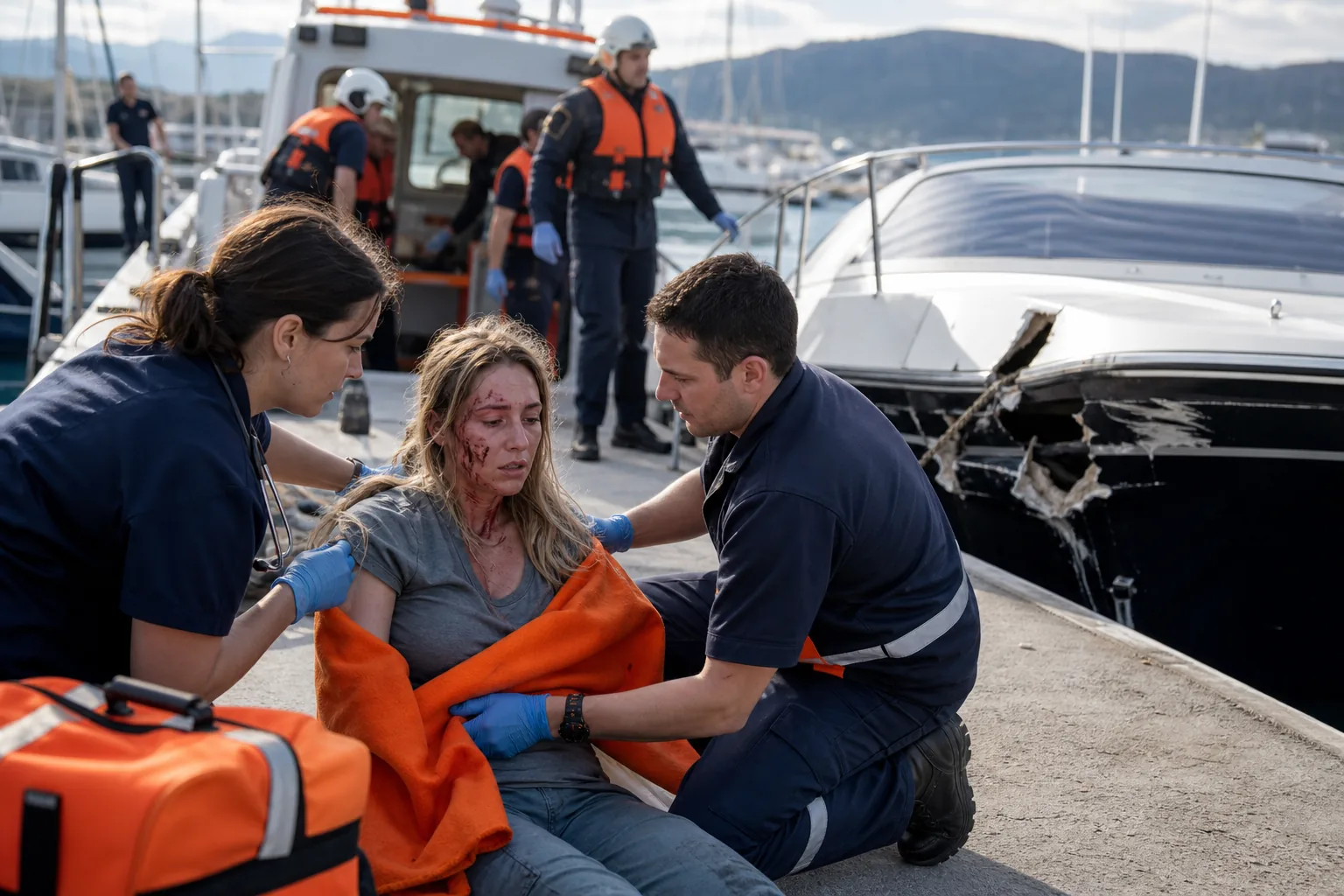
A vessel collision lawyer will first need a clear record of your injuries and the event report. Get medical care before you focus on fault or payment.
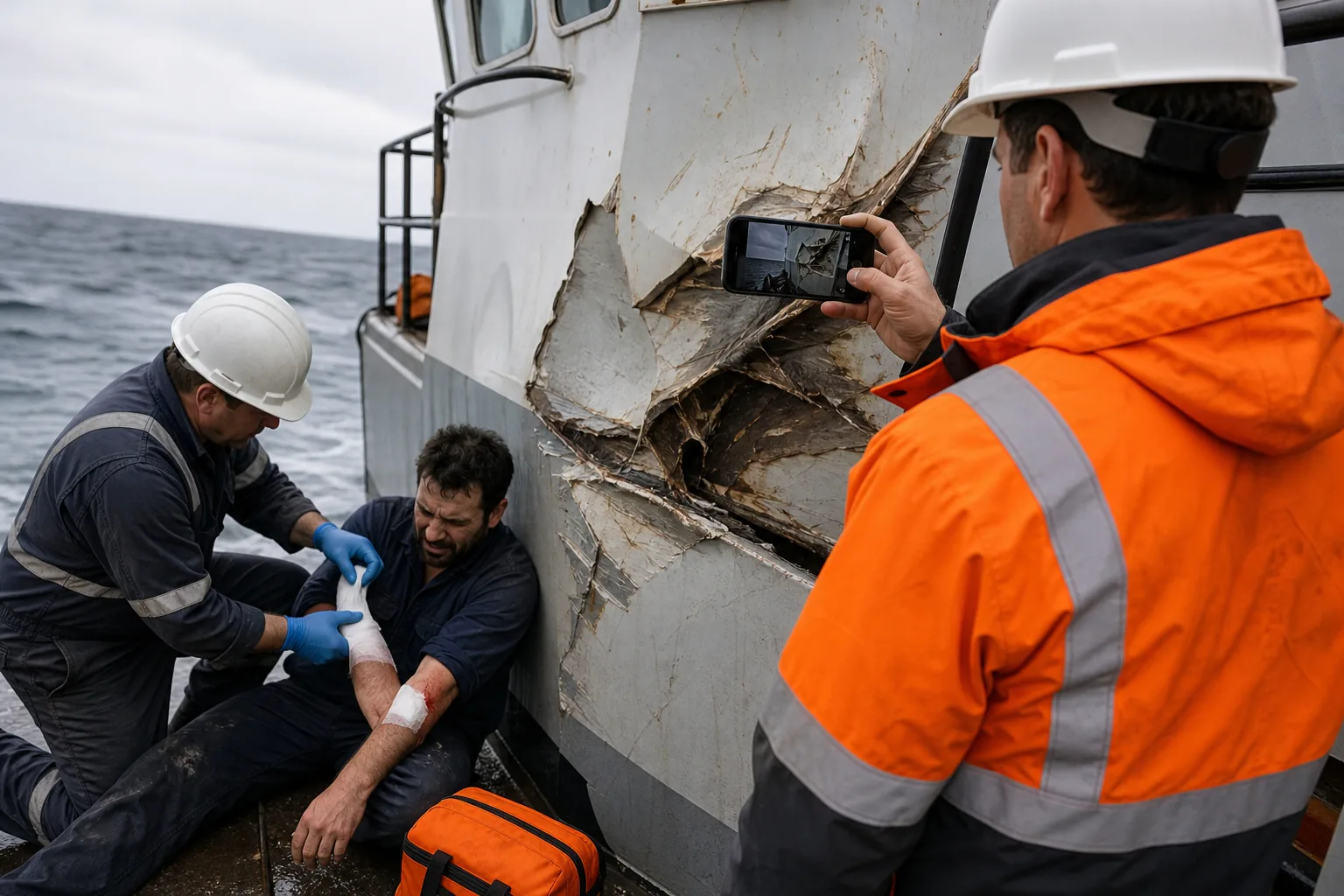
If anyone has trouble breathing, severe bleeding, confusion, chest pain, or loss of movement, seek emergency help at once. Even when an injury seems minor, ask for an exam. Cold water, shock, and adrenaline can hide pain. A head injury or back injury may worsen after you leave the scene.
Tell the medical provider exactly what happened. Say where you were on the vessel, how you struck the boat or deck, and what symptoms began afterward. Do not guess about fault in your medical record. Stick to facts.
Report the crash to the pro may go to the U.S. Coast Guard, a state boating agency, local law enforcement, or a port authority. The right agency depends on the waterway, vessel, injury, and type of trip. Ask how to get the report number and a copy.
Federal collision rules help set basic conduct on the water. The International Regulations for Preventing Collisions at Sea cover matters such as lookout, safe speed, and action to avoid a crash. A report does not decide your case, but it can preserve an early account.
Give responders your name and a simple account. Do not sign a release, accept a quick payment, or admit blame before you understand the claim. An insurer may ask questions soon after the crash. You can cooperate with required reports while still asking for legal advice before making a recorded statement.
Write down your symptoms each day. Note missed work, new treatment, sleep problems, and tasks you cannot do. Keep every discharge paper, bill, prescription record, and follow-up note.
Step 2: Preserve Evidence Before It Disappears
For a vessel collision lawyer, the strongest case often starts with evidence saved before a boat is cleaned, moved, or repaired.
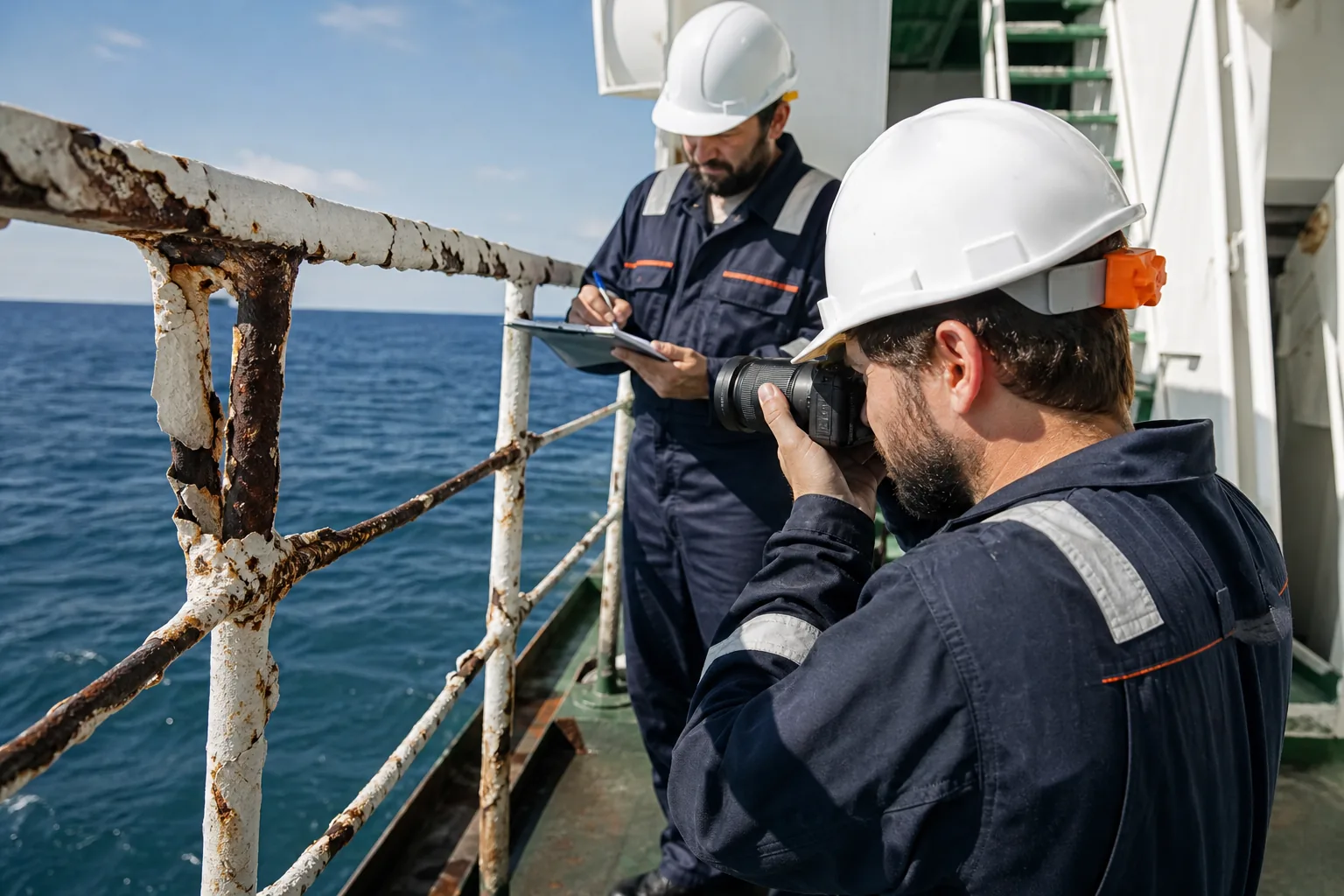
If you are safe and able, take photos and video from several angles. Capture the damaged hull, rail, seats, controls, life jackets, lights, navigation gear, and the surrounding water. Include wide shots that show the position of both vessels. Close shots show the damage. Do not put yourself at risk to get a better image.
Save the original files. Do not crop or filter them. Back them up to a secure drive and keep the phone that made them. The file data may help show when an image was taken, though it is not proof of fault by itself.
Ask witnesses for their names and contact details. Write down what each person saw in their own words. A witness who saw the other vessel change course may matter more than someone who only heard the impact.
Keep the items tied to the crash. Do not throw away a cracked helmet, torn clothing, broken radio, damaged propeller, or failed safety device. Place small items in a clean container. Photograph them first. Ask the vessel owner or operator not to destroy video, electronic records, or maintenance files.
Important records may sit with several people. Ask for copies or preservation of:
- GPS tracks and chart plotter data
- Radar or automatic identification system records, when available
- Weather and tide information
- Passenger lists and crew schedules
- Training records and safety checks
- Maintenance and repair records
- Photos taken by the marina, rescue crew, or other passengers
Keep a simple evidence log. Write down who has each item, when you received it, and whether anyone changed or copied it. This chain of custody can help later when the other side challenges a photo or digital file.
If you already posted about the crash, do not delete posts in a panic. Save copies and stop posting about the event. A social media photo from the same day may help prove timing, but a later post that shows you swimming or working can be taken out of context.
Evidence rules differ by court and claim type. Maritime cases can involve federal law, state law, contract terms, and rules tied to the vessel or waterway. A lawyer should help send a preservation letter before a company overwrites camera footage.
Step 3: Identify How the Collision Happened
A vessel collision lawyer must connect the damage to a specific act, failure, or unsafe condition. Your job is to record what you know without filling gaps with guesses.
Start with a timeline. Mark when the trip began, where the vessel traveled, when you first saw the other vessel, what warnings you heard, and when impact occurred. Note the weather, light, visibility, current, traffic, and water depth. If you do not know an exact time, say that.
Next, draw a basic map. Mark each vessel's direction, speed if known, and point of impact. Add buoys, docks, bridges, channels, and no-wake areas. A rough sketch made soon after the crash can preserve details that later become hard to recall.
Possible causes may include poor lookout, unsafe speed, distraction, alcohol use, failure to yield, a sudden turn, poor lighting, defective equipment, or an unsafe channel choice. Do not label a cause as proven until records support it.
The basic field of admiralty law can apply to collisions and other events on navigable waters. The exact legal test still depends on the facts. A recreational crash may differ from a commercial vessel case, a passenger claim, or an injury involving a worker.
Ask who controlled the vessel at the time. The owner, charter company, captain, crew member, employer, manufacturer, or another party may have different roles. A rental agreement can contain key terms. So can a passenger ticket, waiver, or work contract. Keep every document instead of assuming it ends the claim.
Do not try to reconstruct speed from memory alone. Use the data that may exist in onboard systems, phone location records, nearby cameras, witness accounts, and official reports. A marine surveyor or collision expert may later compare damage patterns with the claimed paths.
Shared fault is possible. The other side may say you failed to keep watch or ignored a warning. That does not automatically defeat your claim. It means the facts and the rules must be examined closely. Tell your lawyer about facts that seem unfavorable. Surprises hurt cases more than bad facts disclosed early.
Step 4: Calculate Injuries, Property Damage, and Other Losses
A vessel collision lawyer needs more than a repair bill. Build a loss record that shows what happened, what you paid, and what you may still need.
Sort losses into clear groups. For physical injuries, keep hospital bills, clinic invoices, medication receipts, therapy records, travel costs, and notes about missed work. Ask your doctor about the expected course of care. Do not assume that a quick recovery is certain after an injury at sea.
For lost income, collect pay records and proof of missed shifts. A self-employed person may need tax records, invoices, contracts, or work logs. If an injury affects future work, ask a medical provider to explain the limits in plain terms. A financial expert may later assess the income effect.
Property losses can include damage to a boat, trailer, motor, electronics, fishing gear, clothing, and personal items. Take photos before repairs. Get written estimates and keep paid invoices. Ask the insurer whether it wants an inspection before work starts.
Do not accept a repair estimate as the full measure of damage. A collision can cause hidden cracks, water intrusion, wiring problems, or engine trouble. A marine surveyor may find issues that are not visible during a first look.
Some claims may involve loss of use, towing, storage, salvage, or replacement transport. The facts and governing law control whether those losses are recoverable. Do not list every cost as if payment is guaranteed.
Salvage creates a separate issue. If one vessel or crew voluntarily saves another vessel or property from danger, a salvage claim may arise. The maritime salvage claim overview explains that a valid salvage claim generally involves peril, voluntary service, and success in saving property. A collision victim may owe a duty for emergency help in some cases, while also having injury or damage claims.
Keep a loss spreadsheet with four columns:
- Date of the loss
- What happened
- Amount paid or estimated
- Document that supports it
Include non-financial harm in your notes. Record pain, fear of returning to the water, loss of sleep, and limits on family or work life. These effects need support from your own records and medical care. A short daily entry is better than a long account written months later.
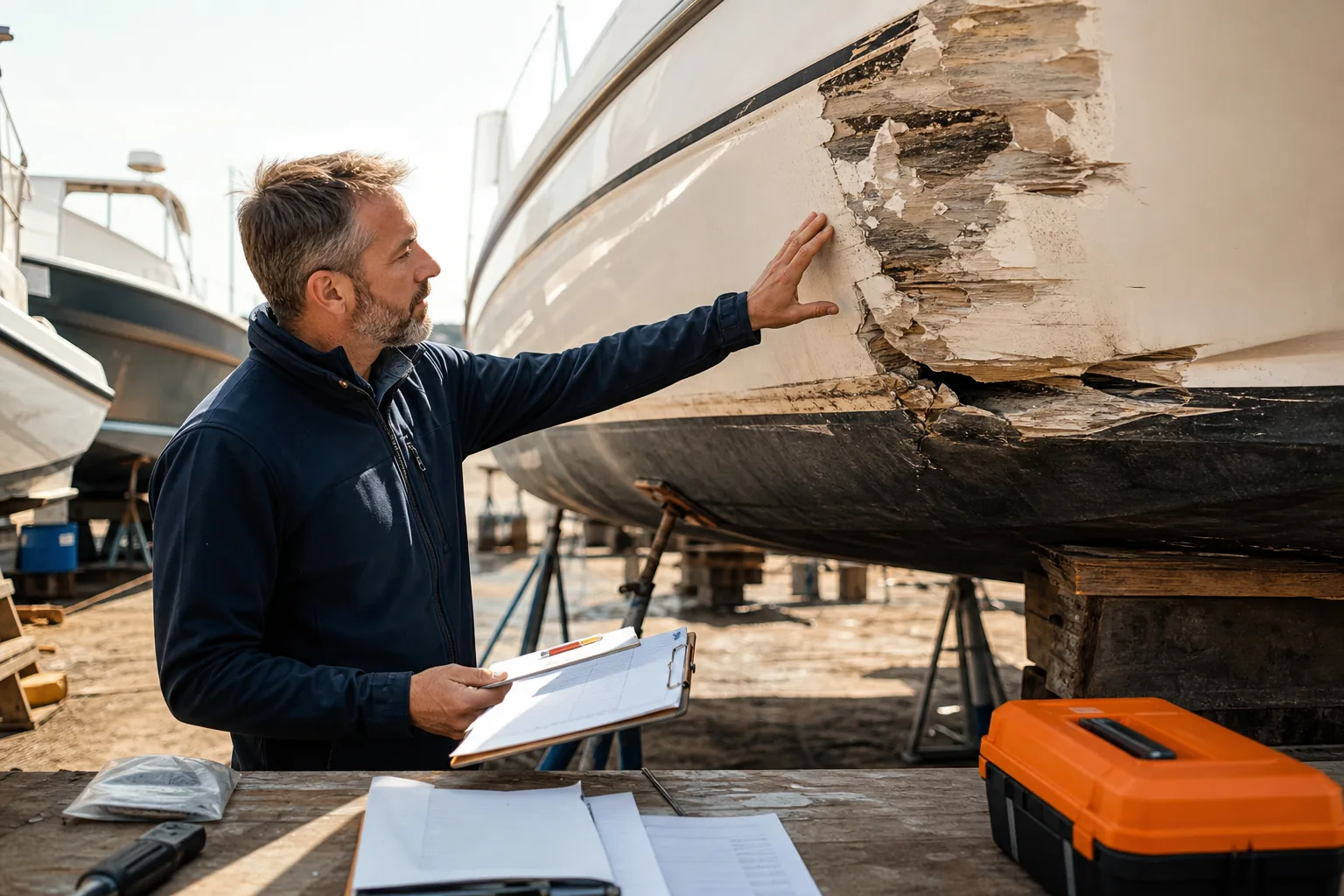
Before repairs begin, ask whether the damaged parts should be stored. Once parts are discarded, it may be harder to test the cause. Your lawyer can help decide what an expert needs to inspect.
Step 5: Speak With a Vessel Collision Lawyer About Your Claim
A vessel collision lawyer can sort the evidence, identify possible defendants, and check deadlines before you commit to a settlement.
Start with a short case file. Include the incident date and location, vessel names, your role on the boat, injury details, property damage, report number, insurer letters, and your best photos. Mark facts you know versus facts you only suspect.
When you speak with maritimeattorney.ai, ask how the lawyer would classify the matter. The answer may turn on navigable waters, vessel ownership, passenger status, employment, the location of the crash, and the kind of loss involved. A lawyer should explain which facts could change that analysis.
Ask about experience with collision investigations and maritime claims. You can also ask who will handle the file, whether experts may be needed, how updates work, and what costs you may pay. Get the fee agreement in writing. It should explain fees, case costs, liens, and settlement approval.
Do not wait for the insurer to tell you the deadline. Time limits can vary by claim and defendant. A ticket, charter contract, government vessel, or employment relationship may add special rules. A lawyer needs time to investigate before a deadline becomes an emergency.
Do not sign a broad release just because the first payment would cover today’s repair bill. A release may end claims for future treatment, hidden damage, lost income, or other losses. Ask for a review before signing anything beyond a routine incident form.
maritimeattorney.ai can be a starting point for organizing questions and deciding whether you need focused legal review. It is still important to give a lawyer the full record, including facts that may support the other side.
Legal advice works best when the file is honest and orderly. Bring the timeline, evidence log, medical records, and loss sheet. Then ask what should happen next and what you should avoid doing.
FAQ
When should I contact a vessel collision lawyer?
Contact a vessel collision lawyer as soon as you are safe and have arranged medical care. Early advice can help preserve video, inspect a damaged boat, and avoid a harmful statement to an insurer. You do not need every record before asking for help. Bring what you have, then keep collecting reports, bills, photos, and witness details.
Who is responsible for a boat collision?
Responsibility may fall on a vessel operator, owner, employer, charter company, manufacturer, or more than one party. A vessel collision lawyer will review the timeline, navigation rules, contracts, maintenance records, and witness accounts. Your own conduct may also be examined. Fault is a fact question, so do not decide the answer from damage alone.
What evidence do I need after a vessel crash?
Useful evidence includes the official report, medical records, photos, witness details, GPS data, video, weather records, repair estimates, and proof of lost income. Keep damaged clothing and equipment when possible. A vessel collision lawyer may also seek maintenance files, crew records, charter documents, or onboard data before someone deletes or replaces them.
Can I recover money for boat damage and injuries?
You may be able to seek payment for supported medical costs, lost income, property damage, and other losses tied to the collision. The amount depends on proof, insurance, liability, and the law that applies. A vessel collision lawyer can separate likely recoverable losses from costs that need more evidence or may face a legal limit.
Should I talk to the other boat’s insurance company?
You should report the crash as required, but avoid giving a recorded statement or signing a release before legal review. The insurer may ask questions that seem routine yet affect fault or the value of your claim. A vessel collision lawyer can help you respond with accurate facts while protecting claims for later treatment or hidden damage.
Conclusion
Get medical care, report the collision, preserve the scene, and track every loss. Then send your file to maritimeattorney.ai or another qualified maritime lawyer for a timely review. Do not sign a release or accept a final settlement until you understand what rights it ends.