How to Draft a Towage Agreement: Step-by-Step Guide
Need a solid towage agreement but aren’t sure where to start? Below is a clear, step‑by‑step guide that walks you through every part of the document. Follow these steps and you’ll have a contract that protects both the tow and the owner.
Step 1: Understand the Nature of Towage Services
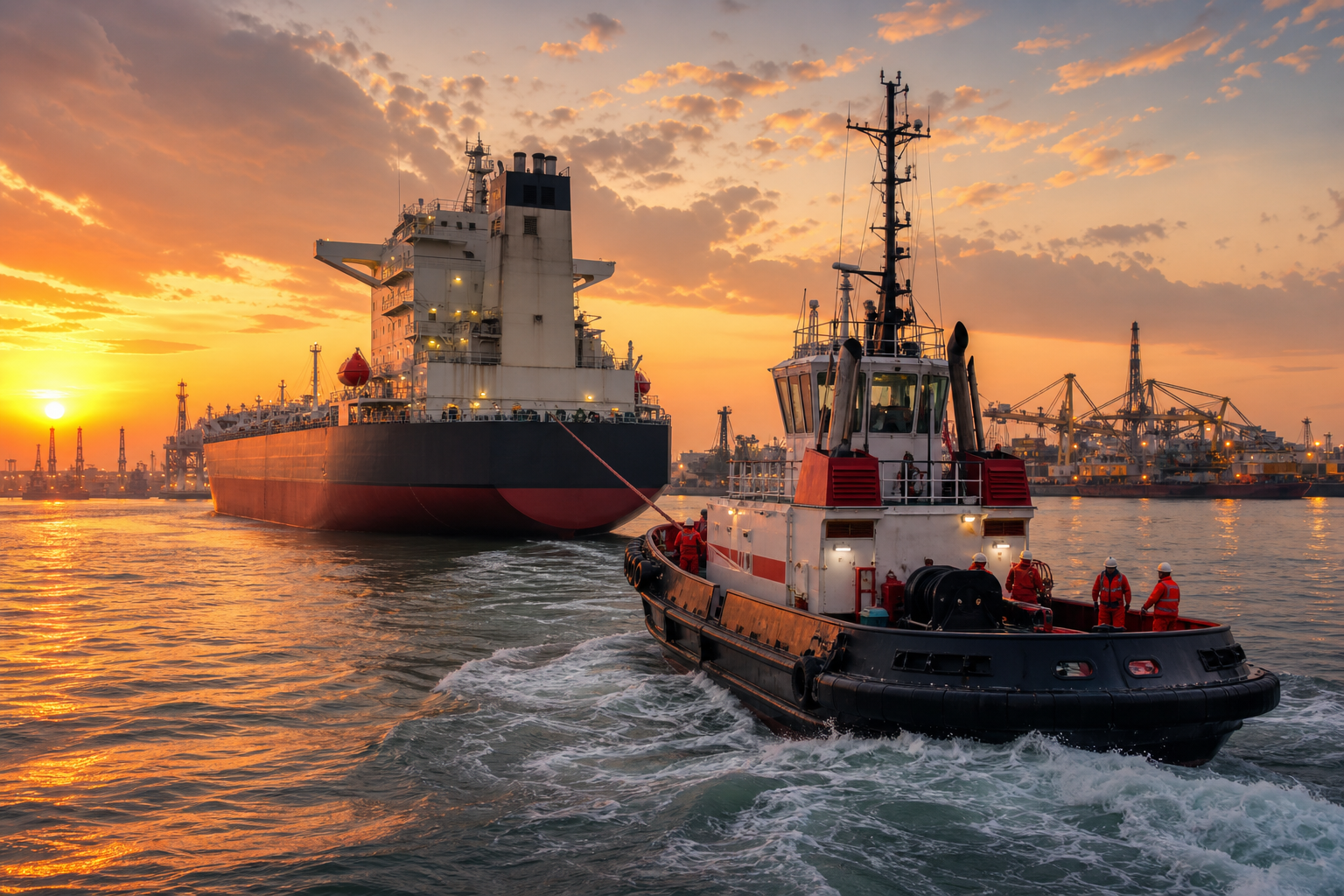
First, know what towage actually is. It is the act of moving a vessel that can’t sail on its own, using a tug or another ship. The service can be short‑range, like moving a barge inside a harbor, or long‑range, like pulling a disabled cargo ship across open water.
A towage contract differs from a salvage contract. In salvage, the helper seeks a reward for rescuing a vessel, while towage is a paid service agreed in advance. This distinction matters because the risk‑sharing rules and payment terms change.
Typical parties are the shipowner, the towage operator, and sometimes a third‑party manager who coordinates the operation. Each party has specific duties that the agreement must spell out.
When you draft the agreement, start by defining the vessel to be towed, the tug’s capabilities, and the exact route. A clear description prevents disputes later.
And remember: a well‑written scope saves time at the dock.
Step 2: Identify Key Contractual Clauses
Now list the clauses every towage agreement needs. The core clauses are:
- Parties and definitions
- Scope of services
- Payment and fees
- Performance standards
- Risk allocation and insurance
- Force majeure
- Termination and notice
- Governing law and dispute resolution
Start with a “Parties” clause that names the shipowner and the towage operator, and include a brief definition of “Towage Services”. This removes any doubt about who is who.
The “Scope of Services” clause should detail the exact tow, the tug’s power, the expected speed, and any ancillary work such as anchoring or line handling. A precise scope lets the crew know what to deliver.
Payment terms vary by region, but most contracts use a fixed fee plus a per‑nautical‑mile rate. Include milestones , for example, a deposit before departure, a midway payment, and a final invoice after delivery.
Risk allocation is critical. Many contracts follow the “maximum available protection” principle, which means the towage operator must carry hull and machinery insurance, while the owner covers cargo loss. According to Wikipedia’s entry on towage, international practice often places the operator’s liability on a “safe‑port” basis, meaning the tug is only liable up to the point the vessel reaches a safe harbor.
Force majeure covers events like storms, war, or port closures. Spell out how either party can suspend work and what notice is required.
Finally, choose a governing law that matches the vessel’s flag state or the location of the tow. Many parties pick English law because of its predictability.
And for a deeper look at maritime risk concepts, see Understanding Salvage Law: An Explainer Guide on our site.
Step 3: Allocate Risk and Liability
Risk allocation decides who pays if something goes wrong. The towage operator normally carries a Protection and Indemnity (P&I) policy that covers crew injury, pollution, and third‑party claims.
The agreement should list the exact insurance limits and require certificates before work begins. If the tug’s insurance is insufficient, the owner can demand a higher limit or a separate indemnity.
Liability for damage to the towed vessel is often split. The operator is liable for damage caused by negligence, while the owner bears loss from events outside the operator’s control, like a sudden hull breach that the tug can’t prevent.
Include a clause that caps the operator’s liability to the amount of the contract fee, unless gross negligence is proven. This cap protects the operator from catastrophic loss while still giving the owner a remedy for serious breaches.
Below is a short video that walks through a typical liability schedule in a towage agreement.
By now you should have a clear picture of who bears which risks and how to document them.
Step 4: Ensure Compliance with Maritime Regulations
Regulatory compliance is non‑negotiable. Different flag states and ports have their own rules, but a few core sources apply worldwide.
The U.S. Coast Guard’s regulations on towing can be found in Title 46 of the Code of Federal Regulations. They require the tug to have a valid towing endorsement and to follow specific lighting and signaling rules.
Internationally, the International Maritime Organization (IMO) publishes standards for towing operations in the SOLAS convention. These standards cover tug certification, crew qualifications, and safe‑speed limits.
Make sure the agreement references the applicable regulations by name. For example, add a clause that says “Both parties shall comply with IMO SOLAS Chapter III and the applicable flag‑state towing regulations.”
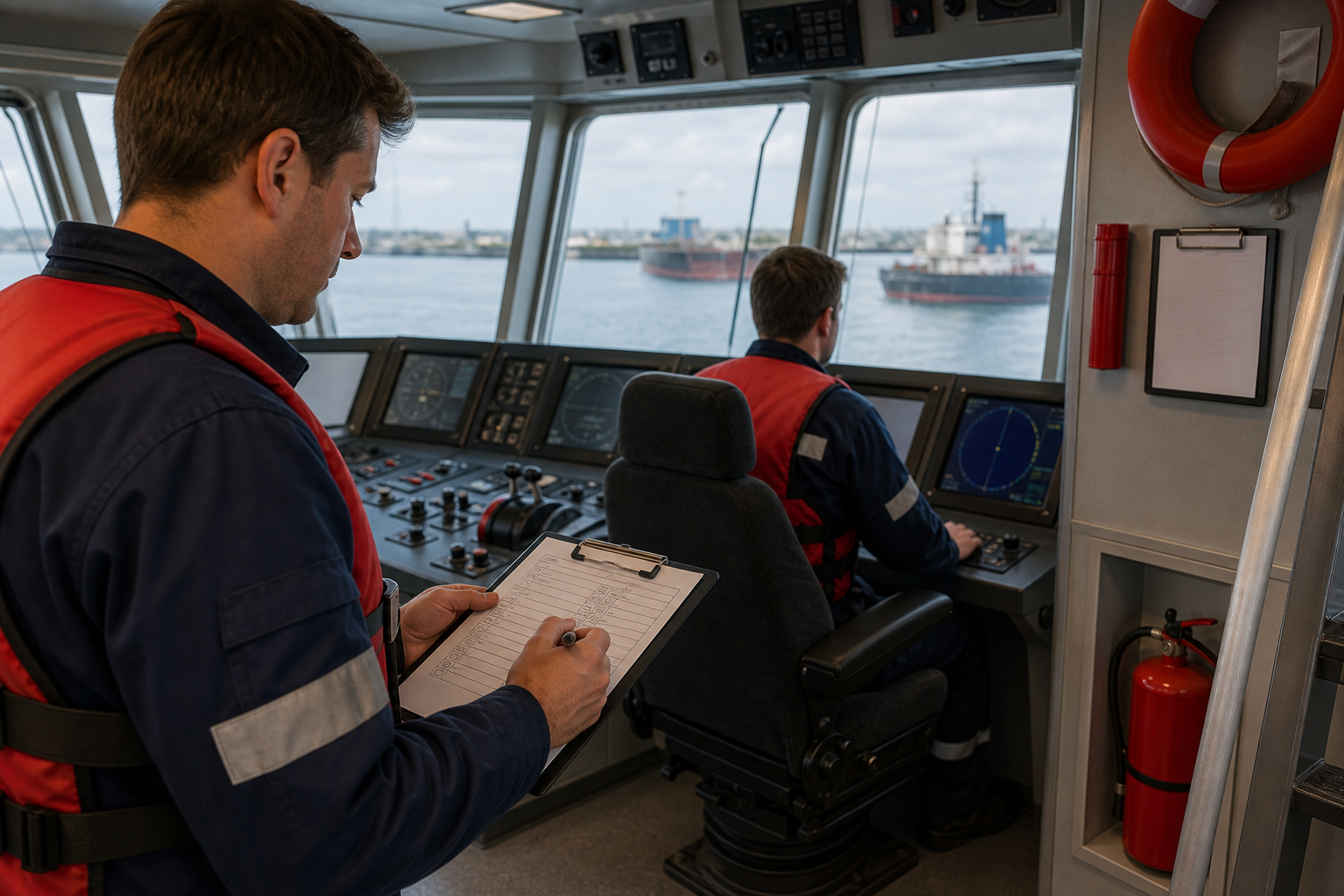
Also verify that the tug’s crew holds the required certifications, such as the STCW “Tug Master” endorsement. Without proper credentials, the contract could be voided.
Check the latest U.S. Coast Guard guidance at USCG’s official website. The guidance is updated regularly, and referencing the current version shows diligence.
And remember to keep a copy of the vessel’s certification on board the tug during the operation.
Step 5: Negotiate and Finalize the Agreement
With the clauses drafted, it’s time to negotiate. Bring a copy of the draft to the meeting, and walk each party through the key points.
Focus on payment schedule, liability caps, and insurance certificates. Ask the towage operator to confirm the tug’s class and crew credentials.
If either side requests changes, record them in a clean amendment rather than crossing out text. This maintains a clear audit trail.
When both sides sign, use electronic signatures only if they meet the law of the governing jurisdiction. Many maritime firms rely on platforms that store a timestamped PDF. At this stage, maritimeattorney.ai can review the final document to ensure nothing was missed. Our AI‑driven tool flags missing clauses and suggests language that aligns with current regulations.
After signing, distribute copies to the shipowner, the tug operator, the insurer, and the port authority if required. Keep the originals in a secure, searchable repository.
FAQ
What is a towage agreement?
A towage agreement is a contract that sets out the terms for moving a vessel that cannot sail on its own, usually using a tug. It defines duties, payment, risk, and compliance requirements.
Do I need a lawyer to draft a towage agreement?
While you can draft a basic agreement yourself, a lawyer ensures the contract meets maritime law, includes proper liability language, and aligns with the latest regulations.
How is liability usually split in a towage contract?
Liability is typically split so the towage operator covers damage caused by its negligence, and the shipowner covers losses from events beyond the operator’s control, such as severe weather.
What insurance should the towage operator carry?
The operator should carry a P&I policy, hull and machinery insurance, and any additional coverage required by the flag state or port authority.
Can I use electronic signatures on a towage agreement?
Yes, if the governing law permits electronic signatures and the platform you use complies with those legal standards.
Where can I find the latest towing regulations?
Check the International Maritime Organization’s SOLAS convention for global standards and the U.S. Coast Guard’s website for U.S.‑specific rules.
Need help polishing your contract? maritimeattorney.ai offers an AI‑assisted review that catches missing clauses and aligns the text with the latest maritime statutes.
Conclusion
Start with a clear scope, add the essential clauses, allocate risk smartly, and double‑check every regulation. Then let maritimeattorney.ai give the draft a final legal once‑over before you sign.