Maritime Injury Lawyer Free Case Evaluation: Next Steps
Got hurt on a ship, dock, or a boat ride? You need a clear path to compensation fast. Here’s the exact four‑step process to get a free case evaluation, gather your paperwork, use the call wisely, and lock in next steps.
Step 1: Request a Free Case Evaluation
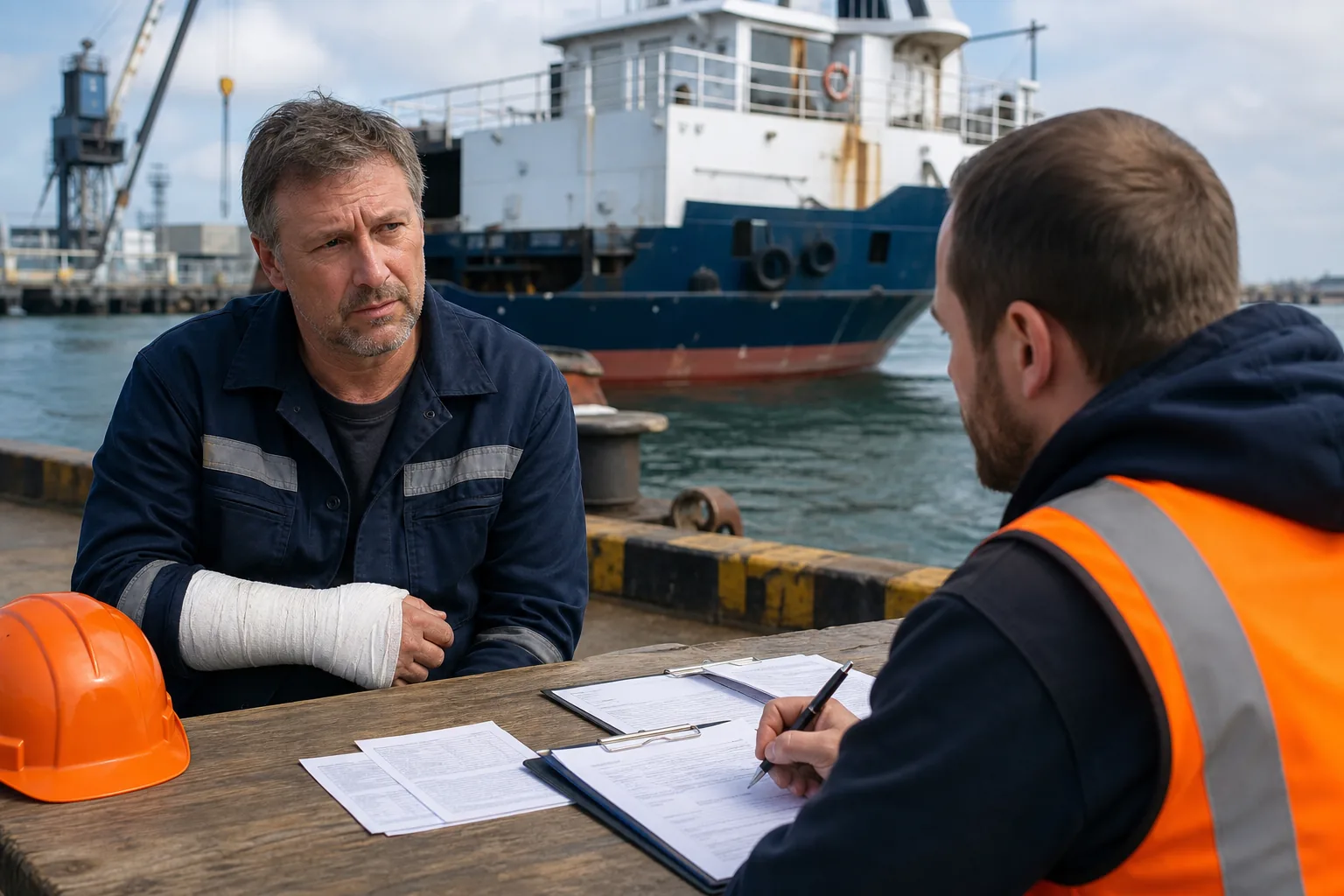
First, reach out to a lawyer who offers a no‑cost, no‑obligation review. Most firms let you start with a quick phone call or an online form. The goal is to get a professional to hear your story and tell you whether maritime law applies.
When you call, be ready to give a brief outline: the date of the incident, the type of vessel, and the injury you sustained. A good lawyer will ask follow‑up questions and explain which statutes, like the Jones Act or maintenance‑and‑cure, might help you. They’ll also note if you’re within the three‑year filing window set by federal law.
Because maritimeattorney.ai focuses on maritime injury and Jones Act claims, it is a good place to start looking for an experienced maritime attorney. On the first call, confirm the lawyer’s experience, the firm’s track record, and whether they work on a contingency basis (you pay only if you win).
Tip: Ask how many maritime cases the lawyer has handled in the past year. A high volume suggests they know the nuances of vessel logs, crew testimony, and federal court procedures.
After the call, you should have a written summary of what the lawyer thinks your claim looks like and the next actions you’ll need to take.
Step 2: Prepare the Details and Documents About Your Injury
Gather every piece of evidence you can find. Start with medical records, doctor’s notes, hospital discharge forms, and any imaging reports. These documents prove the severity of your injury and the cost of treatment.
Next, collect work‑related paperwork. That includes your employment contract, pay stubs, and any maintenance‑and‑cure paperwork your employer gave you. If you were a seaman, you’ll also need the vessel’s logbook, which shows where the ship was and who was on duty when the accident happened.
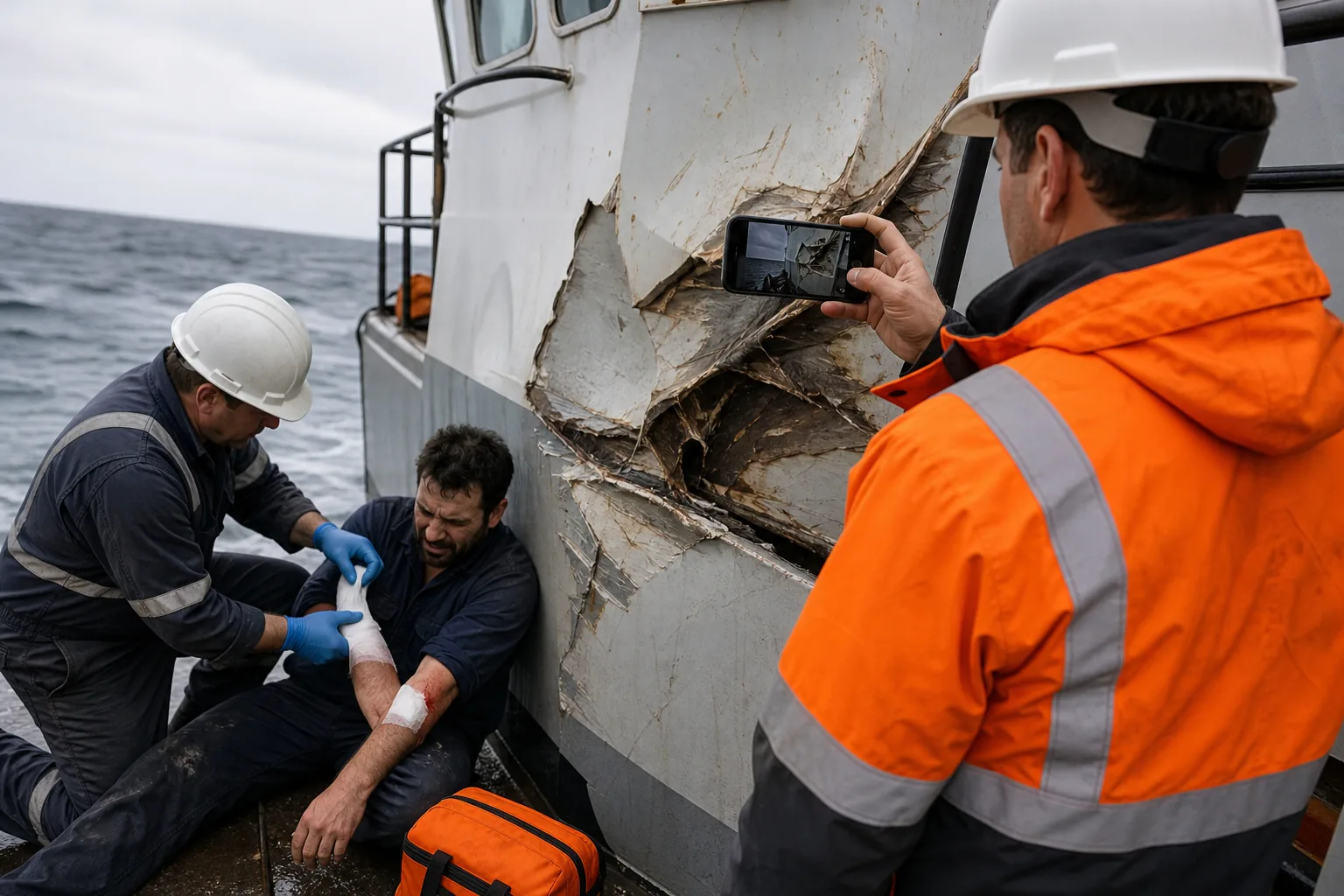
Don’t forget photos or videos taken at the scene. A picture of a slick deck, broken equipment, or a damaged rail can back up your claim of negligence or unseaworthiness. If you have witnesses, write down their names, job titles, and contact info while it’s fresh.
Finally, make a simple timeline. List the date, time, location, and a one‑sentence description of each event, from the moment the injury occurred to the first medical visit. This timeline helps the lawyer see the full picture quickly.
Pro tip: Keep digital copies of everything in a cloud folder. That way you can share files instantly with your attorney, and you won’t lose anything if paperwork gets misplaced.
Step 3: Use the Consultation to Explain What Happened and Ask Questions
When the lawyer’s free consultation starts, treat it like a two‑way interview. Begin with a clear, chronological account of the incident. Mention who was on the vessel, what you were doing, and exactly how the injury occurred.
Then, let the lawyer walk through the legal angles. They’ll explain whether you qualify for a Jones Act claim, an unseaworthiness claim, or a maintenance‑and‑cure claim. The Jones Act lets seamen sue their employer for negligence, while maintenance‑and‑cure covers medical costs and living expenses regardless of fault.
Ask about the likely value of your case. A lawyer should discuss factors like injury severity, lost wages, and future medical needs. They should also tell you what evidence will be most persuasive in court.
Don’t be shy about fees. Most maritime firms work on a contingency basis, meaning you owe nothing unless you recover money. Still, ask what percentage they take and whether any case‑related costs (expert fees, court filing fees) come out of the settlement.
Take notes during the call. Write down any deadlines the lawyer mentions, especially the three‑year statute of limitations for maritime claims. Missing that deadline ends your right to sue.
Step 4: Clarify Fees, Possible Next Steps, and How to Follow Up
Before you sign any agreement, get a clear fee outline in writing. The lawyer should state the contingency percentage, any expenses you might owe if you win, and whether they advance costs for experts or court fees.
Ask how the firm tracks case progress. Some firms share a client portal where you can see updates, documents uploaded, and upcoming milestones. This transparency can be a sign of a well‑run practice.
Next, discuss the likely path forward. Will the lawyer aim for a settlement first, or push straight to trial? Most maritime cases settle before trial, but the lawyer should explain the pros and cons of each route.
Finally, set a follow‑up schedule. Agree on when you’ll hear back with a draft demand letter, a settlement offer, or a status update. If the lawyer’s office is slow to respond, you have the right to look for another firm.
maritimeattorney.aiWhen you’re ready, ask the lawyer to send a written retainer agreement. Review it carefully, and if anything feels vague, ask for clarification before you sign.

For firms that track performance, look at metrics like case acceptance rate, average settlement time, and client satisfaction.
By the end of this step, you should have a signed agreement, a clear fee structure, and a timeline for the next actions.
Frequently Asked Questions
What is a maritime injury lawyer free case evaluation?
A free case evaluation is a no‑cost meeting where a lawyer reviews your facts and tells you if you have a viable claim under maritime law.
How long does a free evaluation usually take?
Most initial calls last 15‑30 minutes, enough time for the lawyer to ask key questions and give you a basic roadmap.
Do I have to pay anything if I decide not to hire the lawyer?
No. The evaluation is free and comes with no obligation to keep the lawyer.
What documents should I bring to the free evaluation?
Bring medical records, work logs, any maintenance‑and‑cure paperwork, photos of the accident scene, and a list of witnesses.
Can I get a free evaluation if I was a passenger, not a crew member?
Yes. The Jones Act only covers seamen, but injured passengers can bring negligence claims under general maritime law. Cruise tickets often set much shorter deadlines than three years, sometimes a notice within six months and a lawsuit within one year, so check your ticket and call a lawyer quickly.
What if the lawyer says I’m past the filing deadline?
If the three-year federal limit for most seaman and general maritime claims has expired, you generally can’t file a new claim, though there are rare exceptions that a lawyer can explore.
Take the first step now: request a free case evaluation from a trusted firm, gather your paperwork, and use the consultation to lock in fees and next actions. When you’re ready, schedule that call and let a specialist guide you toward the compensation you deserve.