
Top Resources for a Maritime Injury Claim Settlement Calculator
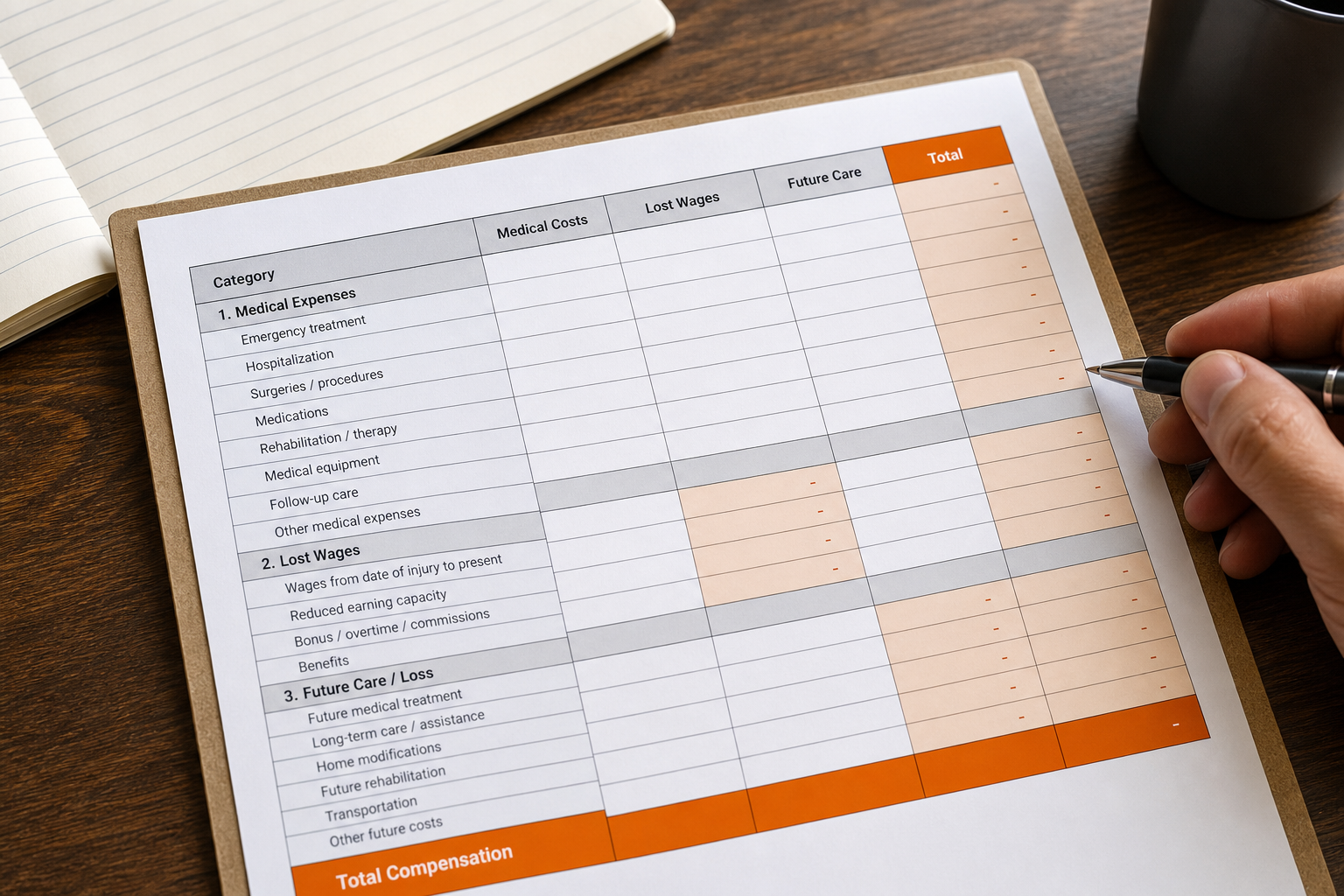
Got a maritime injury and need to know what you might walk away with? A settlement calculator can give you a ball‑park number fast. Below are the core resources you’ll need to turn that number into a solid claim.
Settlement Calculator Resources: What an Estimate Can and Cannot Show
Most free calculators pull data from public verdicts, court filings, and industry reports. They crunch your inputs, injury type, employer category, wage info, into a low, mid, and high range. That range helps you set realistic expectations before you talk to a lawyer.
Because the models are algorithmic, they can’t predict how a judge will weigh credibility, how an insurer will negotiate, or whether new case law will shift damages. Think of the output as a starting point, not a guarantee.
The Jones Act Calculator editorial standards explain that their estimates are fact‑checked against primary sources and updated quarterly. They also note that the site is not a law firm and that you should confirm any legal point with a licensed attorney.
CostSignals offers a similar tool that breaks the estimate into medical costs, lost wages, and non‑economic damages. Their methodology uses six key variables and applies location‑specific multipliers drawn from industry databases updated for 2026. The tool also lets you download a CSV or PDF report for easy sharing with counsel.
Bottom line: an online calculator gives you a quick snapshot, but you’ll still need expert review to turn that snapshot into a claim.
Compensation Worksheet: Income Loss, Medical Costs, and Future Damages
A good worksheet lets you plug numbers into the calculator and see how each category contributes to the total. Start with documented medical bills, hospital stays, surgeries, rehab, and prescription costs. Then add any out‑of‑pocket expenses like transportation to appointments.
Next, calculate lost wages. Pull pay stubs, timesheets, or employer statements to show how many hours you missed and what your hourly rate was. For future earnings, consider career trajectory, any expected promotions, and the impact of permanent impairment.
Future medical costs can be the toughest line item. Work with a physician to estimate ongoing therapy, assistive devices, or potential surgeries years down the line. Many calculators let you apply a multiplier to current costs to approximate these long‑term expenses.
Our internal guide walks you through each step of the worksheet. How to Use a Jones Act Settlement Calculator in 2026 shows screenshots and tips for entering data accurately.
When the numbers are in, you’ll see a clear break‑down: medical, wage loss, and future care. That breakdown makes it easier to tell a lawyer where the biggest gaps are.
Key Takeaway: Separate each damage type on its own line; the calculator will treat them as distinct buckets, which strengthens the final claim.
Legal Claim Resources: Jones Act, Unseaworthiness, and Maintenance and Cure
The Jones Act gives seamen the right to sue their employer for negligence. It covers lost wages, medical expenses, and pain‑and‑suffering. If the vessel itself was unsafe, you can also file an unseaworthiness claim, which doesn’t require proof of employer fault.
Maintenance and cure is a separate maritime doctrine that requires the employer to cover all reasonable living and medical expenses while you’re unable to work, regardless of fault. This can add a sizable amount to any settlement.
Understanding how these three pillars interact helps you decide which damages to ask for and which legal theories to lean on.
Pro Tip: When you first speak with a maritime attorney, bring the calculator’s PDF report and the worksheet you filled out. That combo lets the lawyer see both the numbers and the underlying documentation.
Bottom line: the Jones Act, unseaworthiness, and maintenance‑and‑cure each cover different loss categories. Knowing which applies to your case can boost the final figure.
Evidence and Documentation Resources for a Stronger Estimate
Strong evidence is the engine behind a high settlement. Federal regulations list the exact documents you should gather.
According to 36 CFR § 327.27, you’ll need itemized medical bills, a detailed physician report, and a record of lost earnings. If you’re self‑employed, tax returns for the past three years are also required.
Raven Injury Law stresses that the first 72 hours are critical. Preserve incident reports, captain’s logs, witness statements, photos, and video footage right away. Those records often disappear quickly, so act fast.
Below is a quick reference table that matches each type of document with its purpose.
When you hand these items to an attorney, the calculator’s estimate becomes a data‑driven claim rather than a guess.

Key Takeaway: The more complete your record, the tighter the calculator’s range and the stronger your negotiating position.
Professional Review Resources: Turning a Calculator Estimate Into Legal Guidance
Once you have a solid estimate, the next step is to get a lawyer to vet the numbers. A seasoned maritime attorney will check the assumptions, adjust multipliers for your jurisdiction, and add any damages the calculator missed.
Maritimeattorney.ai offers a free case‑value review. You upload the calculator’s PDF, your worksheet, and supporting documents. Their AI‑assisted platform flags missing evidence and suggests adjustments based on recent verdict trends.
Many firms also provide a “case value calculator” on their site. The Maritime Injury Center’s form walks you through injury type, work status, and state selection before matching you with a local attorney who can refine the estimate.
Because attorney fees in maritime cases are often contingency‑based (typically 33‑40% of the recovery), a higher, well‑documented estimate can reduce the net cost you pay out of the settlement.
Bottom line: professional review bridges the gap between a rough number and a legally defensible claim, turning your calculator output into a real settlement offer.
FAQ
What does a maritime injury claim settlement calculator actually calculate?
It provides a range for total damages based on the inputs you give, medical expenses, lost wages, and projected future care. The first sentence answers the question directly, and the rest explains the components.
Can I rely on the calculator’s number when I talk to an attorney?
Yes, as a discussion starter. The figure is an estimate, not a legal verdict. An attorney will adjust the numbers after reviewing your evidence and jurisdiction.
How accurate are the online calculators for the Jones Act?
They are as accurate as the data they use. Most calculators, like those cited above, pull from publicly available verdicts and adjust for regional factors, but they cannot account for case‑specific nuances.
Do I need a lawyer if I have a solid calculator estimate?
You still need a lawyer because maritime law is complex and many defenses hinge on procedural details. A qualified attorney can turn a solid estimate into a binding settlement or verdict.
What should I bring to my first meeting with a maritime attorney?
Bring the calculator’s PDF report, your compensation worksheet, and all supporting documents, medical bills, employer statements, and incident logs. Those items let the lawyer see the full picture right away.
Ready to move from a rough number to a real claim? Start with the free calculator, fill out the worksheet, and then upload everything to maritimeattorney.ai for a professional review. The next step is a no‑cost consultation that can lock in the best possible settlement.