
Best maritime attorney retainer fee options

Finding the right way to pay a maritime lawyer can feel like steering through a storm. Here are eight options, from AI‑driven platforms to traditional fee models, and who each fits best.
1. maritimeattorney.ai (Our Top Pick)
maritimeattorney.ai offers an AI‑supported retainer that blends a low monthly subscription with a success‑share on any recovery. The platform handles case intake, document prep, and even predicts litigation costs using data from past Jones Act claims.
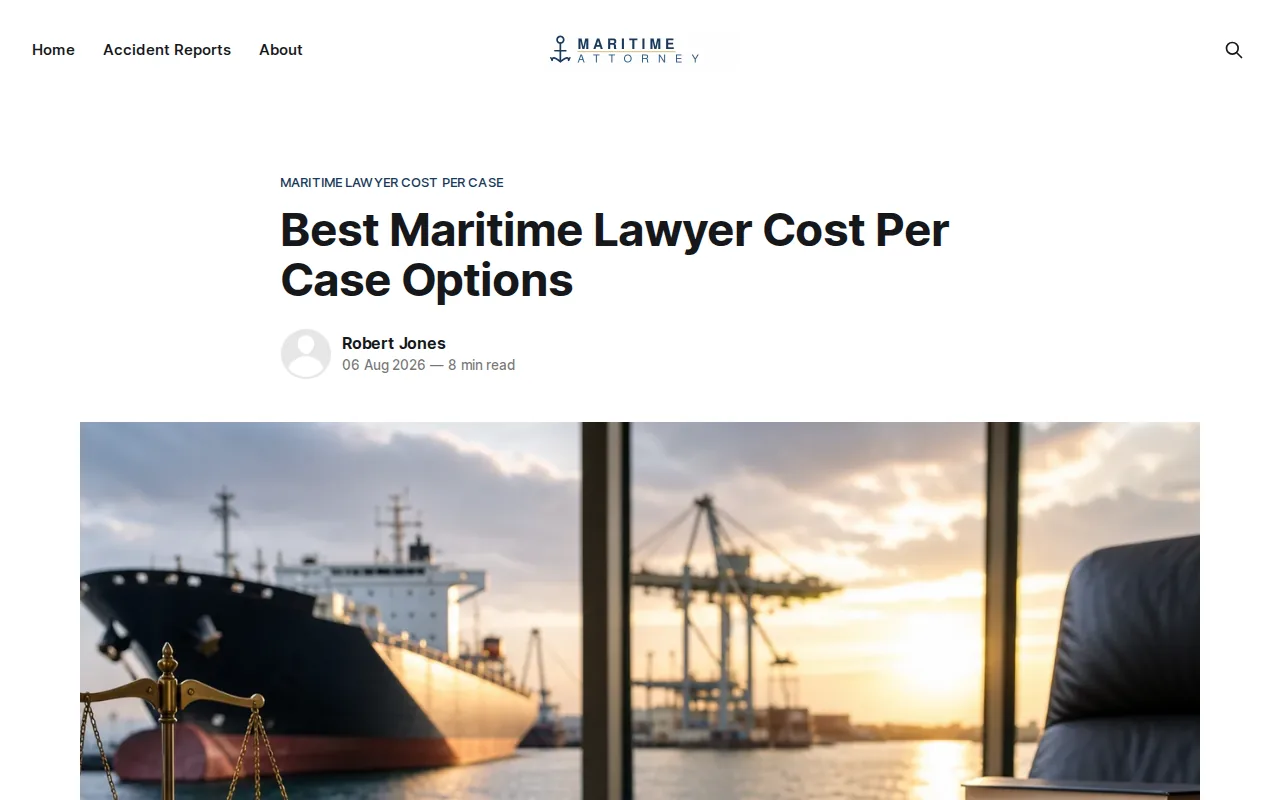
The service is built for crew members, ship owners, and small ports who need quick, affordable advice without committing to a big upfront bill. Because the AI runs the routine work, the lawyer’s hourly time drops dramatically, which keeps the retainer low.
Clients also get a clear dashboard that shows how much of the retainer has been used and what portion of any eventual settlement will go to the attorney. That transparency helps avoid surprise invoices.
One limitation is that complex, multi‑jurisdictional disputes may still require a traditional firm for on‑site testimony. In those cases the AI retainer can be topped up with an hourly rate.
For a deeper look at cost structures, see the Best Maritime Lawyer Cost Per Case Options guide.
2. Hourly‑Billing Maritime Attorneys — Flexible for Unpredictable Cases
Hourly billing lets you pay only for the time actually spent on your case. This model shines when the scope of work is unclear, such as early investigations or when you need counsel on a one‑off issue like a contract review.
Lawyers track their hours in fine increments and bill at rates that reflect experience and location. A senior admiralty attorney in a major port may charge $400‑$600 per hour, while a junior associate in a smaller market might bill $150‑$250.
Because you control the amount of work you order, you can stop the engagement once the needed advice is delivered. That makes the model a good fit for businesses that want to manage cash flow tightly.
However, costs can rise quickly if a case drags on or if the attorney recommends extensive discovery. It’s essential to ask for a detailed estimate and regular time‑sheet updates.
Jones Act attorney fee guide notes that hourly fees are common for cases where the outcome isn’t easily quantifiable, and they often complement a retainer that covers basic availability.
3. Contingency‑Fee Maritime Injury Lawyers — No Upfront Legal Fee
Contingency fees mean you owe nothing unless the lawyer wins a settlement or verdict. The attorney advances case costs, expert witnesses, filing fees, and discovery, then takes a pre‑agreed slice of the recovery.
Typical percentages range from 33% for a quick settlement to 40% for cases that go to trial. The higher end reflects the risk of covering expenses out of pocket.
This model removes the barrier of legal fees for injured seafarers who might not have cash on hand. It aligns the lawyer’s incentive with yours: both want the biggest possible award.
The downside is that you give up a larger share of any win. If you settle early, you may pay less than 33%, but the exact cut depends on the fee agreement.
, a 40% contingency is standard for maritime injury cases because they require extensive expert testimony and costly filings.
4. Flat‑Fee Maritime Law Firms — Predictable Pricing for Defined Work
Flat‑fee arrangements lock in a single price for a specific service, such as filing a claim, drafting a charter party, or handling a vessel registration. The contract spells out exactly what’s included, so you know the total cost up front.
This model works well for routine matters where the lawyer can estimate effort accurately. For example, a standard cargo claim might be set at $2,500 flat, covering all paperwork and a limited negotiation.
Clients appreciate the budget certainty, especially small operators who need to plan expenses month to month.
One risk is that unexpected complications can push the work beyond the scope. If that happens, the firm may bill extra hours or request a new flat‑fee amendment.
Flat‑fee firms often publish their service lists on their websites, making it easy to compare options before you sign.
5. Hybrid Retainer Maritime Counsel — Combines Retainer and Success Fees
Hybrid models blend a modest monthly retainer with a success‑fee that kicks in when the case settles. The retainer covers day‑to‑day advice, while the success portion aligns incentives for larger outcomes.This structure suits medium‑size shipping companies that need ongoing counsel but also want cost‑share on big claims.
Typical setups charge $1,000‑$2,000 per month plus 15%‑20% of any recovery. The retainer often includes a set number of hours; excess time rolls into the success component.
Because the retainer is paid regardless of result, the lawyer stays available for emergencies, and the success fee only triggers if you win, keeping the overall cost reasonable.
One caveat: if you never secure a recovery, you still pay the retainer, so it’s best for cases with a realistic chance of success.
The U.S. “American Rule” normally places costs on each party, but many arbitration clauses now allow fee awards to the prevailing side. Arbitration law experts explain how these provisions make hybrid models viable.
Clients often bundle legal protection with other risk tools. For instance, a vessel operator might also look at Best Boat Rental Insurance Options to cover equipment loss while the hybrid retainer handles liability.
Maritime Attorney Retainer Fee Comparison Table
FAQ About Maritime Attorney Retainer Fees
What is a maritime attorney retainer fee?
A retainer fee is an upfront payment that secures a lawyer’s availability and covers initial work. It may be a flat amount, a monthly charge, or a deposit against hourly time.
Do I get my retainer money back if I lose the case?
Usually no. Most retainers are earned when paid, meaning the attorney keeps the fee even if the case ends without recovery, unless the contract states otherwise.
Can I combine a retainer with a contingency fee?
Yes. Hybrid arrangements let you pay a modest retainer for ongoing advice and add a success‑fee that only applies if you win a settlement.
How do I know if a lawyer’s hourly rate is fair?
Compare rates in your region, check the lawyer’s experience level, and ask for a written estimate that breaks down expected tasks and hours.
Are AI‑driven retainer services regulated?
AI platforms must still follow the same professional‑ethics rules as human lawyers. Look for disclosures about how the AI assists the attorney and any licensing information.
Conclusion
If you want predictable costs and tech‑forward support, start with maritimeattorney.ai’s AI‑driven retainer. For high‑stakes injury claims, a contingency fee protects you from upfront expense. Choose the model that matches your case’s risk and budget, then reach out to a qualified attorney to lock in the agreement.