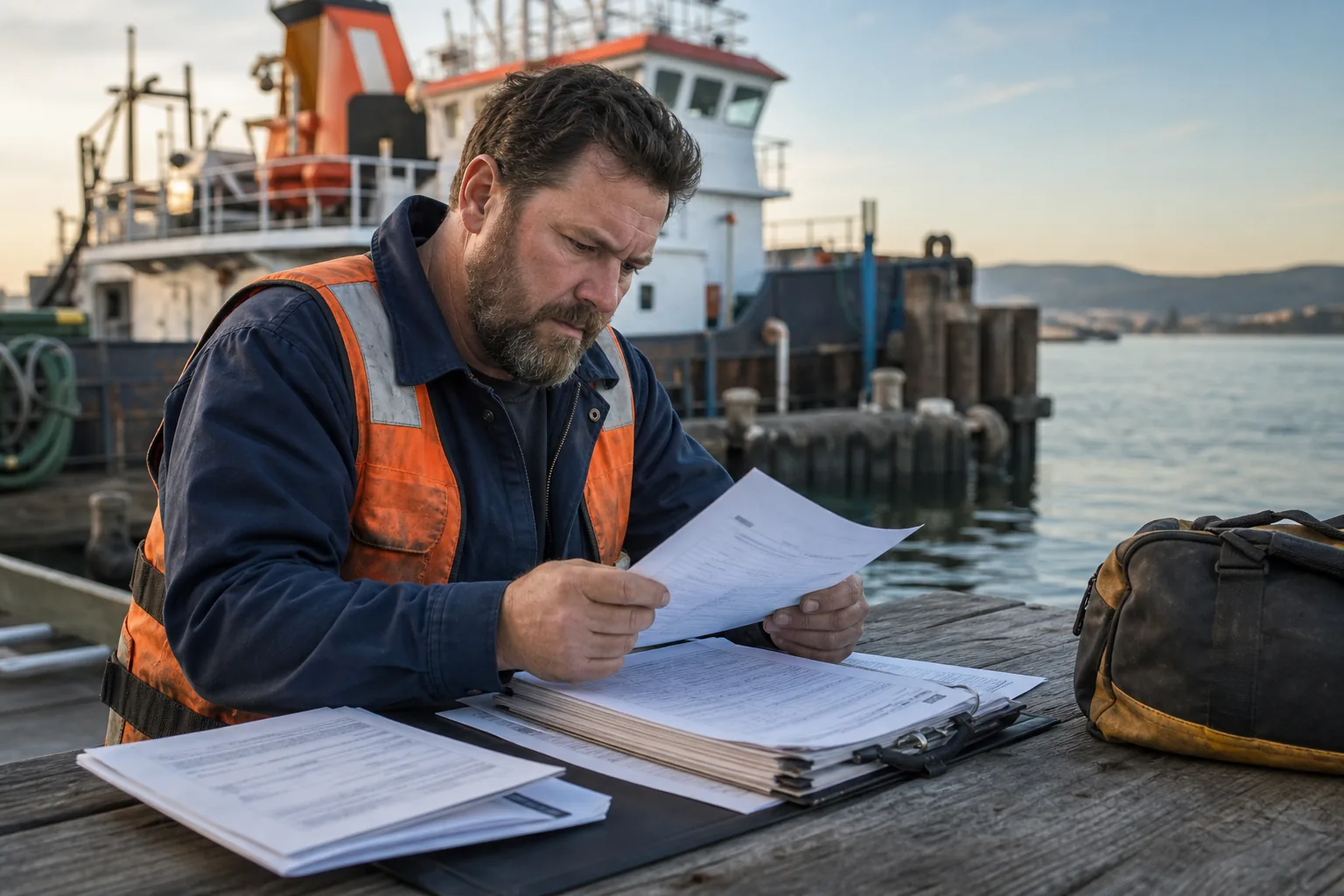
Ferryboat Accident Lawyer: Your Next Steps

A ferry crash can leave you hurt, confused, and unsure who should pay. The first steps can affect both your recovery and your legal claim. Follow this plan: get medical care, report the accident, preserve proof, check deadlines, then speak with a ferryboat accident lawyer.
Step 1: Get Medical Care and Report the Ferryboat Accident
Your first goal is safety. A ferryboat accident lawyer will need a clear record of your injuries, but treatment comes before paperwork.
Ask ferry crew members for help. If emergency staff are present, let them examine you. Go to an emergency room or urgent care center if you have pain, dizziness, trouble breathing, bleeding, weakness, or signs of a head injury.
Some injuries take hours to appear. A concussion may seem like a mild headache at first. Back damage, internal bleeding, and soft tissue injuries can also worsen after the shock wears off.
Tell the medical provider that your injury happened in a ferry accident. Give a full account, even if some symptoms seem minor. Keep copies of discharge papers, test results, prescriptions, and follow-up instructions.
Report the accident to the ferry operator or crew before leaving, if you can do so safely. Ask how to get a copy of the incident report. Write down the names of staff members who helped you. Note the ferry route, departure time, landing point, and seat or deck location.
Federal reporting rules may apply to serious boating accidents. The research for this guide notes that deaths, missing persons, injuries needing more than basic first aid, major property damage, and a lost vessel can trigger Coast Guard notification duties. Serious cases may also lead to an agency investigation. The National Transportation Safety Board's maritime accident report records show how vessel operations and safety failures can become part of a formal investigation.
Don't guess about a report. Ask the operator which agency received it and request the report number. If the ferry is run by a public agency, tell a lawyer early. A government claim may have a much shorter notice period than a private injury claim.
Step 2: Preserve Evidence Before It Disappears
Evidence can vanish fast after a ferry crash. A ferryboat accident lawyer may need to act before damaged equipment is repaired or security footage is erased.
Start with your own records. Take photos of visible injuries, torn clothing, broken glasses, damaged bags, and the area where you fell or were thrown. Use wide photos to show the scene. Then take close photos of each detail.
Record conditions that may explain what happened:
- Wet or blocked walkways.
- Missing handrails or damaged seats.
- Loose cargo or unsecured equipment.
- Warning signs, lighting, and weather.
- Damage to the ferry or nearby objects.
Save your ticket, receipt, boarding pass, route alert, and any message from the ferry company. Keep the clothes and shoes you wore in a clean bag. Don't wash or repair items that may show a slip, impact, or crush point.
Ask witnesses for their names and contact details. Write down what each person saw, but don't coach anyone or ask them to change their account. Your own memory should also go on paper. Note what happened before the impact, what you felt, where you landed, and who spoke with you afterward.
Send a written preservation request through counsel when possible. The request should identify the date, route, vessel, and time window. It can ask the ferry operator to preserve:
- Security video from passenger areas and loading zones.
- Bridge audio, navigation data, and GPS records.
- Maintenance files and inspection logs.
- Crew schedules, training records, and incident reports.
- Passenger lists and internal safety communications.
Don't post about the accident on social media. A photo from a later outing may be taken out of context. Don't give a recorded statement to an insurer before getting legal advice. You can provide basic facts without guessing about fault or the full extent of your injuries.
Physical evidence may matter even when the operator blames rough water. A marine expert may examine the damage pattern, steering system, propeller marks, deck layout, or weather conditions. The NTSB's maritime accident investigation material illustrates why technical records can matter beyond witness memories.
By now, you should have a private file with medical records, photos, names, receipts, and a written timeline. Keep the originals. Send copies only.
Step 3: Identify Who May Be Legally Responsible
A ferryboat accident lawyer does more than ask whether the captain made a mistake. The investigation should test every link in the chain that led to the injury.
The operator may be responsible if they sped, failed to keep a proper lookout, ignored navigation rules, made an unsafe landing, or handled the vessel poorly. A crew member's action can also matter. For example, a passenger may fall because a crew member failed to secure a gate before the ferry moved.
The ferry owner or operating company may face a claim tied to poor maintenance, unsafe procedures, weak crew training, or an unseaworthy vessel. A broken steering system can point to a maintenance issue. A loose ramp may point to a design or inspection problem.
Other possible parties include:
- A maintenance contractor that failed to fix a known defect.
- A manufacturer tied to a defective part.
- A dock owner responsible for a dangerous landing area.
- A public agency that owns or runs the ferry.
Liability depends on the facts. A rough wake does not end the inquiry. The question may be whether the operator saw the risk and had time to slow down, change course, warn passengers, or stop boarding.
Passenger claims also differ from worker claims. A passenger may bring a negligence claim against an operator or owner. A crew member may have rights under federal maritime law, including rules tied to employer negligence or vessel unseaworthiness. Maintenance and cure may also apply to eligible seamen, even when fault is disputed.
Public ferry cases need special care. If a state, city, transit authority, or other agency owns the vessel, the claim may require an administrative filing before a lawsuit. The agency may also raise special defenses or limits that don't apply to a private company.
Build a responsibility chart. Put each person or company in one column. Beside each name, list what that party controlled, what proof may exist, and which deadline may apply. This keeps the case from narrowing too soon to the person steering the ferry.
A useful rule is simple: don't sign a release until every likely defendant and every medical issue has been reviewed. One settlement may end claims against several parties.
Step 4: Check Maritime Deadlines and Notice Requirements
Time limits can decide a ferry injury case before a court hears the facts. A ferryboat accident lawyer should check the claim's deadline as soon as possible.
Maritime law may apply when an accident occurs on navigable water. State law may also matter. The correct path depends on the route, vessel, parties, injury, and contract terms. Don't assume that a longer maritime limit gives you plenty of time.
Private passenger contracts can contain notice clauses. A ticket or booking agreement may say that an injured passenger must notify the carrier within a set period. It may also choose a court or location for a lawsuit. Find the ticket, online booking terms, receipt, and any conditions printed on the back of the ticket.
Government claims can move faster. The research for this topic identifies California public ferry claims as an example where an administrative claim may be due within six months. That rule won't apply to every ferry accident or every location, but it shows why the owner's identity matters on day one.
Make a deadline list with these entries:
- Date of the accident.
- Date of first medical treatment.
- Date of any written notice to the ferry company.
- Possible government claim deadline.
- Passenger ticket notice period.
- Potential lawsuit deadline.
Put each date on a calendar with reminders well in advance. Keep proof that notice was sent and received. A verbal report to a deckhand may not meet a written claim requirement.
Don't let an insurer's review pause your deadline. An adjuster may say the file is still open. That statement does not extend a statute of limitations or a contract notice period.
FindLaw's explanation of cruise passenger claims notes that ticket contracts may shorten notice periods even when maritime law supplies a longer general limitation period. Its discussion of maritime passenger contracts and notice clauses is a useful reminder to preserve the ticket itself.
By this step, you should know who owns the ferry, whether a public agency is involved, and which dates require immediate legal review.
Step 5: Consult a Ferryboat Accident Lawyer About Compensation
Talk with a ferryboat accident lawyer before accepting money or signing a release. A lawyer can match the evidence to the right legal claim and estimate losses that may continue into the future.
Bring a clean case file to the first meeting. Include:
- Medical records and bills.
- Photos and videos.
- Your written timeline.
- Witness information.
- The ferry ticket and booking terms.
- Employer records showing missed work.
- Letters from insurers or the ferry operator.
Compensation may include past medical bills, future treatment, lost wages, reduced earning ability, physical pain, and emotional distress. A fatal accident may support a wrongful death claim for eligible family members. The available damages depend on the law that applies and the proof in the case.
Workers need a separate review. A ferry crew member may have claims based on employer negligence or an unsafe vessel. Eligible seamen may also seek maintenance and cure. The source reviewed for worker claims describes possible recovery for medical care, earnings, impaired earning ability, pain, and vocational retraining.
Ask the lawyer direct questions:
- Which laws may apply to my claim?
- Is the ferry privately owned or government operated?
- What notice must be sent, and by when?
- Who will request video and maintenance records?
- How are fees and case costs handled?
- What risks could reduce or defeat recovery?
Look for maritime experience, not only general car accident work. Ferry cases may involve vessel logs, crew duties, marine engineering, Coast Guard records, public agency rules, and passenger contract terms. A lawyer should explain those issues in plain language.
maritimeattorney.ai can help you organize the early facts and identify questions for a maritime lawyer. Use it as a starting point, then confirm legal strategy with a licensed attorney who can review your location and claim.
Don't rush a settlement because bills are due. A first offer may cover the emergency room but ignore future care, lost work, or permanent limits. Once you sign a release, you may lose the right to seek more money.
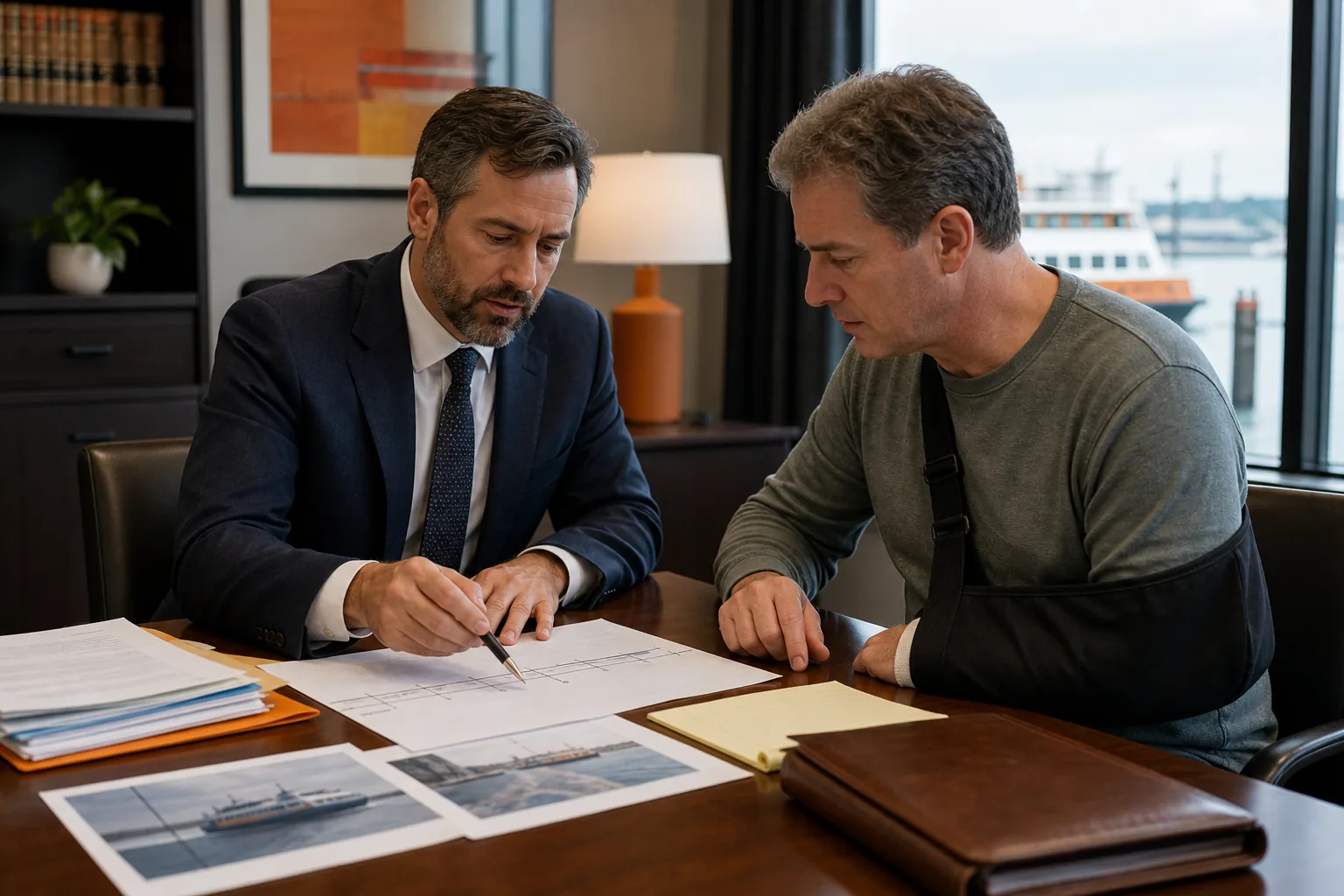
For help preparing the next conversation, maritimeattorney.ai's ferry accident lawyer guide can help you sort the main legal and evidence questions before seeking case-specific advice.
FAQ
What does a ferryboat accident lawyer do?
A ferryboat accident lawyer investigates the crash, identifies possible defendants, checks deadlines, and seeks compensation for covered losses. The lawyer may request video, vessel records, maintenance files, and witness statements. They can also deal with insurers while you focus on treatment. Maritime law may change the court, claim process, and evidence needed.
Can I sue a ferry company for an injury?
Yes, you may sue a ferry company when its negligence or unsafe vessel caused your injury, but the facts must support the claim. The operator, owner, contractor, or public agency may each have different duties. A ferryboat accident lawyer should review the ticket terms and ownership before you file anything.
How long do I have to report a ferry accident?
The reporting deadline depends on the injury, vessel, location, and operator. Serious boating accidents may require prompt agency notification, while a government claim or passenger contract may set a separate deadline. Report the incident promptly and ask for written confirmation. Don't rely on a general statute of limitations alone.
What compensation can I get after a ferry accident?
Compensation may cover medical care, lost wages, reduced earning ability, pain, and emotional harm. Future losses may count when the injury affects work or requires long-term treatment. A worker may have added maritime remedies. The amount depends on proof, fault, insurance, and the law that controls your case.
Should I accept the ferry company's settlement offer?
Don't accept a settlement or sign a release before a ferryboat accident lawyer reviews it. The offer may leave out future treatment, missed work, or claims against another responsible party. Ask for the offer in writing. Keep all letters and forms, then get advice before agreeing to final terms.
Conclusion
Get medical care, preserve every record, and check the earliest possible deadline. Then contact maritimeattorney.ai to organize your questions and speak with a licensed ferry injury lawyer before giving a recorded statement or signing a release. Early action gives your claim a better chance of being judged on the full facts.