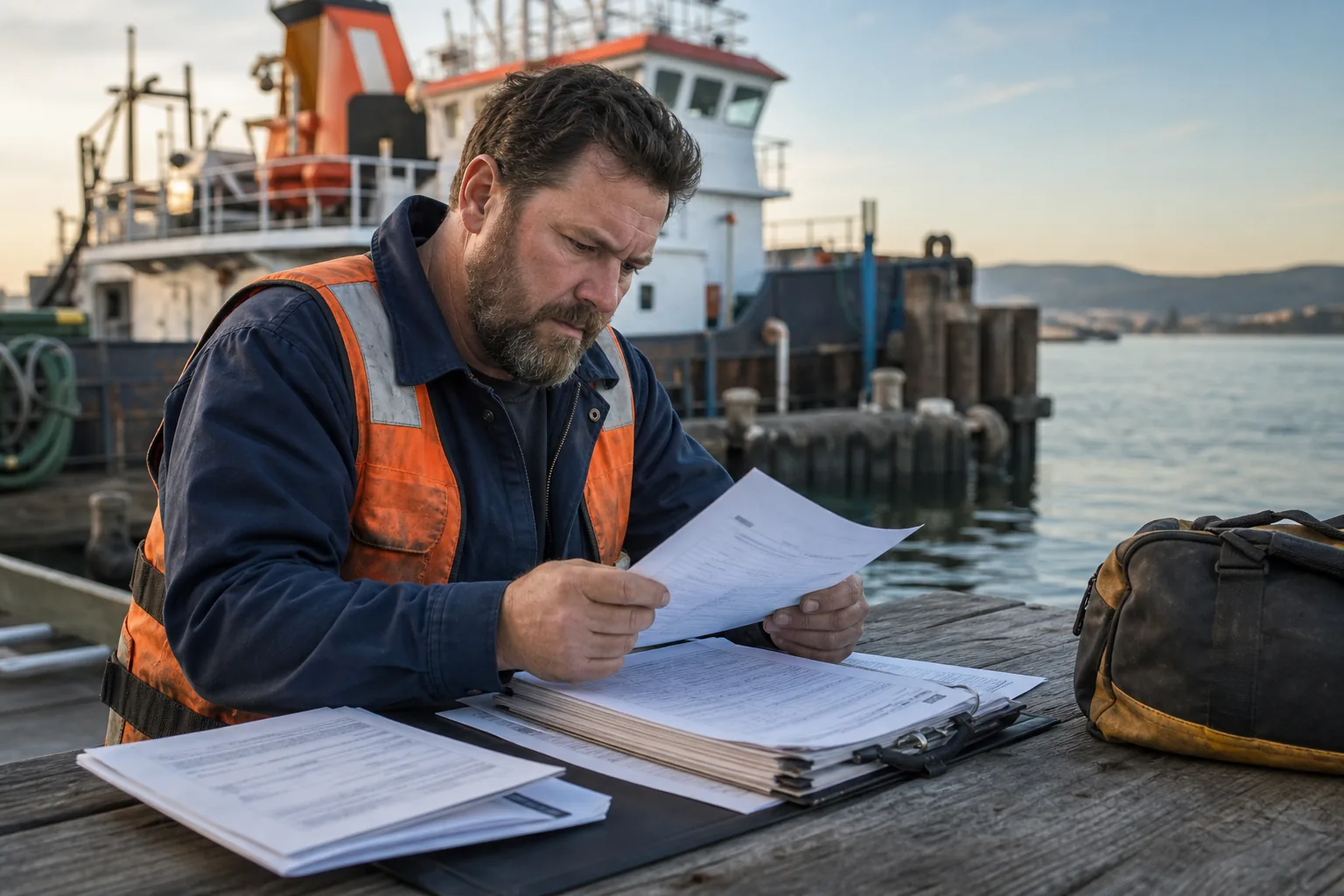
How to File a Drowning Accident Lawsuit
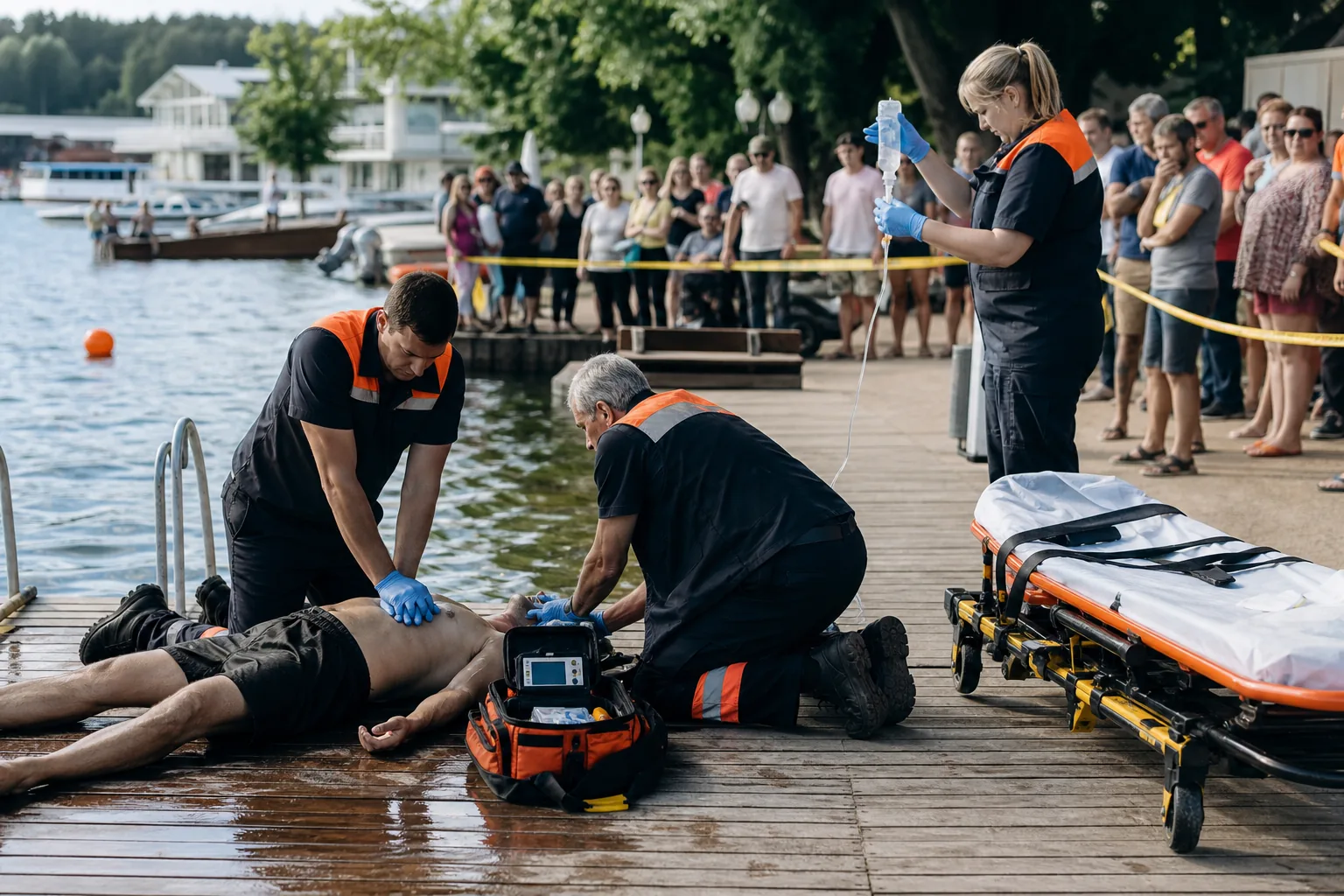
A drowning can leave a family facing emergency care, long-term disability, or a wrongful death. A legal claim may help cover those losses, but early mistakes can weaken the case. Follow these steps to protect your health, preserve proof, identify responsible parties, and choose the right path forward.
Step 1: Get Emergency Care and Report the Drowning Accident
The first step in a drowning accident lawsuit is medical care. Call emergency services at once, even if the person seems to recover after being pulled from the water.
Submersion can cause breathing problems and brain injury that appear later. Let medical staff know how long the person was underwater, whether they lost consciousness, and what rescue steps were used. Follow every discharge order. Keep copies of hospital records, test results, prescriptions, and follow-up notes.
Report the event to the right authority. That may be local police, a harbor patrol, a park officer, the U.S. Coast Guard, or the staff who run a pool or resort. Ask for the report number and the name of the person who took the report. If the accident happened on a vessel, the report may contain details about the operator, boat, location, weather, and witnesses.
Give a clear account, but don't guess. Say what you saw and heard. Don't agree with a manager's quick claim that the event was “just an accident.” You can correct a report later through your lawyer if it leaves out key facts.
Some agencies use formal boating incident reports that record the vessel, people involved, location, and event details. Keep any report or notice you receive, including a copy of the water accident reporting form when it applies to your case.
Don't post photos or comments about the incident online. Insurance companies may review public posts and use a careless sentence against you. Send important updates to a trusted family member or lawyer instead.
Step 2: Identify Who May Be Legally Responsible
A drowning accident lawsuit may involve more than the person who was driving a boat. List every person, company, vessel owner, property owner, and public agency connected to the event.
The boat operator may be liable when careless driving, speed, alcohol use, poor lookout, or a failure to follow navigation rules caused the accident. A passenger who took the controls can also face responsibility. Save the operator's name, license details, insurance information, and any statement made at the scene.
The vessel owner may face a separate claim. In some states, an owner can be responsible when another person operates the vessel with permission. The exact rule depends on the law that governs the accident, so don't assume the owner escapes responsibility simply because they weren't present.
A rental company may be at fault if it supplied an unsafe vessel, skipped required safety instruction, failed to check equipment, or rented to a person who was plainly unfit to operate it. Ask for the rental agreement, safety briefing record, inspection log, and maintenance history.
Property owners can face premises liability claims. This may apply to a pool, dock, marina, beach, hotel, campground, or water park. Possible problems include a missing barrier, broken ladder, poor lighting, unsafe surface, lack of warning, or a failure to monitor a known hazard.
Manufacturers and sellers may be responsible when a defective life jacket, ladder, boat part, drain cover, flotation device, or other product contributed to the injury. Keep the item. Don't repair it, throw it away, or let the property owner take it without a written record.
Alcohol vendors may have limited liability in some states when they sell alcohol to a person who is clearly intoxicated and that person later causes a boating crash. Social hosts often face different rules. Your lawyer will need the sale record, witness accounts, and evidence of the operator's condition.
Location matters. A lake accident may fall under state law. A collision on navigable coastal water may raise federal maritime issues. A worker injured aboard a vessel may have rights that differ from those of a recreational passenger. A boating accident liability overview describes these common categories, but only a lawyer can apply the rules to your facts.
Write down every possible connection while memories are fresh. The person who rented the boat may not own it. The dock operator may not own the land. The company that hired the crew may differ from the company named on the vessel. Those details can affect insurance and the amount available for recovery.
Step 3: Preserve Evidence and Document Your Losses
Evidence often disappears fast after a water accident. Start a case file as soon as the immediate crisis is stable.
Save photos and video in their original form. Keep the date and time data when possible. Photograph the vessel, dock, pool, warning signs, life jackets, damaged gear, lighting, water conditions, and the area around the accident. Take wide shots first, then close views of the specific hazard.
Ask witnesses for their names and contact details. Don't ask them to change their story or sign a statement you wrote. Simply record what they told you and give the list to your lawyer. Witnesses may leave the area or forget key details within days.
Request records in writing. Depending on the event, useful records may include:
- Emergency dispatch records and incident reports
- Medical charts, bills, and rehabilitation plans
- Boat registration and ownership records
- Rental contracts and safety instructions
- Inspection, repair, and maintenance records
- Surveillance video from docks, pools, or buildings
- Weather, tide, current, or water condition records
- Insurance policies and claim correspondence
Send a preservation request when video or electronic records may exist. Security footage can be overwritten. Text messages may vanish when a phone is replaced. A written request tells the owner that the records may matter in a legal claim.
Track financial loss in one place. Keep receipts for treatment, travel, medication, equipment, home care, and child care. If the injured person misses work, save pay records and a note from the employer. A serious injury may also reduce future earnings, so keep records of the person's job duties, training, and planned work path.
| Evidence | What it may help prove | Action to take |
|---|---|---|
| Photos and video | Hazard, visibility, boat position, or missing safety gear | Save original files and back them up |
| Medical records | Diagnosis, treatment needs, and lasting limits | Request complete records through the provider |
| Witness details | What happened before and during the incident | Write down names and accounts promptly |
| Maintenance records | Notice of a defect or failure to inspect | Ask your lawyer to seek them formally |
| Pay and expense records | Past loss and possible future financial harm | Keep a dated loss log with receipts |
Don't give a recorded statement to an insurer before legal advice. The adjuster may sound helpful, but the questions are designed to limit the claim. You can report the basic event while declining a detailed interview until you understand your rights.
Step 4: Check Filing Deadlines and Choose the Correct Claim
A drowning accident lawsuit must be filed under the law and deadline that fit the case. The clock may start on the accident date, the date of death, or another legally defined date.
State personal injury deadlines vary. Federal maritime claims can use a different period. Claims against a city, state park, harbor district, or other public body may require an administrative claim within a much shorter window before a lawsuit can begin.
Don't rely on a search result or a friend who had a similar accident. Two events at the same lake can follow different rules if one involves a private boat and the other involves a public facility. The victim's status also matters. A worker, passenger, swimmer, and bystander may have different claims.
Ask a lawyer to check these questions:
- Where did the drowning or near-drowning occur?
- Was the water navigable, inland, private, or controlled by a public body?
- Was the injured person a worker, passenger, guest, renter, or trespasser?
- Was a death involved, and who may bring the claim?
- Did a ticket, rental form, release, or passenger contract limit the claim?
- Does the case involve state law, maritime law, or both?
Possible claims include negligence, premises liability, product liability, wrongful death, and claims tied to a maritime worker's employment. The label matters because it affects proof, damages, defendants, and timing. A maritime law practice can review the governing framework before you sign a release or accept a settlement.
Public-entity claims deserve special care. A report to a pool manager or park employee may not meet a formal claim rule. Ask for the agency's claim procedure and send notices through the required method. Keep proof that the agency received the notice.
The maritime law resource at BoatLaw reflects why water-related claims need a law review based on the accident site and the people involved. Treat any general deadline as a warning to act, not as a final answer for your case.
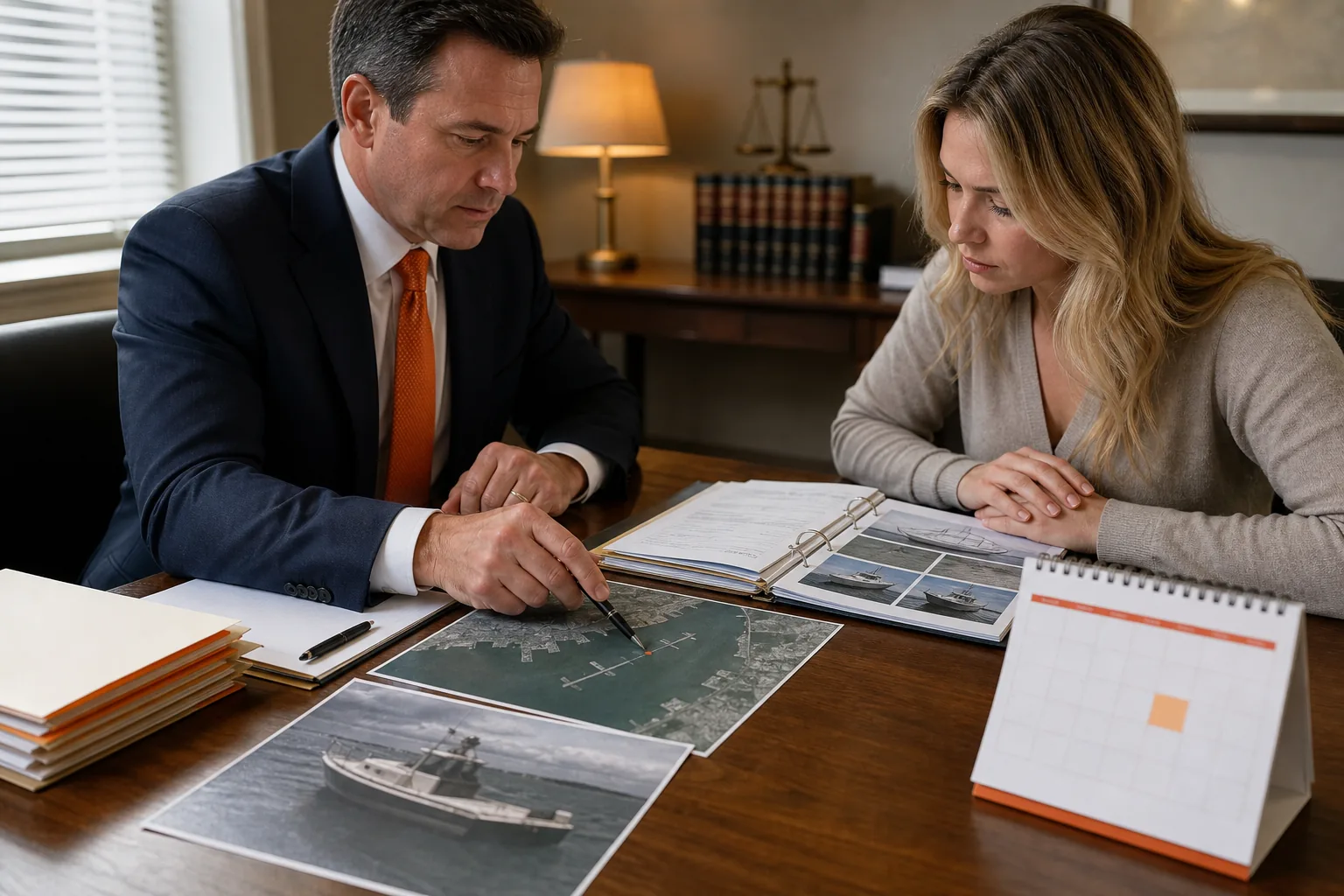
Never wait for a full recovery before asking about deadlines. Medical treatment can continue while a lawyer protects the claim and seeks records. A short delay may cost access to video, witnesses, or a public-entity claim.
Step 5: Consult a Lawyer and Pursue Compensation
Speak with a lawyer who handles water accidents and understands maritime law when the facts involve a vessel, harbor, ferry, cruise ship, or maritime worker. The first meeting should focus on facts, deadlines, insurance, and evidence.
Bring the accident report, medical records, bills, photos, witness list, rental or passenger documents, insurance letters, and a short timeline. If you don't have all of that, go anyway. Waiting until the file is perfect wastes time.
Ask who will handle the case day to day. Ask how the lawyer will investigate the vessel, preserve video, identify insurance, and value future medical needs. Confirm the fee agreement in writing. It should explain costs, case expenses, and what happens if the case does not recover money.
Compensation may cover medical care, rehabilitation, lost wages, reduced earning ability, pain, emotional harm, and changes to daily life. A wrongful death claim may include funeral costs and losses suffered by surviving family members. The available categories depend on state law, maritime law, and the facts.
Don't measure a claim by the first insurance offer. An early offer may pay some bills while ignoring future care, lost income, or permanent limits. Your medical team may need time to explain the likely course of recovery before the value of the claim is clear.
Your lawyer may send a demand, negotiate with insurers, file a complaint, take depositions, hire technical experts, or prepare for trial. Most cases resolve before trial, but preparation still matters. An insurer is more likely to assess the claim seriously when the evidence and legal theory are ready.
For families still sorting out the first legal steps, maritimeattorney.ai's drowning lawsuit resources can help organize the questions to raise with counsel. It isn't a substitute for advice on your jurisdiction, but it can help you prepare for an initial review.
Stay consistent during the claim. Follow treatment plans. Keep your lawyer updated about new symptoms, work changes, bills, and contact from insurers. Don't sign a release until you know what rights it ends.
FAQ About Drowning Accident Lawsuits
Can I sue if the person survived a near-drowning?
Yes, a near-drowning can support a drowning accident lawsuit when another party's negligence caused injury. The claim may cover emergency care, later treatment, lost income, pain, and lasting limits. Medical proof matters even when the person seemed fine at first, because breathing and brain problems may develop after the rescue.
Who can be sued after a drowning accident?
Potential defendants include the boat operator, vessel owner, rental company, marina, pool or property owner, equipment maker, and sometimes a public agency or alcohol vendor. The correct defendant depends on the facts and local law. List every connected party before an insurer persuades you to focus on one person.
How long do I have to file a drowning lawsuit?
The deadline depends on the location, claim type, victim's status, and defendant. State injury claims, maritime claims, wrongful death claims, and public-entity claims may use different time limits. Ask a lawyer to check the deadline at once. Waiting for treatment to end can put the claim at risk.
What damages can I recover after a drowning accident?
Damages may include medical bills, rehabilitation, lost wages, reduced future earnings, pain, emotional harm, and the cost of care. A death claim may include funeral expenses and family losses. No fixed amount applies to every drowning accident lawsuit because injury severity, fault, insurance, and governing law all affect recovery.
Should I talk to the insurance company?
You can provide basic notice of the event, but avoid a recorded statement or settlement agreement before legal advice. An insurer may ask questions that seem routine yet affect fault or the seriousness of the injury. Save every letter and message, then let your lawyer review the response.
Conclusion: Take the Next Step With maritimeattorney.ai
Protect the claim before evidence fades. Get medical care, preserve records, and ask a lawyer to check responsibility and deadlines. If your incident involves a boat, vessel, marina, or other water setting, maritimeattorney.ai can help you prepare the right questions for an early legal review.