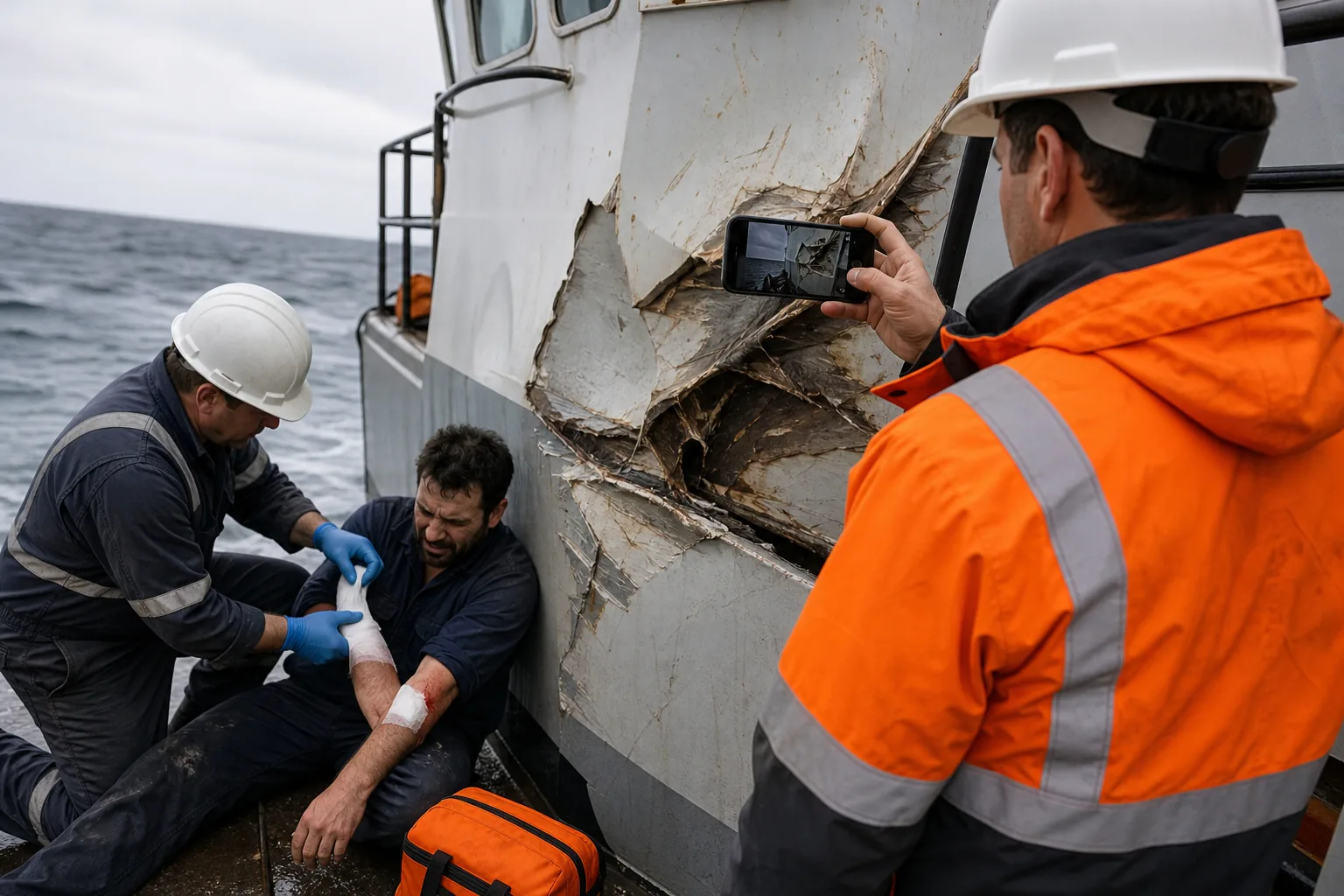
Cruise Ship Medical Malpractice: What You Need to Know

Imagine you’re on a dream cruise, and you need medical help. The ship’s clinic should be ready, but sometimes the care falls short. When that happens, you can be left with a serious injury, mounting bills, and a maze of legal rules. In this guide we’ll explain what cruise ship medical malpractice is, how the law works, the injuries you might face, and the exact steps to file a claim.
By the end you’ll know how to protect your rights, gather the proof you need, and get the compensation you deserve.
What Is Cruise Ship Medical Malpractice?
Medical malpractice on a cruise ship means a doctor, nurse, or any medical staff on board failed to give the standard of care a reasonable practitioner would provide in the same situation. The result is injury, worsening illness, or even death. Unlike a land‑based hospital, a ship’s infirmary is limited in space, equipment, and sometimes in staff credentials. When a patient’s condition is misdiagnosed, medication is given incorrectly, or an emergency evacuation is delayed, the fault can often be traced back to the cruise line’s duty to provide competent care.
According to Wikipedia’s definition of medical malpractice, a claim arises when four elements line up: a duty of care, a breach of that duty, causation, and damages. On a cruise, the duty comes from the ship’s advertised medical services. The breach is the negligent act, like giving the wrong drug dose. Causation links the breach to the injury, and damages cover medical bills, lost wages, and pain.
These cases are more common than most travelers think. Law firms that focus on maritime injury report hundreds of medical negligence suits each year. The key is proving that the ship’s medical staff didn’t meet the same standard you’d expect in a land hospital.
Bottom line:If you were harmed by substandard care on a cruise, you have a legal path to seek compensation.
Legal Framework for Cruise Ship Medical Malpractice
Maritime law, also called admiralty law, governs incidents at sea. The primary statutes are the Jones Act and the general maritime negligence doctrine. The Jones Act (46 U.S. Code § 30104) protects seamen, crew members and, in some cases, passengers, who are injured due to an employer’s negligence. It lets them sue for lost wages, pain, and even punitive damages.
For passengers, the doctrine of negligence under federal maritime law applies. Courts look at whether the cruise line, as the employer of the ship’s medical staff, is vicariously liable for the staff’s errors. Recent cases, likeFranza v. Royal Caribbean, have moved courts away from the old “Barbetta Rule,” which once shielded ship owners from doctor liability.
When you file a claim, you’ll face two major hurdles: jurisdiction and the statute of limitations. Most cruise contracts require lawsuits to be filed in a U.S. federal district court, often the Southern District of Florida. The filing deadline is usually one year from the incident, far shorter than the three‑year general maritime limit.
Because the legal landscape is a blend of federal statutes, case law, and contract clauses, working with a lawyer who knows maritime law is essential. They can handle the forum selection clause, challenge any shortened limitations period, and prove the cruise line’s control over its medical staff.
Bottom line:Maritime law lets you hold a cruise line accountable, but you must act quickly and understand the jurisdictional rules.
Common Types of Medical Malpractice on Cruise Ships
Not every medical mishap looks the same. Below are the most frequent ways cruise ship care can go wrong.
- Misdiagnosis or delayed diagnosis.A doctor might miss a heart attack or stroke because the ship lacks advanced imaging tools.
- Medication errors.Wrong dosage, wrong drug, or failure to check for allergies can cause severe reactions.
- Improper emergency care.Inadequate CPR, failure to stabilize a fracture, or not arranging timely evacuation.
- Inadequate follow‑up.Discharging a patient without proper instructions or without arranging shore‑based care.
- Equipment shortages.Lack of defibrillators, ventilators, or even basic lab tests can force doctors to guess.
For example, a 9‑month‑old on a Caribbean cruise showed classic meningitis signs, yet the ship’s doctor treated her for a simple stomach bug. The child’s condition worsened, leading to permanent neurological damage. That case illustrates how a missed diagnosis can have lifelong effects.
Another common scenario involves over‑the‑counter painkillers. A passenger with a severe back injury received a standard ibuprofen dose, but the ship’s doctor failed to recognize a potential kidney issue, leading to acute renal failure.
"The ship’s doctor gave me the wrong medication, and I spent weeks in the hospital after the cruise."
Bottom line:Knowing the typical error types helps you spot red flags and gather the right evidence.
How to File a Cruise Ship Medical Malpractice Claim
Filing a claim is a step‑by‑step process. Skipping any step can make the case fall apart.
1. Report the incident on board
Ask the ship’s crew for an official incident report. Get the name of the medical staff, the exact time, and a written description of what happened. If the ship offers a digital portal, download the report immediately.
2. Seek independent medical evaluation
As soon as you reach port, see a local doctor. Get a fresh diagnosis, treatment records, and a professional opinion on whether the ship’s care was inadequate. This independent assessment is crucial for proving negligence.
3. Preserve all documentation
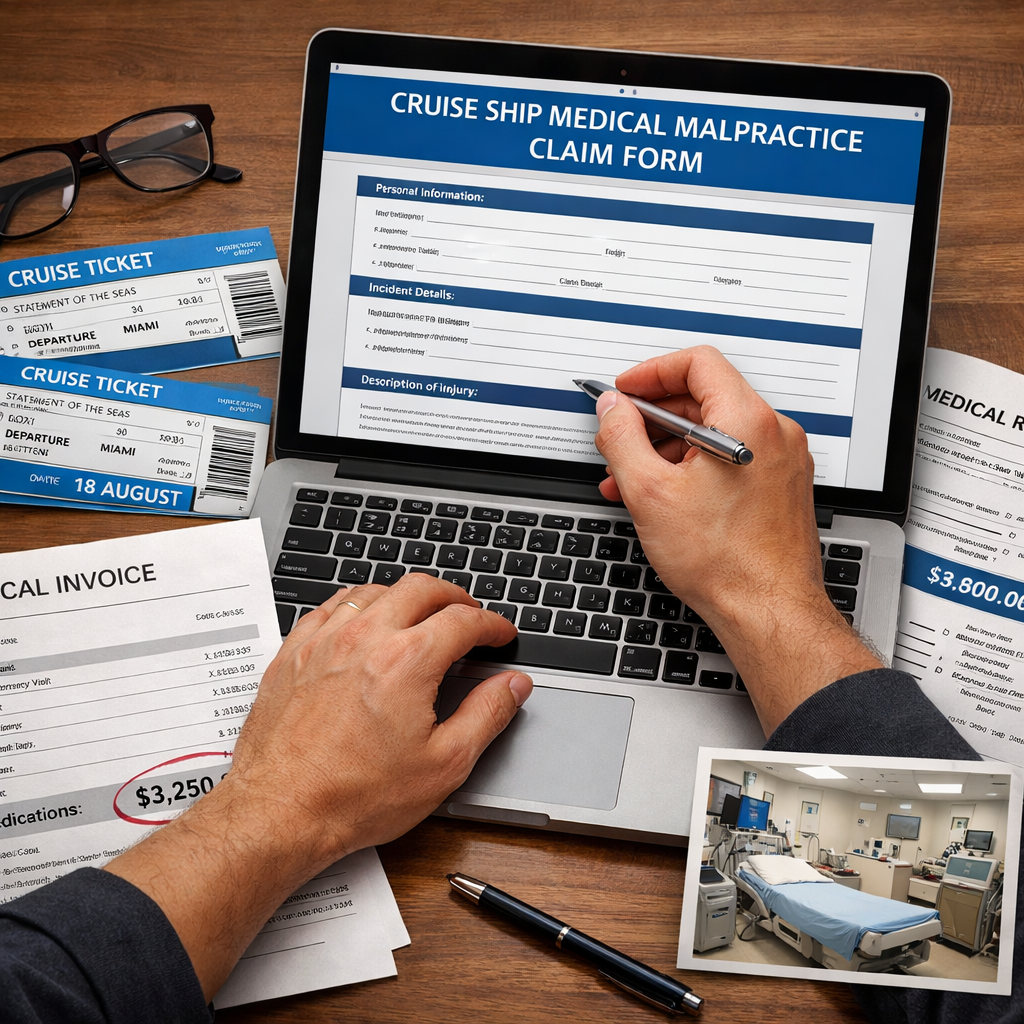
Keep every receipt: medical bills, pharmacy invoices, travel tickets, and even the cruise contract. Save emails, text messages, and photos of injuries. The more you can show the timeline, the stronger your claim.
4. Notify the cruise line in writing
Within the contract’s notice window (often 30 days), send a certified letter stating the injury, the alleged negligence, and that you intend to pursue a claim. Keep a copy of the mailing receipt.
5. Consult a maritime injury lawyer
A lawyer who knows the Jones Act and maritime negligence can evaluate the case, handle the notice period, and file the lawsuit in the proper federal court.
For step‑by‑step guidance on handling injuries at sea, see How to Handle Being Injured on a Cruise Ship in 2026. The guide breaks down reporting, documentation, and legal options in plain language.
Bottom line:Follow the five‑step process, involve a qualified maritime lawyer, and keep every paper trail to maximize your chance of recovery.
Challenges and Limitations of Cruise Ship Medical Malpractice Claims
Even with a solid plan, several hurdles can make these claims tough.
Jurisdictional hurdles
Most cruise tickets contain a forum‑selection clause that forces lawsuits into a specific U.S. district court, often in Florida. If you live far away, travel costs and unfamiliar courts add stress.
Short notice periods
Many cruise lines give you only 30‑45 days to give formal notice. Missing that deadline can lead to a dismissal, even if the underlying negligence is clear.
Limited medical records
Ship infirmaries may keep only brief notes. Getting full charts can require a subpoena, and some lines claim the records are lost at sea.
Varying standards for crew vs. passenger
The Jones Act applies to crew members more readily than to passengers. Passengers often rely on general maritime negligence, which can be harder to prove because the duty of care is less explicit.
Insurance caps
Cruise lines carry limited liability insurance for medical incidents. Even if you win, the payout may be capped at a few million dollars, which might not cover long‑term care.
Bottom line:Anticipate these roadblocks early and work with a lawyer who can handle them.
Frequently Asked Questions
Can I sue a cruise line for a doctor’s mistake?
Yes. If the ship’s medical staff acted negligently and that negligence caused your injury, the cruise line can be held liable under maritime negligence or the Jones Act (for crew). You’ll need to prove duty, breach, causation, and damages.
Do I need a maritime lawyer or can I use a regular personal injury attorney?
A maritime lawyer knows the specific statutes, forum‑selection clauses, and short filing windows that apply to cruise cases. While a skilled personal injury lawyer can help, a maritime specialist greatly improves your odds of success.
What if I signed a liability waiver on the ticket?
Waivers don’t protect a cruise line from gross negligence or willful misconduct. If the medical error was egregious, like giving the wrong drug dose, a waiver won’t block your claim.
How long do I have to file a claim?
Most cruise contracts give you 30‑45 days to give written notice and one year to file a lawsuit. The general maritime limitation is three years, but the contract deadline usually wins.
Can I get compensation for emotional distress?
Yes. Maritime law allows recovery for pain, suffering, and emotional anguish when the negligence caused serious physical injury or life‑threatening conditions.
What if the ship’s doctor isn’t licensed in the U.S.?
Licensure isn’t the sole factor. Even foreign‑trained doctors owe the same duty of care. If they lack proper training for emergencies, that can be evidence of negligence.
Conclusion
Cruise ship medical malpractice is a serious issue that can turn a vacation into a nightmare. By understanding the legal framework, recognizing common error types, and following a clear filing process, you can protect your rights and seek the compensation you deserve. The challenges, tight notice periods, jurisdiction rules, and sparse records, are real, but a knowledgeable maritime lawyer can turn those obstacles into manageable steps.
Ready to protect yourself and get the help you need?Take the first step today, and don’t let a negligent ship doctor keep you from the recovery you’re owed.