How to File a Cruise Ship Lawsuit in 2026
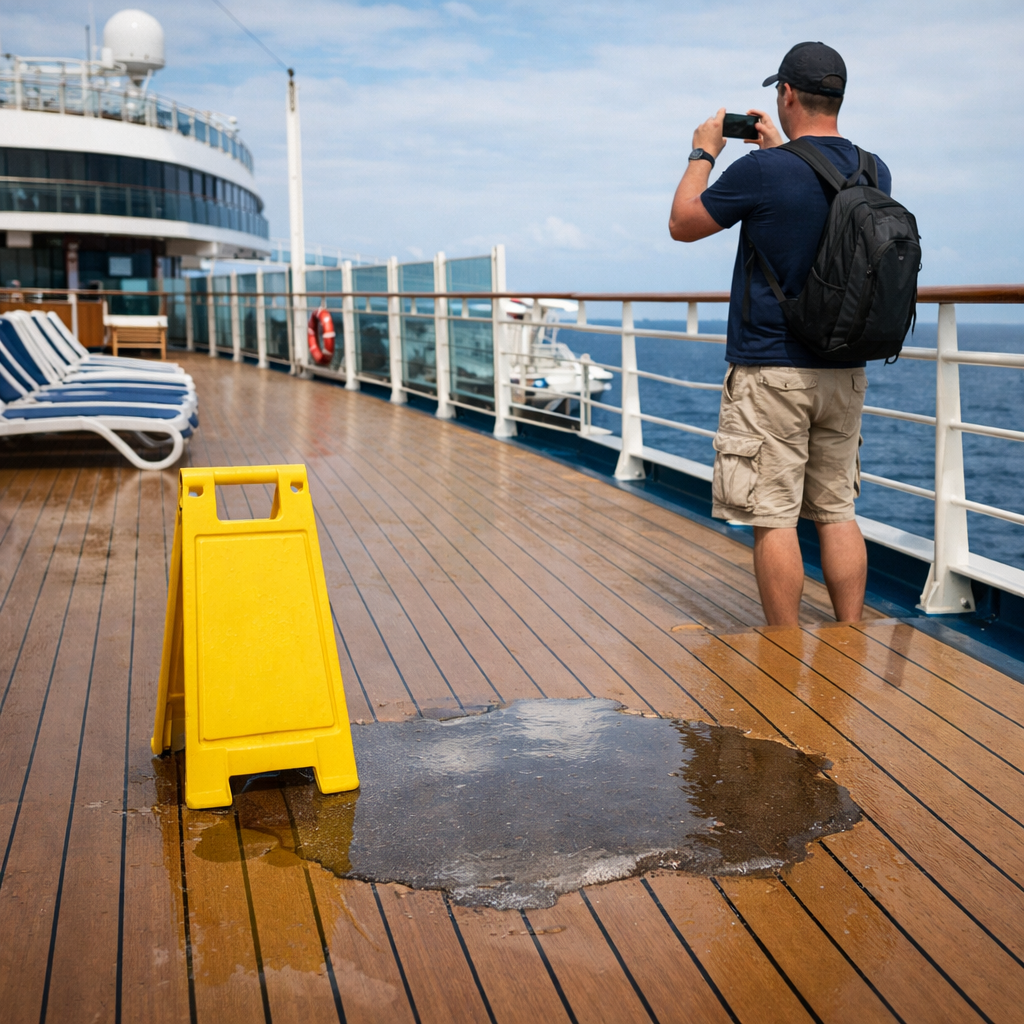
Imagine you’re on a dream vacation and a slip on a wet deck lands you in the ship’s infirmary. You’ve got medical bills, missed work, and a feeling that the cruise line should pay. That’s where a cruise ship lawsuit comes in. This guide walks you through every step, from spotting the legal issue to post‑judgment actions, so you can protect your rights and get the compensation you deserve.
We’ll break down each phase in plain language, give you checklists, and show you where to find help. By the end, you’ll know exactly what to do, when to act, and how to avoid common pitfalls.
Step 1: Identify the Legal Issue
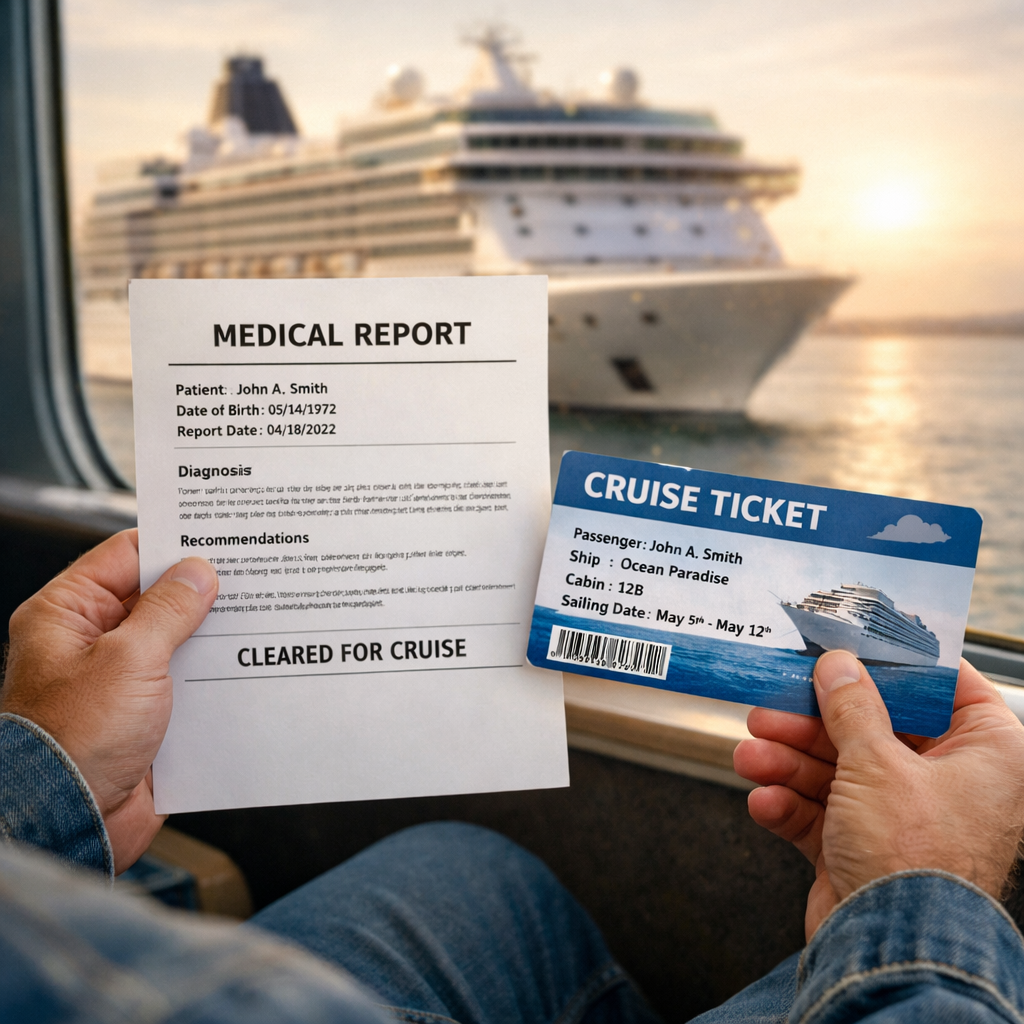
First, you need to know what kind of claim you have. Most cruise ship injuries fall under personal injury, wrongful death, or medical negligence. The ticket contract you signed holds the key. It usually contains forum‑selection clauses that tell you where you must sue, often Miami‑Dade County, Florida.Leesfield & Partners explains how these clauses work. Knowing the venue early saves you from filing in the wrong court.
Second, check the time‑bar provisions. Most tickets require you to give written notice within 180 days and file the suit within one year. Plaintiff Magazine notes that courts sometimes toll the deadline for minors or when fraud is shown, but you shouldn’t rely on that.
Third, decide if you’re suing for negligence, breach of contract, or a statutory claim under 46 U.S.C. § 30508. Negligence means the cruise line owed you a duty, breached it, and caused your injury. The duty is often proven by showing the line knew about a hazardous condition, like a wet floor that was left unattended for hours.
Finally, consider the type of damages you can claim: medical costs, lost wages, pain and suffering, and even punitive damages if the line acted recklessly. Each category requires different proof.
Bottom line: Knowing the legal issue, venue, and time limits sets the foundation for a solid cruise ship lawsuit.
Step 2: Gather Evidence & Documentation
Evidence is the lifeblood of any cruise ship lawsuit. Without solid proof, the cruise line’s lawyers will shrug it off.
Start with photos. Snap the hazard, wet floor, broken railing, missing warning sign, right after the incident. Time‑stamped photos defeat the “it wasn’t there” defense. If you can, record a short video of the area.
Next, collect witness statements. Get names, phone numbers, and short written accounts from fellow passengers or crew. Their testimony can back up your claim that the danger existed before you fell.
Don’t forget the ship’s incident report. Every line has a form to fill out. Even if the language seems to protect the line, a copy of the report is crucial. Perkins Law Offices details why incident reports matter.
Medical records are another pillar. Obtain every note from the ship’s infirmary, plus any follow‑up care you received on land. Keep receipts for prescriptions, therapy, and travel back home for treatment.
Surveillance footage can be a game‑changer. Cruise ships have thousands of cameras that may have captured the slip or the condition that led to it. Act fast, ask your attorney to request preservation before the footage is overwritten (usually within 14‑30 days).
Finally, gather any prior complaints about the same area. If other passengers have reported a slippery deck, that shows the line knew about the risk.
"The stronger the evidence you collect early, the harder it is for the cruise line to deny liability." , Cruise injury specialist
Bottom line: Early, thorough evidence collection makes your cruise ship lawsuit much harder to dismiss.
Step 3: Choose the Right Attorney
Not every lawyer knows maritime law. You need a lawyer who understands the Jones Act, the 46 U.S.C. statutes, and the quirks of cruise‑line contracts.
Look for a firm that has board‑certified admiralty lawyers and a track record in cruise ship cases. For example, Lipcon’s Houston team boasts over 250 years of combined experience and has handled cases across Miami, Seattle, and Los Angeles.
Ask the right questions: How many cruise ship cases have they handled? What was the average settlement? Do they have experts, like marine engineers or safety consultants, on call? The answers will tell you if they can handle the complex discovery phase.
Don’t forget to verify credentials. A reputable attorney will be listed on the Florida Bar’s website and may have accolades such as “Lawyer of the Year” in Admiralty law.
Once you pick a lawyer, give them all the evidence you’ve gathered. They’ll draft a demand letter that meets the ticket’s notice requirements and sets the tone for negotiations.
"Choosing a lawyer who knows maritime law is half the battle in a cruise ship lawsuit." , Industry veteran
Bottom line: The right attorney can handle complex jurisdictional rules and boost your chance of a fair settlement.
Step 4: File the Complaint Properly
Filing the complaint is the official start of your lawsuit. Even if you hope to settle, a filed complaint shows the cruise line you mean business.
Your attorney will draft a complaint that cites the duty, breach, causation, and damages. It must also respect the forum‑selection clause, most cases land in the U.S. District Court for the Southern District of Florida.
Make sure the complaint meets the statutory notice deadline. If you miss the 180‑day written notice, the case can be dismissed outright.
Many cruise line cases settle before trial. The complaint puts the line on record and often triggers a settlement offer. However, be ready to go to court if negotiations stall.
The complaint will also include a request for discovery, document production, depositions, and expert testimony. This is where you’ll ask for internal maintenance logs, crew training records, and surveillance footage.
While most maritime cases settle, a minority go to trial. If you reach that point, the complaint becomes the roadmap for the judge and jury.
Even if you never step into a courtroom, filing the complaint preserves your rights and forces the cruise line to take your claim seriously.
"A well‑drafted complaint is the first line of defense against a cruise line’s dismissal tactics." , Maritime litigator
Bottom line: Proper filing locks in jurisdiction and forces the cruise line onto the negotiation table.
Step 5: Handle Pre‑Trial Motions
Before trial, both sides file motions that can shape, narrow, or even end the case.
Common motions include:
- Motion to dismiss , the cruise line may argue the venue clause is invalid.
- Motion for summary judgment , they claim there’s no genuine dispute of material fact.
- Motion to compel , you request the line produce hidden records like maintenance logs.
Understanding these motions helps you stay ahead. For instance, a well‑crafted motion to compel can force the line to turn over surveillance footage that proves the hazard existed.
Courts often look at the fairness of forum‑selection clauses. Nessler Law notes that clauses must be “fundamentally fair”. If you can show the clause was hidden or unreasonable, a judge may allow you to sue in a more convenient venue.
Another angle is the choice‑of‑law provision. If the ticket forces foreign law that limits damages, you can argue public policy reasons to apply U.S. law instead.Lipcon’s filing shows how to challenge an unfavorable choice‑of‑law clause.
Stay proactive: work with your attorney to draft strong affidavits, gather expert reports, and prepare a detailed timeline. The more evidence you feed the court, the harder it is for the line to win a motion to dismiss.
"Pre‑trial motions are the chess moves that can win the case before a single witness steps on the stand." , Experienced litigator
Bottom line: Skillful use of motions can force the cruise line to produce key evidence or even end the case early in your favor.
Step 6: Prepare for Settlement or Trial
Most cruise ship lawsuits settle, but you must be ready for both outcomes.
Settlement preparation starts with a clear damage calculation. Add up medical bills, lost wages, future care costs, and a reasonable amount for pain and suffering. Use a spreadsheet to track every expense.
Next, assemble a settlement packet. Include all evidence, photos, videos, witness statements, medical records, and the incident report. Your attorney will use this packet to negotiate with the cruise line’s insurance adjusters.
If negotiations stall, you’ll head to trial. Trial prep means picking expert witnesses, marine safety engineers, medical experts, and possibly an economist to value lost earning capacity.
Practice your testimony. Even though you’re not a lawyer, the jury will watch how you speak. Speak clearly, stay calm, and stick to the facts.
During trial, the cruise line will try to argue that the hazard was “open and obvious” or that you contributed to the injury. Your evidence should directly counter those claims.

| Stage | Key Actions | Typical Timeline |
|---|---|---|
| Settlement Prep | Damage calc, evidence packet, demand letter | 2‑4 weeks |
| Negotiation | Meet with adjuster, evaluate offers | 1‑3 months |
| Trial Prep | Expert retainers, mock testimony | 3‑6 months |
| Trial | Present evidence, witness exam | 1‑2 weeks |
"A well‑prepared settlement packet often yields a higher offer than a courtroom battle." , Settlement strategist
Bottom line: Proper prep boosts your settlement use and equips you for a successful trial if needed.
Step 7: Post‑Judgment Actions
Winning a cruise ship lawsuit is only part of the journey. After a judgment, you must enforce it and protect the award.
First, file a writ of execution to collect the money. If the cruise line appeals, be ready to defend the judgment. Most appeals focus on procedural issues, so a solid record from the trial helps.
Second, monitor the cruise line’s insurance payments. Some companies delay payment; a lawyer can file a motion to compel timely payment.
Third, consider future medical needs. If your injury requires ongoing care, you may need a supplemental claim for additional damages. Keep all follow‑up medical records.
Fourth, protect your credit. Large settlements can affect tax obligations. Consult a tax professional to understand any tax liability.
Finally, spread the word. Share your experience with passenger advocacy groups. Your case can help improve safety standards for future travelers.
"Post‑judgment work ensures the money you earned doesn’t get lost in legal limbo." , Experienced attorney
Bottom line: Post‑judgment steps safeguard your compensation and help prevent future losses.
Conclusion
A cruise ship lawsuit can feel like handling stormy seas, but with a clear roadmap you’ll stay on course. From spotting the legal issue to gathering iron‑clad evidence, picking a maritime‑savvy attorney, filing the complaint in the right venue, learning pre‑trial motions, and preparing for settlement or trial, each step builds on the last. And once you win, diligent post‑judgment actions make sure the money reaches you and that your case helps make future cruises safer.
If you’ve been injured on a cruise, don’t wait. Start by reviewing your ticket’s contract, then reach out for a free consultation with a qualified maritime lawyer. The sooner you act, the stronger your claim.
Take the first step today and protect yourself from the hidden risks of cruising. Your health, your finances, and your peace of mind are worth it.
FAQ
What is the first thing I should do after a cruise ship injury?
Report the incident to ship staff immediately and request a written incident report. Take photos of the hazard and your injuries, collect witness info, and seek medical care right away. These steps create a paper trail that supports your cruise ship lawsuit later.
How long do I have to file a cruise ship lawsuit?
Most cruise tickets require you to give written notice within 180 days and file the lawsuit within one year of the injury. Missing either deadline can bar recovery, so act quickly.
Do I need a maritime attorney or can I use a regular personal injury lawyer?
Maritime law has unique rules, forum‑selection clauses, federal jurisdiction, and statutes like the Jones Act. A lawyer who specializes in cruise ship lawsuits understands these nuances and can protect your rights better than a general practitioner.
Can I settle my cruise ship lawsuit out of court?
Yes. Most cases settle before trial. A well‑prepared demand letter and evidence packet give you use. However, be ready to go to trial if the cruise line’s offers are too low or if they deny liability.
What kind of damages can I claim?
You can seek compensation for medical bills, lost wages, future care costs, pain and suffering, and sometimes punitive damages if the cruise line acted recklessly. Each damage type requires supporting documentation.
Will the cruise line’s insurance company try to lowball me?
Absolutely. Insurers often start with low offers. That’s why having a maritime attorney who can negotiate, request full disclosure of evidence, and, if needed, push the case to trial is essential.
What if the incident happened in international waters?
Even if the injury occurred outside U.S. waters, most cruise line tickets still require you to sue in a U.S. federal court, usually in Miami, Seattle, or Los Angeles, because the line’s home port is in the U.S. The venue clause governs where you file.
Can I still sue if I signed a waiver before the cruise?
Federal law (46 U.S.C. § 30509) limits the ability of cruise lines to enforce waivers that release them from negligence. Courts often find such waivers unenforceable, especially for gross negligence or intentional misconduct.