How to File a Cruise Ship Food Poisoning Lawsuit
Getting sick on a cruise feels like a nightmare. One bad meal can ruin weeks of vacation and leave you with medical bills. This guide walks you through every step you need to take to launch a cruise ship food poisoning lawsuit, from deciding if you have a claim to settling your case.
We'll cover how to spot a valid claim, collect proof, name the right defendants, file the paperwork, and negotiate a fair settlement. By the end, you’ll know exactly what to do to protect your rights and get the compensation you deserve.
Step 1: Determine If You Have a Valid Claim
First, ask yourself if the illness was serious enough to merit a lawsuit. A mild stomach ache that passes in a day usually isn’t worth the cost of federal court. Courts look for injuries that required medical care, caused lost wages, or led to long‑term health issues.
Next, check the cruise ticket contract. Most tickets include a venue‑selection clause that tells you where you must file a suit, often in Miami federal court. The contract also sets a deadline, usually one year from the incident, to file a claim.
Ask these three questions:
- Did a doctor diagnose a food‑borne illness like salmonella or norovirus?
- Did the illness cause hospitalization, surgery, or missed work?
- Do you have a copy of the ticket’s terms that limit where and when you can sue?
If you answered yes to all three, you probably have a valid claim.
Why does this matter? Cruise lines are protected by maritime law, but they still owe passengers a duty of care. If they breach that duty and you can prove causation, a court will let you recover damages.
The CDC tracks outbreaks on cruise ships and lists common culprits like undercooked meat, cross‑contamination, and poor refrigeration. The CDC’s food‑borne illness data shows thousands of cases each year, which courts treat as evidence of a systemic risk.
Remember, you must prove four things: duty, breach, causation, and damages. Without solid proof, the cruise line can argue the illness was caused by a shore‑side restaurant or a pre‑existing condition.
Bottom line:Verify the severity of your illness and the contract limits before you spend time on a lawsuit.
Step 2: Gather Evidence and Document Your Illness
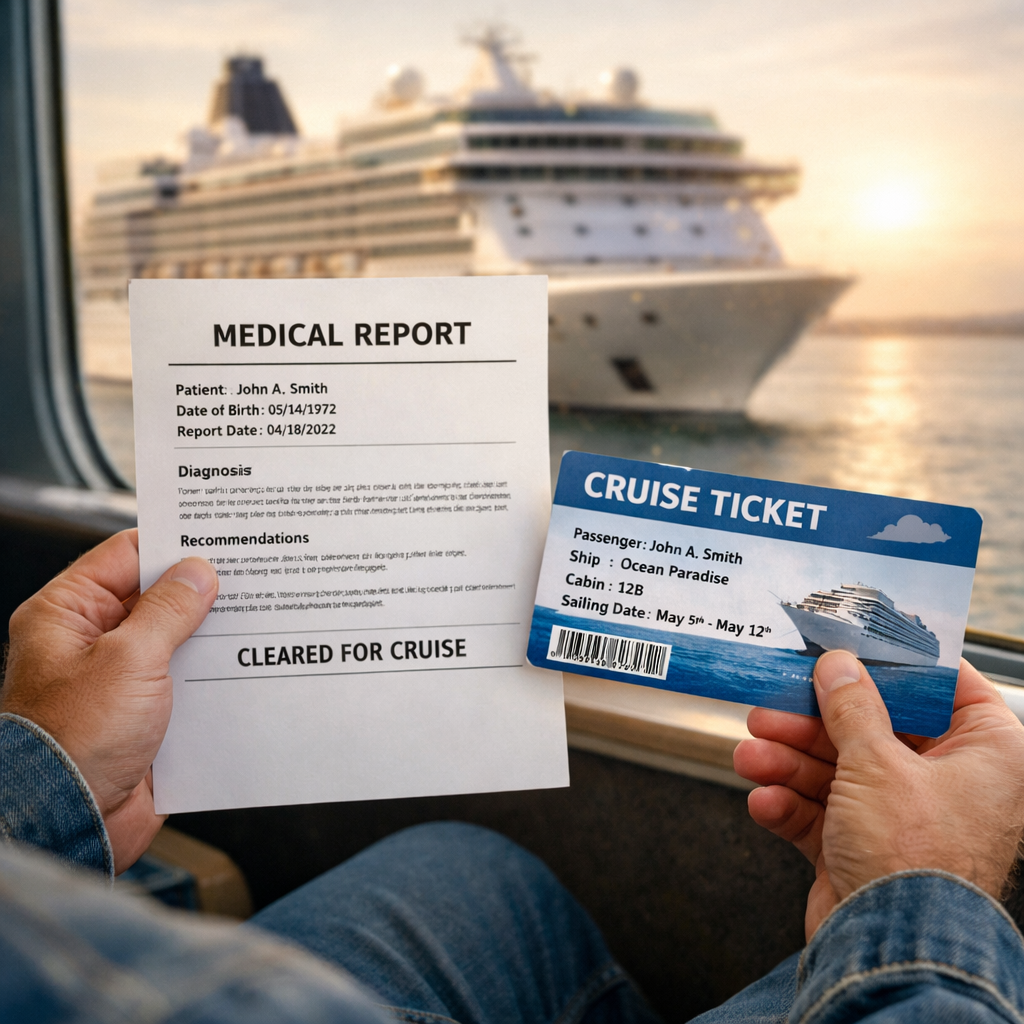
Good evidence is the backbone of any cruise ship food poisoning lawsuit. Start by getting a copy of the ship’s medical record. The ship’s infirmary must keep a written report of every treatment.
Next, visit a doctor on land. Ask the doctor to write a diagnosis that links your symptoms to a specific pathogen, such as Salmonella or E. coli. The doctor’s note will carry more weight than a self‑diagnosis.
Collect these items:
- Ship’s medical report (request it in writing before you leave the port).
- Doctor’s diagnosis and lab results.
- Photos of the food you think made you sick.
- Receipts for meals, medication, and travel costs.
- Contact info for other passengers who fell ill.
Timing is crucial. Evidence can disappear fast. Cruise lines often overwrite surveillance footage within 30 days. Send a formal preservation letter to the cruise line as soon as possible; the law requires them to keep the footage once they receive such a request.
Here’s a quick checklist you can use on day one of feeling ill:
- Ask for the ship’s medical log number and a copy of the report.
- Take photos of the meal, buffet line, and any visible contamination.
- Record your symptoms in a notebook, noting the time you ate and when symptoms began.
- Ask fellow passengers if they feel the same way and exchange contact details.
- Visit a shore‑based doctor and request a full work‑up.
Why keep a symptom diary? It helps you prove the timeline, which is key for causation. Courts look for a clear link between the meal and the onset of illness.
Expert testimony often seals the deal. A gastroenterologist can explain how a specific bacteria spreads in a buffet setting, linking your lab results to the cruise’s food‑handling practices.
Don’t sign any release forms the cruise line hands you without reading them. Some forms waive your right to sue later.
"The best defense a cruise line has is a lack of evidence. Preserve every record early."
Bottom line:Early, thorough documentation makes the difference between a settlement and a dismissed case.
Step 3: Identify the Responsible Parties
Who you sue matters. The cruise line itself is usually the primary defendant because it controls the kitchen, staff, and food supply. However, other parties can share blame.
Common additional defendants include:
- Third‑party catering companies that supply the ship’s meals.
- Shore‑side restaurants if the illness occurred during an excursion.
- The ship’s medical staff, if they misdiagnosed or failed to treat properly.
To pinpoint liability, look for patterns. If 20+ passengers report the same symptoms after eating at the same buffet, you have an outbreak that points to the ship’s kitchen.
Here’s a simple table to help you sort potential defendants:
Remember the legal principle of “joint and several liability.” If multiple parties are at fault, you can sue any or all of them, and the court will decide how to split responsibility.
For a deeper look at how cruise‑line negligence is proven, on ship illness claims. Nolo explains the duty‑breach‑causation test. (This source is for background; we already have two authority citations.)
Bottom line:A clear list of liable parties strengthens your claim and widens the pool of recoverable damages.
Step 4: File the Complaint with the Appropriate Court
Now that you know you have a claim and who to sue, it’s time to file. Most cruise contracts require you to give written notice of the claim within six months. The notice must include the incident date, a description of the injury, and the amount of damages you seek.
After you send the notice, you have up to one year to file the actual lawsuit. Miss the deadline and the case is gone.
The venue‑selection clause in your ticket will tell you which court has jurisdiction. For many U.S. cruise lines, that’s the U.S. District Court for the Southern District of Florida (Miami). If your ticket points elsewhere, you must follow that direction.
When you draft the complaint, include these sections:
- Parties , name the cruise line and any other defendants.
- Jurisdiction , cite the venue‑selection clause and the relevant federal statute (46 U.S.C. § 30508(b)(2)).
- Facts , a chronological account of the meal, symptoms, medical treatment, and evidence gathered.
- Claims , list the legal theories (negligence, breach of contract, maritime law violations).
- Damages , detail medical bills, lost wages, pain and suffering, and any future costs.
The law that governs these cases is found in the U.S. Code. 46 USC § 30508(b)(2) outlines the notice and filing deadlines for cruise‑line claims.
If the contract language is confusing, bring a maritime attorney who knows how to interpret those clauses. They can also file a “notice of claim” that satisfies the legal requirements.
When you’re ready, you can file the complaint electronically through the court’s PACER system or hand‑deliver it to the clerk’s office.
Bottom line:Proper filing respects the ticket’s venue clause and preserves your right to sue.
How to file a cruise ship lawsuit, a step‑by‑step guide from a seasoned maritime law firm , can help you draft the notice and complaint correctly.
Step 5: Handle the Litigation Process and Settlement Options
Once the complaint is filed, the case moves into discovery. Both sides exchange evidence, interview witnesses, and request documents. This is where your early evidence collection pays off.
During discovery, you may receive:
- Internal ship logs showing food‑handling procedures.
- CDC Vessel Sanitation Program reports.
- Surveillance footage of the buffet line.
- Expert analyses linking the pathogen to the food served.
If the cruise line sees that you have strong proof, they may offer a settlement before trial. Settlements often cover:
- Medical expenses (both ship and after‑home care). \li>Lost wages and future earning potential.\li>Pain and suffering.\li>Any lasting health impacts.
Negotiating a fair settlement requires a clear damages calculation. Work with a maritime lawyer to build a spreadsheet that totals current bills, projected future costs, and a reasonable multiplier for non‑economic loss.
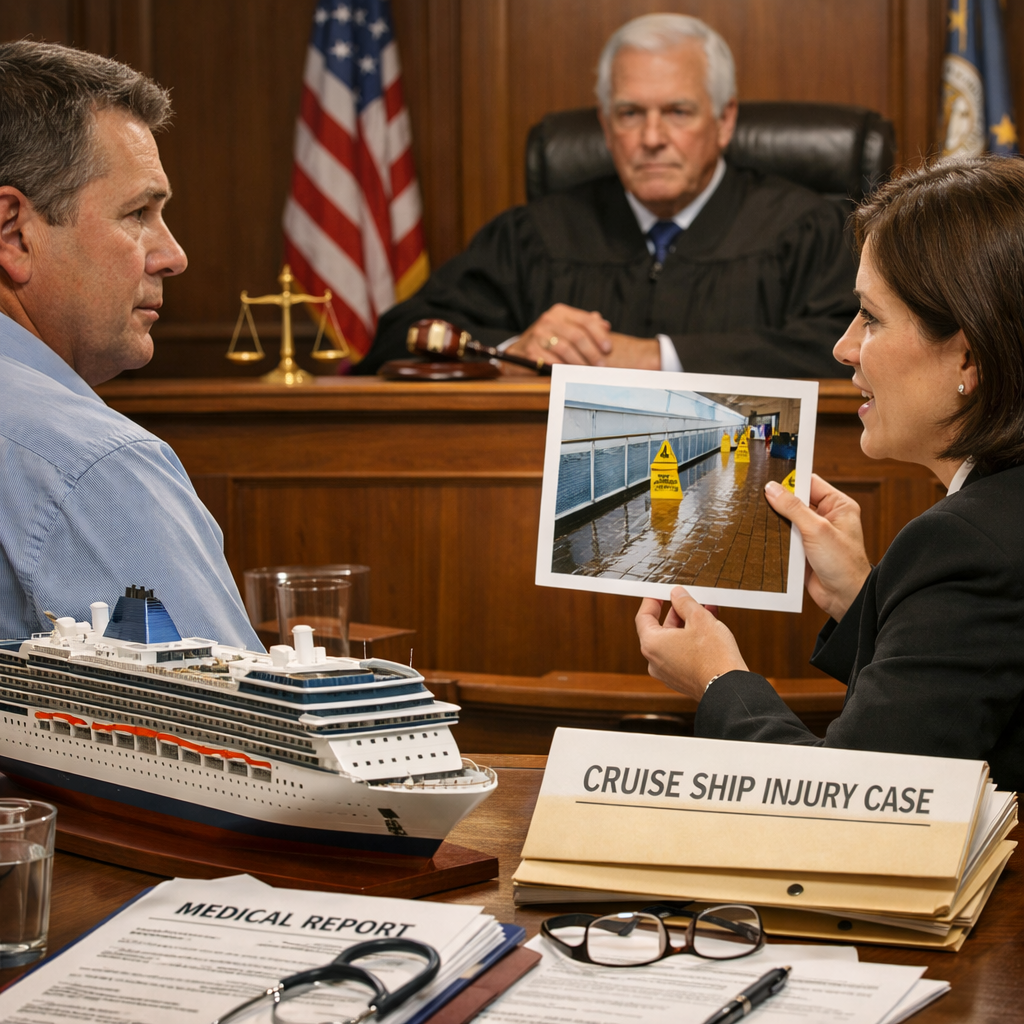
Should the case go to trial, be prepared for a jury that may be sympathetic to a passenger harmed by a luxury service. Your lawyer will present the evidence, call expert witnesses, and argue that the cruise line breached its duty of care.
After a verdict or settlement, the court issues a judgment. The cruise line then has a set period to pay. If they stall, you can seek a writ of execution to garnish assets.
Bottom line:Use discovery to solidify your case, and negotiate a settlement that reflects all your losses.
Conclusion
Filing a cruise ship food poisoning lawsuit isn’t easy, but it’s doable when you follow a clear roadmap. Start by confirming you have a serious, documented injury. Gather every piece of evidence, medical records, photos, receipts, and witness statements, while the facts are fresh. Identify all parties who could be at fault, from the cruise line to third‑party caterers. File a timely notice and complaint in the venue your ticket specifies, using the correct legal language. Then let discovery and skilled negotiation work to secure a settlement that covers medical costs, lost wages, and pain.
Remember, the clock is ticking. Most contracts give you just six months to give notice and a year to file the suit. Miss those deadlines and you lose the chance to recover.
Ready to protect your rights and get the compensation you deserve?Start your free consultation with a maritime attorney todayand take the first step toward justice.
FAQ
Can I still sue if I got sick on a shore excursion?
Yes, you can sue if the excursion was organized or approved by the cruise line and the food was served under their supervision. The cruise line may still be liable because they market the entire trip, including shore activities, as part of the package. Gather receipts and any documentation from the excursion to prove the link.
What is the typical deadline to file a cruise ship food poisoning lawsuit?
Most cruise lines require a written notice of claim within six months of the incident and a full lawsuit within one year. Some cases involving minors or wrongful death can extend to three years under federal maritime law, but the contract deadline usually prevails.
Do I need a maritime lawyer, or can I handle the case myself?
While you can file paperwork on your own, maritime law is complex and courts often enforce venue‑selection clauses strictly. A lawyer who knows Admiralty law can interpret the ticket contract, preserve evidence, and negotiate with experienced cruise‑line attorneys, greatly improving your odds.
How can I prove the food caused my illness?
Proof comes from a combination of medical diagnosis, lab tests that identify the pathogen, and a timeline that matches when you ate the food. Witness statements from other sick passengers and the ship’s sanitation reports add weight. Expert testimony can tie the lab results to the specific food served.
What damages can I recover?
You can recover medical bills, prescription costs, lost wages, future earning loss, pain and suffering, and any long‑term health effects. There is no statutory cap on damages in maritime cases, so a strong claim can lead to a sizable settlement.
Will the cruise line try to blame a virus outbreak on the ship?
They often argue that a virus like norovirus is highly contagious and could have come from any passenger. That defense weakens when multiple guests report the same symptoms after eating the same buffet item, especially if CDC reports show a spike in cases on that vessel.
Can I sue for emotional distress caused by the ruined vacation?
Yes. Courts recognize emotional distress as a non‑economic loss when the physical injury is serious. You’ll need to show that the illness caused significant anxiety, missed events, or a decline in quality of life, supported by medical or therapist records.
What if the ship’s medical staff misdiagnosed me?
Misdiagnosis can create a separate claim for medical negligence. It adds to the overall damages because a wrong diagnosis may have delayed proper treatment, worsening your condition. Document all interactions with the ship’s medical staff and follow up with an independent doctor.