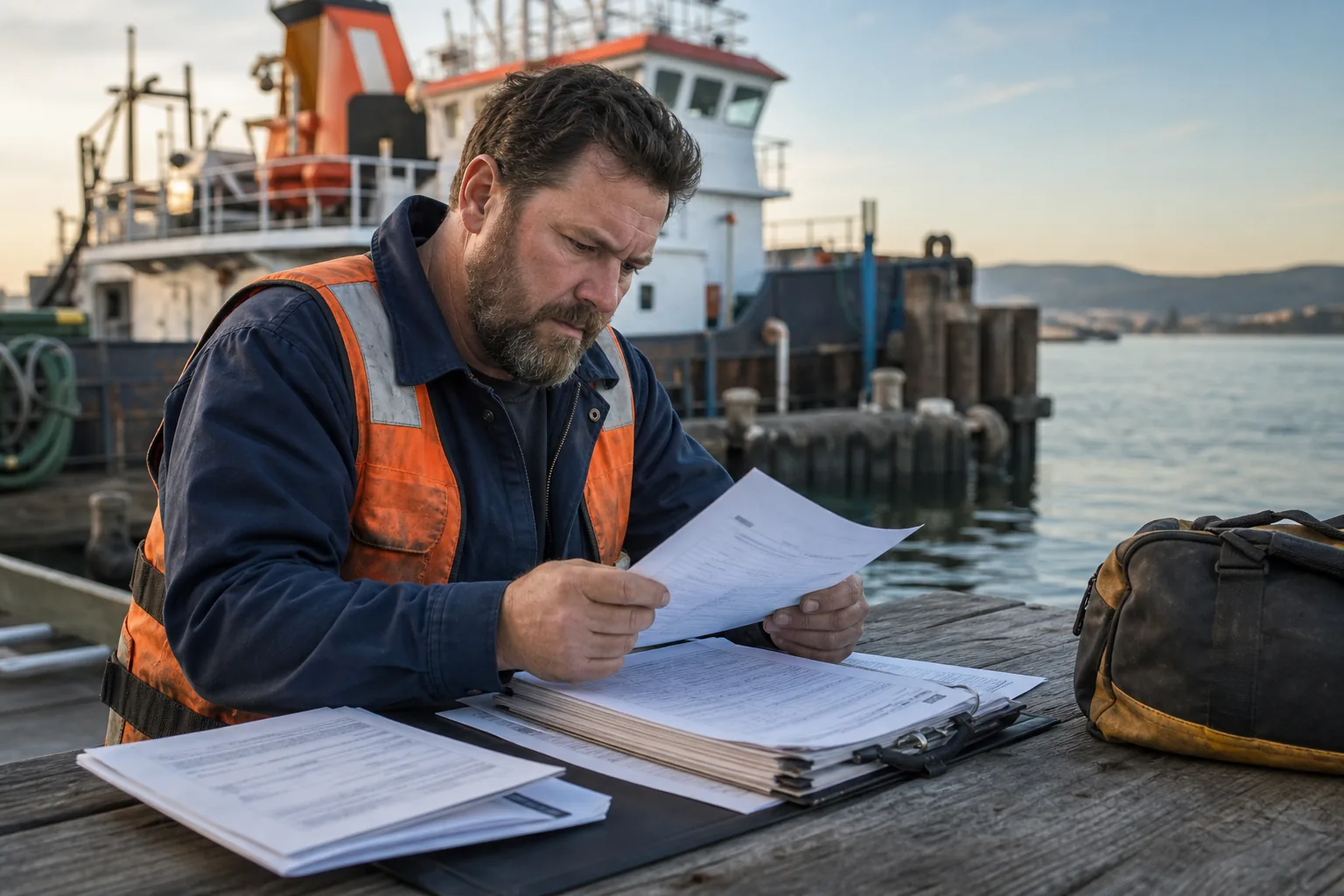
How to File a Cruise Ship Accident Claim
If you’re hurt on a cruise, you need a clear plan to protect your rights and get the compensation you deserve. Below is a step‑by‑step guide that walks you through filing a cruise ship accident claim, from the moment the injury happens to getting legal help.
Step 1: Ensure Safety and Seek Medical Attention
First, get yourself to a safe spot. If you’re on deck, move away from the hazard that caused the injury. If you’re feeling dizzy, nauseous, or in pain, ask a crew member to escort you to the ship’s medical clinic.
The ship’s infirmary is required to have a qualified medical professional on board. Even if the injury seems minor, let the doctor write a note describing what happened, the diagnosis, and any recommended treatment. That note becomes a key piece of evidence later.
Ask for a copy of the medical record before you leave the ship. If you’re transferred to a shore‑based hospital, request all discharge papers and a detailed bill. Keep every prescription label and any follow‑up appointment details.
By the end of this step you should have a medical snapshot of your injuries and a clear sense of where you’re safe on the vessel.
Step 2: Document the Accident Thoroughly
Good documentation is the backbone of any claim. Start a notebook or a digital note on your phone as soon as possible. Write down the date, time, exact location, weather conditions, and a description of what led to the injury.
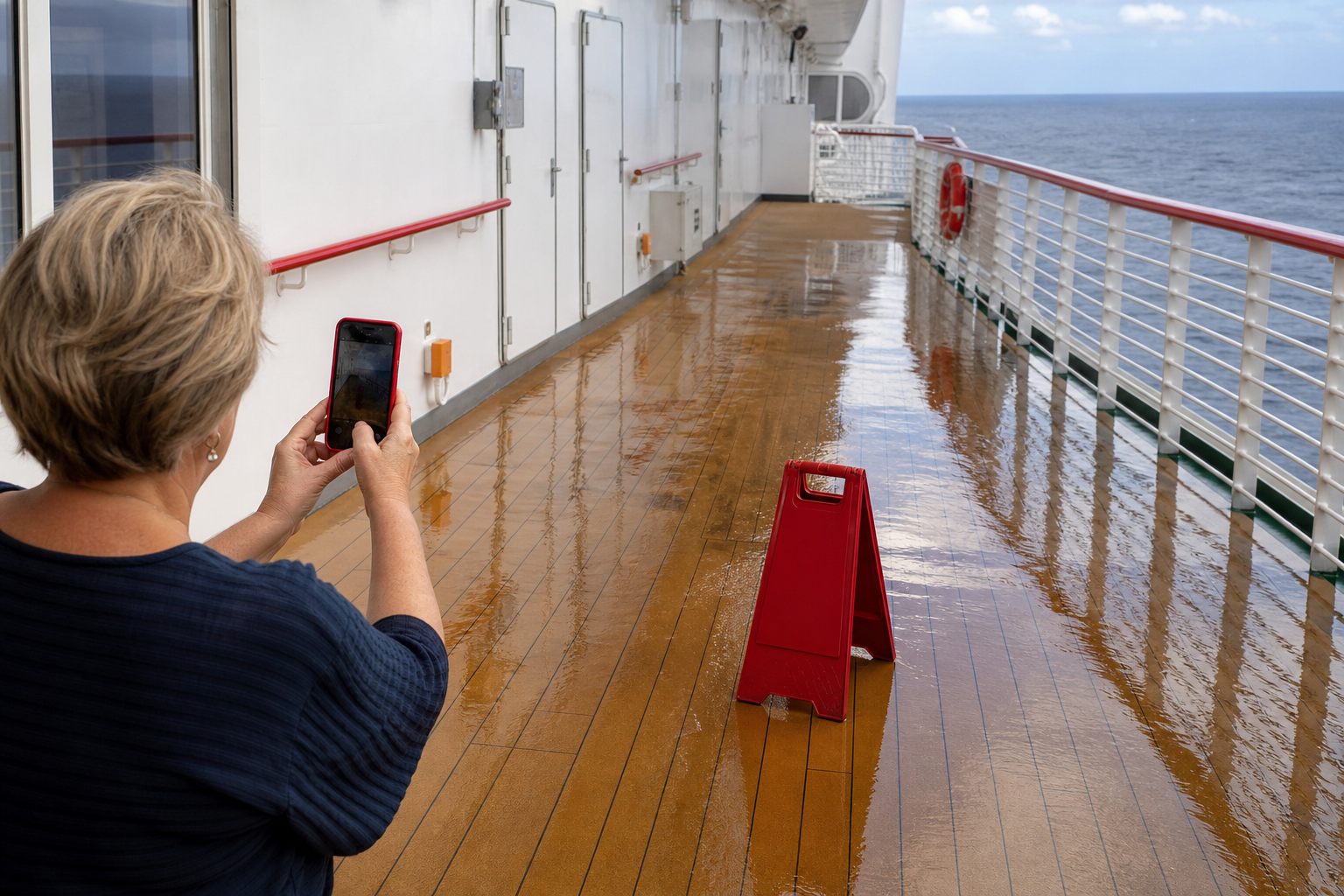
Take photos of the scene. Capture the spot where you fell, any slippery surfaces, broken railings, or faulty equipment. If the area is poorly lit, use the flash but avoid blurring the image.
Collect any written notices the cruise line posted about safety hazards. Those notices often appear in the daily itinerary or near the affected area.
According to maritime law principles, a passenger’s right to a safe environment is well established. Documenting the condition of that environment helps prove negligence.
When you return to shore, transfer all photos, notes, and receipts to a secure folder on your computer. Label each file with a date and a short description for easy reference.
Step 3: Report the Incident to the Cruise Line and Authorities
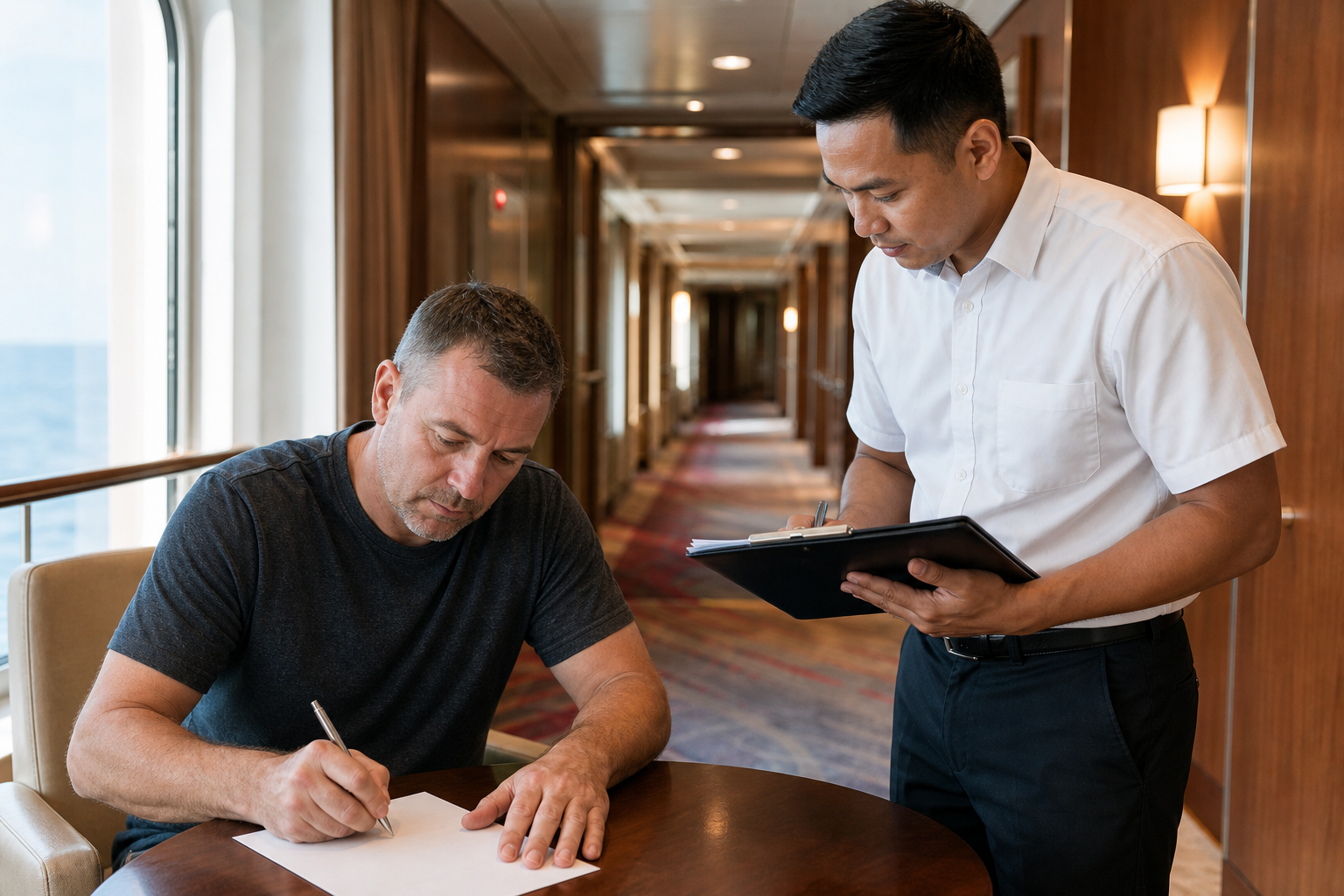
Next, tell the cruise line in writing. Use the ship’s formal incident report form, which you can usually find at the guest services desk or online on the line’s portal. Include the same details you wrote in your notebook.
Ask for a copy of the completed report and a reference number. Keep that number handy; you’ll need it for any future communication.
Depending on the severity, you may also need to file a report with local authorities. If the accident happened in U.S. waters, the U.S. Coast Guard has jurisdiction. For incidents in foreign ports, contact the local maritime authority.
Having both the cruise line’s report and an official government record creates a paper trail that’s hard for a carrier to dispute.
Step 4: Preserve Evidence and Gather Witness Information
While you’re still on board, ask any nearby passengers if they saw what happened. Get their names, cabin numbers, and contact details. Even a brief “I saw the floor was wet” can be powerful.
If crew members assisted you, request their names and job titles. Their statements can confirm that the ship followed, or ignored, safety protocols.
Ask the ship’s security office for any surveillance footage of the area. Most modern cruise ships have cameras covering decks and public spaces. A video can show exactly how the hazard existed.
The Federal Trade Commission’s consumer‑rights page notes that passengers have a right to request and retain such evidence (source). Keep copies of all witness statements, crew logs, and video files in the same folder you created in Step 2.
Preserve any physical items that caused the injury, like a broken railing fragment or a wet floor mat. Store them in a sealed bag and label them clearly.
Step 5: Consult a Maritime Attorney and File Your Claim
Now it’s time to bring in legal expertise. A maritime attorney knows the nuances of the Jones Act, the Passenger Vessel Services Act, and other statutes that protect cruise passengers.
Schedule a consultation with a lawyer who specializes in maritime personal injury. During the call, share your compiled evidence folder. The attorney will evaluate the strength of your case and advise on the best filing strategy, whether to pursue a direct claim with the cruise line or to file a lawsuit in federal court.
Many firms offer a free initial review. If you choose to work with maritimeattorney.ai, you’ll get a dedicated attorney who can handle paperwork, negotiate with the carrier, and fight for compensation.
According to Cornell Law School’s overview of the Jones Act, crew members and passengers can seek damages for negligence, medical costs, and lost wages. Your attorney will calculate those damages based on your medical bills, lost earnings, and any pain‑and‑suffering you’ve endured.
Once your lawyer files the claim, keep a copy of every filing receipt and any court docket numbers. Follow up regularly to stay informed about the case’s progress.
"A well‑documented claim is the strongest weapon against a cruise line’s denial tactics."
Frequently Asked Questions
What is a cruise ship accident claim?
A cruise ship accident claim is a legal request for compensation filed by a passenger who was injured due to the carrier’s negligence or unsafe conditions.
How long do I have to file a claim?
You typically have one year from the date of the incident to file a lawsuit under the Jones Act, though some states may impose shorter deadlines for certain types of claims.
Do I need a lawyer to file a claim?
You don’t have to, but a maritime lawyer can handle complex statutes, negotiate with the cruise line, and increase the chance of a fair settlement.
Can I claim for emotional distress?
Yes. Courts often award damages for pain, suffering, and emotional trauma when the injury is severe or caused by reckless negligence.
Will my insurance cover the costs?
Travel insurance may cover some medical expenses, but it rarely pays for lost wages or pain‑and‑suffering. A separate claim against the cruise line is usually needed for full compensation.
What if the cruise line denies my claim?
If the carrier refuses to settle, your attorney can file a lawsuit in federal court. The legal process may involve discovery, depositions, and potentially a trial.
Getting the facts straight early on makes the difference between a quick settlement and a drawn‑out battle.
Conclusion
Start by getting medical care, then document everything, report the incident, collect evidence, and bring in a maritime attorney. For personalized help, reach out to maritimeattorney.ai and let a specialist guide you through the claim process.