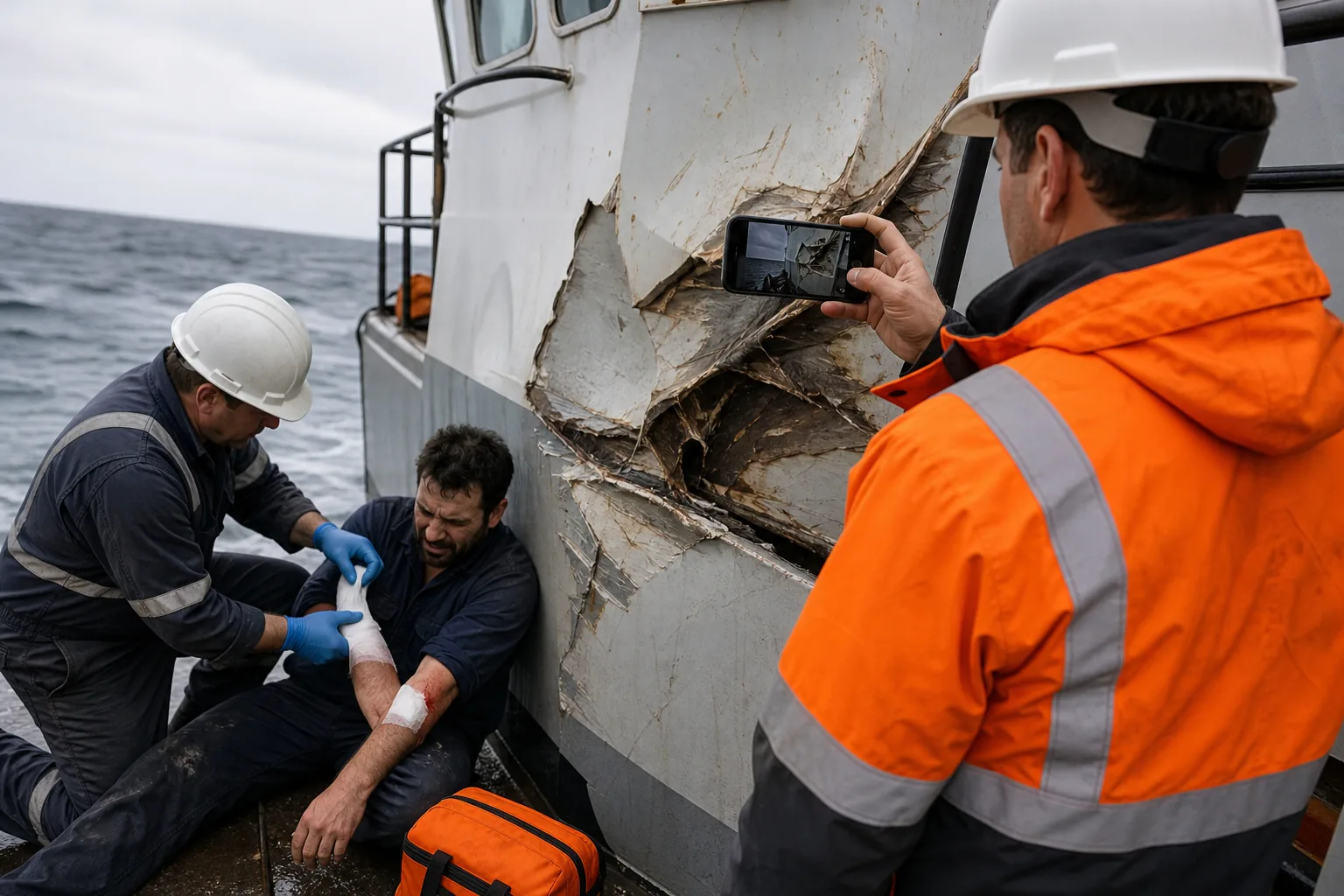
Best Boating Injury Attorney Guide 2026
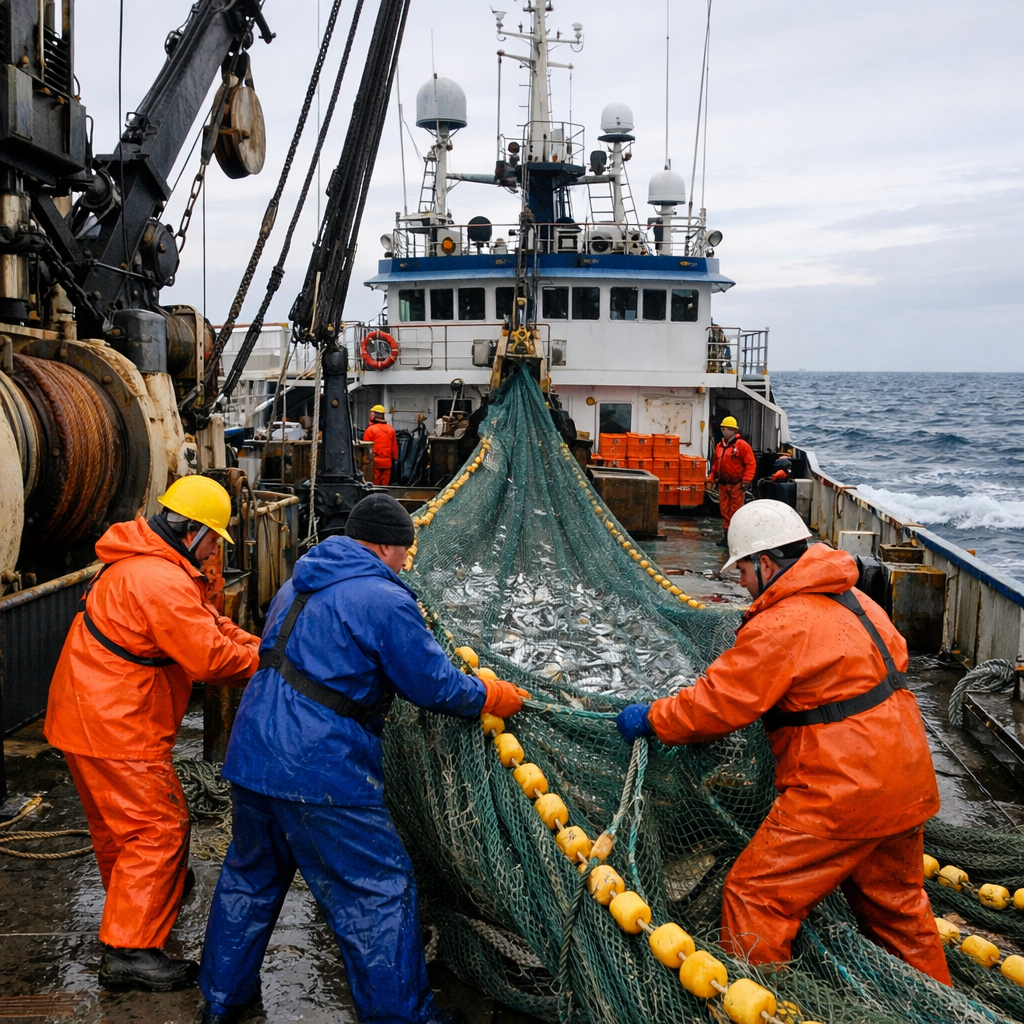
Got hurt on a boat? You’re not alone. Every year, dozens of people end up with broken bones, concussions, or worse after a splashy mishap. You need help fast. This guide walks you through the law, how to find a good boating injury attorney, where to get free resources, and how to build a strong case. Stick with me and you’ll know exactly what to do next.
Understanding Boating Injury Laws
First, you need to know the legal ground you stand on. The biggest law that helps boat workers is the Jones Act. It’s a federal rule that lets a seaman sue an employer for negligence.
The Act covers anyone who spends at least 30% of their work time on a vessel that’s in navigation. That’s the “30% rule.” If you work on a fishing boat, a tug, a cruise ship, or even a floating platform, you likely qualify.
Why does the rule matter? Because if you’re a seaman, you can chase full damages, pain, lost wages, medical bills, not just the limited payouts you get from regular workers’ comp.
Here’s a quick snapshot of what you can claim:
- Pain and suffering , fully recoverable.
- Lost wages , future earnings included.
- Medical expenses , all costs covered.
And you get a right to a jury trial, which is rare in maritime cases.
But the Jones Act isn’t the only path. You can also claim “unseaworthiness,” a strict‑liability claim that says the vessel itself was unsafe. No need to prove the owner knew about the defect.
And then there’s “maintenance and cure.” That’s a no‑fault promise that your employer must pay for your living costs and medical care until you’re fully healed.
Think of these three pillars, Jones Act negligence, unseaworthiness, and maintenance & cure, as a safety net. They work together so you can get the compensation you deserve.
Most cases settle well before a trial. That’s why you hear about big numbers but rarely see a courtroom drama.
Now, how do courts decide if you’re a seaman? The Supreme Court uses a three‑part test: (1) you must spend enough time on the vessel, (2) your duties must be related to the vessel’s mission, and (3) the vessel must be in navigation. Even a docked ship counts if it’s still operational.
Here’s a checklist to see if you qualify:
- Do you spend at least 30% of your work time on a boat?
- Do your tasks help the vessel move or perform its job?
- Is the boat in navigation (moving, ready to move, or anchored but functional)?
If you said yes to all three, you likely have Jones Act rights.
Bottom line: The Jones Act gives qualified seamen a powerful path to full damages, and it works hand‑in‑hand with unseaworthiness and maintenance‑and‑cure claims.
Finding a Qualified Boating Injury Attorney
Now that you know the law, you need the right lawyer. A good boating injury attorney knows maritime law, the Jones Act, and the local courts.
Start with a short list. Look for firms that mention “Jones Act” or “maritime injury” on their site. Ask if they have handled boat or offshore cases before.
And don’t forget to check reviews. Real client feedback tells you if the firm actually fights for the payout you need.
When you talk to a lawyer, ask these key questions:
- How many boating injury cases have you handled?
- What was the average settlement or verdict?
- Do you work on a contingency fee basis (no win, no fee)?
- Will you keep me updated with plain‑language reports?
Take notes. Compare answers side by side.
Here’s a pro tip that can save you time: most firms offer a free case review. Use that call to see if the attorney clicks with you.
And watch out for red flags. If a lawyer promises a specific amount before looking at your file, that’s a warning sign.
Once you pick a lawyer, sign a retainer that explains the fee structure. Most boating injury attorneys work on a contingency basis, meaning they only get paid if you win.
Ready to start? What a Boating Accident Attorney Can Do for You in 2026 explains the exact steps and why a specialist matters.
Here’s a quick video that shows what a first meeting with a boating injury attorney looks like.
After the call, the attorney will start gathering evidence, contact the vessel owner, and file the claim within the three‑year statute of limitations.
Bottom line: A qualified boating injury attorney will turn the law’s protections into real money for you.
Top Resources for Victims (Our Pick: XYZ Law Firm)
When you’re hurt, the right info can make your case stronger. Below are the best free tools you can grab today.
1. Maritime Injury Toolkit , a collection of PDFs that explain the law, how to get maintenance & cure, and what docs you need. The toolkit breaks everything into plain language.
2. 8 Documents That Can Win Your Jones Act Case , a short guide that lists the top paperwork (witness statements, vessel logs, accident reports, etc.).
3. Maintenance & Cure Worksheet , a fill‑in form that helps you track daily living expenses so you can demand the right amount.
4. “From Tragedy to Triumph” stories , real‑life accounts of people who used the law to get paid. Reading them can give you confidence.
5. “Coping with a Maritime Injury” guide , tips for families on how to handle medical bills, stress, and insurance talks.
All of these come free from XYZ Law Firm, a firm with 50+ years of experience in maritime injury cases.
| Resource | What You Get | Why It Helps |
|---|---|---|
| Maritime Injury Toolkit | Full guide to Jones Act, unseaworthiness, maintenance & cure | Gives you the legal basics you need to ask the right questions |
| 8 Documents Report | Checklist of key evidence | Ensures you collect everything before the deadline |
| Maintenance & Cure Worksheet | Expense tracker template | Helps you claim full living costs |
| Tragedy to Triumph | First‑person injury stories | Shows you what a successful claim looks like |
| Coping Guide | Family support tips | Reduces stress so you can focus on recovery |
All of these PDFs are just a form fill‑out away. You get instant digital copies, then a hard copy mailed to you.
Here’s why XYZ Law Firm stands out: they’ve helped more than 3,000 seamen get paid, they offer a 24‑hour hotline, and they keep every client updated with a simple dashboard.
"The best time to start building a claim was yesterday."
Bottom line: XYZ Law Firm provides the most complete, free resource kit for anyone hurt on the water.
How to Prepare Your Case Documentation
Good paperwork can mean the difference between a quick settlement and a long, costly fight.
Start right after the accident. Grab your phone and take photos of the boat, the damage, and any visible injuries. Even if the scene looks clean, those pictures become proof later.
Next, get the official accident report. In many states you have a few days to file it. The report lists who was in charge, weather, and any citations.
Ask for the vessel’s logbook. It shows when the boat was moving, speed, and who was on deck. That log can prove the operator was negligent.
Don’t forget witness statements. Talk to anyone who saw the crash, fellow boaters, dock workers, or nearby anglers. Get their name, contact, and a short written recap.
Collect all medical records. Even a small cut can become a bigger issue if infection sets in. Keep every doctor note, prescription, and bill.
Now organize everything. Create a master folder (digital or paper) and label each piece clearly: "Photos," "Report," "Witness," "Medical."
Here’s a pro tip for the digital side: use a cloud folder with date‑stamped files. That way you can prove the evidence was saved right after the accident.
Why does this matter? According to Farmer & Wright, cases with thorough documentation settle for 40‑60% more than those with just basic proof. That’s a big boost.
And don’t forget deadlines. The Jones Act gives you three years, but many states have shorter filing windows for the accident report. Miss those and you could lose key evidence.
Finally, work with your attorney to draft a demand letter. List every injury, every expense, and the total amount you seek. Attach all the evidence you’ve gathered.
Bottom line: Meticulous documentation turns your story into a strong legal claim that can fetch the compensation you deserve.
Conclusion
Being hurt on a boat is scary, but you don’t have to face the legal maze alone. You now know the key laws, how to pick a boating injury attorney, where to get free resources, and exactly what paperwork to collect. With the right lawyer and solid evidence, you can turn a painful incident into a fair payout that covers medical bills, lost wages, and pain.
Don’t wait for the deadline to slip by. Grab the free Maritime Injury Toolkit from XYZ Law Firm, set up a free case review with a qualified attorney, and start building your file today.
Take the first step now and protect your future.
FAQ
What does a boating injury attorney actually do?
A boating injury attorney guides you through the Jones Act process, gathers evidence, talks to the boat owner’s insurer, and fights for full damages. They handle paperwork, negotiate settlements, and if needed, take the case to trial, all while you focus on recovery.
How long do I have to file a claim?
The Jones Act gives you three years from the injury date to file a lawsuit. Some states have shorter limits for the accident report, so act quickly, usually within 30‑90 days to keep evidence fresh.
Can I still get paid if I was partly at fault?
Yes. Pure comparative negligence applies, meaning you can still recover even if you share some blame, as long as the other party was also negligent.
Do I need to pay any fees up front?
Most boating injury attorneys work on a contingency fee. That means they only get paid if you win. You won’t owe them a dime unless there’s a settlement or verdict.
What kinds of damages can I claim?
You can claim medical costs, lost wages, future earnings, pain and suffering, and maintenance & cure (living expenses). If the vessel was unseaworthy, you might also get punitive damages.
How important is medical documentation?
Very. Doctors’ notes, test results, and therapy bills prove the extent of your injuries. They also help the attorney calculate future care costs, which boosts the total claim value.
Is a settlement better than a trial?
Most cases settle before trial because it’s faster and cheaper. A skilled boating injury attorney will aim for a fair settlement, but will be ready to go to trial if the offer is too low.
Can I handle the case myself?
You could, but maritime law is complex. Without a boating injury attorney, you risk missing deadlines, losing evidence, and getting a lower payout. Professional help greatly improves your odds.