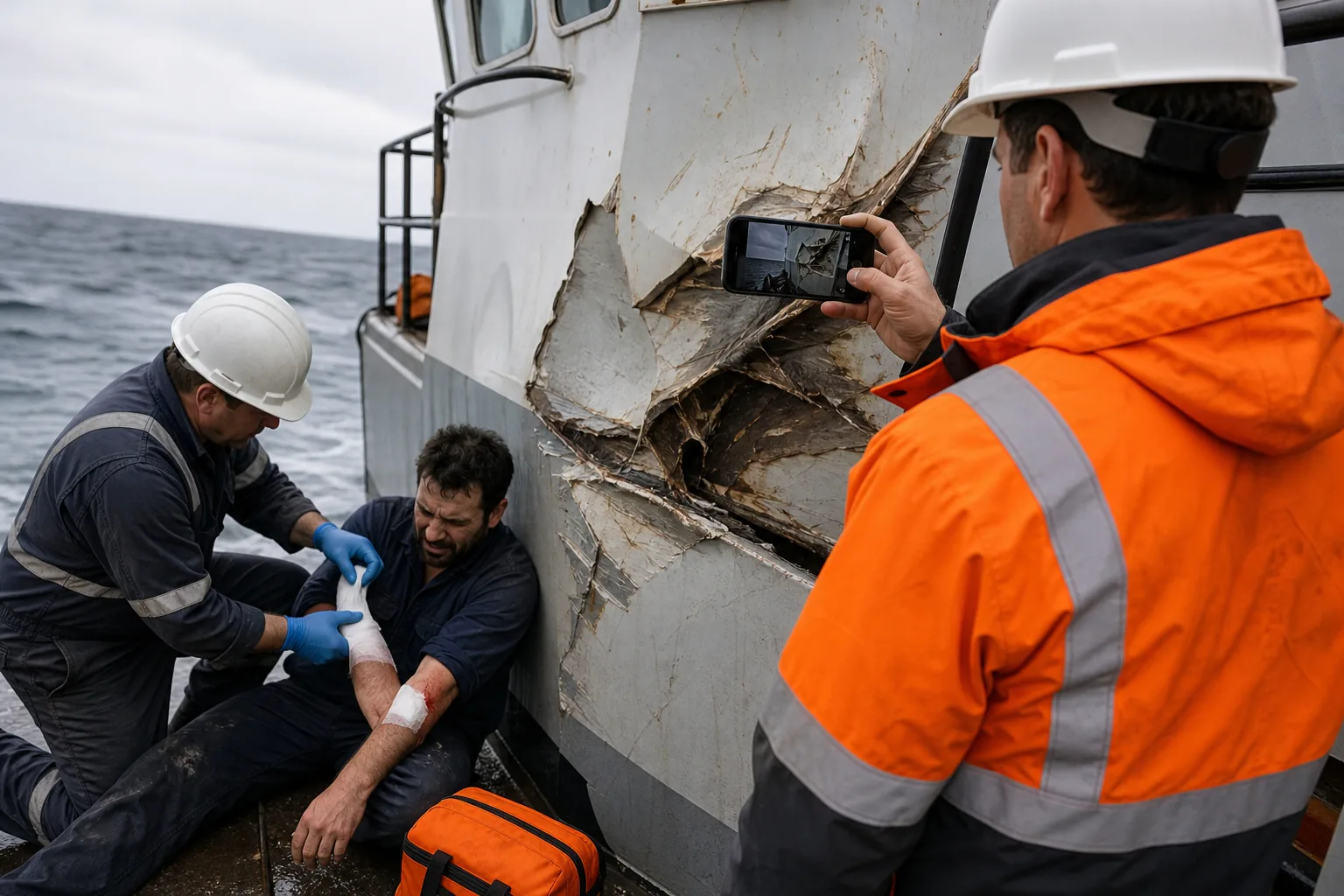
Barge Accident Lawyer Resource Guide
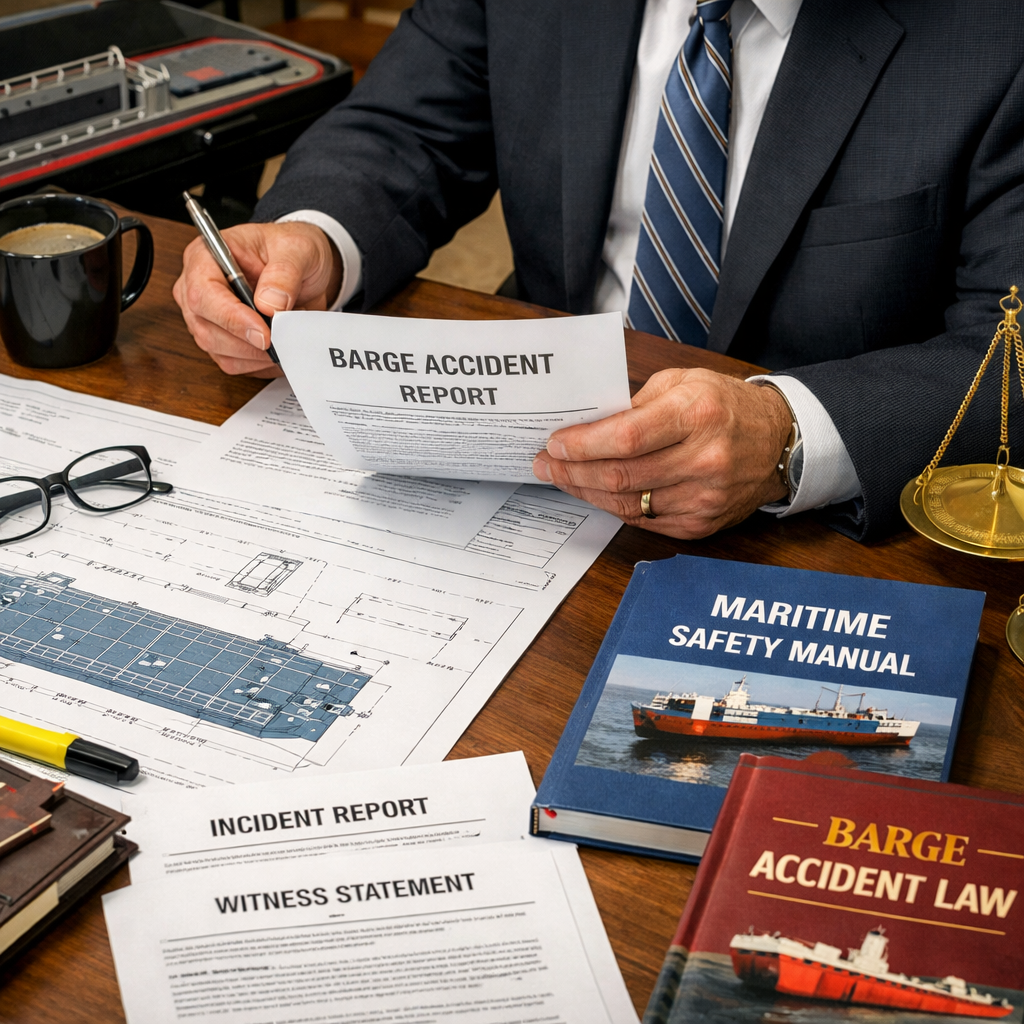
Barriers on the water can turn a workday into a nightmare in seconds. A single slip, a faulty winch, or a missed signal can leave a worker with broken bones, lost wages, and a mountain of paperwork. This guide gives you the tools you need to understand the law, locate a qualified barge accident lawyer, and get the compensation you deserve.
We’ll break down the legal landscape, show you where to look for help, and give you the exact questions to ask during that first call. By the end, you’ll know how to move forward with confidence.
Understanding Barge Accident Laws and Regulations
Barge work falls under maritime law, also called admiralty law. That body of law gives workers special rights that differ from regular workers’ compensation. The Jones Act, for example, lets a seaman sue an employer for negligence, while the Longshore and Harbor Workers’ Compensation Act (LHWCA) covers dockworkers and repair crews.
Key agencies enforce safety on barges. The Occupational Safety and Health Administration (OSHA) writes rules about machinery, training, and personal protective equipment. OSHA also requires regular inspections and proper railings to keep workers from falling overboard. When a barge owner skips these steps, they break the law and become liable for any injuries.
The U.S. Coast Guard (USCG) monitors vessel compliance. The Coast Guard sets limits on crew size, load capacity, and tow‑boat standards. It also inspects barges for mechanical failures like broken winches or faulty spud pins. A failure to follow USCG rules can trigger hefty fines and civil suits.
Most accidents happen because of operator error or poor maintenance. A 2026 USCG safety report showed that 52% of barge casualties were collisions, often due to missed radio calls or inadequate bridge clearance. When a barge hits a bridge, the damage can be massive, and the injured workers may face long recoveries.
Because maritime law provides for "maintenance and cure", which covers medical costs and living expenses, victims can claim both past and future expenses, plus pain and suffering.
Bottom line:Understanding which law applies and which agency was supposed to enforce safety is the first step in a strong claim.
How to Find a Qualified Barge Accident Lawyer
Finding the right lawyer isn’t a lottery. Start by searching for attorneys who specialize in maritime or admiralty law. Those lawyers know the Jones Act, LHWCA, and how to deal with the Coast Guard and OSHA.
Ask for referrals from other maritime workers or unions. Many unions keep a list of trusted lawyers who have handled barge cases before. You can also check state bar directories for attorneys with a maritime focus.
Once you have a short list, verify each lawyer’s track record. Look for case results that involve barge collisions, equipment failures, or spud‑pin accidents. A good lawyer will readily share the number of settlements and trials they’ve won in the past year.
Don’t forget to confirm that the lawyer is licensed in the state where the accident happened. This matters because the Jones Act is a federal claim, but some related state courts may get involved.
When you contact a lawyer, they should offer a free, no‑obligation consultation. During that call, they’ll ask about the accident details, injuries, and any paperwork you have. They should also explain how they charge, most barge accident lawyers work on a contingency basis, meaning they only get paid if you win.
Here’s where you can start your search. Find the Right Boat Accident Lawyer Near Me: A 2026 Guide lists vetted maritime attorneys across the country and includes client reviews, fee structures, and contact info.
After you narrow it down, set up face‑to‑face meetings (or video calls) with the top two candidates. Bring all your documents: medical records, OSHA reports, USCG inspection logs, and photos of the scene. A lawyer who asks for this info up front shows they’re ready to act.
During the meeting, watch how quickly they respond to your questions. A good barge accident lawyer will speak plainly, avoid legal jargon, and give you a realistic timeline.
Bottom line:Vet specialists, verify credentials, and pick the attorney who makes the process feel manageable.
Key Questions to Ask During Your Initial Consultation
The first call with a lawyer sets the tone for the whole case. You want to walk away with a clear picture of what’s next.
Ask about their experience with barge‑specific claims. A strong answer will include the number of Jones Act cases they’ve handled and the outcomes. For example, “I’ve won 12 barge accident cases in the past year, including a $2.5 million settlement for a spud‑pin injury.”
Next, inquire about the fee structure. Most barge accident lawyers work on a contingency basis, typically 33% of the recovery. Some may take a lower percentage if the case is straightforward, or they may offer a hybrid hourly/contingency model.
Find out how they’ll gather evidence. Good lawyers will coordinate with marine engineers, safety inspectors, and medical experts. They should also know how to request the USCG accident report and OSHA inspection logs.
Ask about the timeline. Maritime cases can take months because of federal jurisdiction and complex liability issues. A realistic lawyer will say something like, “We expect discovery to last 3‑4 months, and settlement negotiations may take another 2‑3 months.”
Don’t forget to ask who will actually handle your case. Some firms assign a junior associate to the day‑to‑day work while the senior partner oversees strategy.
Finally, ask about communication. You deserve regular updates, at least once a month, so you know where the case stands.
Bottom line:The right questions reveal a lawyer’s competence, transparency, and commitment to your case.
Top Organizations and Agencies for Barge Accident Support
Beyond lawyers, several agencies can help you handle the aftermath of a barge accident.
The U.S. Coast Guard maintains a public database of marine accident reports. Those reports detail the cause of the incident, vessel conditions, and any citations issued. You can request the report through the USCG’s Marine Safety portal.
The Occupational Safety and Health Administration (OSHA) offers a hotline for workers who need help filing a complaint about unsafe conditions. OSHA can also conduct its own investigations if you report a serious violation.
The National Transportation Safety Board (NTSB) publishes detailed investigation reports for major barge accidents. Their 2024 Safer Seas Digest noted 34 maritime casualties, with towing vessels involved in most cases. The NTSB’s findings can be used as evidence of industry‑wide safety issues.
For financial assistance, the Longshore and Harbor Workers’ Compensation Act (LHWCA) provides benefits to workers who don’t meet the Jones Act’s “seaman” definition. The LHWCA’s official website explains eligibility and the claim process.
Labor unions, such as the International Longshore and Warehouse Union (ILWU), often have legal aid funds for members injured on the water. Contact your union rep to learn about these resources.
"The best way to protect yourself is to involve the proper agencies early, USCG for vessel data, OSHA for safety violations, and NTSB for investigative insight."
These organizations work best when you provide them with clear documentation: medical records, accident photos, and any correspondence from the barge operator.
Bottom line:Use the USCG, OSHA, NTSB, and labor unions to gather evidence and secure benefits.
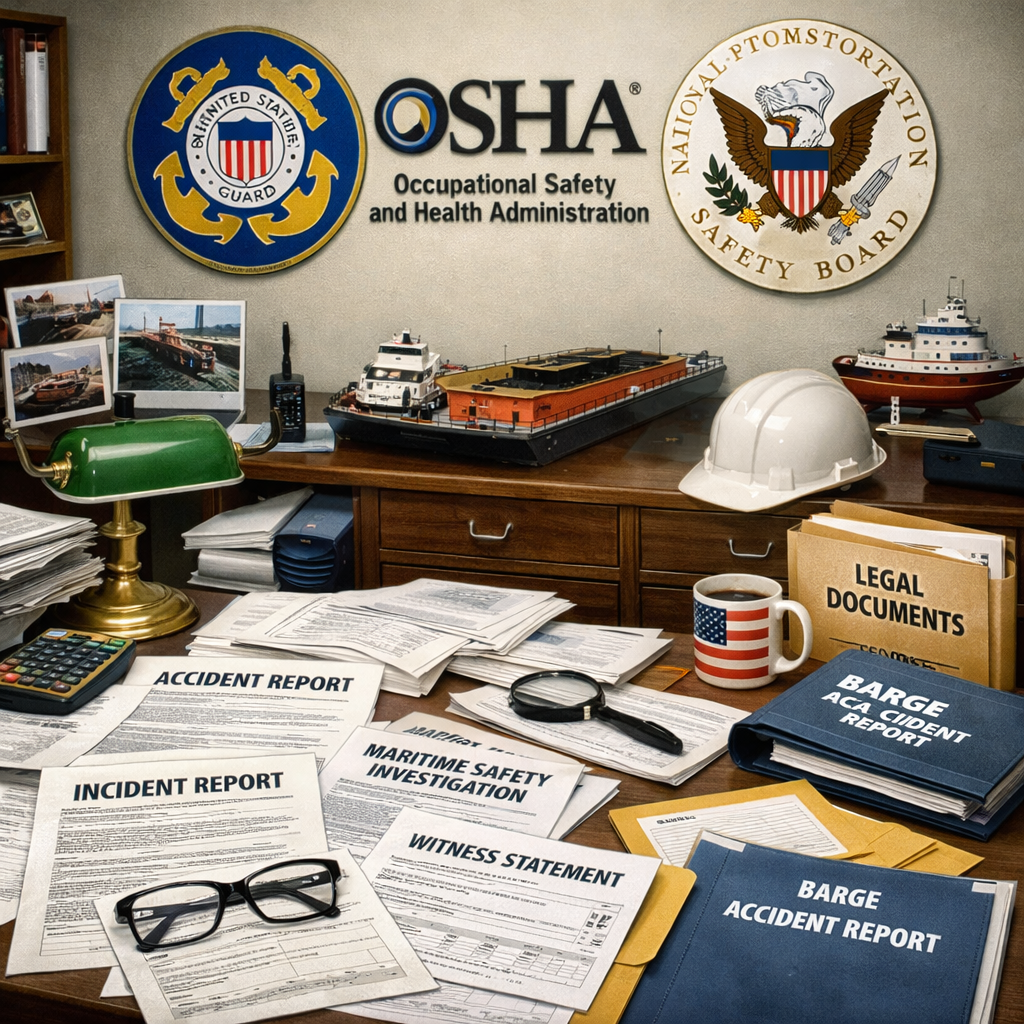
Comparing Legal Service Options: Contingency, Hourly, or Fixed Fee
How a lawyer charges can affect the total amount you receive. Understanding each model helps you pick the best fit.
Contingency
Most barge accident lawyers work on contingency. That means they only get paid if you win. The typical cut is one‑third of the settlement or verdict. The upside is you pay nothing up front, which is helpful if you’re already dealing with medical bills.
The downside is the lawyer’s incentive is tied to the final amount. They may push for a quicker settlement rather than a higher trial award.
Hourly
Hourly fees range from $150 to $500 per hour for maritime specialists. You’ll receive a bill for every hour the lawyer spends on your case, from drafting motions to meeting with experts.
This model works if you have a straightforward claim that you expect to settle quickly. However, if the case drags on, the costs can add up fast.
Fixed Fee
A fixed fee is a set amount for a defined scope of work, such as filing a claim or handling negotiations. It gives you cost certainty, but you’ll still need to cover any extra work that falls outside the agreed scope.
Some firms combine a low hourly rate with a capped contingency percentage, offering a hybrid that balances risk and cost.
When you compare offers, look beyond the percentage. Consider the lawyer’s experience, the resources they’ll bring (e.g., expert witnesses), and how they’ll communicate progress.
Bottom line:Contingency is common for high‑value barge claims, but hourly or fixed fee may suit simpler cases.
Conclusion
When a barge accident shatters your life, the legal system can feel as confusing as a tangled towline. Yet the rules are clear: maritime law offers strong protections, and the right lawyer can turn those protections into real compensation.
Start by understanding which statutes apply, whether it’s the Jones Act, LHWCA, or OSHA standards. Then, use the resources we’ve highlighted to locate a specialist attorney, ask the right questions, and lean on agencies like the USCG and NTSB for evidence. Finally, pick a fee model that fits your budget and the case’s scope.
Ready to take the next step?Start your free consultation with a qualified barge accident lawyer todayand move toward the compensation you deserve.
Bottom line:Armed with knowledge and the right support, you can handle the legal currents and secure a fair outcome.
FAQ
What does a barge accident lawyer do?
A barge accident lawyer evaluates the incident, gathers evidence such as USCG reports and OSHA citations, and files a claim under maritime statutes like the Jones Act. They negotiate with insurers, represent you in court if needed, and aim to recover medical costs, lost wages, and pain‑and‑suffering damages.
How long do I have to file a claim?
Under the Jones Act, you generally have three years from the date of injury to file a lawsuit. However, it’s wise to start the process as soon as possible so you can preserve evidence and meet any shorter deadlines set by the employer or insurance carrier.
Can I claim compensation if the barge was on a river?
Yes. The Jones Act covers injuries on navigable waters, which include rivers and lakes. If your role falls outside the Jones Act’s definition of a seaman, you may still be covered by the Longshore and Harbor Workers’ Compensation Act.
Do I need to pay anything upfront?
Most barge accident lawyers work on a contingency basis, meaning they only collect a fee if you win. Some may ask for a small retainer for expenses, but you shouldn’t owe any legal fees before a settlement or judgment.
What evidence should I collect after an accident?
Gather the USCG accident report, OSHA inspection notices, photos of the scene, witness statements, and all medical records. Keep any correspondence from the barge operator and your employer. This documentation forms the backbone of a strong claim.
How can I verify a lawyer’s track record?
Ask the attorney for references from past barge accident clients and for details on recent settlements or verdicts. You can also check state bar association records for any disciplinary actions and review client testimonials on reputable legal directories.
Will my case go to trial?
Most barge accident claims settle out of court, but if the insurer offers a lowball settlement, a skilled lawyer may take the case to trial to seek a fair award. Your attorney will advise you based on the strength of the evidence and the other party’s willingness to negotiate.
Can I sue multiple parties?
Yes. In a barge accident, liability may involve the barge owner, the towboat operator, equipment manufacturers, and even the port authority. A knowledgeable lawyer will identify all potentially responsible parties and pursue joint or several liability claims.