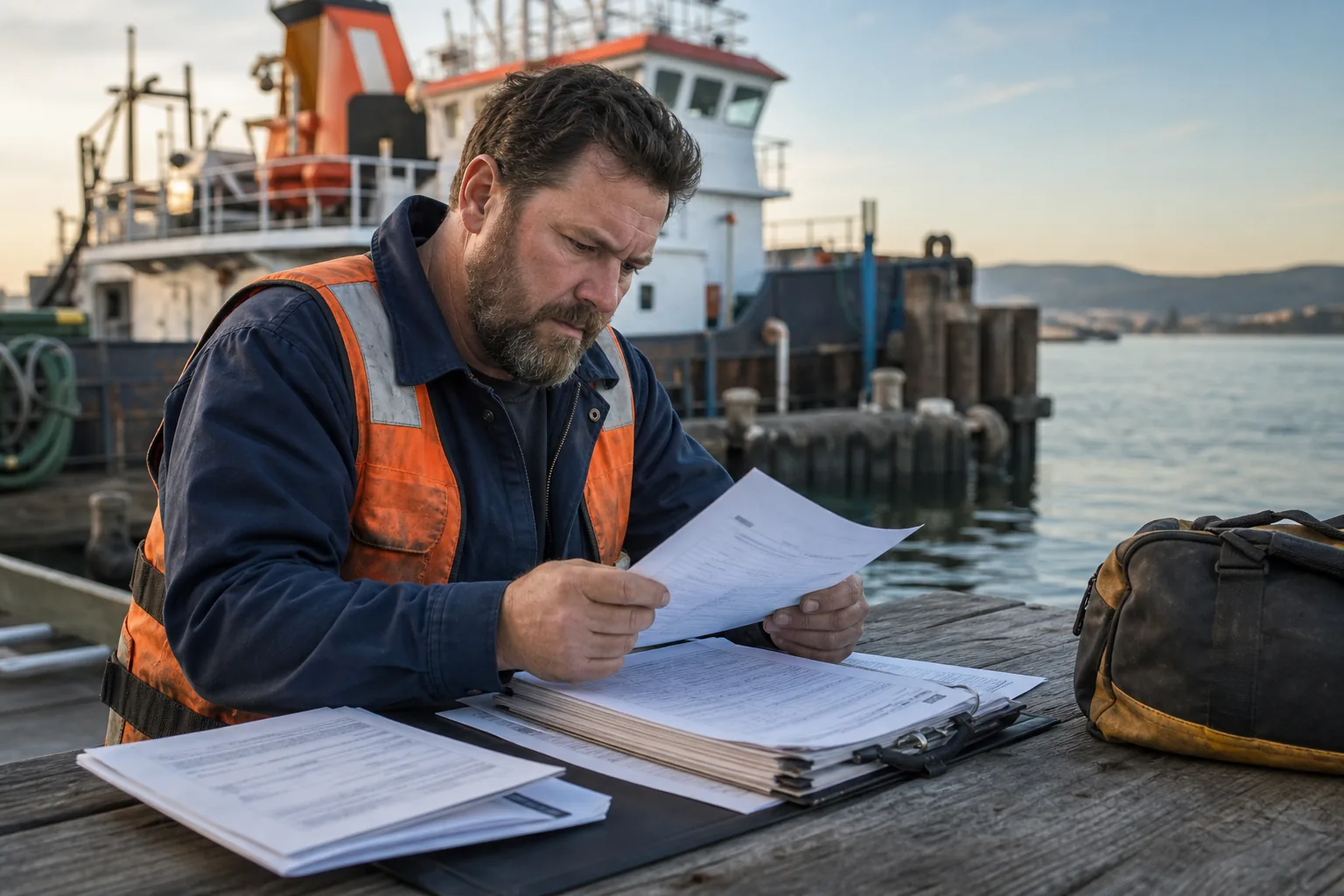
Step-by-Step Guide: What to Do After a Boating Accident
If a boat crash throws your day into chaos, you need a clear plan fast. Below is a step‑by‑step checklist that walks you through every critical move, so you stay safe, protect evidence, and get the help you deserve.
Step 1: Secure Safety for All Onboard
First, make sure everyone on the vessel is accounted for. Call out names, check for injuries, and pull any unconscious person from the water as quickly as you can. If you have life jackets, get them on right away , they’re often the difference between a close call and a tragedy.
Cold water can sap body heat fast. The U.S. Boating Safety Study Guide warns that water under 70 °F can cause hypothermia in minutes. Keep heads out of the water, huddle together for warmth, and use any floating objects as makeshift rafts.
While you’re stabilizing the situation, keep the boat steady if it’s still afloat. Turn off the engine, drop anchor if needed, and stay clear of any traffic to avoid a second collision.
Once everyone is safe, move to a sheltered spot on the deck or a nearby dock. This gives you a dry area to start the next steps.
Step 2: Document the Incident
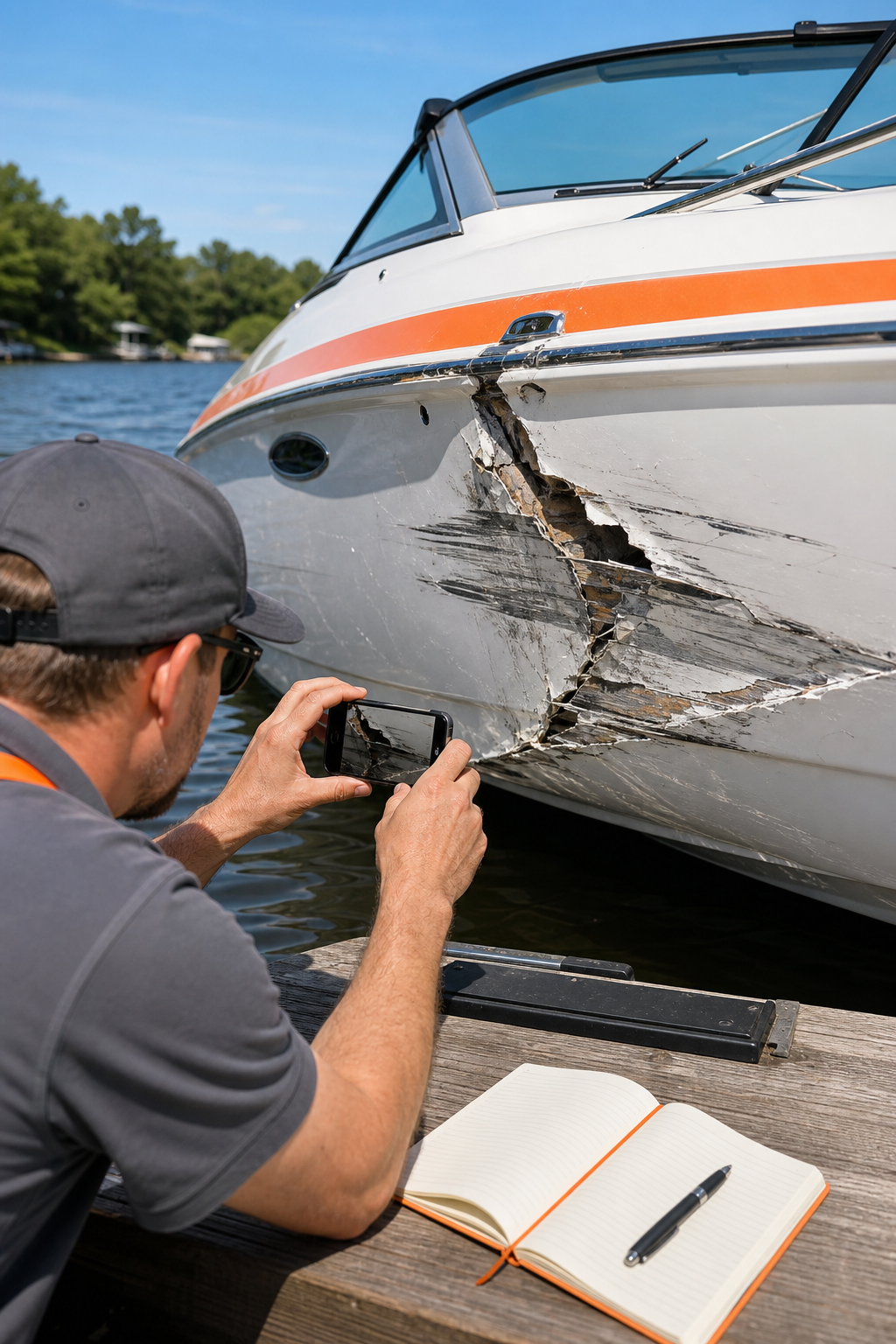
Accurate records are the backbone of any claim. Grab your phone or a waterproof camera and snap photos of the damage, the water’s condition, and the surrounding area. Capture the angle of impact, any debris, and the position of the boat.
Write down the exact time, GPS coordinates, weather, and water temperature. Note the speed you were traveling and any maneuvers you made just before the crash.
Talk to any witnesses while their memories are fresh. Get their names, phone numbers, and a brief statement of what they saw.
Gather the vessel’s registration, insurance cards, and the operator’s license. If you’re near a marina, ask the staff to log the incident in their records.
All this information will become the factual backbone of your report and any future legal case.
Step 3: Notify Authorities and Insurance
Prompt reporting protects you from legal trouble and helps insurers process your claim quickly. Call the U.S. Coast Guard or your local marine patrol to file an official accident report. In many states the law requires a written report within 24 hours.
Reach out to your insurance carrier as soon as you can. Give them the basic facts , date, location, and a brief description of damage. Ask for the claim number and keep a log of every conversation.
Many insurers will assign an adjuster who will want to see your photos, witness statements, and the official report. Provide these documents in the order they ask for them to avoid delays.
While you’re on the phone, note the name of the representative, the time of the call, and any reference numbers. This trail can be valuable if disputes arise later.
For a complete look at the federal reporting requirements, see the U.S. Coast Guard accident reporting PDF.
Step 4: Seek Medical Attention
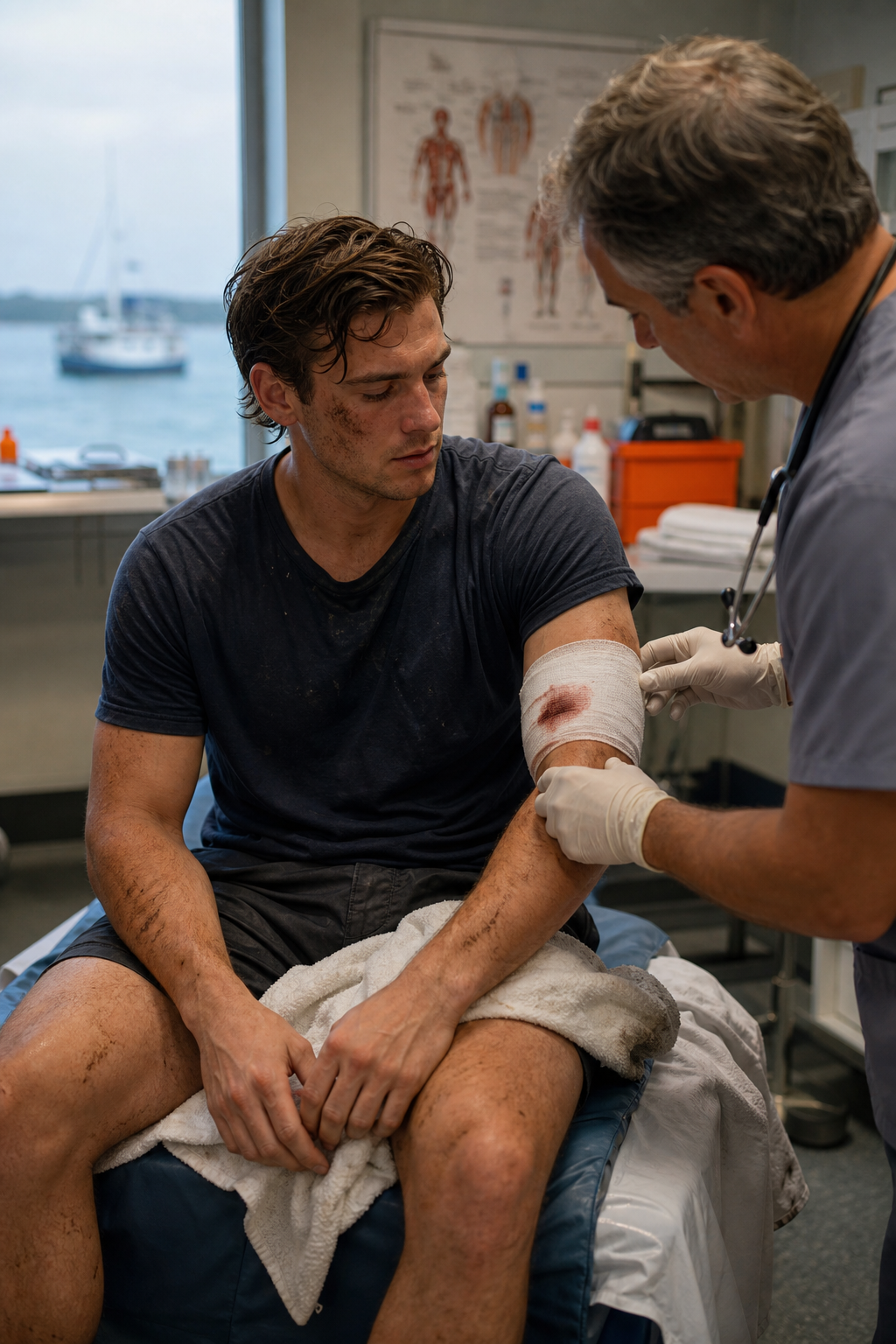
Even if you feel fine, get checked out. Some injuries, like concussions or internal bruising, don’t show symptoms right away. A medical professional can catch hidden problems before they worsen.
Ask the emergency crew for a basic first‑aid kit if you’re on the water. Apply pressure to bleeding wounds, immobilize suspected fractures, and keep any exposed wounds clean.
When you reach shore, head to the nearest urgent‑care clinic or emergency room. Explain that the injury occurred on a boat , water exposure can complicate infections.
Keep every medical record, prescription, and doctor’s note. These documents prove the extent of your injuries and will be needed for any compensation claim.
If you have a pre‑existing condition that the accident aggravated, mention it to the doctor. That detail can affect the value of your claim.
Step 5: Preserve Evidence and Records
Time erodes evidence fast. After the boat is hauled out or repaired, take “before and after” photos of the hull, engine, and any equipment. Store these images on a cloud drive and a USB stick.
Save every receipt you incur , from towing fees to medical bills. Organize them by date and type in a dedicated folder.Ask the insurance adjuster for a copy of their assessment report. Keep a record of any settlement offers, even if you plan to reject them.
Maintain a daily log of how the injury impacts your life , missed work, pain levels, and any restrictions. This diary can counter claims that your injuries are minor.
When you talk to a lawyer, bring this organized file. A clean, chronological packet makes it harder for insurers to dispute facts.
Step 6: Consult a Maritime Attorney
Legal expertise turns paperwork into compensation. A maritime attorney knows the nuances of admiralty law, the statutes of limitations, and how to negotiate with insurers.
At maritimeattorney.ai, the team specializes in boat‑accident cases and can evaluate your evidence within hours. They’ll advise whether you have a viable claim and outline the steps forward.
Most attorneys work on a contingency basis, so you don’t pay unless you win. That removes financial risk while you focus on recovery.
Ask your lawyer about past cases involving similar vessels, water conditions, and injury types. Experience with the specific jurisdiction can make a big difference in the outcome.
Understanding the basics of maritime law helps you follow the attorney’s strategy and ask the right questions.
FAQ
What should I do first after a boating accident?
The first thing is to make sure everyone is safe , get people out of the water, put on life jackets, and stop any further danger.
Do I have to call the Coast Guard after every accident?
Yes, most states require an official report, and the Coast Guard handles the federal filing. Call them within 24 hours.
How long do I have to file a claim?
Maritime claims often have a two‑year limit, but some states start the clock the moment the accident occurs. Talk to a lawyer early.
Can I settle my case without a lawyer?
You can try, but insurers know the system and may offer low payouts. A lawyer levels the playing field and can increase your recovery.
What kind of medical records do I need?
Bring every doctor’s note, test result, prescription, and bill. Even minor visits count because they show the injury’s progression.
Will my insurance rates go up after an accident?
It depends on your policy and the fault determination. Some insurers separate boating coverage from auto rates.
Getting professional legal help early can protect your rights and keep your costs down.
Conclusion
Start with safety, then document everything, report promptly, get medical care, preserve proof, and bring in a maritime attorney. Reach out to a specialist today so you can focus on getting back on the water.