What Does a Maritime Lawyer Do? Duties & Examples
A maritime lawyer handles legal issues that happen on navigable waters. They deal with everything from injured seamen to lost cargo and ship collisions. Here's what they actually do day to day.
Key Responsibilities of a Maritime Lawyer
A maritime lawyer's main job is to advise clients and represent them in court on matters governed by maritime law. That law covers activities on oceans, rivers, and lakes that are used for commerce. The work splits into two big buckets: litigation and transactional.
On the litigation side, a maritime lawyer files lawsuits for personal injury, cargo damage, or contract disputes. They might sue a shipowner for an unsafe vessel or defend a shipping company against a claim. They also handle unique procedures like arresting a ship to secure payment for repairs or supplies.
Transactional work means drafting and reviewing contracts. A maritime lawyer writes charter party agreements, bills of lading, shipbuilding contracts, and marine insurance policies. They also help companies comply with regulations from the Coast Guard and international bodies like the International Maritime Organization.
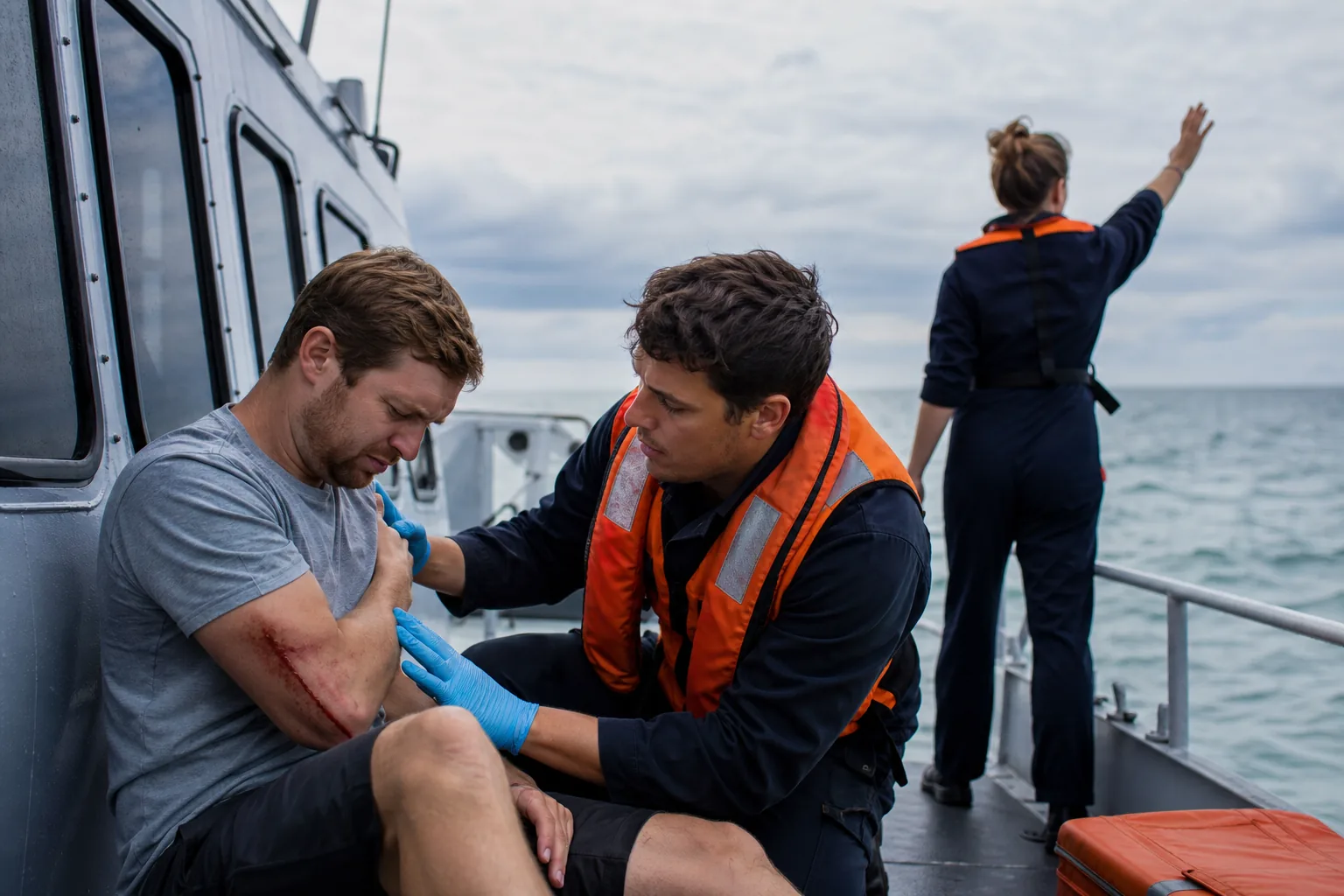
Another big duty is advising on liability after an accident. If a crew member gets hurt, the lawyer figures out which law applies , the Jones Act, Longshore and Harbor Workers' Compensation Act, or general maritime law. They then guide the client on deadlines and evidence preservation.
of maritime lawyers, the most common cases include Jones Act claims, cargo disputes, marine insurance fights, and salvage awards. The lawyer's job is to identify the right legal path and push the case toward settlement or trial.
Types of Maritime Law Cases
Maritime law covers a lot of ground. Here are the main types of cases a maritime lawyer handles, with examples.
The U.S. federal courts have exclusive jurisdiction over many admiralty cases. As explained by the Federal Judicial Center, the Constitution gives federal courts power over "all Cases of admiralty and maritime Jurisdiction." This means maritime lawyers often appear in federal district courts, not state court.
Where Maritime Lawyers Work
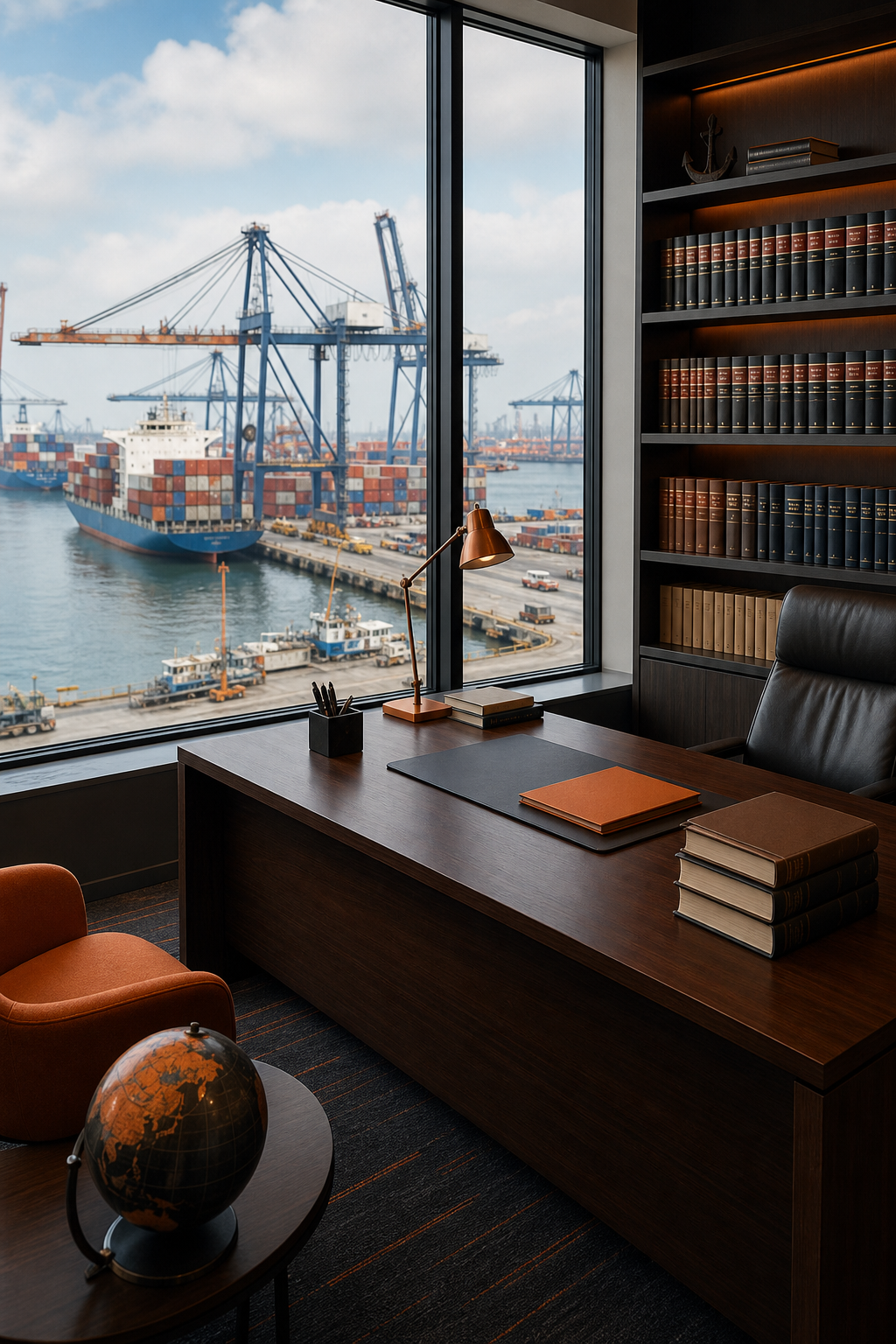
Maritime lawyers work in law firms, corporations, government agencies, and nonprofits. The biggest concentration is in port cities like New York, Houston, New Orleans, Miami, and Los Angeles. Many firms have dedicated maritime or admiralty departments.
Government maritime lawyers work for the Coast Guard, the Maritime Administration, the Department of Justice, and environmental agencies. They handle enforcement of shipping regulations, pollution laws, and maritime security. Some work as in-house counsel for shipping companies, cruise lines, or offshore oil firms.
There are also maritime lawyers who specialize in representing individual seamen and passengers. They often operate smaller firms focused on personal injury and Jones Act claims. International maritime law work is common in London, Singapore, and Dubai.
How to Become a Maritime Lawyer
Becoming a maritime lawyer takes the same steps as any attorney: a bachelor's degree, a law degree (JD), and passing the bar exam. But then you need to specialize.
Law schools offer maritime law courses and even LL.M. programs in admiralty. The University of Miami School of Law has a well-known Maritime Law LL.M. because of its location near the Port of Miami and cruise line headquarters. Students there can do externships with Carnival, Royal Caribbean, and the Coast Guard.
You can also learn on the job. Many young associates join firms with maritime practices and learn from experienced partners. Some start in general litigation and gradually take on shipping cases. Others go straight into a boutique maritime firm.
Key skills include knowing federal court procedure, understanding international treaties like the Hague-Visby Rules, and being comfortable with the business side of shipping. A maritime lawyer often deals with insurance, finance, and logistics.
When to Hire a Maritime Lawyer
You need a maritime lawyer any time you have a legal problem tied to a boat, ship, or offshore activity. Here are the most common situations:

- You're a seaman injured on the job. The Jones Act gives you the right to sue your employer. A lawyer can help you get maintenance, cure, and damages.
- Your cargo is lost or damaged. Shipping contracts have short deadlines. A maritime lawyer can preserve your claim under COGSA or the Hague-Visby Rules.
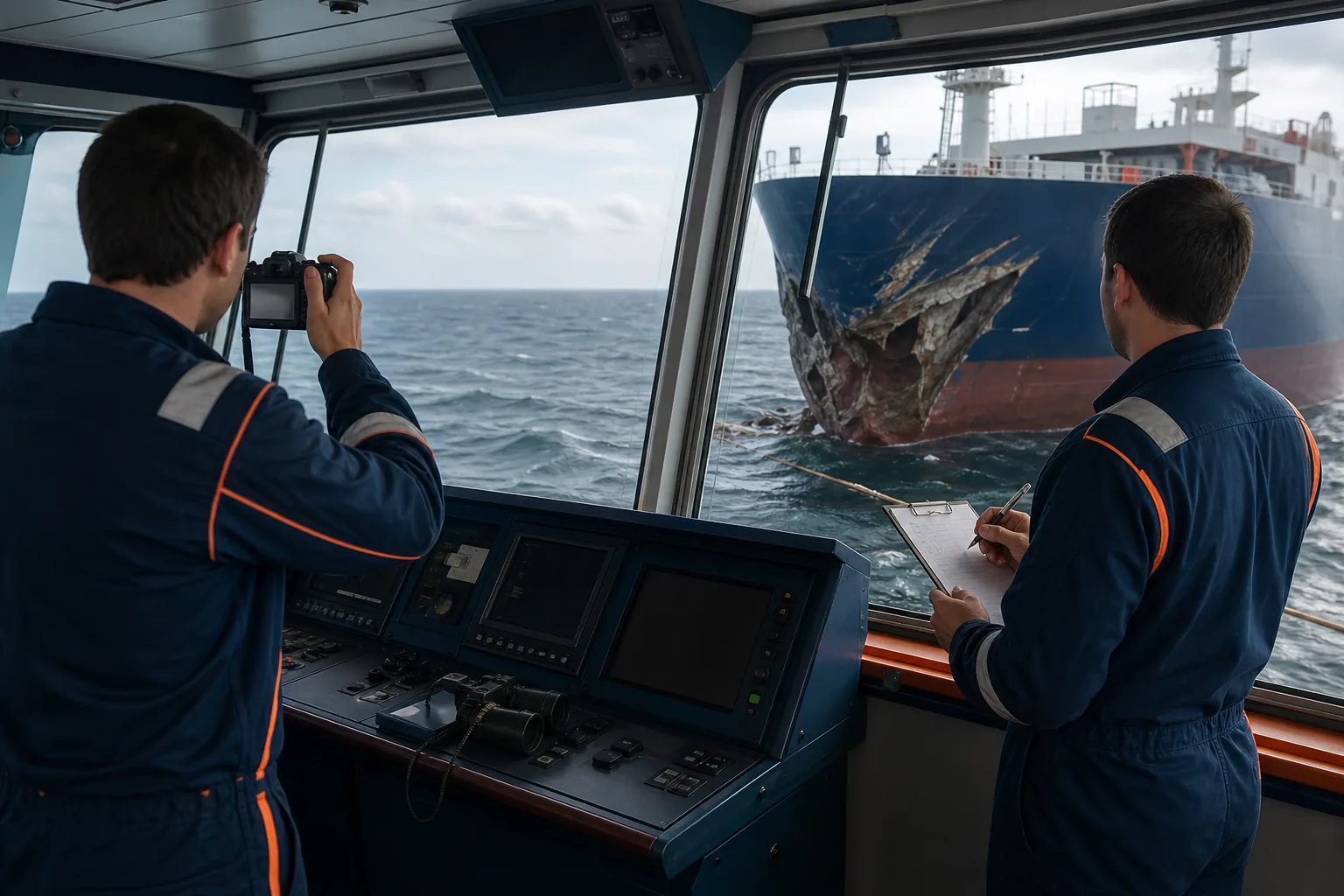
- You're involved in a collision or grounding. Liability can be complex, and shipowners often try to limit their liability. You need a lawyer to protect your interests.
- You're a cruise passenger who got hurt. Cruise line tickets have fine print about where you can sue. A maritime lawyer can handle those restrictions.
- You own a vessel that's been arrested. The ship can be held for unpaid debts. A lawyer can get it released quickly.
- You're facing a pollution fine. The Oil Pollution Act and other laws carry big penalties. Legal help is essential.
The key is to act fast. Maritime claims have short statutes of limitation , sometimes only one year for personal injury on a cruise. Evidence also disappears quickly: logbooks get filed, witnesses scatter, and vessels leave port.
Common Misconceptions About Maritime Law
Maritime law is often misunderstood. Here are a few myths and the truth behind them.
Myth 1: Maritime law only applies to the open ocean. Actually, it applies to all navigable waters, including rivers, canals, and lakes that connect to other states or countries. The Supreme Court defined "navigable waters" broadly.
Myth 2: The Jones Act is just workers' comp for sailors. It's different. Jones Act claims allow a seaman to sue for negligence and get damages for pain and suffering, not just medical bills and lost wages like workers' comp.
Myth 3: You don't need a specialist maritime lawyer; any lawyer can handle it. Maritime law has its own rules, procedures, and deadlines. A general lawyer may miss key defenses or fail to preserve evidence. Using a specialist improves your chance of success.
Myth 4: Maritime cases take forever and cost too much. Many cases settle quickly. The video and documentary evidence from modern ships can actually speed things up. Costs vary, but many maritime injury lawyers work on contingency.
For a deeper look at how admiralty jurisdiction works, this overview of admiralty jurisdiction explains the scope of federal court power.
If you want a broader understanding of maritime law principles, check out our Maritime Law Explained guide.
FAQ
What is the difference between maritime law and admiralty law?
They are often used interchangeably. Strictly speaking, admiralty law is the older term that covers shipping and navigation on the high seas. Maritime law is broader and includes all activities on navigable waters, including inland rivers and lakes.
Does a maritime lawyer need to be near the water?
Most maritime lawyers work in coastal port cities, but they can handle cases anywhere. Federal courts have nationwide jurisdiction over admiralty matters, so a lawyer can represent a client far from the coast.
How much does a maritime lawyer cost?
Rates vary widely. Many personal injury maritime lawyers work on contingency , they take a percentage of your settlement only if you win. Other areas (like commercial or cargo) may charge hourly, typically $300-$600 per hour.
How long does a maritime case take to resolve?
It depends. Simple maintenance and cure claims can settle in months. Complex collisions or environmental cases may take years. A lawyer should give you a timeline estimate after reviewing your case.
Conclusion
A maritime lawyer does far more than just handle boat accidents. They handle a web of federal and international laws to protect seamen, shippers, shipowners, and passengers. If you have a legal problem on the water, don't wait. Contact a specialist maritime attorney like those at maritimeattorney.ai to get the right advice from the start.