OSHA Maritime Standards: A Practical Guide for Safety Compliance
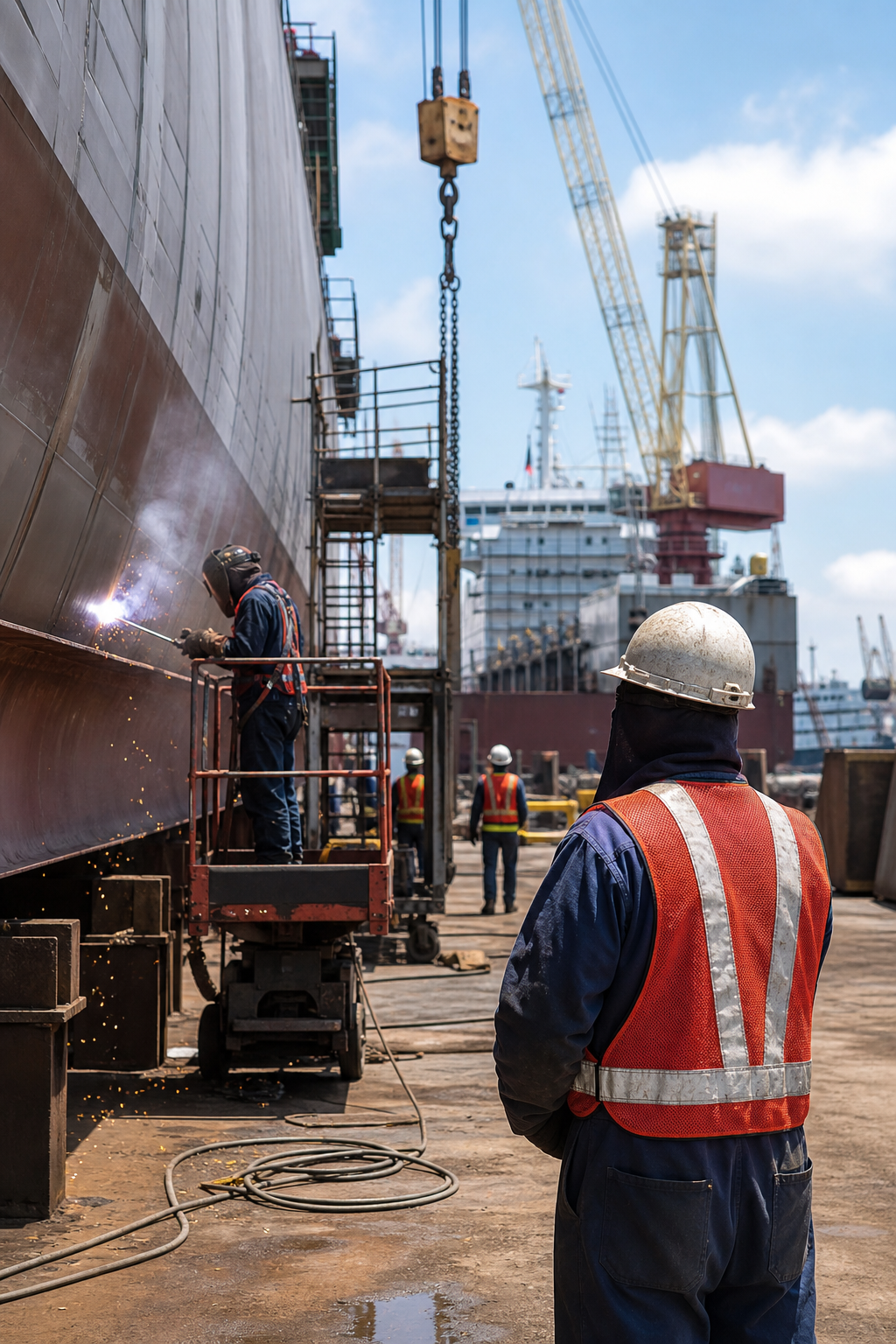
OSHA maritime standards set the safety floor for shipyards, terminals, and longshoring sites. Below you’ll find a clear breakdown of the rules, the biggest hazards, and how to keep your operation on the right side of the law.
What Are OSHA Maritime Standards?
OSHA maritime standards are a collection of federal regulations that apply to ship repair, shipbuilding, shipbreaking, and cargo handling on U.S. navigable waters. They are published under parts 1915, 1917, and 1918 of Title 29 CFR. The standards cover everything from machine guarding to confined‑space entry, and they are enforced by OSHA’s Office of Maritime. The agency also provides guidance documents and interpretation letters to help employers apply the rules.
Employers in the maritime sector must follow the same basic safety duties that apply to any workplace, provide a safe environment, train workers, and keep records, but the regulations add industry‑specific requirements. For example, part 1915 addresses ship‑repair activities, while part 1918 focuses on longshoring operations on docks and piers.
These rules are not optional. Failure to comply can trigger inspections, fines, and even shutdowns. The official list of standards and related guidance lives on OSHA’s maritime page, where you can download the full text of each part and see recent updates.
Source: OSHA Maritime Standards Overview
Key Parts of OSHA Maritime Regulations: 1915, 1917, and 1918
Part 1915 covers ship‑repairing work. It defines who counts as an "employer" in shipyards, sets requirements for personal protective equipment (PPE), and mandates safe practices for welding, cutting, and confined‑space entry. The regulation also details how to handle hazardous substances like asbestos and lead on vessels.
Part 1917 applies to marine terminals. It sets standards for cargo handling equipment, truck traffic patterns, and shoreline safety. The rule requires terminals to maintain clear aisles, proper lighting, and safe loading‑unloading procedures. It also references the Longshore and Harbor Workers’ Compensation Act for certain injury claims.
Part 1918 focuses on longshoring, loading, unloading, and moving cargo on the dock. It includes rules for vehicle operation, ladder safety, and fall protection. The regulation also outlines training requirements for workers who operate powered industrial trucks (PITs) and other equipment.
All three parts share common themes: a competent person must inspect the worksite, hazard assessments must be documented, and emergency response plans must be in place. The eCFR provides the up‑to‑date text of each part, while OSHA’s standard number listings give quick reference points for specific subparts such as respiratory protection (1915.94) or crane safety (1918.500).
Source: eCFR Part 1915
Source: OSHA Longshoring Standard Details
Common Hazards in Maritime Workplaces
Maritime jobs expose workers to a mix of physical, chemical, and environmental dangers. The most frequent fatal incidents involve powered industrial trucks (PITs) running into workers, falls from ladders or scaffolds, and crushing injuries from shifting cargo.
OSHA’s longshoring guidesheets, which summarize real case files, show that vehicle‑related strikes account for the largest share of deaths. Workers can be run over by trucks, front‑end loaders, or forklifts that lack warning signals or proper visibility. Falls into water are another leading cause, often when life vests are missing or rescue equipment is unavailable.
Material‑handling accidents also rank high. Improperly secured loads can topple, crushing anyone underneath. Confined‑space work brings risks of toxic gas exposure, especially when tanks are not properly ventilated before entry.
To protect crews, OSHA urges employers to conduct thorough hazard assessments, post clear signage, and enforce strict lock‑out/tag‑out procedures for machinery. Training programs should cover safe vehicle operation, fall‑arrest systems, and confined‑space entry protocols.
Compliance Requirements and Best Practices
Staying compliant starts with a written safety and health program that matches the specific part(s) that apply to your operation. The program must identify hazards, assign a competent person, and outline corrective actions.
OSHA provides Safety and Health Injury Prevention Sheets (SHIPS) that act as quick‑reference checklists for shipyards. Using these sheets helps supervisors verify that lock‑out/tag‑out, fire protection, and PPE selection are all in place before work begins.
When it comes to PPE, the hierarchy of controls still applies. First, try to eliminate the hazard; if that’s not possible, use engineering controls like ventilation. If risks remain, provide appropriate respirators, gloves, and protective clothing. The selection process should be based on a documented hazard assessment and, for confined spaces, on initial air‑testing results performed by a qualified marine chemist.
Regular training is essential. OSHA’s on‑site consultation program offers free, confidential help to small and midsize maritime firms. A consultant can walk through your hazard‑identification process, suggest improvements, and verify that your paperwork meets the record‑keeping rules.
Maritimeattorney.ai often references these resources when advising clients on compliance pathways. Their guidance includes step‑by‑step checklists that align with OSHA’s SHIPS sheets and the hierarchy of controls.
Source: OSHA Maritime Guidance
Source: OSHA PPE Selection for Confined Spaces
Penalties for Non‑Compliance with Maritime Standards
OSHA can levy hefty fines when employers ignore maritime standards. As of Jan. 15 2026, the maximum penalty for a serious violation is $13,653 per violation, adjusted for inflation each year. Willful violations can attract penalties up to $136,532 per violation.
Beyond monetary fines, OSHA may issue a “repeat violator” designation, which can trigger higher inspection frequencies and even shutdown orders until corrective actions are taken. State Plans that run their own occupational safety programs must enforce penalties that are at least as strict as the federal ones.
Employers also risk civil lawsuits if a worker is injured because the company failed to meet OSHA’s standards. In many cases, the cost of litigation and workers’ compensation far exceeds the fines themselves.
To avoid these outcomes, many firms opt for OSHA’s free on‑site consultation program. The service helps identify hazards before they turn into citations, and it can save companies millions in potential penalty costs.
How to Ensure Your Operations Are OSHA‑Compliant
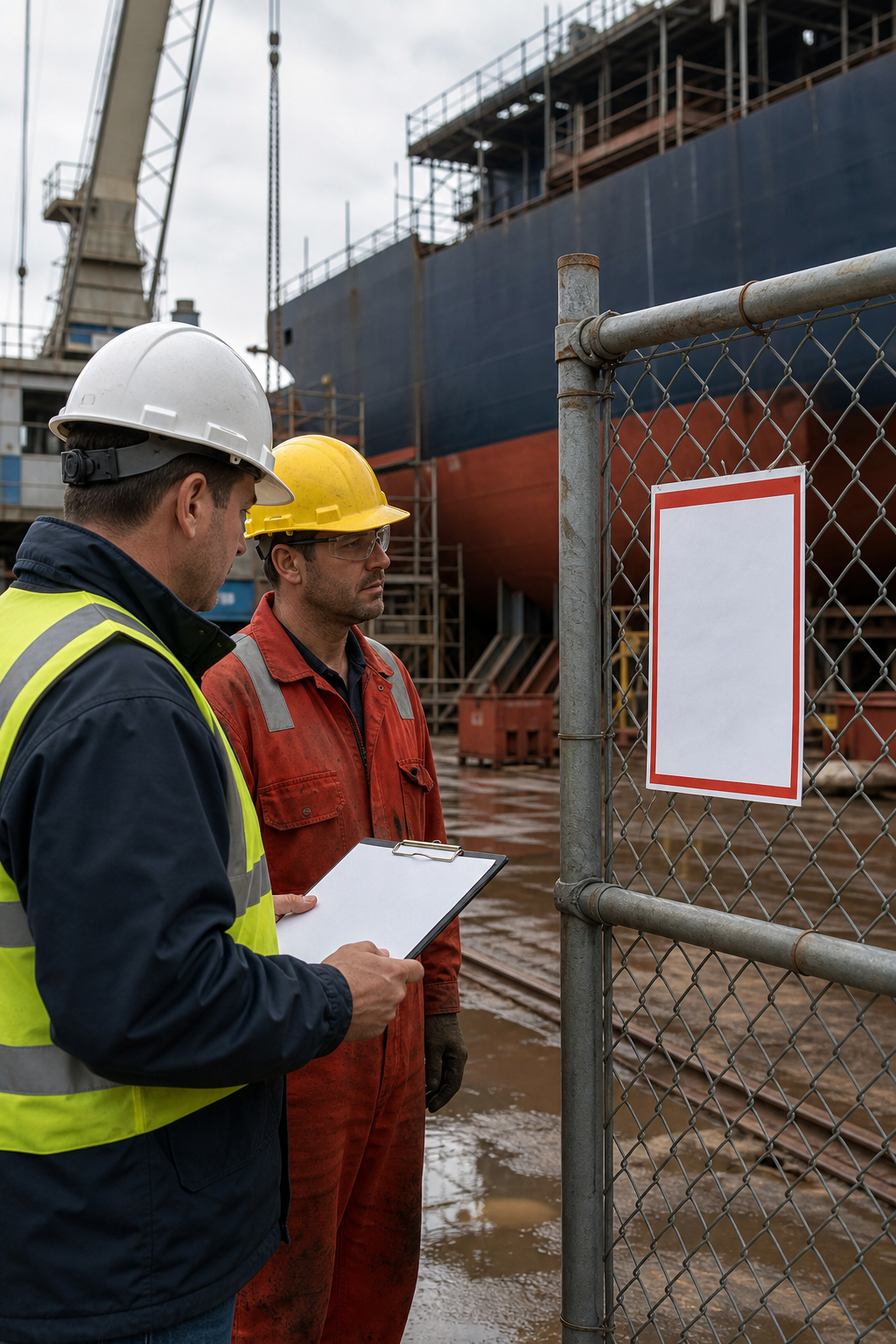
First, map the parts of the CFR that apply to your business, 1915 for ship repair, 1917 for terminals, 1918 for longshoring. Then, create a compliance checklist that covers hazard identification, training, PPE, and record keeping.
Next, appoint a competent person who has the authority to stop unsafe work. This person conducts daily site inspections, verifies that lock‑out/tag‑out is in effect, and confirms that all confined spaces have been tested for oxygen and toxic gases.
Then, schedule regular training sessions. OSHA’s maritime training portal lists approved courses for crane operation, PIT safety, and confined‑space entry. Keep attendance logs and update the curriculum whenever new equipment or processes are introduced.
After training, perform a mock audit. Walk through the yard with a checklist, note any gaps, and fix them before the next official inspection. Document every corrective action with dates and signatures.
Finally, consider a third‑party safety audit if you want an external perspective. Many maritime firms use specialized consultants who know the nuances of parts 1915‑1918 and can spot hidden risks.
For more on how legal counsel can help you handle these steps, see Longshore and Harbor Workers: Careers, Safety & Un. The guide explains how OSHA rules intersect with other maritime statutes, giving you a broader view of compliance.
Frequently Asked Questions
What workers are covered by OSHA maritime standards?
All employees who work in ship repair, shipbuilding, shipbreaking, marine terminals, or longshoring on U.S. navigable waters are covered. This includes contract labor, temporary workers, and apprentices who perform any of the regulated tasks.
Do state OSHA plans apply to maritime workplaces?
Yes. State Plans must adopt standards that are at least as effective as federal OSHA’s, and many states have their own maritime enforcement divisions that mirror parts 1915‑1918.
How often does OSHA inspect a shipyard?
Inspections can be scheduled or random. High‑hazard sites like shipyards typically see at least one inspection per year, plus follow‑up visits if violations are found.
What is the difference between a “serious” and a “willful” violation?
A serious violation shows an employer knew about a hazard but did not correct it. A willful violation means the employer intentionally ignored the law or acted with reckless disregard.
Can I get a penalty reduction if I self‑report a hazard?
Yes. OSHA may lower fines if the employer voluntarily reports a violation and takes prompt corrective action before an official inspection.
Where can I find the full text of parts 1915‑1918?
The official CFR listings are available on the eCFR website, and OSHA’s maritime page provides PDFs and guidance sheets for each part.
Conclusion
If you want a solid compliance foundation, start by mapping the relevant parts of the CFR, then build a written safety program that includes regular hazard assessments, training, and record‑keeping. For the next step, download OSHA’s SHIPS sheets and schedule a free on‑site consultation to catch gaps before they become citations.