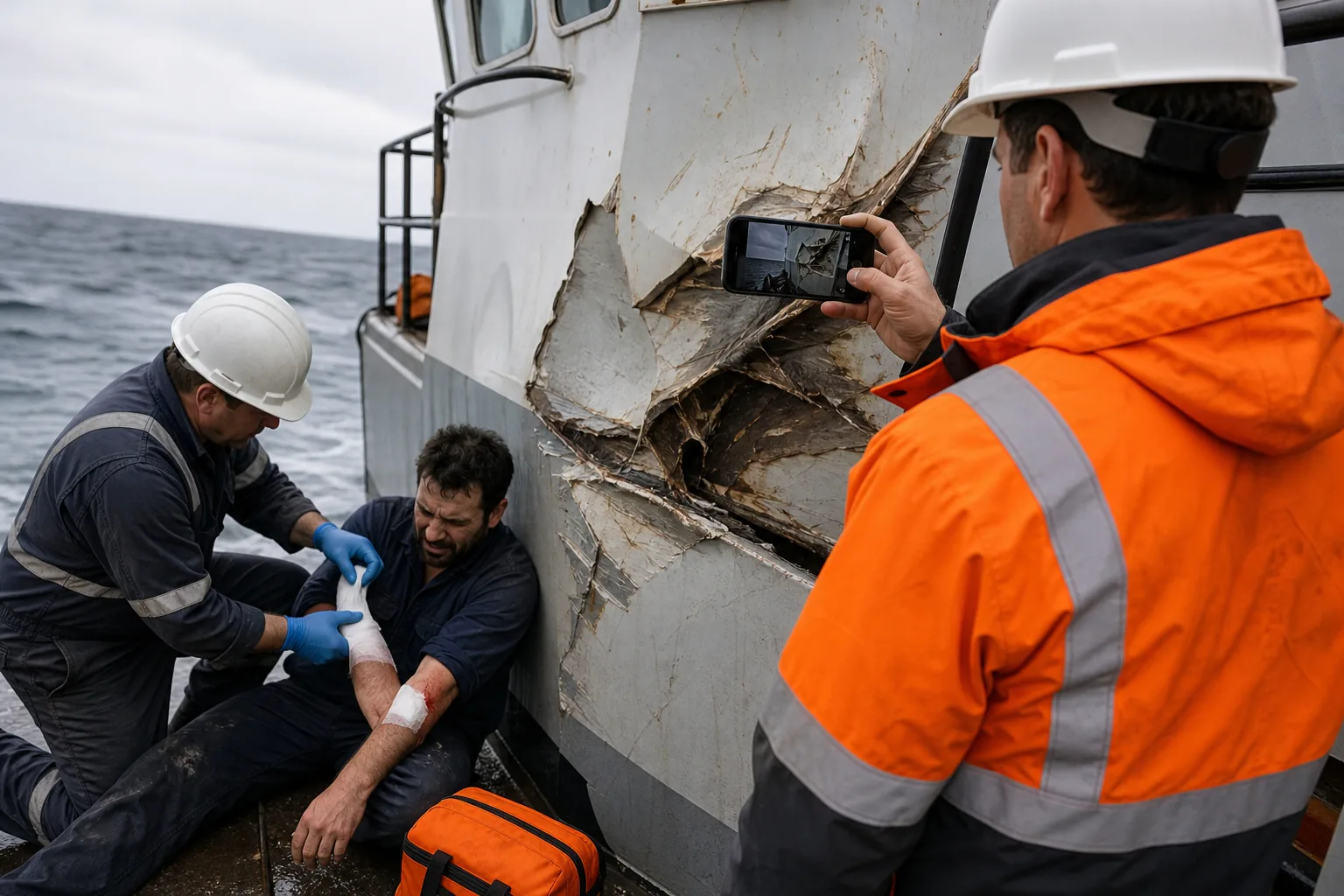
Offshore Injury Settlement Guide 2026

Injured at sea? You don’t have to watch your paycheck disappear while you heal. This guide shows you how offshore injury settlements work, what you can claim, and the exact steps to get paid.
We’ll walk through the law, the most common injuries, how value is calculated, and when to call a lawyer. By the end you’ll know how to protect your rights and chase the compensation you deserve.
What Is an Offshore Injury Settlement?
An offshore injury settlement is a monetary agreement that ends a claim for injuries that happened while working on a vessel or offshore platform. Instead of going to trial, the injured worker and the employer’s insurer agree on a lump‑sum payment that covers medical costs, lost wages, and pain.
The payment is based on federal maritime law, especially the Jones Act, which treats seamen like railroad workers in terms of injury rights. If the employer’s negligence or an unseaworthy vessel caused the harm, the seaman can also collect damages for pain, suffering, and future care.
Settlements often include “maintenance and cure,” a unique maritime benefit that pays for medical treatment and living expenses until the worker can return to work.
The Jones Act also lets you recover lost wages not just for the time you missed, but for any future earnings you can’t make because of a permanent disability.
Because ship owners know the rules, they’ll push for a quick, low‑ball offer. That’s why a seasoned maritime attorney can level the playing field and help you get the full offshore injury settlement you’re owed.
Bottom line:A settlement replaces a trial and can pay for all your current and future losses if you’re hurt at sea.
Common Types of Offshore Injuries
Offshore work is high‑risk. The most frequent injuries come from falls, burns, equipment strikes, chemical exposure, and heavy‑load accidents.
Falls are a leading cause. Slippery decks and moving vessels make a misstep easy. A fall from a rig platform can fracture bones, damage the spine, or cause head trauma.
Burns often happen when a flare or gas line explodes. Even a minor burn can scar skin and require months of physical therapy.
Equipment strikes include being hit by swinging crane loads or caught in rotating machinery. These injuries can crush limbs or cause severe lacerations.
Chemical exposure to substances like hydrogen sulfide (H₂S) can cause respiratory failure or long‑term lung disease. The gas smells like rotten eggs; a quick sniff can be deadly.
Heavy‑load injuries result from improper lifting techniques. Back strains and herniated discs are common, especially when workers handle pipe sections weighing several hundred pounds.
Each injury type carries its own set of medical costs and long‑term impacts. For example, a spinal fracture may need surgery, ongoing rehab, and home‑care equipment for years.
Understanding the injury category helps you and your lawyer calculate the total settlement value.
Bottom line:Know the injury you suffered; it’s the foundation for every claim you’ll make.
The Legal Framework: Jones Act and Maritime Law
The Jones Act, part of the Merchant Marine Act of 1920, lets seamen sue their employers for negligence. It’s the cornerstone of offshore injury claims.
Under the Act, a seaman must prove three things: (1) they were a seaman, (2) the injury occurred while they were working, and (3) the employer’s negligence caused the injury.
Negligence can be a broken rail, faulty safety gear, or a failure to train workers. Unseaworthiness, when a vessel is not fit for its purpose, also triggers liability.
Maritime law also provides “maintenance and cure,” which covers medical care and living expenses until the worker can return to duty, regardless of fault.
Because the Jones Act is federal, the case can be filed in a U.S. District Court. That means the rules are the same across states, but local court practices may differ.
Many workers think they must file a state workers’ comp claim first. In reality, the Jones Act runs parallel to state workers’ comp and often yields higher compensation.
Courts also consider “comparative fault.” If the worker was partially at fault, the settlement may be reduced proportionally.
Bottom line:The Jones Act is the legal engine that powers offshore injury settlements.
Key Factors Affecting Settlement Value
Not every claim is worth the same. Several variables shape the final offshore injury settlement amount.
First, the severity of the injury matters. A broken wrist may settle for a few thousand dollars, while a spinal cord injury can reach six figures or more.
Second, lost wages are calculated by looking at past earnings and projecting future earnings. If the injury ends a career, the future loss can dominate the settlement.
Third, medical costs include not just current bills but also future surgeries, therapy, and adaptive equipment. A prosthetic limb, for example, can cost tens of thousands.
Fourth, pain and suffering are non‑economic damages. Jurisdictions differ on how they weight these, but a strong narrative can boost the amount.
Fifth, the employer’s insurance policy limits can cap the payout. Large shipping firms often have high limits, while smaller operators may have lower caps.
| Factor | Impact on Value | Typical Range |
|---|---|---|
| Injury Severity | High severity raises payout | $10K‑$2M+ |
| Lost Wages | Future earnings loss adds to total | $5K‑$500K |
| Medical Costs | Current + projected care | $2K‑$1M |
| Pain & Suffering | Subjective, can double total | Varies widely |
| Policy Limits | Caps the maximum payout | — |
Other nuances include pre‑existing conditions. If a prior injury is aggravated, you can claim the extra loss.
Bottom line:The more detailed your loss calculations, the higher the settlement you can justify.
Steps to File an Offshore Injury Claim
Filing starts with documentation. The sooner you act, the better your chances of preserving evidence.
- Report the injury to your supervisor and request a written incident report.
- Seek medical attention immediately. Keep all records, bills, and doctor notes.
- Collect witness statements. Fellow crew members can corroborate negligence.
- Secure copies of vessel maintenance logs and safety manuals. They prove unseaworthiness.
- Contact a maritime attorney for a free case review. Most work on contingency, so you owe nothing unless you win.
After the initial paperwork, your lawyer will file a complaint in federal court, citing the Jones Act and any applicable state statutes.
The complaint triggers a discovery phase, where both sides exchange evidence. This is the time to request internal emails, training records, and inspection reports.
Once discovery ends, the parties may enter settlement talks. If talks fail, the case proceeds to trial.
Throughout the process, keep a timeline of events. A clear chronology helps the lawyer build a persuasive narrative.
Bottom line:Follow a step‑by‑step filing plan to protect evidence and meet deadlines.
How Settlement Negotiations Work
Negotiations usually start before a lawsuit is filed. Both sides share their evidence and each drafts a demand or offer.
The plaintiff’s demand lists all calculated damages: medical costs, lost wages, future care, and pain & suffering. The defense reviews the demand and may counter with a lower figure.
Negotiations are a give‑and‑take. Strong evidence, like a safety‑violation report, gives the plaintiff use to push the offer higher.
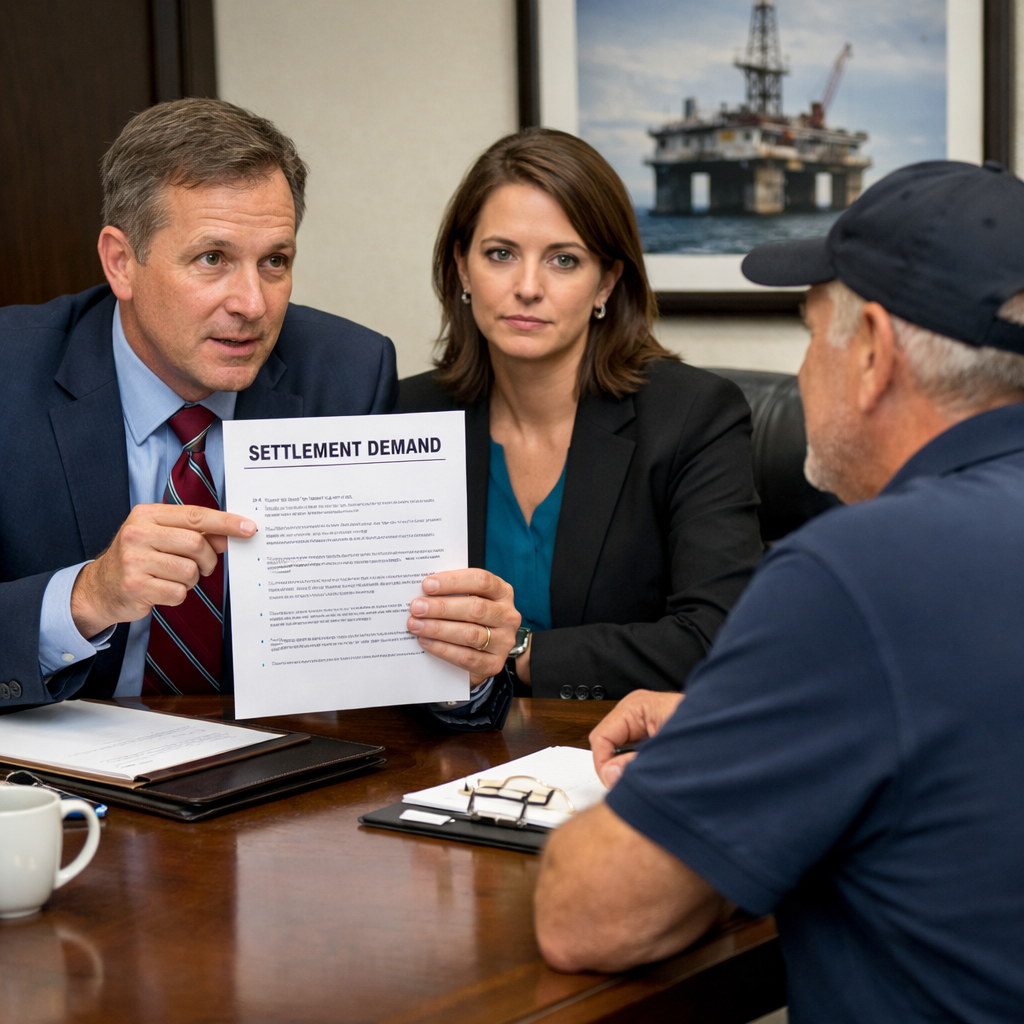
If talks stall, a mediator may step in. A neutral third party helps both sides find common ground without imposing a decision.
Many settlements include confidentiality clauses. In exchange for a higher payout, the plaintiff agrees not to discuss the case publicly.
Once a settlement is reached, both parties sign a release. The insurer then issues the lump‑sum payment, and the case is closed.
Bottom line:Effective negotiation can secure a fair offshore injury settlement faster and with less stress.
When to Hire an Attorney
If you’re unsure whether you qualify, talk to a lawyer right away. The earlier you involve counsel, the better you can preserve evidence.
Hire an attorney if any of these apply:
- You suffered a serious injury that requires surgery or long‑term care.
- The employer disputes liability or blames you.
- You’re dealing with an unseaworthy vessel or faulty equipment.
- The insurance company offers a low settlement early on.
Maritime attorneys specialize in the Jones Act and understand the nuances of offshore jurisdictions. They can calculate future lost earnings, secure expert testimony, and negotiate with large insurers.
Many firms, like Offshore Injury Attorney: Essential Resource Guide, work on a contingency basis, no fees unless you win.
Choosing the right lawyer matters. Look for a track record of maritime verdicts, transparent fees, and a team that can travel to your location if needed.
Bottom line:The moment you realize the injury could be work‑related, get legal help.
Frequently Asked Questions
What is the deadline to file an offshore injury settlement claim?
The statute of limitations for a Jones Act claim is generally three years from the date of injury. Missing this deadline can bar you from recovery, so act quickly and get a lawyer on board as soon as possible.
Can I receive compensation if I was partially at fault?
Yes. Maritime law follows comparative fault. If you’re found 30% at fault, the settlement may be reduced by that percentage, but you can still collect the remaining 70%.
Do I need to prove my employer was negligent?
Proving negligence is key. Evidence such as safety violations, equipment failures, or missing training records can demonstrate that the employer failed to meet the higher duty of care required at sea.
What does "maintenance and cure" cover?
Maintenance and cure pays for medical treatment, hospital stays, rehabilitation, and a reasonable cost of living until you can return to work. It’s separate from wage loss and damages.
Will my settlement be taxable?
Compensation for physical injuries is generally not taxable. However, any portion that represents lost wages or punitive damages may be subject to tax. A tax professional can clarify your specific situation.
Can I negotiate a settlement without a lawyer?
You can, but insurers have teams of lawyers and adjusters who know how to low‑ball offers. Without legal expertise, you risk leaving money on the table and may miss critical deadlines.
How long does the settlement process take?
Time varies. Simple cases may settle in a few months, while complex cases involving severe injuries and extensive discovery can take a year or more.
What if the employer is a foreign company?
International owners can still be held liable under U.S. maritime law if the vessel operates in U.S. waters. An experienced attorney can handle cross‑border jurisdiction issues.
Bottom line:These FAQs cover the most common concerns about offshore injury settlements.
Conclusion
Offshore injury settlements give injured seamen a way to recover medical costs, lost wages, and the pain of a life‑changing accident. By understanding the Jones Act, knowing the typical injury types, and tracking the factors that affect value, you can approach negotiations with confidence.
Start by documenting every detail, seek a qualified maritime attorney early, and never accept a quick low‑ball offer. The right legal partner can turn a complex claim into a fair payout that lets you focus on healing.
Ready to protect your rights and get the compensation you deserve? Start your free consultation now and let a seasoned attorney guide you through every step.
Bottom line:With the right knowledge and legal help, an offshore injury settlement can secure the financial future you need after a sea‑based injury.