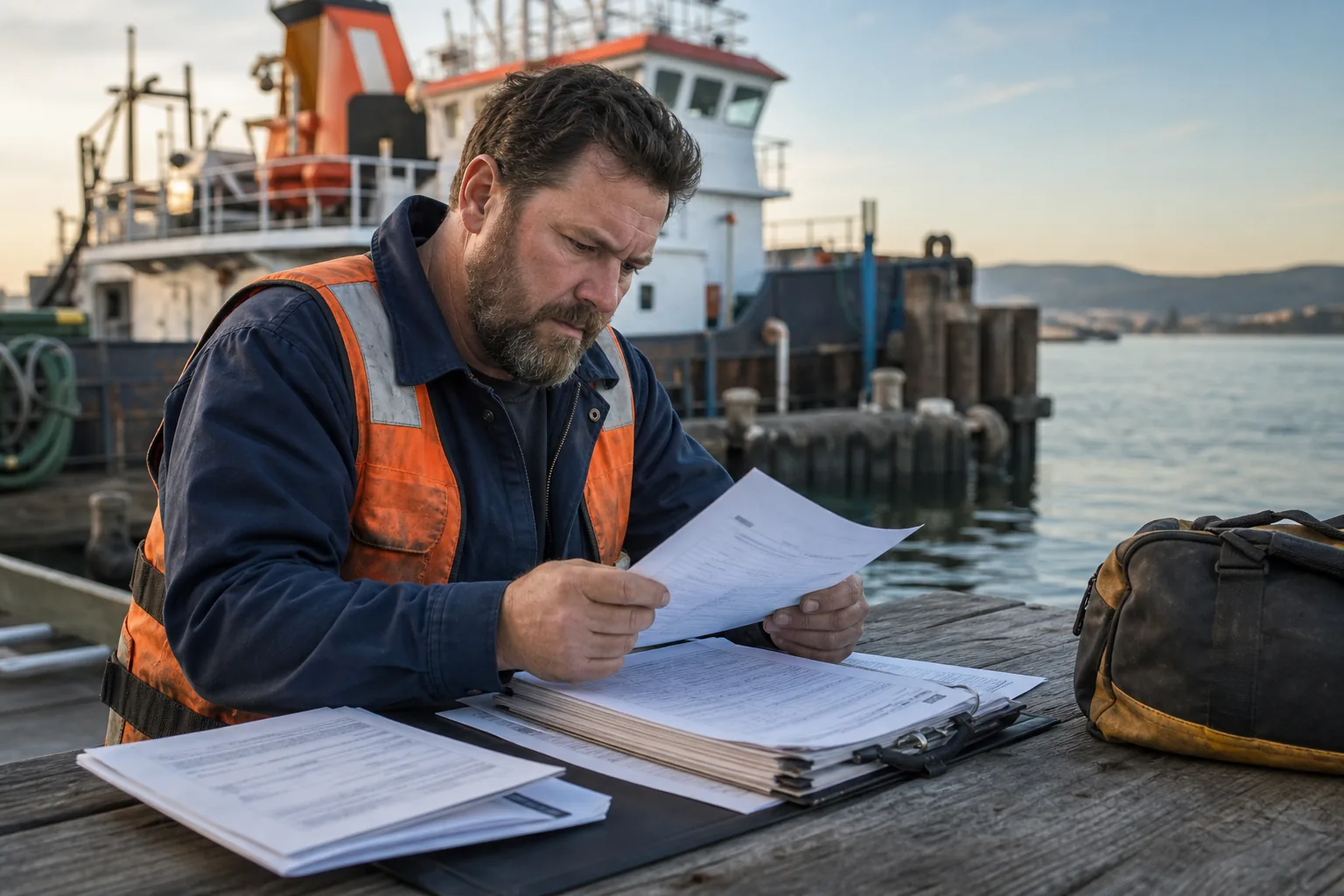
Maritime Law History: A Step-by-Step Guide
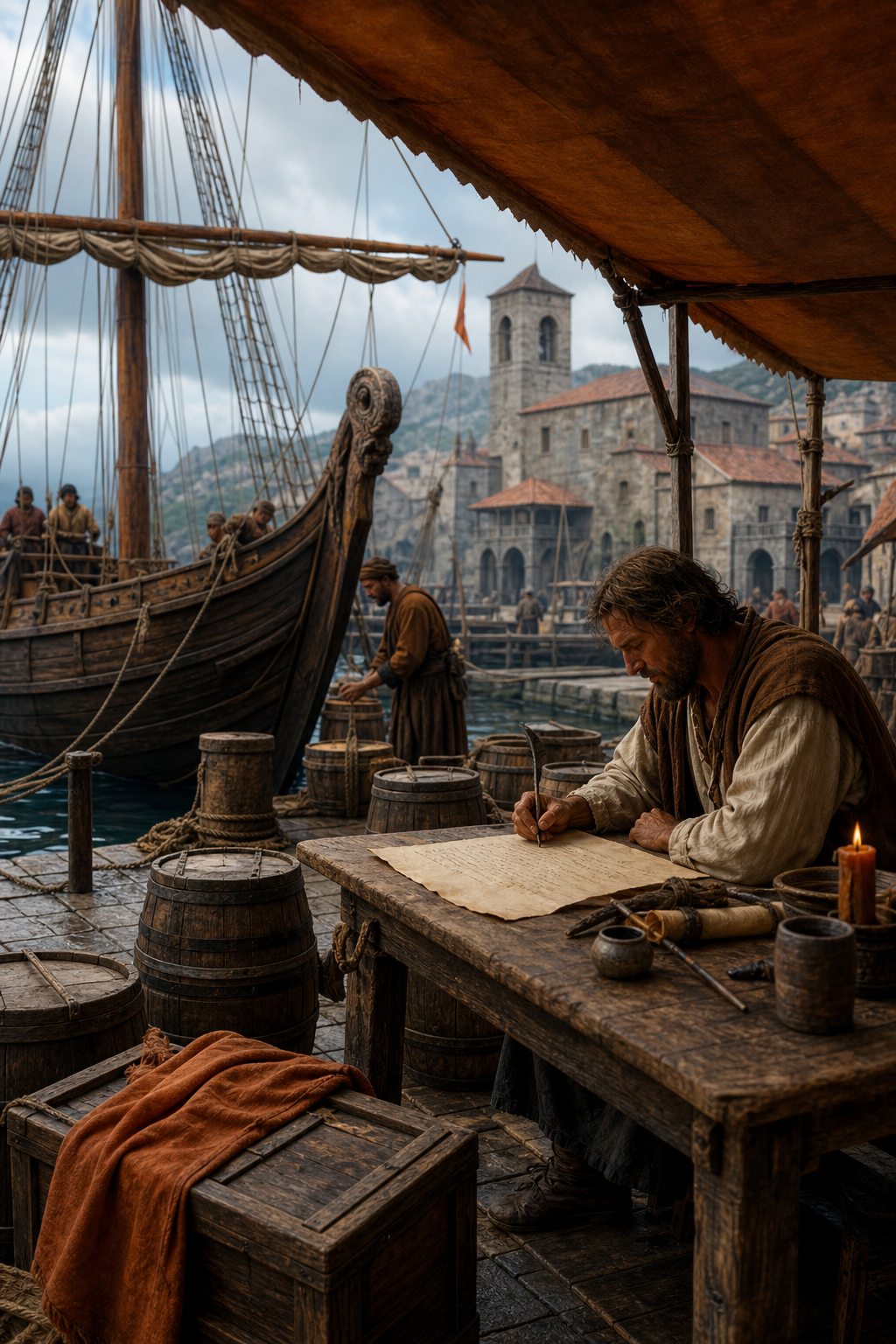
Maritime law didn't spring up overnight. It grew from ancient trade rules into a body of law that governs the world's oceans. This guide walks you through the key steps in that history, from the Rhodian sea law to modern treaties like UNCLOS. You'll see how each era built on the last, and why the past still matters in today's courtrooms.
Step 1: Trace the Origins in Ancient Codes
The first known maritime law came from the island of Rhodes, around 800, 600 BC. The Lex Rhodia de iactu(Rhodian law on jettison) created a shared-risk system: if cargo was thrown overboard to save a ship, all parties shared the loss. This principle, calledgeneral average, is still used today.
Romans absorbed Rhodian customs into their own law, especially in the Digest of Justinian. They added contracts likelocatio conductio operis faciendi(carriage of goods by sea). From Rome, these rules passed into Byzantine law and later into medieval Europe.
For a deeper look at the Rhodian origins, in IUS ROMANUM on the ancient sources of maritime law.
By now you should see that maritime law's bedrock, risk sharing and liability, was set over 2,500 years ago.
Step 2: Examine the Medieval Maritime Codes
In the Middle Ages, port cities needed consistent rules for sea trade. The Laws of Oléron, compiled in the 12th, 13th centuries, became the standard for northern Europe. They covered shipwreck, salvage, and the duties of masters and crews. Originally 24 articles, they later expanded to 47.
These laws spread from France to England, Flanders, and Scotland. They were cited in local courts and later influenced the English Admiralty courts.
For the full text and manuscript history, see Fordham University's Medieval Sourcebook on the Laws of Oléron. This code shows how custom became written law, a step that made maritime trade more predictable.
Step 3: Analyze the Rise of Admiralty Courts
Admiralty courts grew out of the English admirals' authority to settle disputes at sea. By the 14th century, they had separate judges and procedures, using Roman law rather than common law. They handled prize cases, salvage, and seamen's wage claims.
In the United States, Article III of the Constitution gave federal courts admiralty jurisdiction. The Judiciary Act of 1789 made district courts the primary forum for maritime cases. Over time, the Supreme Court expanded this to cover all navigable waters, not just tidal ones.
Learn more from the Federal Judicial Center's history of admiralty jurisdiction. By the 19th century, admiralty courts were the main venue for resolving maritime disputes, a role they still hold.
Step 4: Explore the Modern Codification (Hague Rules, UNCLOS)
The 20th century brought international treaties to unify maritime law. The Hague Rules of 1924 set uniform standards for bills of lading, the key document in cargo shipping. They defined carrier duties and liabilities, including the rule that carriers must exercise due diligence to make the ship seaworthy.
Later, the United Nations Convention on the Law of the Sea (UNCLOS), adopted in 1982 and in force by 1994, created a complete legal framework for the oceans. It covers territorial waters, exclusive economic zones, deep seabed mining, and marine environment protection.
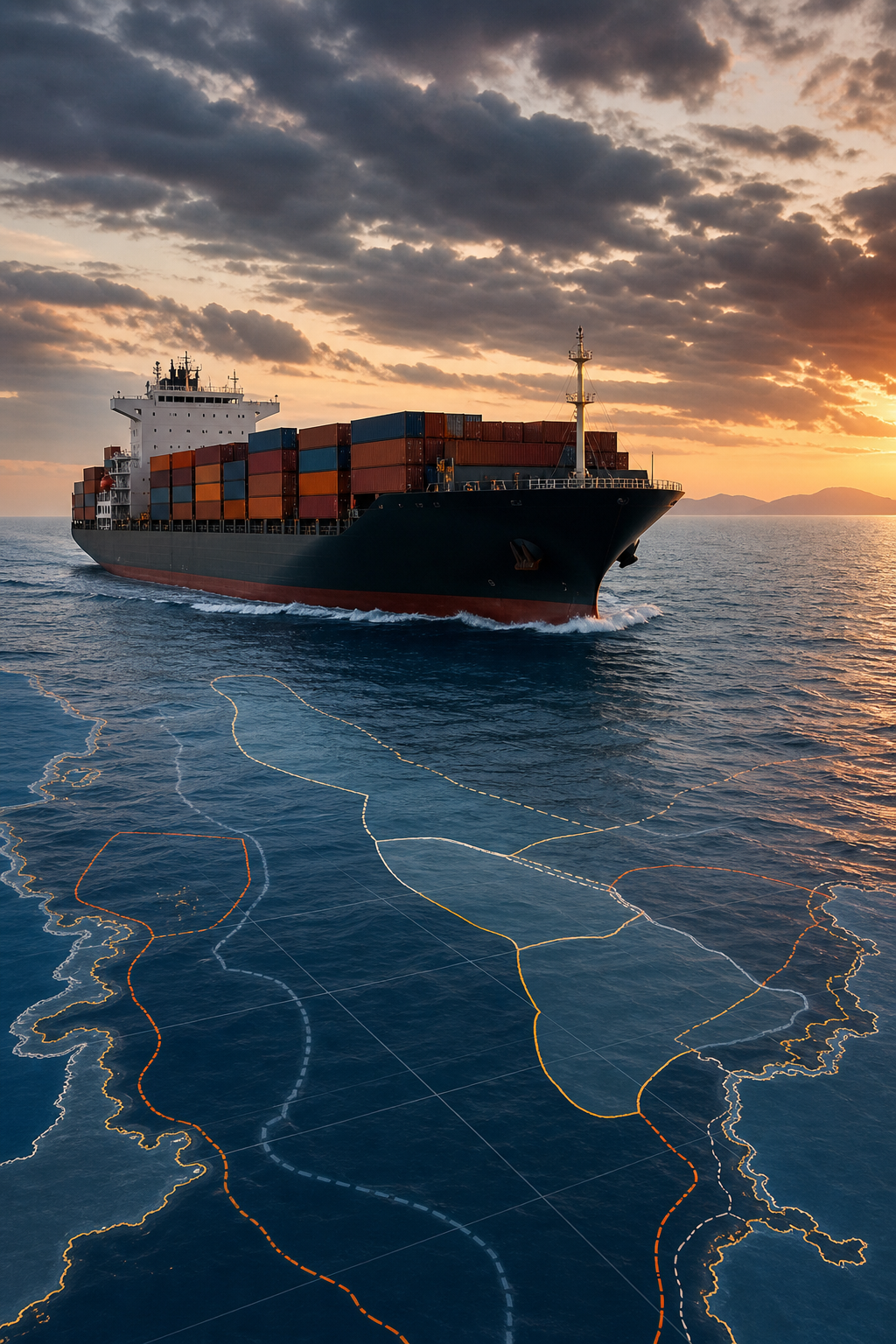
For the full text of the Hague Rules, 's version. For UNCLOS details, see the International Maritime Organization's UNCLOS page. These treaties are the backbone of today's maritime law.
Step 5: Understand the Role of Maritime Attorneys Today
Modern maritime lawyers do everything from personal injury claims under the Jones Act to salvage disputes and environmental litigation. They need to know both the history and the current statutes. That's why a resource like maritimeattorney.ai is so helpful, it explains these laws in plain language, from ancient roots to the latest court rulings.
For example, the principle of general average you read about in Step 1 still appears in modern marine insurance cases. A maritime attorney might handle a claim where the shipowner jettisoned cargo in a storm and the shipper's insurer disputes the contribution. Knowing the history helps the lawyer argue the intent of the rule.
of maritime law, federal courts handle most maritime cases today, including those involving international conventions. Many firms now use AI workflow automation tools to manage the volume of historical case files and regulatory documents, making the practice more efficient.
Frequently Asked Questions
What is the oldest known maritime law?
The oldest known maritime law is the Lex Rhodia de iactu from ancient Rhodes (c. 800, 600 BC). It established the principle of general average, shared loss when cargo is jettisoned to save a ship.
How did the Laws of Oléron influence maritime law?
The Laws of Oléron, compiled in the 12th, 13th centuries, became the standard maritime code for northern Europe. They were used in English, French, and Flemish courts and formed the basis for later admiralty law.
When did admiralty courts first appear?
Admiralty courts emerged in England in the mid-14th century, developing from the admirals' authority to settle disputes at sea. They used civil law procedures separate from common law courts.
What are the Hague Rules?
The Hague Rules of 1924 are an international convention that standardizes rules for bills of lading. They set carrier duties, liability for cargo damage, and a one-year time limit to sue.
Why is UNCLOS important?
UNCLOS (United Nations Convention on the Law of the Sea) is the main international treaty governing ocean use. It defines territorial seas, exclusive economic zones, seabed mining rights, and pollution controls, creating a legal framework for the world's oceans.
How does maritime law history affect modern cases?
Courts often look to historical principles, like general average or the Rhodian law, to interpret modern statutes. Understanding that history helps lawyers predict outcomes and craft better arguments. For more on how these rules apply today, visit Maritime Law Basics at maritimeattorney.ai.
Conclusion
Maritime law has evolved from a few Rhodian customs into a global system of treaties and court rulings. Each step, ancient codes, medieval sea laws, admiralty courts, modern conventions, built on the last. If you're dealing with a maritime issue, start with the history. It gives you the context to understand where the law is headed. And for a clear breakdown of how these rules affect you today, s at maritimeattorney.ai.