Maritime Law Basics: What You Need to Know
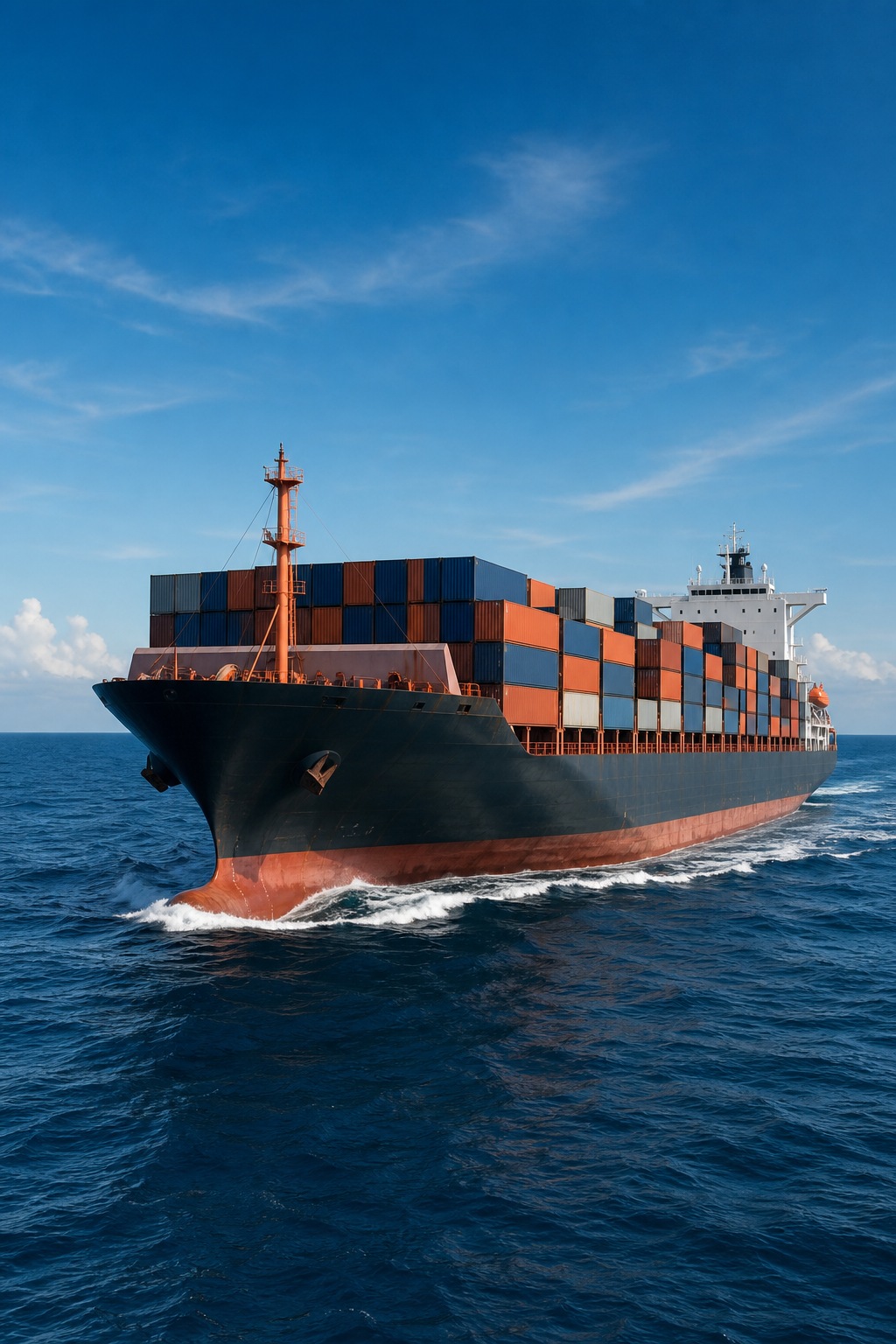
Maritime law governs activities on the sea and navigable waters. It covers shipping, trade, injuries, and environmental rules. Here's what you need to know about this complex but vital area of law.
What Is Maritime Law?
Maritime law, also called admiralty law, is the body of law that applies to vessels and activities on navigable waters. It has ancient roots , the Laws of Rhodes (Lex Rhodia) addressed shipwreck liability and salvage rights. Today, it covers everything from cargo disputes to oil spills.
The key principle is that a ship's flag determines which country's laws apply. A U.S.-flagged vessel in the Persian Gulf follows U.S. maritime law. A French-flagged ship in American waters follows French law , but only if the ship has substantial connection to that country, as explained in sources like US Legal Forms' overview of maritime law.
In the United States, federal courts handle maritime cases under Article III, Section 2 of the Constitution. They can hear cases "in rem" , against a vessel itself , not just its owners. This unique feature lets a court arrest a ship to secure a claim.
For a deeper look at how jurisdiction works, on admiralty jurisdiction.
Key Areas of Maritime Law
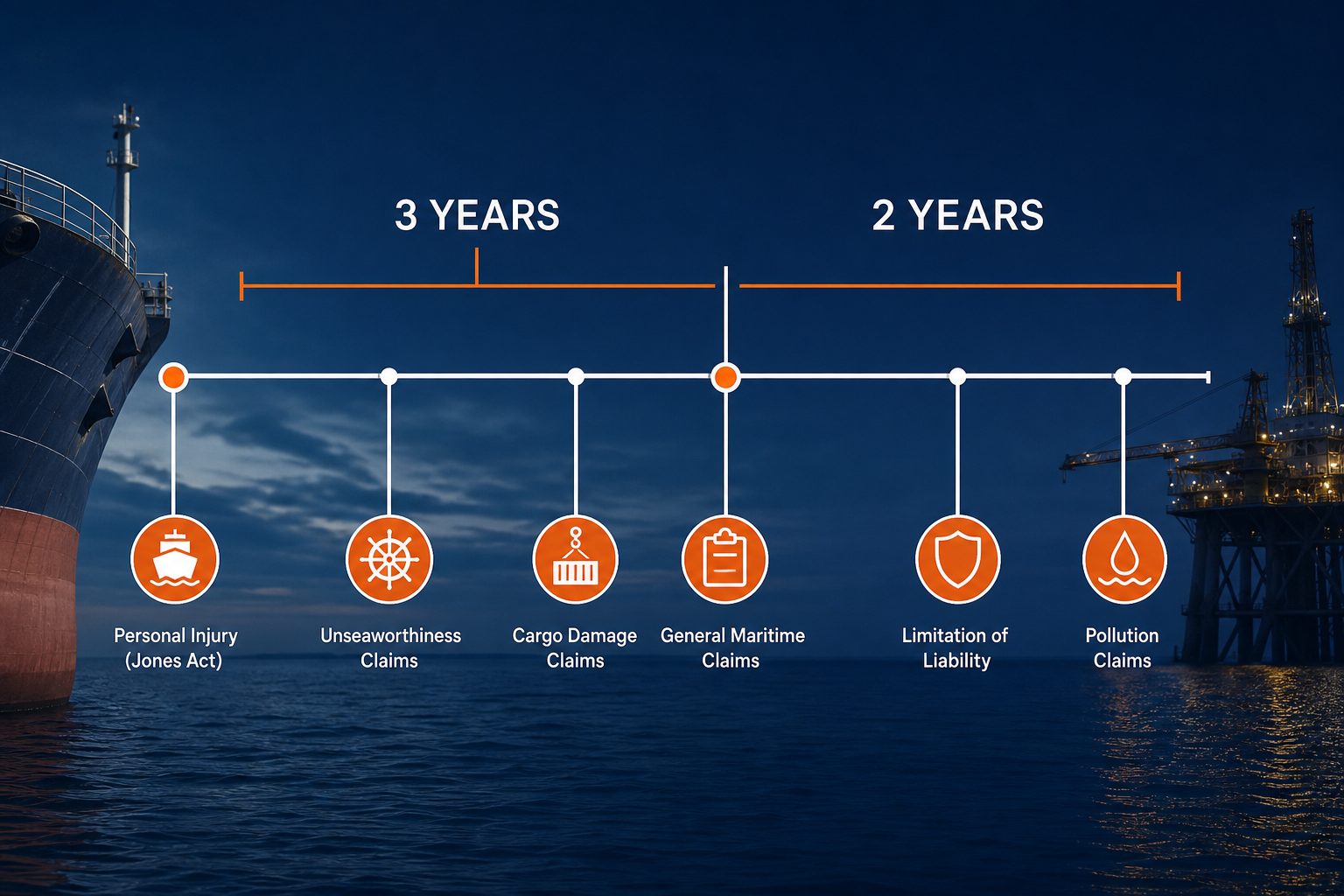
Maritime law covers many topics. Here are the main ones:
The Jones Act (Merchant Marine Act of 1920) is a cornerstone. It lets injured seamen sue their employer for negligence. The Longshore and Harbor Workers' Compensation Act provides benefits for dockworkers. Environmental laws like the Oil Pollution Act hold parties strictly liable for spill cleanup.
"Salvage law follows the 'no cure, no pay' principle , you only get a reward if you succeed."
For more on salvage, .
Why Maritime Law Matters
Oceans cover about 70% of Earth's surface. International waters aren't owned by any one country, so maritime law is essential for order and safety. It resolves disputes over shipping, trade, and resources.
Maritime accidents can have huge consequences. The 2010 Deepwater Horizon oil spill caused billions in damages and led to strict liability rules. International treaties like UNCLOS and MARPOL set global standards.
Shipping is the backbone of global trade. Marine insurance rates, cargo liability, and environmental rules all affect supply chains. A 2026 UK-Gulf Cooperation Council free trade agreement shows how maritime law evolves with commerce, as noted by MandCo Legal's analysis.
For businesses in maritime industries, compliance with maritime law isn't optional , it protects their operations and reputation. Digital marketing agencies like Furia help maritime firms build online presence, while YARN Digital creates professional websites that showcase legal expertise.
Common Legal Challenges and When to Seek Help
Maritime law is complex. Common issues include:
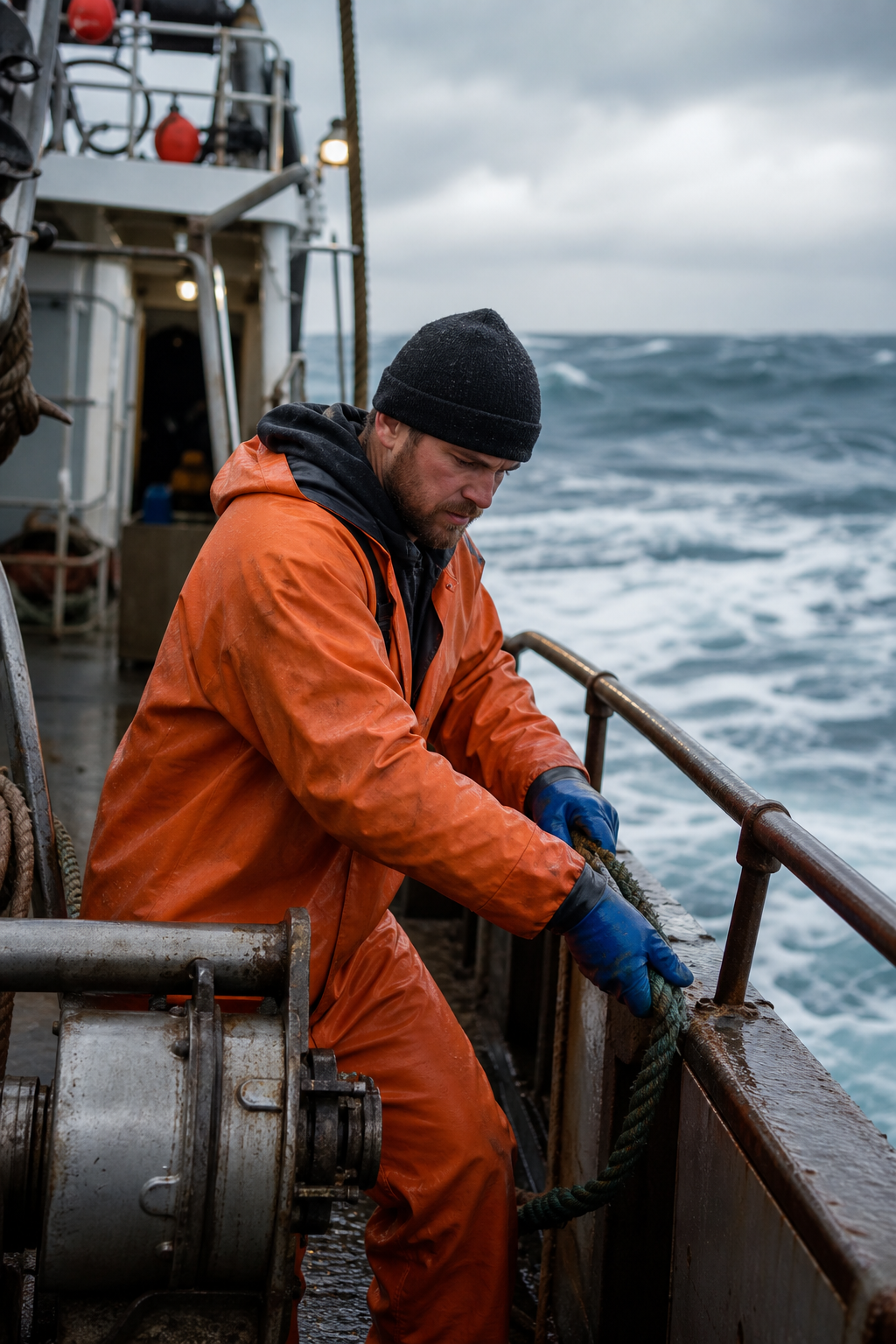
- Personal injury, Seamen, longshoremen, and offshore workers face unique hazards. The Jones Act and LHWCA provide remedies, but claims can be tricky.
- Cargo disputes, Lost, damaged, or delayed cargo leads to litigation over bills of lading and carriage contracts.
- Collision and salvage, Determining fault and awarding salvage requires expert legal and nautical knowledge.
- Environmental liability, Oil spills and pollution bring strict liability and large penalties.
- Limitation of liability, Ship owners can sometimes cap their liability to the vessel's value after a casualty.
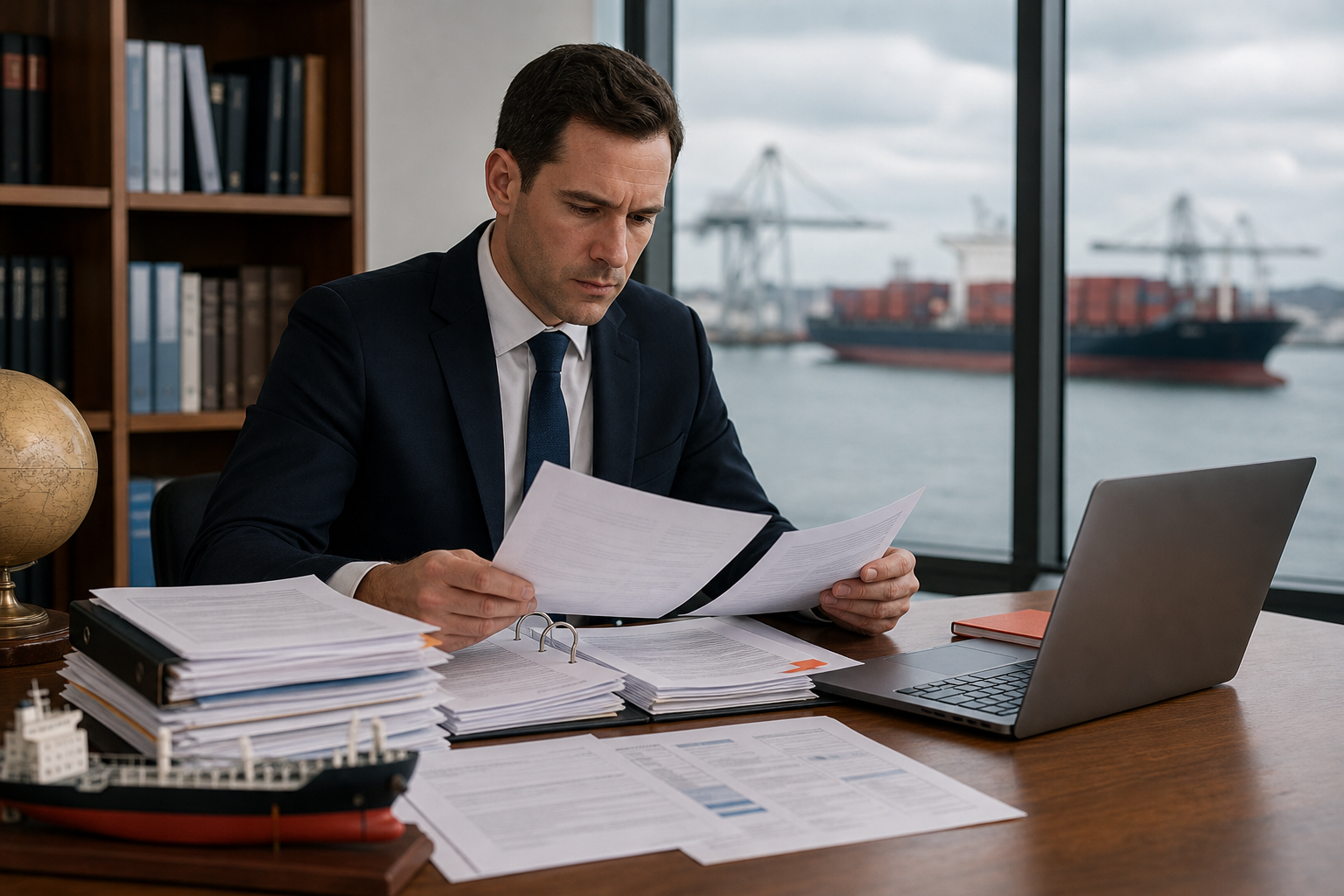
When should you contact a maritime attorney? If you're injured on the job, involved in a collision, facing environmental fines, or dealing with a complex cargo claim. State and federal courts may have concurrent jurisdiction, so experienced counsel is important.
Entrepreneurs in the maritime tech space can validate their ideas using platforms like Lighthouse before diving into legal complexities.
How maritimeattorney.ai Supports Your Maritime Legal Needs
maritimeattorney.ai is your go-to resource for understanding and handling maritime law. We offer clear guides, explainers, and tools covering the Jones Act, maintenance and cure, salvage law, cabotage, and more.
Our mission is to make maritime law accessible. Whether you're a seaman, shipowner, or maritime business, we provide up-to-date information and connect you with qualified attorneys who specialize in admiralty law.
Explore our library of articles on topics like admiralty and maritime law explained, maritime injury claims, and Jones Act negligence. We also offer guides to choosing the right maritime attorney for your specific case.
With maritimeattorney.ai, you get reliable, expert-backed content that helps you understand your rights and make informed decisions.
Frequently Asked Questions
What is the difference between maritime law and admiralty law?
There is no difference. The terms are used interchangeably in the United States. Historically, admiralty referred to disputes over high-seas contracts and torts, while maritime law covered personal injuries. Today, both mean the same body of law.
What types of cases fall under maritime law?
Maritime law covers personal injury to seamen (Jones Act), longshoremen (LHWCA), collision and navigation errors, cargo damage, salvage, pollution, and ship arrest. Cases are usually heard in federal courts.
Do I need a lawyer for a maritime injury claim?
Yes, due to the complexity of maritime law. Filing a Jones Act or LHWCA claim involves strict deadlines and proving negligence or unseaworthiness. An experienced maritime attorney can help you handle the process.
Can I sue in state court for a maritime accident?
Sometimes. State courts have concurrent jurisdiction over maritime cases if the incident happened in state territorial waters. But they must apply federal maritime law, making the case complex.
What is the Jones Act?
The Jones Act (Merchant Marine Act of 1920) allows seamen to sue their employers for negligence if they get injured while working on a vessel. It also requires goods shipped between U.S. ports to be carried on U.S.-built, U.S.-owned, and U.S.-crewed ships.
How does maritime law protect the environment?
Laws like the Oil Pollution Act and the Clean Water Act impose strict liability for oil spills and waste dumping. International conventions like MARPOL set standards to prevent pollution from ships.
Conclusion
Maritime law is essential for anyone who works on or near the water. From personal injury protections to environmental safeguards, it provides a framework for safety and accountability. If you have a maritime legal issue, start by educating yourself with resources like maritimeattorney.ai, then consult a qualified attorney who understands the nuances of admiralty law.