
Maritime Injury Claim Timeline for Crew Members
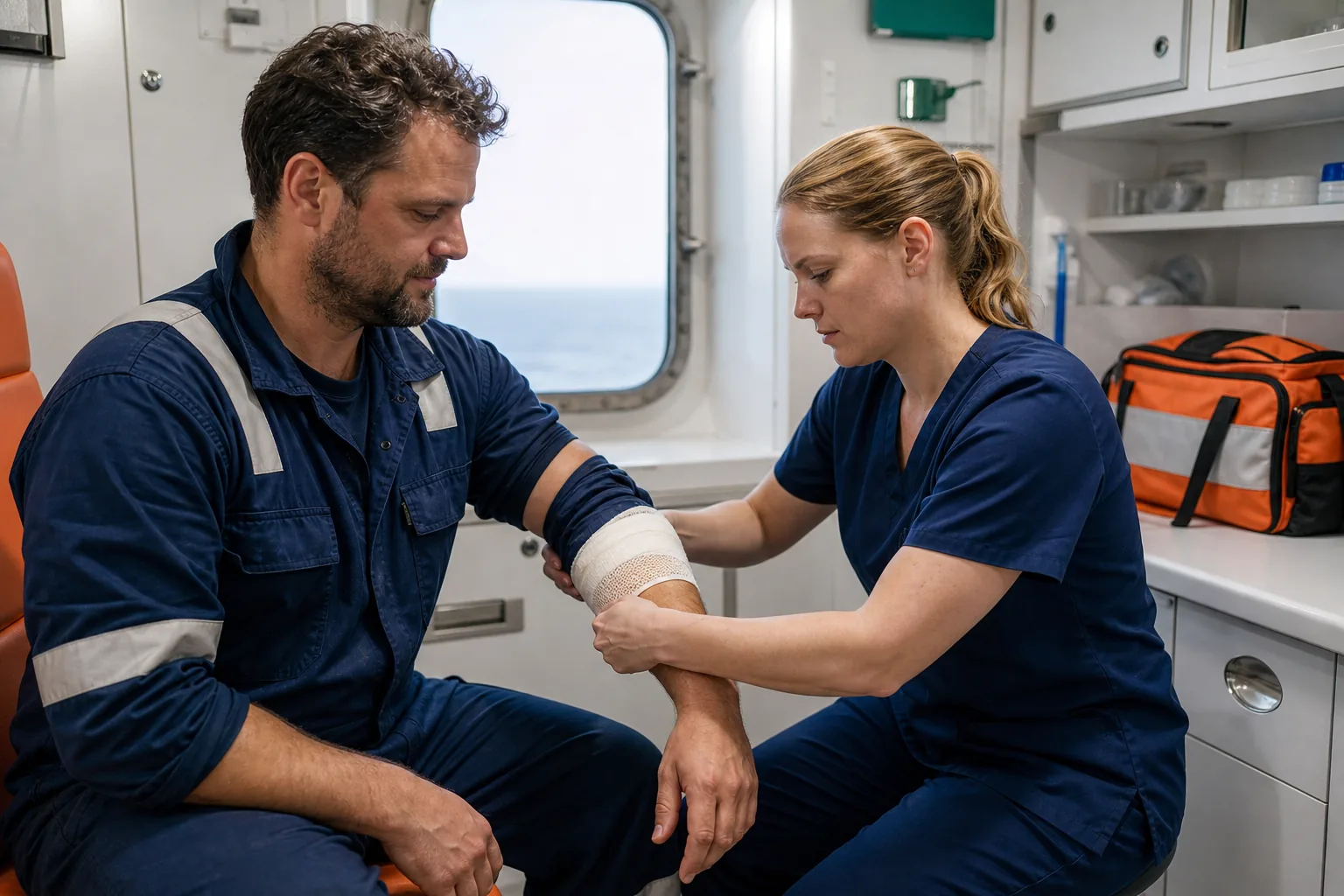
A missed deadline can put a crew member’s claim at risk, even after years at sea. The maritime injury claim timeline for crew members starts with medical care, but the right deadlines depend on which law covers the worker. Here’s how to protect your records and keep each stage moving.
We analyzed 58 comments and questions from YouTube, Reddit and Quora about maritime injury claim timeline and found that 38% mentioned understanding your rights.
Step 1: Get Medical Care and Report the Injury Promptly
Get medical help as soon as you can. If you’re hurt aboard a vessel, tell the captain or supervisor and ask for care right away. A prompt exam creates a record of the injury close to when it happened. It can also help your care team spot an injury that may not feel serious at first.
Report the event in writing as soon as possible. State when and where it happened, what you were doing, and what hurt. Keep the wording factual. If the injury followed a fall, broken gear, or another hazard, describe what you saw without guessing about the cause. You can learn about common maritime accident types and the issues they may raise.
Ask for a copy of the incident report and any onboard medical notes. If you can’t get copies right away, write down who you spoke with and when. Save messages about the injury, too. Don’t sign a statement that you don’t understand or that leaves out key facts. Ask for time to read it and keep a copy of anything you sign.
There isn’t one universal 24-hour reporting rule for every crew member. A contract or employer policy may set a short notice period, so check the terms that apply to your job. Don’t let that question delay treatment or a prompt written report.
When it’s safe, note the names of people who saw the event. You can also take photos of the area or equipment, but don’t risk another injury to get them.
Step 2: Preserve Evidence and Check Which Deadlines Apply
Start a simple file as soon as you can. Save the incident report, medical notes, discharge papers, and work schedule. Keep a dated log of symptoms, treatment, and time missed from work. For expenses, save each bill and receipt. A record of medical expenses can help show what care you received and what you paid.
Write down witness names and what each person saw, while the details are still fresh. Don’t ask anyone to change a statement or guess at facts. If equipment or a damaged area may matter, note where it was and who took control of it. The employer may keep records such as maintenance logs, crew schedules, and incident reports, so ask that relevant records be preserved.
Next, identify the law that may cover the job. A crew member who qualifies as a seaman may have a Jones Act claim, along with possible claims for unseaworthiness or maintenance and cure. A worker who isn’t a seaman may fall under the Longshore and Harbor Workers’ Compensation Act, or LHWCA, if the work and location meet its rules. The Outer Continental Shelf Lands Act can extend LHWCA benefits to some offshore workers. The Death on the High Seas Act may apply to certain deaths far from shore.
For an LHWCA injury, check the notice requirements promptly. Deadlines can differ by claim, so don’t assume the same rule governs every maritime case.
The LHWCA has separate rules for filing a compensation claim, and occupational disease claims may follow different requirements. Check the applicable filing rule rather than relying on a form or internal report.
Use this as a working sequence, not a promise of how long a case will take:
- Right away: Get care and report the injury in writing.
- In the first days: Secure copies, note witnesses, and track symptoms and expenses.
- Promptly: If the LHWCA applies, confirm the written-notice requirement and make sure notice reaches the employer.
- Before a filing limit expires: Confirm the formal claim deadline for the law that covers you.
There is no universal seven-day medical exam milestone for all crew claims. Keep follow-up appointments as advised by your care team, and ask for copies of each visit record.
Step 3: Get Legal Guidance and Decide How to Start the Claim
Get help identifying the claim route before you sign a release or agree to a final payment. A seaman’s negligence case follows a different path from an LHWCA benefits claim. Evidence can fade, and other notice rules may still matter.
A maritime lawyer can review your work duties, vessel connection, injury records, and the place where the injury happened. Those details help assess whether you may qualify as a seaman or fall under another law. Seaman status is fact-specific. A job title alone doesn’t decide it; the worker’s connection to a vessel and role in its work matter.
Ask a lawyer how they would identify the claim, which deadlines they’d track, and what records they need first. Ask for a clear explanation of fees and costs before you agree to representation. maritimeattorney.ai has guidance on preparing questions for a maritime injury claim attorney interview and comparing fee terms. Use those questions to see whether the lawyer can explain a plan in plain language.
Your route can change with the facts. A seaman may seek damages for employer negligence under the Jones Act and may have separate maintenance-and-cure rights. A covered longshore worker usually pursues benefits through the LHWCA system. A fatal injury far offshore may raise a DOHSA claim. The Outer Continental Shelf Lands Act can affect which compensation system applies to work on a fixed offshore site.
Location matters, too. A claim tied to Louisiana waters or an offshore platform may involve different court or agency steps than a claim elsewhere. Don’t rely on a general timeline to choose a court or forum. A worker’s nationality and the vessel’s flag can also affect which laws may apply, especially when the work or vessel has ties to another country. Get case-specific advice before assuming U.S. rules control.

Step 4: Follow the Investigation and Negotiation
After the claim starts, the employer or insurer may review the report, medical records, and work history. Your side may also seek records about the vessel, safety practices, or equipment. The pace depends on the facts and the type of claim. A simple benefits question can move differently from a contested injury case that needs expert review.
Keep your records current while the review is underway. Send new medical notes or bills to your lawyer, and keep a copy of what you send. Follow the care plan you and your clinician have discussed. If an appointment is delayed or you can’t attend, record why and ask the clinic to note it. Gaps in treatment can lead to questions about the injury, so keep a clear account of what happened.
Expect questions about your job, the event, and the effect of the injury on daily tasks. Answer truthfully and stick to what you know. If an insurer asks for a recorded statement or broad medical release, ask your lawyer to review the request first. Don’t downplay symptoms to get back to work sooner, and don’t overstate them to strengthen a claim.
Negotiations may begin once the parties have enough information to assess responsibility and harm. A settlement should account for the losses the law allows, which may include unpaid wages, medical costs, and, in some claims, pain and suffering. Maintenance and cure is a separate maritime duty that can cover basic living costs and medical care for a qualifying seaman while they recover. The exact rights and amounts depend on the case.
Insurers may dispute who caused the injury, whether the treatment is related, or how much work was missed. Ask for the reason behind a denial or low offer in writing. Then compare it with your records, rather than answering under pressure. maritimeattorney.ai also has material on claim value and attorney fee terms, which can help you prepare focused questions before a settlement discussion.
A week-by-week schedule can’t predict when a claim will settle. The useful milestones are the ones you can track: records requested, medical updates sent, deadlines confirmed, and any offer reviewed with counsel.
Step 5: Prepare for Litigation, Resolution, and Payment
If talks stall, a lawsuit or formal dispute process may be the next step. The route depends on the claim. A Jones Act case may proceed in court. An LHWCA benefits dispute follows its own administrative process. A DOHSA case may involve a death claim tied to an incident beyond the limits of state waters. A lawyer can explain where a case belongs and what must be filed.
Litigation can add steps that settlement talks don’t require. Each side may ask for documents, written answers, or testimony under oath. You may need to explain your job duties and the effect of the injury. Your lawyer can help you prepare, but your answers must be your own and must be accurate. Keep following care advice while the case moves forward.
There’s no fixed end date. A case may settle before trial, during court proceedings, or after a court decision. If the parties reach a settlement, read the release closely before signing. Check what claims it closes and whether it addresses future medical care. Don’t assume you can reopen a settled claim if your condition gets worse. The agreement and the law will shape that question.
Ask how any payment will be made and what costs may come out of it. Tax treatment depends on the kind of payment and the facts, so get tax advice before spending a large settlement. If a court rules on the case, payment may take additional time, particularly if an appeal follows.
For a crew member, a maritime injury claim timeline can stretch when the parties dispute coverage, medical cause, or the value of future care. Keep copies of final papers and payment records. Save a note of any follow-up care your clinician recommends, even after the claim ends.
Frequently Asked Questions
How long does a maritime injury claim take?
There’s no set timeline for every maritime injury claim. A case may resolve through benefits or a settlement, while a disputed case can move into court or an administrative process. The type of law, the medical record, and disagreements about responsibility all affect timing. Track deadlines separately from the overall claim duration.
Is the 30-day notice deadline for every crew member?
No. The 30-day written notice rule generally applies to injuries covered by the LHWCA. It isn’t a universal deadline for every seaman’s claim. Report an injury promptly in any case, then confirm which law and notice rule apply to your job. A workplace policy may also set its own reporting steps.
How long do I have to file an LHWCA claim?
An LHWCA compensation claim generally must be filed within one year of the injury or the last compensation payment. Occupational disease claims can have a two-year filing period tied to awareness of the work connection. These limits have specific legal rules, so get advice before relying on a date calculation.
Can I file a claim if I’m a foreign crew member?
Possibly. Nationality alone doesn’t answer which law applies. The vessel’s flag, where the injury happened, the employer, and the worker’s role may all matter. If your job or vessel has ties to another country, ask a maritime lawyer to review those facts before assuming a U.S. deadline or remedy controls.
Conclusion
Report the injury in writing, get care, and confirm the claim law before any deadline passes. If you’re unsure which rule applies, gather your records and ask a maritime lawyer to review them before you sign a release or accept a final settlement.