
How to File a Fishing Vessel Injury Claim
A fishing boat injury can leave you far from care, with a claim deadline already running. Filing a maritime injury claim for a fishing vessel crew member starts with medical care and a written report, then moves to evidence, the right legal rules, and deadlines.
Step 1: Get Medical Care and Report the Accident
Get medical help as soon as you can. Tell the clinician that the injury happened while you were working aboard a fishing vessel. Describe when it happened and what hurts, even if a symptom seems small at first.
Fishing injuries can happen when a line snaps, a winch catches clothing, heavy gear shifts, or someone slips on deck. A fall, cut, or strain may need prompt assessment. Some injuries can affect your ability to work after the first pain fades, so follow medical advice and keep each visit note, test result, prescription, and bill.
Report the event to the captain or supervisor in writing as soon as you’re able. Include the date, time, place on the vessel, task you were doing, and how the injury occurred. Ask for a copy of the report or written confirmation that it was received. Keep your own copy outside the vessel’s files.
A 30-day notice rule can apply to injuries covered by the Longshore and Harbor Workers’ Compensation Act (LHWCA). It doesn’t apply to every fishing crew member or every claim. Report promptly anyway, and get advice on the rule that fits your job. A clear medical record and report help establish when the injury happened and how it affected you.
If the incident involved unsafe gear or a dangerous work area, record that fact in your own words while it’s fresh. The overview of maritime accident types can help you name the kind of event you need to document.
Step 2: Preserve Evidence and Create a Claim Timeline
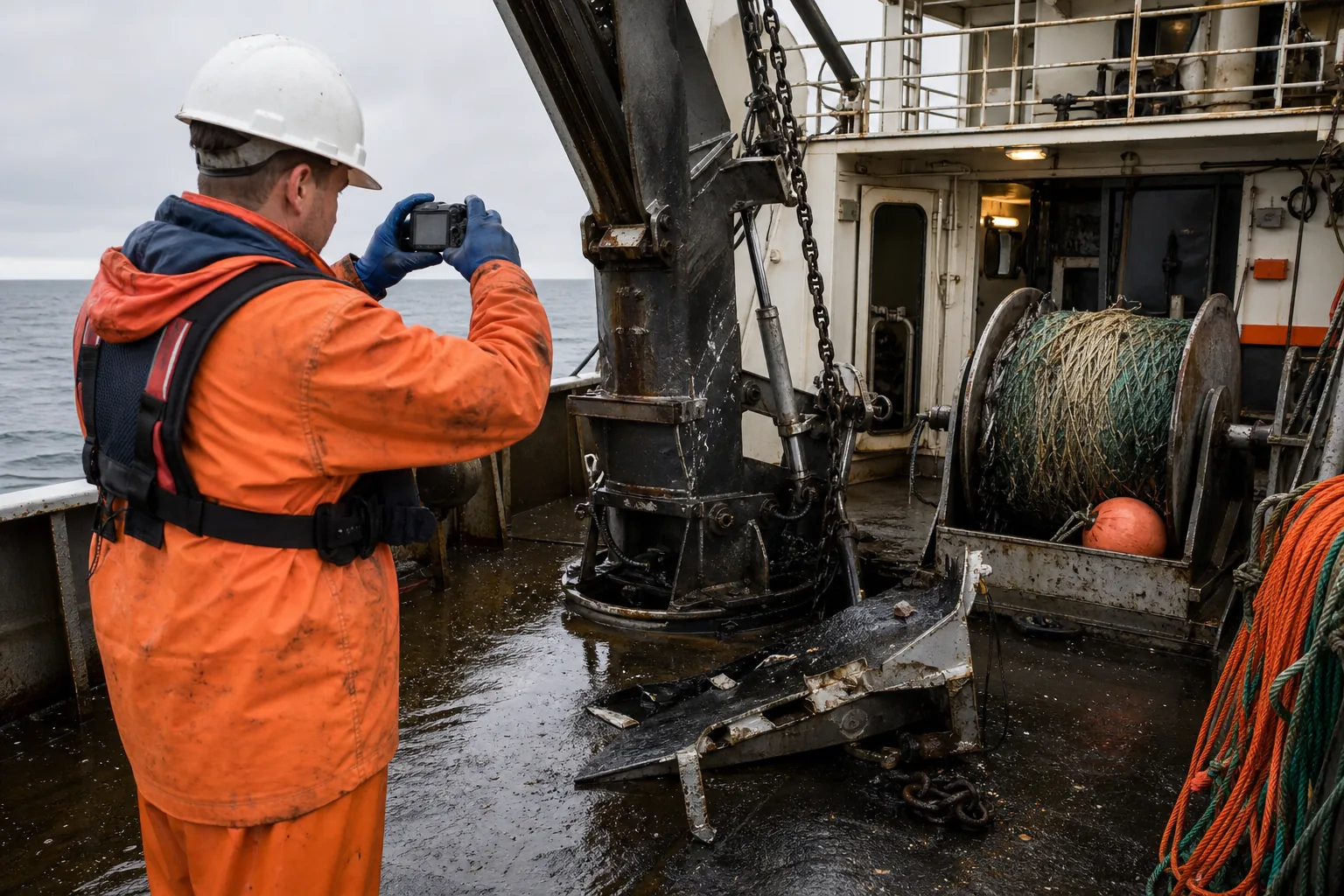
Make a record before the vessel changes or people forget details. When it’s safe, photograph the whole work area first, then take close shots of the gear involved and any visible injury. Don’t put yourself at risk to get a photo.
Write a short account in your own words. Note what you were doing just before the incident, what happened, who was nearby, and what you noticed afterward. Ask witnesses to write their own account and include their role aboard. Don’t coach them or ask them to agree on wording.
Fishing vessels have records that can matter later. Keep copies of any incident report, work schedule, crew list, relevant messages, and medical paperwork you can lawfully access. Note which equipment was involved and where it was stored. If the employer holds a log or safety report, write down its name and the person who controls it. Don’t remove vessel property or alter records.
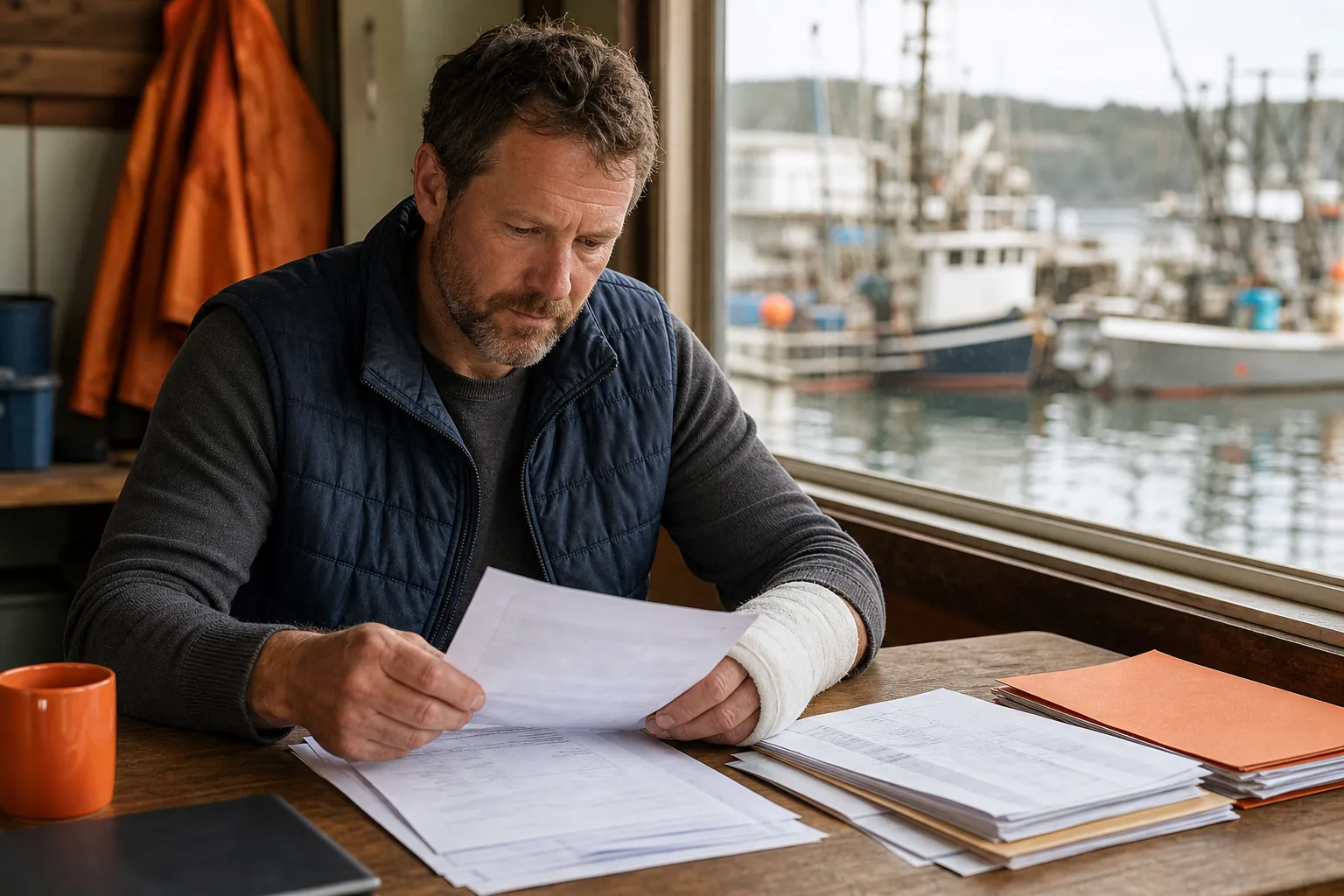
Set up a simple timeline. Use dates, not guesses. Add each medical visit, work absence, symptom change, and message with the employer or insurer. Save bills and receipts in the same file. This helps show what changed over time, especially when pain or work limits continue after the first appointment.
Keep the timeline factual. If you’re unsure of a time, mark it as approximate rather than filling in a detail from memory. Photos and records can disappear quickly in a working environment, so preserve what you can without delaying care.
For a broader checklist of what to note after an incident, see these maritime injury claim resources before you speak with an insurer.
Step 3: Determine Your Crew Status and Which Maritime Laws Apply
Don’t assume your job title or pay arrangement decides your rights. A deckhand, engineer, cook, or captain may qualify as a seaman when their work helps the vessel carry out its mission and their connection to a vessel or fleet is substantial. The facts of the job matter more than a label on a contract.
Write down your regular duties, how often you work aboard, and whether you’re assigned to a vessel or fleet. A worker who mainly works ashore may fall under a different system. Union status or pay by a share of the catch doesn’t settle the legal question by itself.
The Jones Act lets qualifying seamen bring a negligence claim against an employer. A seaman may also have a claim if the vessel or its equipment wasn’t reasonably fit for its work. Maintenance and cure is separate: it may provide basic living costs and medical care while a seaman recovers, without requiring proof of employer fault.
The LHWCA generally concerns eligible maritime workers who aren’t seamen, such as certain workers on docks or adjoining areas. The Outer Continental Shelf Lands Act (OCSLA) can extend LHWCA coverage to some offshore work. The Death on the High Seas Act (DOHSA) may apply to certain deaths far from shore. These laws don’t all cover the same worker or event.
A qualifying seaman may bring a civil action for injury caused by employer negligence under the Jones Act. A lawyer can assess the facts before you accept an employer’s or insurer’s classification.
| Rule or benefit | Who it may cover | What to check first |
|---|---|---|
| Jones Act | Qualifying seamen | Vessel connection and possible employer negligence |
| Unseaworthiness | Seamen with a vessel-related claim | Whether the vessel, gear, or crew was fit for the work |
| Maintenance and cure | Qualifying seamen injured or ill in vessel service | Medical care and basic living support during recovery |
| LHWCA | Some maritime workers who aren’t seamen | Work duties, location, and notice requirements |
| OCSLA or DOHSA | Some offshore workers or certain death claims | Where the work or incident occurred |
Use this table to frame questions, not to decide coverage on your own. Small facts about where you worked and how your job connected to the vessel can change the answer.
Step 4: Calculate Potential Benefits, Compensation, and Deadlines
There isn’t one fixed value for a fishing crew injury claim. The law that applies, the injury’s effect on your work, and the available proof all shape what may be recovered. Keep medical bills and records, plus pay records that show your income before the injury and any missed work afterward.
A Jones Act negligence claim may seek damages tied to medical costs, lost wages, future earning capacity, pain, and disability. Maintenance and cure is a separate potential benefit for a qualifying seaman. It addresses medical care and basic living costs during recovery, rather than damages for negligence. Ask how any payments are classified before signing a release or settlement.
Deadlines depend on the claim. A Jones Act lawsuit generally has a three-year filing limit. For LHWCA-covered injuries, written notice is generally required within 30 days, and a separate claim filing deadline may apply. Do not treat the notice period as the only deadline, or assume it governs a seaman’s claim.
Make a personal deadline list now. Include the date of injury, the date you reported it, any notice or claim forms sent, and the date a lawyer says a filing is due. Keep proof of delivery. If you’re unsure which law applies, treat the deadline as urgent and ask a maritime injury attorney to check it.
Delay can make a claim harder to prove. Equipment may be repaired, work records can be harder to obtain, and witness memories fade. It can also leave less time to give notice or file the right claim. Acting early doesn’t promise a result, but it gives you more time to confirm the rules and preserve evidence.
Step 5: Get Claim Advice Before Dealing With Insurers or Settling
Before you give a recorded statement or sign a waiver, get advice from a lawyer who handles maritime injury claims. An insurer may ask for details while you’re still in pain or before the full medical picture is clear. Keep answers factual, and don’t guess when you don’t know.
Don’t sign a settlement or waiver just to get an early payment. Those papers may limit later claims. Ask for a copy and time to review it with counsel. The same goes for forms that describe your injury, work status, or payment as final.
A maritime attorney can review your work duties, vessel connection, location of the injury, and the records you’ve saved. They can help assess which law may apply, identify notice and filing dates, and look at whether unsafe work or equipment contributed. They can also explain how a proposed settlement affects possible benefits and claims.
Before an interview, bring your timeline and make a short list of questions. Ask what facts support the legal route, what deadlines need attention, and how the fee terms work. maritimeattorney.ai publishes guidance on preparing lawyer interview questions and comparing fee plans, which can help you get ready for that discussion.
Share copies, not your only originals. Keep a dated list of documents you provide and who received them. If your symptoms affect sleep, mood, or your ability to return to sea, tell your clinician and include the effect in your records. Your health and work limits are part of the claim’s factual picture.
Frequently Asked Questions
How long do I have to report a fishing vessel injury?
Report the injury to your captain or employer as soon as you can. A 30-day written notice period generally applies to injuries covered by the LHWCA, but it doesn’t govern every crew member’s claim. Other employer or contract rules may call for faster notice. Don’t wait to learn which law applies; send a dated written report and get legal advice promptly.
Does the Jones Act cover fishing vessel crew?
The Jones Act may cover a fishing vessel crew member who qualifies as a seaman. The key questions include whether your work helped the vessel carry out its mission and whether you had a substantial connection to a vessel or fleet. Job labels alone don’t decide status. A review of your actual duties and time aboard can help clarify the issue.
Who pays my medical bills after a fishing boat injury?
The answer depends on your legal status and the claim that applies. A qualifying seaman may be entitled to maintenance and cure, which can include medical care tied to the injury. A Jones Act claim may also seek medical costs when employer negligence contributed. Keep bills and treatment records, and ask how to submit them before paying or settling.
Can I settle before I finish medical treatment?
You can receive a settlement offer before treatment ends, but signing may limit your right to seek more money later. Ask a maritime injury attorney to review the release and explain how it affects medical costs, lost income, and any benefits. Don’t sign under pressure. Make sure you understand what claims the document closes before you agree.
What if I was partly at fault for the accident?
Being partly at fault doesn’t automatically end a maritime claim. The effect depends on the law and the facts. Write down what happened without changing details to make yourself look better, and preserve any records about the work conditions or equipment. A lawyer can assess how your actions may affect the claim and whether another party also contributed.
Conclusion
Act promptly: get medical care, report the injury in writing, and preserve your records before discussing a settlement. Then ask a maritime injury attorney to identify the law and deadline that fit your work. If you’re preparing for that conversation, start by organizing your timeline and questions for the lawyer.