Maritime Collision Documentation Checklist: How to Use
A collision can change the scene in minutes, while the details that matter are still fresh. This maritime collision documentation checklist gives you a clear order: make people safe, record what you can, then protect the records for review.
Work through each step when it’s safe. Reporting rules vary by vessel and location, so confirm the requirements that apply to your voyage.
Step 1: Address Safety and Make Required Notifications
Start with people and immediate hazards. Documentation comes after safety, and it should never delay emergency aid or a required report.
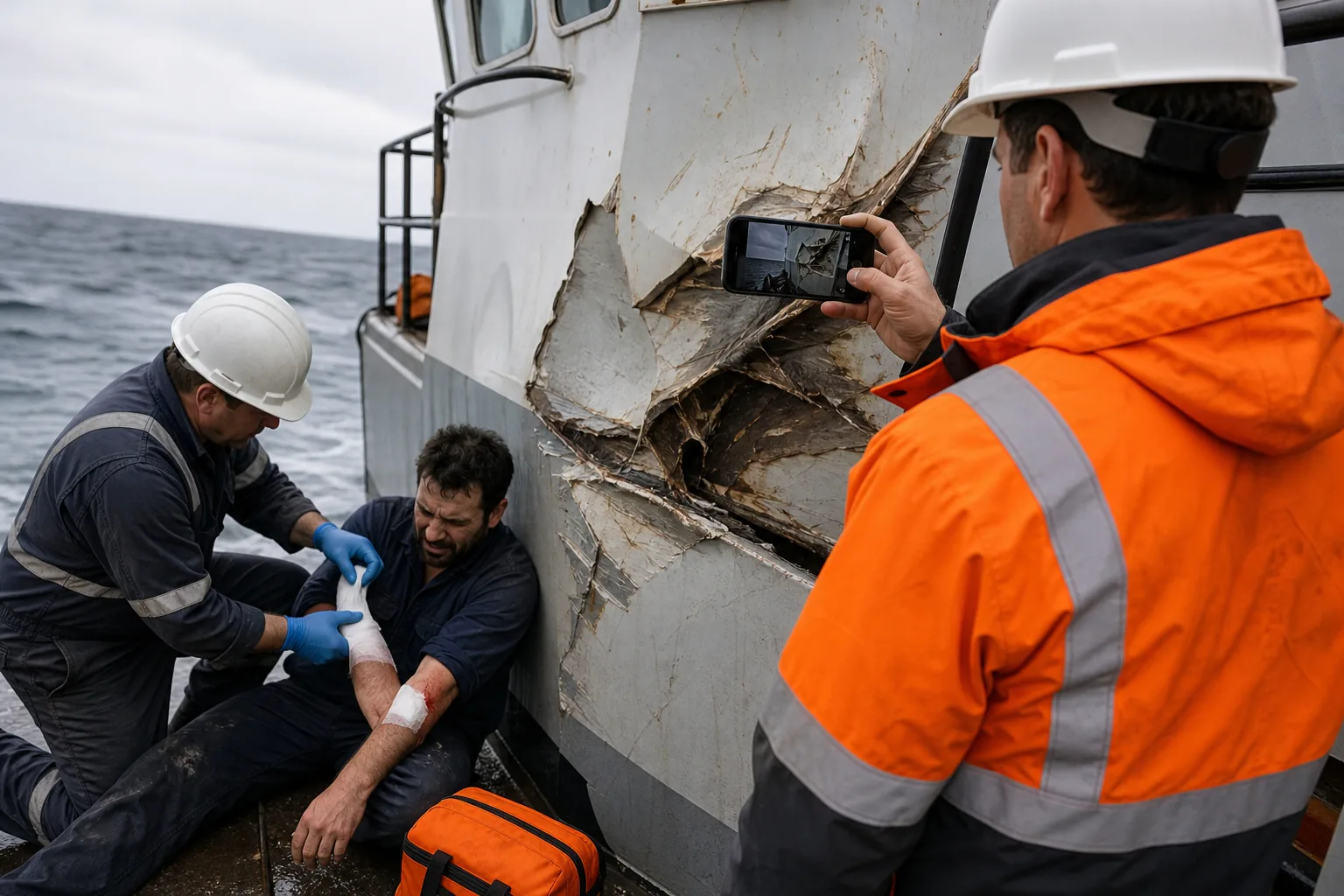
Check for injuries, people overboard, fire, flooding, pollution, or a risk of another collision. Follow the vessel’s emergency plan. Alert the master or person in command, and contact the relevant rescue or marine authority when needed. Keep a note of who made each report and when.
In the United States, reporting requirements may depend on the circumstances. Consult the current reporting rule and review marine casualty events that may require notice to the Coast Guard. Check the current rule and follow any instructions from the authority in your area.
Next, notify the vessel owner or operator, the company’s designated safety contact, and the insurer as required by policy or procedure. Record the time, method, recipient, and any reference number for each notice. Keep the message factual. Don’t guess at cause or fault while facts are still unclear.
Collision circumstances differ. A vessel striking another vessel is one case; contact with a fixed object or a grounding can raise different reporting questions. The overview of maritime accident types can help you sort the event before checking the rules that apply.
Write down any instruction to preserve records or send a formal report. Requirements can depend on the flag, location, vessel type, and nature of the casualty.
Step 2: Document the Collision Scene and Vessel Damage
Make a scene record that another person can understand without being there. Note what you observed, not what you think caused the collision.
As soon as it is safe, record the date and local time. Add the time zone, vessel position, and how you got the position, such as a chart plotter or GPS readout. Note visibility, wind, sea state, current, lighting, and any nearby hazards or navigation marks.
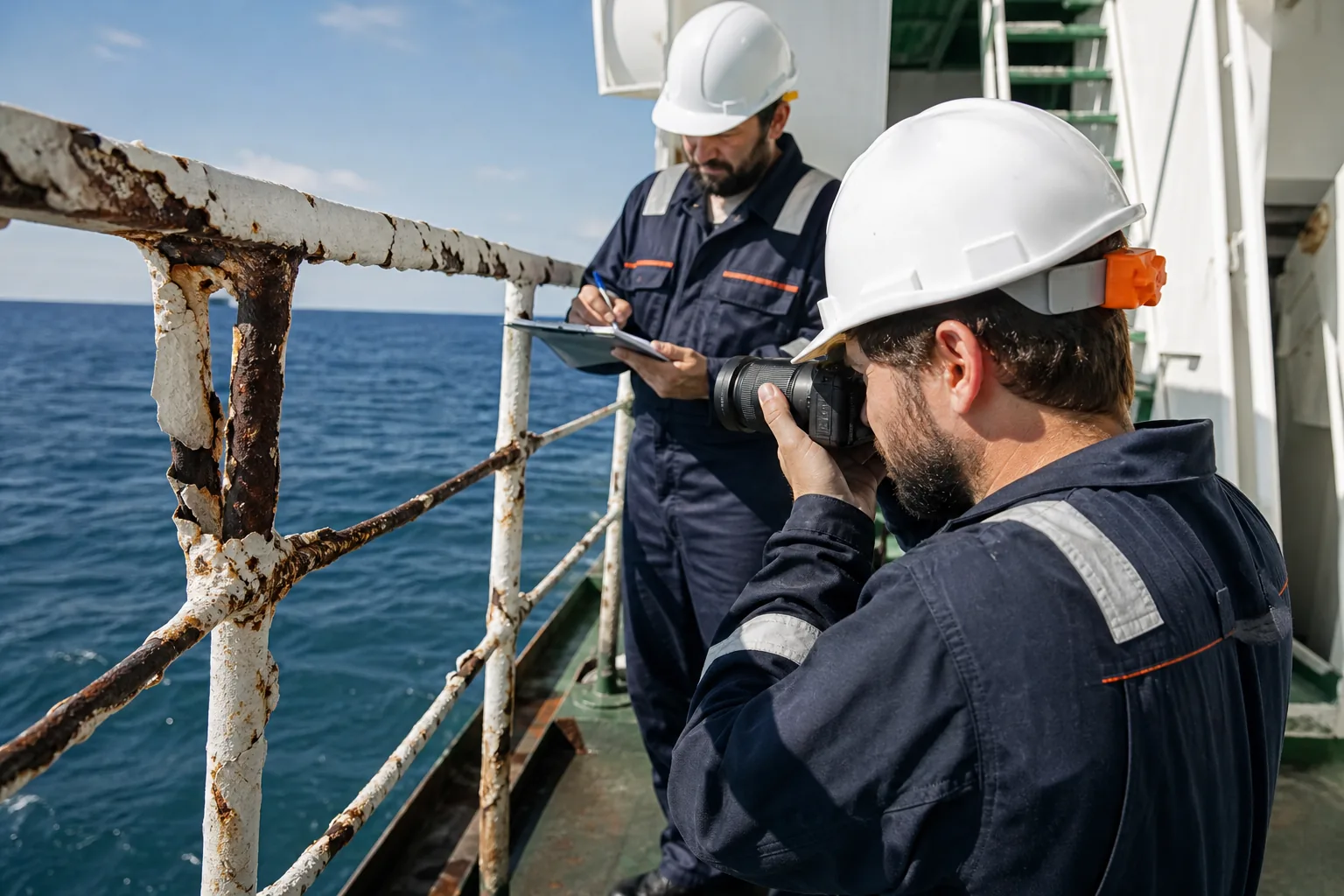
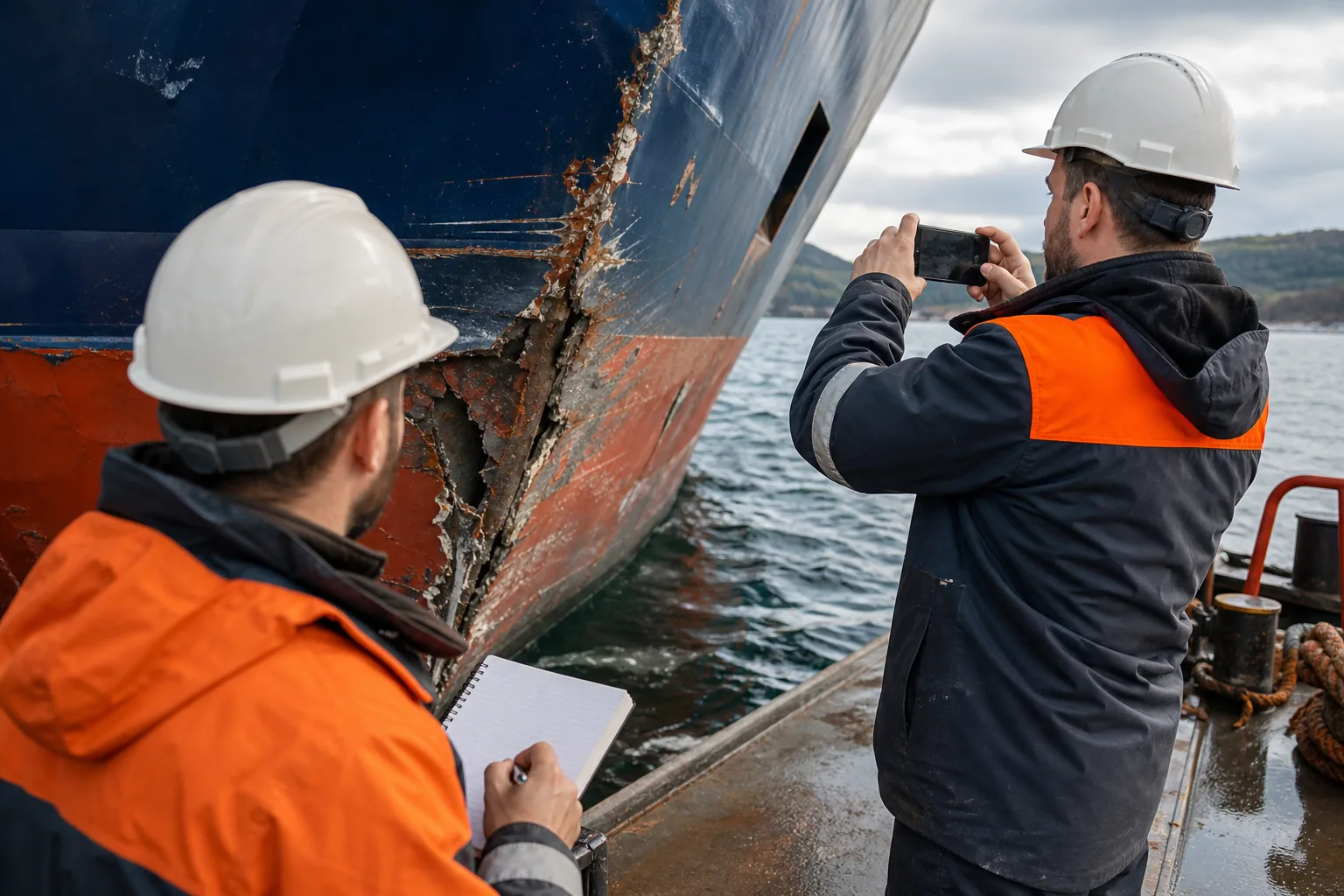
Photograph the scene before the vessels move or repairs begin, if conditions allow. Take wide shots first to show the vessels’ positions and surroundings. Then capture each damaged area from more than one angle. Include an object for scale only if doing so is safe and does not alter the damage.
For each damaged area, note its location on the vessel, visible size, material, and whether it appears above or below the waterline. Record flooding, leaks, loose fittings, or damage that could affect safe operation. Don’t clean, cut, or remove damaged parts just to get a better image. If the vessel must be moved or repaired, record why and who approved the work.
Include the vessel’s name, identification details, flag, and voyage details in the file. For the other vessel, record the details you can confirm, such as its name, flag, and identifying marks. If you can’t confirm a field, mark it “unknown” rather than filling in a guess.
Keep original image files. Avoid filters or edits that change what a photo shows. If you need to crop an image for a report, save the edited copy separately and retain the original.
Step 3: Record Witness Details and Collect Vessel Records
Make a witness list and a records list while access is still available. These details can help fill gaps in the scene notes later.
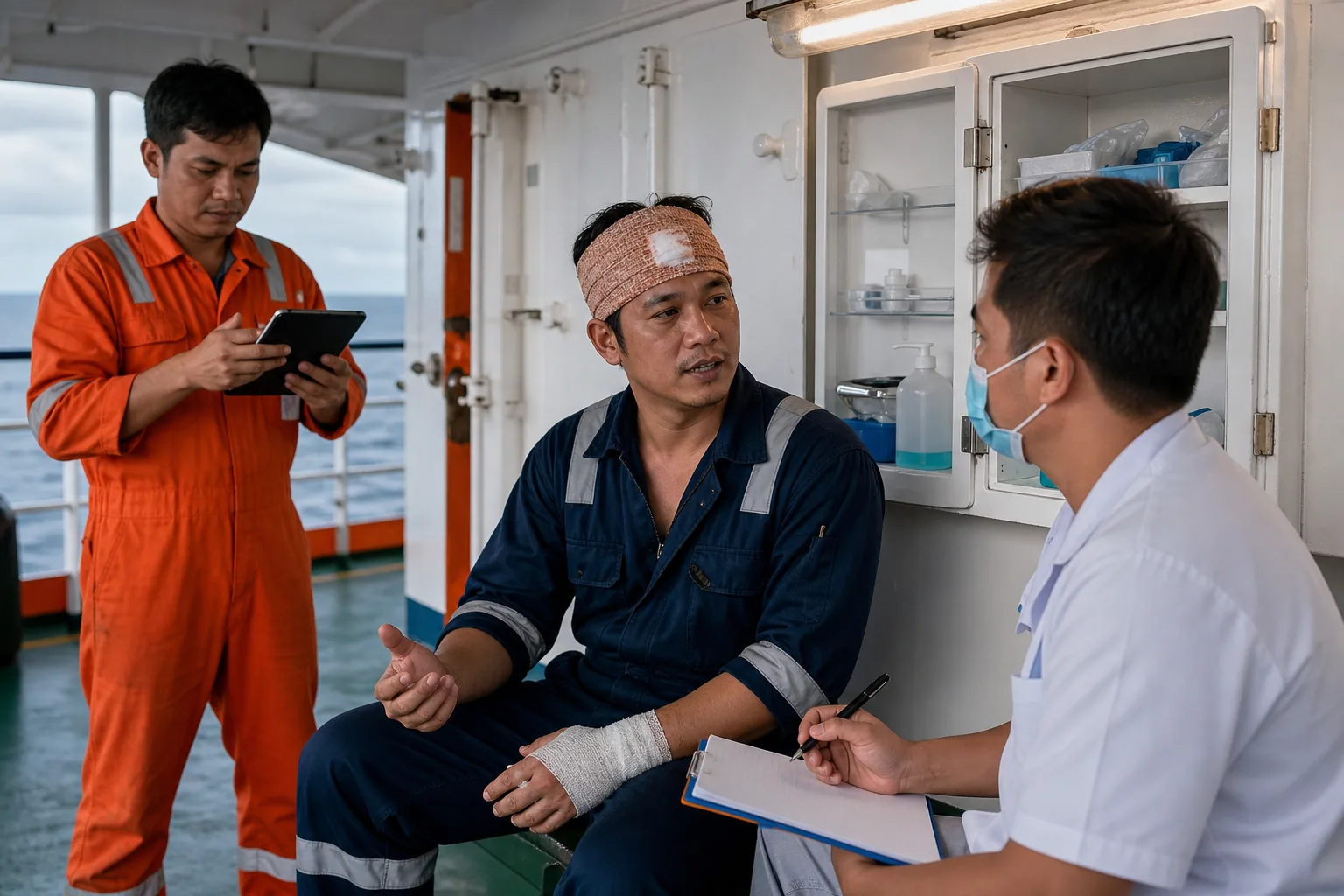
For each witness, note their name, role, vessel or location, and a way to contact them if they’re willing to share it. Ask for a short account in their own words. Record when it was made. Don’t suggest an answer or ask people to agree on a shared version.
Separate what each person saw from what they heard afterward. For example, a crew member may have seen a course change but only learned about a radio call from someone else. Keep those points distinct. If a witness can’t write a statement at the time, note their account as accurately as possible and identify who recorded it.
Gather the vessel records that may show its state and movements around the event. Depending on what the vessel carries and what is relevant, this may include:
- Deck and engine log entries, plus relevant watch handover notes.
- GPS, chart plotter, or voyage data available to the crew.
- Bridge communications, radio logs, or recorded messages.
- Maintenance records for equipment involved in the event.
- Crew lists, vessel certificates, and voyage documents tied to the trip.
Don’t change, overwrite, or delete records. Ask the person responsible for each system how to export data without altering the original. Note the device or record source, who handled it, and when it was copied. If a record is missing, write that down too.
Build the evidence file around the event rather than collecting every document on board. A maintenance entry about a steering fault may matter if steering is in question. A routine record with no link to the collision may not. When unsure, preserve the relevant record and ask the appropriate company contact before discarding anything.
Step 4: Build a Clear Incident Timeline and Written Account
A timeline gives the documentation a clear sequence. Keep times tied to their source, especially when records use different clocks or time zones.
Start with the last known normal point before the collision. Add each key event in order: a course or speed change, a lookout report, a signal, first contact, immediate response, and any later movement. Note the time beside each event. If you only know an approximate time, label it as approximate.
Use this simple report outline as a working template:
- Vessel: name, identification number, flag, operator, and voyage details.
- Incident: date, time zone, position, activity, and other vessel details.
- Conditions: visibility, weather, sea state, current, and nearby traffic or hazards.
- Sequence: events before contact, the collision itself, and the response afterward.
- Damage: location, visible extent, water ingress, operational effect, and photographs.
- People: injuries or other harm, plus witness names and roles.
- Records: logs, images, charts, statements, and any missing material.
Write the account in plain language. Use short sentences and identify the source of details that you didn’t observe yourself. “The log shows the vessel altered course at 14:12” is clearer than “we turned just before the collision” if you’re relying on a log entry.
Leave blame and legal conclusions out of the factual account. If you’re unsure what happened, say so. Don’t fill a gap with a likely explanation. You can add a later note if new facts become available, but date that note and keep the earlier version.
Before submitting a formal report, compare the timeline against available logs and electronic records. Differences are worth noting, not hiding. A clear account can explain that one clock was not synchronized, or that a time is an estimate.
Step 5: Preserve, Organize, and Review the Documentation
Store the file so another person can find each item and tell whether it has changed. Keep the original evidence separate from working copies.
Create one incident folder with subfolders for reports, photographs, witness accounts, vessel records, and communications. Give files clear names that include the date and a short description. Keep an index with the file name, source, date received, person who supplied it, and any action taken.
Back up the folder in a secure location approved by the vessel owner or operator. Limit access to people who need it. When you share records, note what you sent, to whom, and when. If the file contains personal details, follow your organization’s privacy and data-handling rules.
Preserve original electronic files and metadata where possible. Metadata can show when a file was made or changed. Keep a read-only copy of the source file, and use a separate copy for notes or redactions. Don’t rename or edit an original if the change could affect its record of origin. If a system may overwrite data, ask the company’s technical or safety lead to secure it promptly.
A clean record can be useful beyond an insurance file. Keep factual notes distinct from later analysis, and preserve records that may be needed for a safety review.
Use a final review before sending the packet. Check that the vessel and incident details match across documents. Confirm that every photo has a date or source note where known. Flag missing items rather than leaving blank fields. Follow the reporting authority’s requested format and deadline, and keep a copy of what you submit.
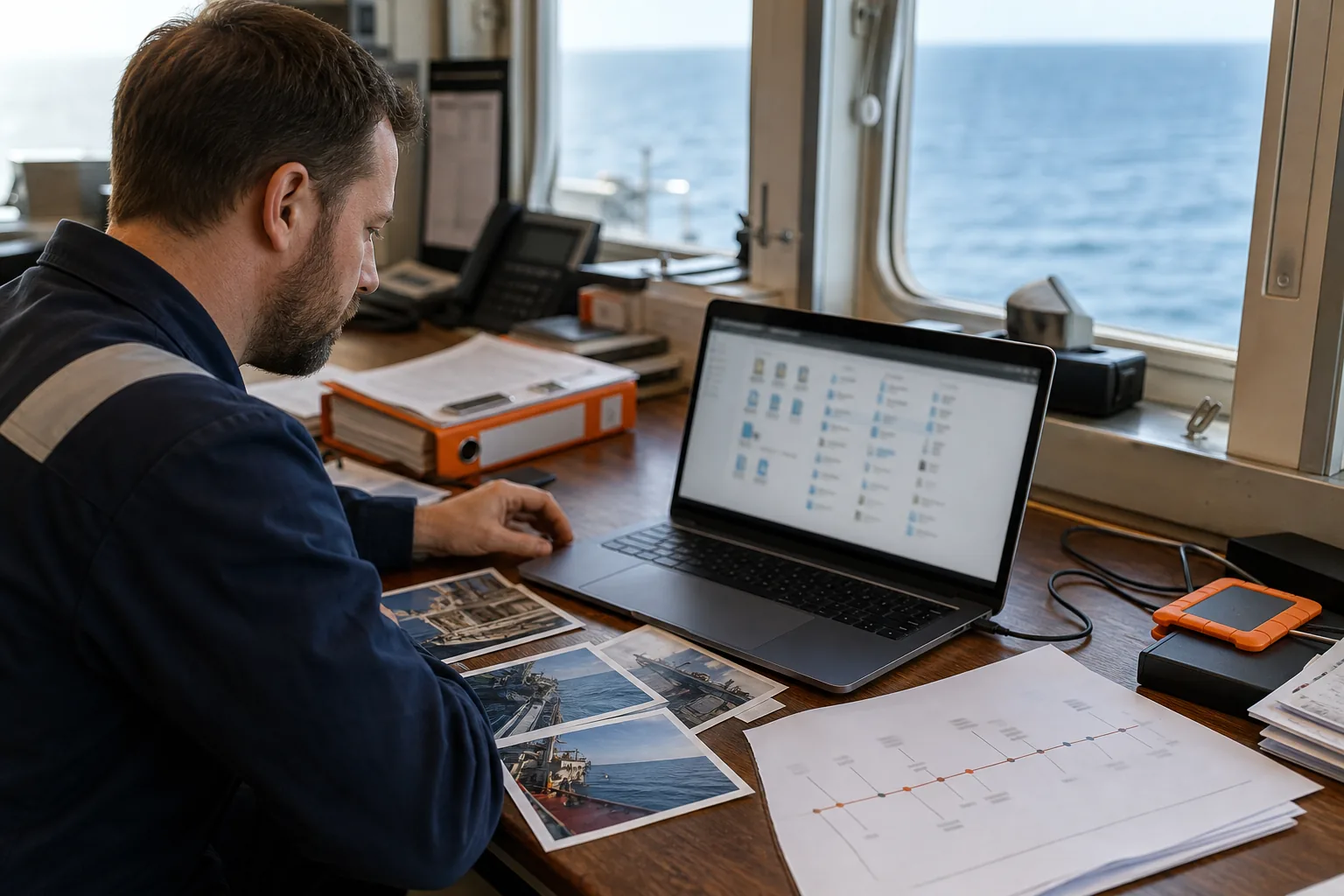
For legal questions about the records or next steps, maritimeattorney.ai is a place to begin exploring maritime legal resources. Keep the evidence file factual, and share it only through an approved channel.
Frequently Asked Questions
What should be included in a maritime collision report?
A maritime collision report should identify the vessels and describe the event in order. Include the date, time zone, position, conditions, vessel details, damage, injuries, and witness information. Attach relevant photographs and records, then note any missing details. Mark estimates clearly, and keep observation separate from opinion.
How soon do I need to report a vessel collision?
Report a collision as soon as required by the rules that apply to your vessel and location. In the United States, federal regulations set out events that require Coast Guard notice, but the details depend on the casualty. Check the current rule and any flag-state, local, company, and insurance requirements rather than relying on a general deadline.
Should I edit photos or electronic records after a collision?
Keep the original files unchanged. If you need to crop a photo or add notes, make a separate copy and label it as edited. Preserve file details where possible, record who collected the data, and note when it was copied. That helps others understand where the evidence came from.
What if I don’t know the exact time or cause of the collision?
Write down what you know and mark uncertain details as estimates or unknowns. Don’t guess at the cause or make different records appear to match. Note which source supports each time, such as a log or device. You can add a dated update if reliable information becomes available later.
Can I use a digital checklist for collision records?
Yes, a digital checklist can help track documents and show what is still missing. Use an approved system with controlled access, preserve the source files, and keep a backup. A checklist should support required reports, not replace them. Follow company rules for handling personal or sensitive information.
Conclusion
Use the checklist in order, starting with safety and required reports, then preserve the evidence before routine work changes it. Set up an incident folder now with a blank timeline and document index. If you need to consider legal questions, maritimeattorney.ai can be a starting point for exploring next steps.