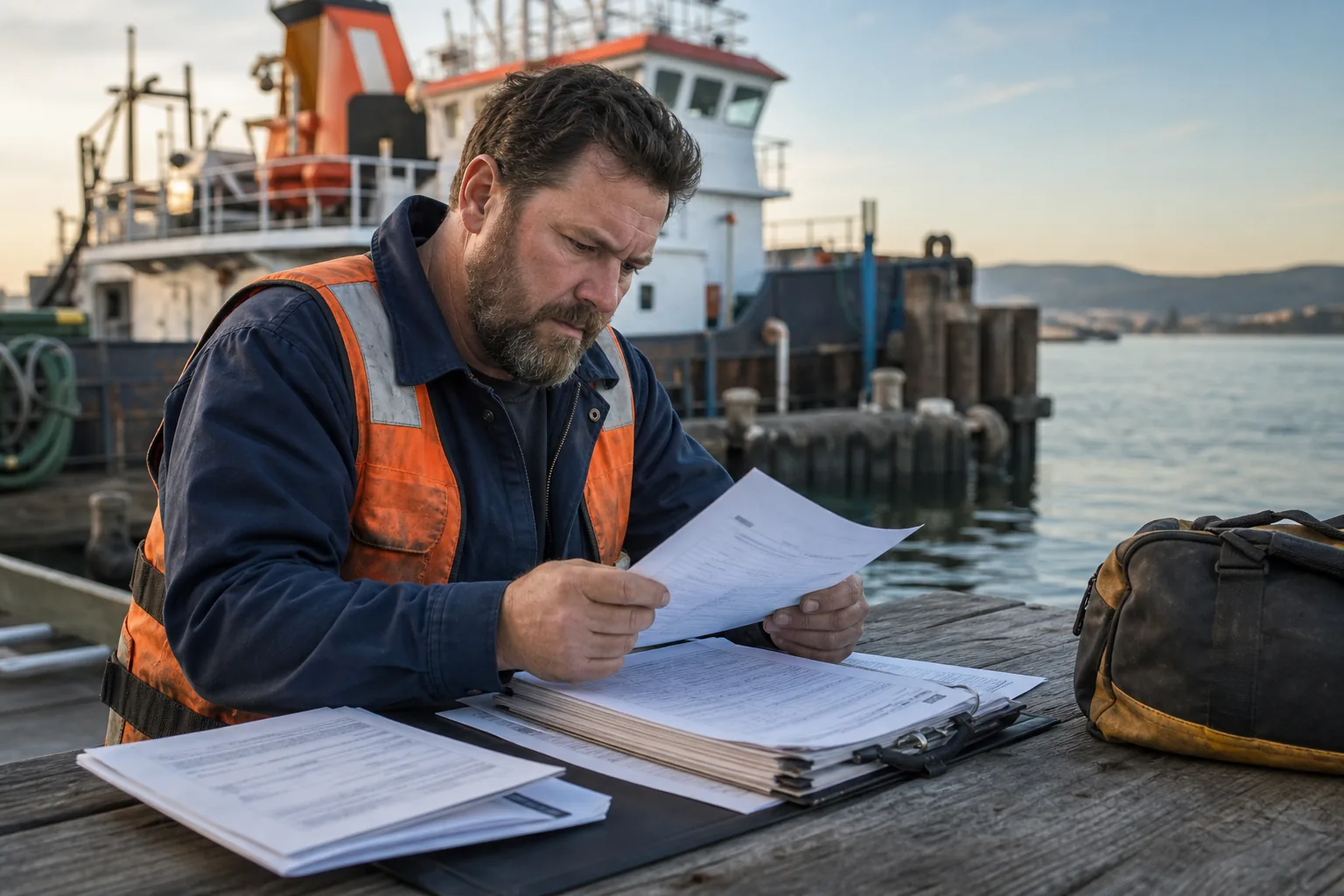
How to Find a Harbor Worker Accident Attorney
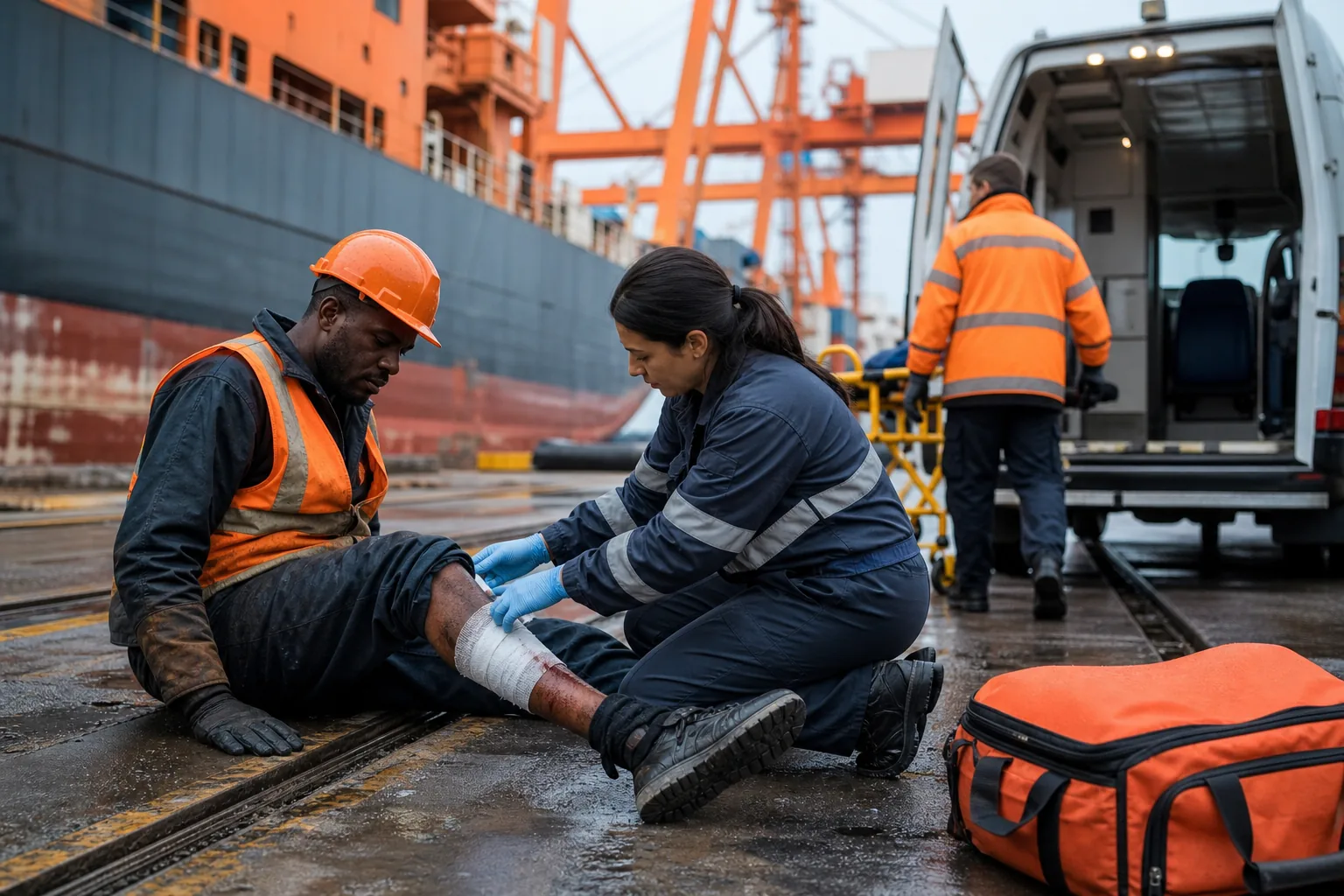
A harbor injury can raise hard questions fast. Which law applies? Who pays for treatment? How long do you have to act? A harbor worker accident attorney can sort out those issues, but the first steps still matter. Use this process to protect your health, preserve proof, and screen a lawyer before you sign anything.
Step 1: Get Medical Care and Report the Harbor Accident
Your first goal is to treat the injury and make a clear record. A harbor worker accident attorney will need to know what happened, when it happened, and how the injury affects your work.
Get medical care at once, even if the injury seems small. Some problems show up later. Back strain, hearing damage, head injuries, and chemical exposure may worsen after the first few hours. Tell the provider that the injury happened at work. Give a full account of your symptoms. Do not guess at a diagnosis or downplay pain because a supervisor is nearby.
Report the accident through the method your employer requires. Ask for a copy of the report or send a short written notice if the process is unclear. Include the date, time, work area, equipment involved, and names of people who saw the event. Keep your wording factual. Do not add blame or accept blame in the report.
Write your own account before memories fade. Note the weather, lighting, deck condition, warning signs, safety gear, and instructions you received. If a piece of gear failed, describe what you saw. Save the names of crew members, contractors, and supervisors who were present.
Do not post photos or comments about the accident on social media. Avoid recorded statements for an insurer until you understand what you're signing. You can answer basic questions needed for treatment, but you don't need to give a broad account of fault or future work ability on the spot.
Step 2: Determine Which Maritime Law May Apply
The right harbor worker accident attorney will first sort out your work status, location, and connection to the vessel. Those facts can affect which claim path fits your injury.
A worker on a dock, terminal, shipyard, or other waterfront site may fall under the Longshore and Harbor Workers' Compensation Act, often called the LHWCA. A crew member who works on a vessel may have a different claim under the Jones Act. Some workers may have state workers' compensation coverage instead. A passenger, visitor, or contractor may need a negligence claim against a different party.
Job title alone doesn't settle the issue. Your daily duties matter. So does where you worked when the accident occurred. A cargo handler who moves freight beside a vessel may face a different legal analysis from a seaman who spends most of the job aboard that vessel.
The U.S. Department of Labor explains the federal benefits system for covered longshore and harbor workers through its official LHWCA information page. Read it as background, not as a final answer about your case. Coverage questions often turn on small facts that a form cannot capture.
| Work situation | Legal path to ask about | Fact that may change the analysis |
|---|---|---|
| Dock or terminal worker | Federal harbor worker benefits | Whether the work falls within the covered area and job class |
| Vessel crew member | Jones Act or other seaman claim | Time spent working on vessels and the nature of the duties |
| Shipyard or repair worker | LHWCA or another workers' compensation path | Employer, worksite, and whether the worker was tied to vessel repair |
| Contractor or visitor | Negligence or premises claim | Who controlled the area and who caused the hazard |
The Jones Act is codified at 46 U.S.C. § 30104. That statute is only one part of the analysis. A lawyer must still examine your role, the vessel, the employer, and the facts behind the injury.
Make a short work-status file. Add your job description, pay records, work schedule, vessel name if known, and the location of the accident. This gives the lawyer a faster way to spot a possible mismatch between the law your employer names and the law that may actually apply.
Step 3: Collect Records and Evidence Before It Disappears
Evidence can change quickly at a port. A harbor worker accident attorney may need records held by your employer, a vessel owner, a terminal operator, or a contractor.
Start with records you can lawfully access. Keep copies of:
- Accident reports and incident forms.
- Medical records, bills, prescriptions, and work restrictions.
- Pay stubs and schedules from before and after the injury.
- Training records and written safety instructions.
- Messages or emails about the accident.
- Photos of the work area, clothing, tools, and visible injuries.
Take photos only when it's safe and lawful. Don't return to a restricted work area to get a better angle. If the hazard was removed, write down what changed. For example, note whether a loose line was replaced, a damaged ladder was taken away, or a wet surface was cleaned.
Ask witnesses for their names and contact details. You don't need to interview them like a lawyer. Simply record who was there and what each person may have seen. A witness who noticed missing guards may matter later, even if that person didn't see the moment you fell.
Keep a daily injury log. Write down pain levels, sleep problems, missed shifts, limits on lifting, and tasks you can no longer do. Use plain facts. “Could not climb the gangway without stopping” is more useful than “felt bad.”
The research available for this topic points to the same basic need: preserve accident facts and medical proof early, before the worksite changes or memories become less clear. Don't edit photos. Keep the original files, then make copies for your records.
Give your lawyer a clean folder instead of a pile of loose documents. Use separate folders for medical care, work records, accident proof, and messages. Add a one-page timeline at the front. That simple step can save time during the first case review.
Step 4: Screen Attorneys for Maritime Injury Experience
Choose a lawyer who handles maritime injury claims, not only general workplace cases. A harbor worker accident attorney should be able to explain the possible claim path in plain words.
Start with a short list. Search for lawyers who state that they handle harbor workers, longshore claims, vessel injuries, or maritime personal injury. Then check each lawyer's license status through the relevant state bar. Look for disciplinary information where the bar makes it available.
Set up an initial consultation and bring your timeline. Ask these questions:
- Which laws might apply to my job and accident site?
- Have you handled claims involving longshore or harbor workers?
- Who will manage my case day to day?
- What records should I preserve right now?
- How does your fee work if the case does not recover money?
- What risks could affect my claim?
Listen to the answer, not the sales pitch. A careful lawyer should be willing to say that the result depends on facts. Be wary of promises about a set payout before the lawyer reviews your work status and medical records.
Ask how the firm handles employer or insurer contact. You should know who will answer requests for statements. You should also know how often the firm sends updates and how quickly you can reach the person assigned to the case.
Experience should match the problem. A lawyer who mainly handles car crashes may know personal injury law but miss a maritime coverage issue. A lawyer who handles only vessel owners may not be the right fit for a dock worker seeking statutory benefits. Ask for the lawyer's view of your exact work setting.
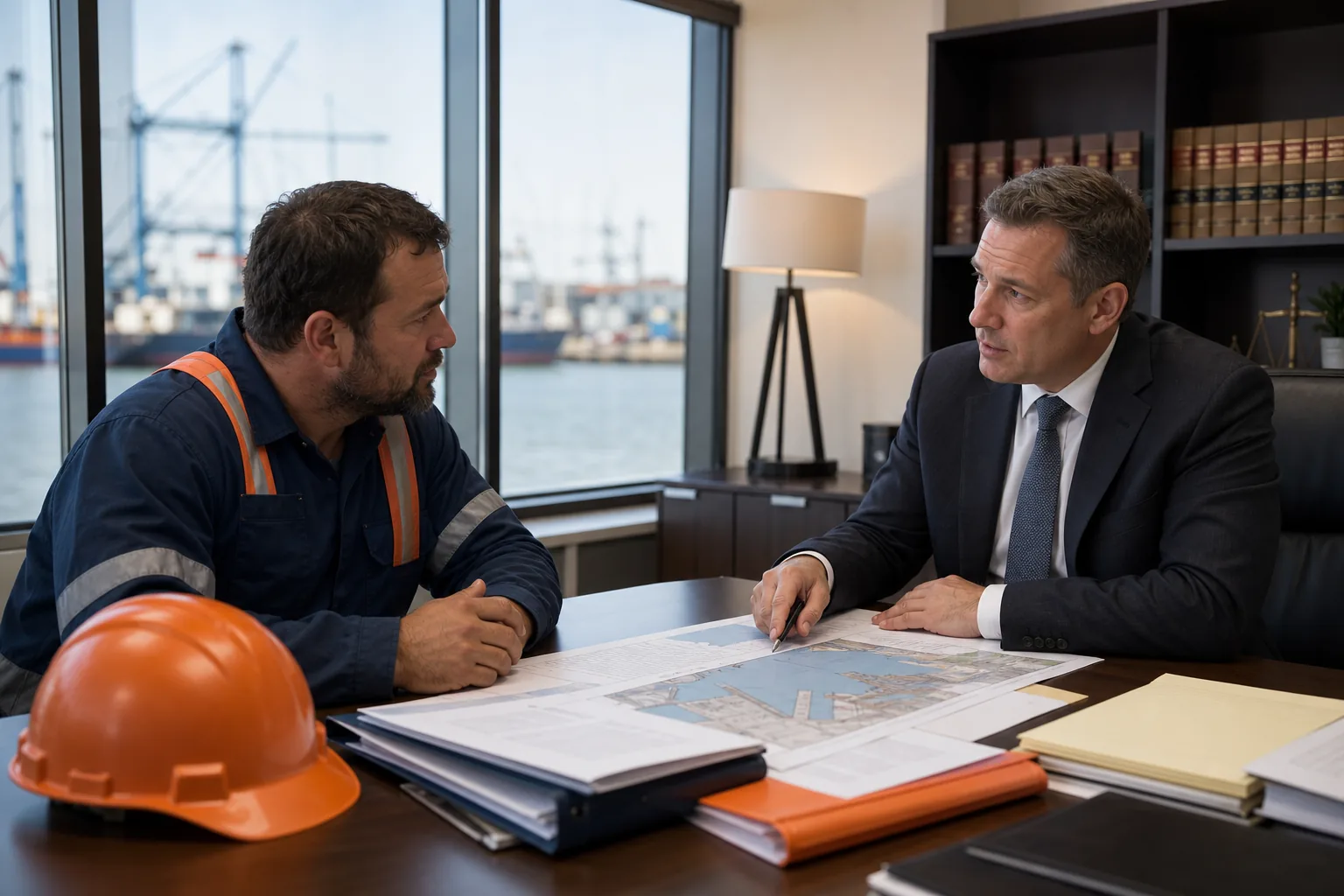
maritimeattorney.ai can help you focus that first search on maritime-specific legal questions. Use the site as a starting point, then confirm the lawyer's license, experience, fee terms, and fit for your location.
Walk away if the lawyer refuses to discuss fees in writing or pushes you to sign before answering basic questions. You need a clear working relationship, not a rushed decision.
Step 5: Review the Representation Agreement and Start the Claim
Before hiring a harbor worker accident attorney, read the representation agreement from start to finish. The document should explain what the lawyer will do and what you may owe.
Look for the fee percentage, the point when the fee is calculated, and the treatment of case costs. Costs may include records, filing fees, expert review, travel, or other expenses. The agreement should say whether those costs come out before or after the lawyer's fee.
Check the scope of the work. Does the lawyer handle settlement talks? Will the same firm handle a hearing or trial? Does the agreement cover an appeal? If another lawyer may take over later, ask how that change affects the fee.
Ask what happens if you end the relationship. The agreement may explain whether the lawyer can seek payment for work already done. State rules can affect these terms, so ask questions before signing.
Once you hire counsel, follow the case plan. Send requested records through the firm's secure method. Keep medical appointments. Follow work restrictions unless a doctor changes them. Tell the lawyer about new symptoms, new employers, benefit payments, or contact from an insurer.
Don't settle a claim before you know the likely scope of treatment. A quick payment can look helpful when bills are due, but it may affect later claims. Ask what rights the proposed release gives up. You should understand the answer before signing.
Deadlines also need early attention. The correct deadline may depend on the law, the type of notice, the employer, and the party you may sue. Ask for a written list of dates. Put them on a calendar, but don't treat a calendar entry as a substitute for legal advice.
maritimeattorney.ai is a useful place to organize the questions you want answered before that agreement is signed. Keep your own copy of the contract and every letter sent to an insurer or employer.
Frequently Asked Questions About Harbor Worker Accident Attorneys
What does a harbor worker accident attorney do?
A harbor worker accident attorney reviews your job, worksite, injury, and possible legal claims. The lawyer may help preserve records, deal with insurers, assess benefits, and pursue a settlement or hearing. The first consultation should clarify which facts matter and what you should do next.
When should I hire a maritime injury lawyer?
You should speak with a maritime injury lawyer soon after the accident, especially if your employer disputes the injury or asks for a recorded statement. Early advice can help protect medical proof and identify deadlines. You don't need every record before meeting a harbor worker accident attorney.
Can a dock worker file a claim under maritime law?
A dock worker may qualify for federal harbor worker benefits, but eligibility depends on the work and the place where it happened. A lawyer must review your duties and worksite. Some workers fall under a different system, so don't rely on job title alone.
How much does a harbor worker accident attorney cost?
The cost depends on the fee agreement and the type of claim. Many injury lawyers discuss a contingency fee, but the percentage and case costs vary. Ask when the fee is calculated, which costs you may owe, and what happens if the claim does not recover money.
What evidence should I give my maritime attorney?
Give your maritime attorney medical records, accident reports, wage information, photos, messages, and a timeline. Include the names of witnesses and the employer or contractor involved. Keep original files when possible. Your lawyer can request records that you cannot lawfully obtain yourself.
Conclusion
Choose a lawyer who understands maritime work and can explain the possible claim path without making promises. Today, save your records, write your timeline, and arrange a consultation with a qualified harbor worker accident attorney. maritimeattorney.ai can help you frame the right questions before that first meeting.