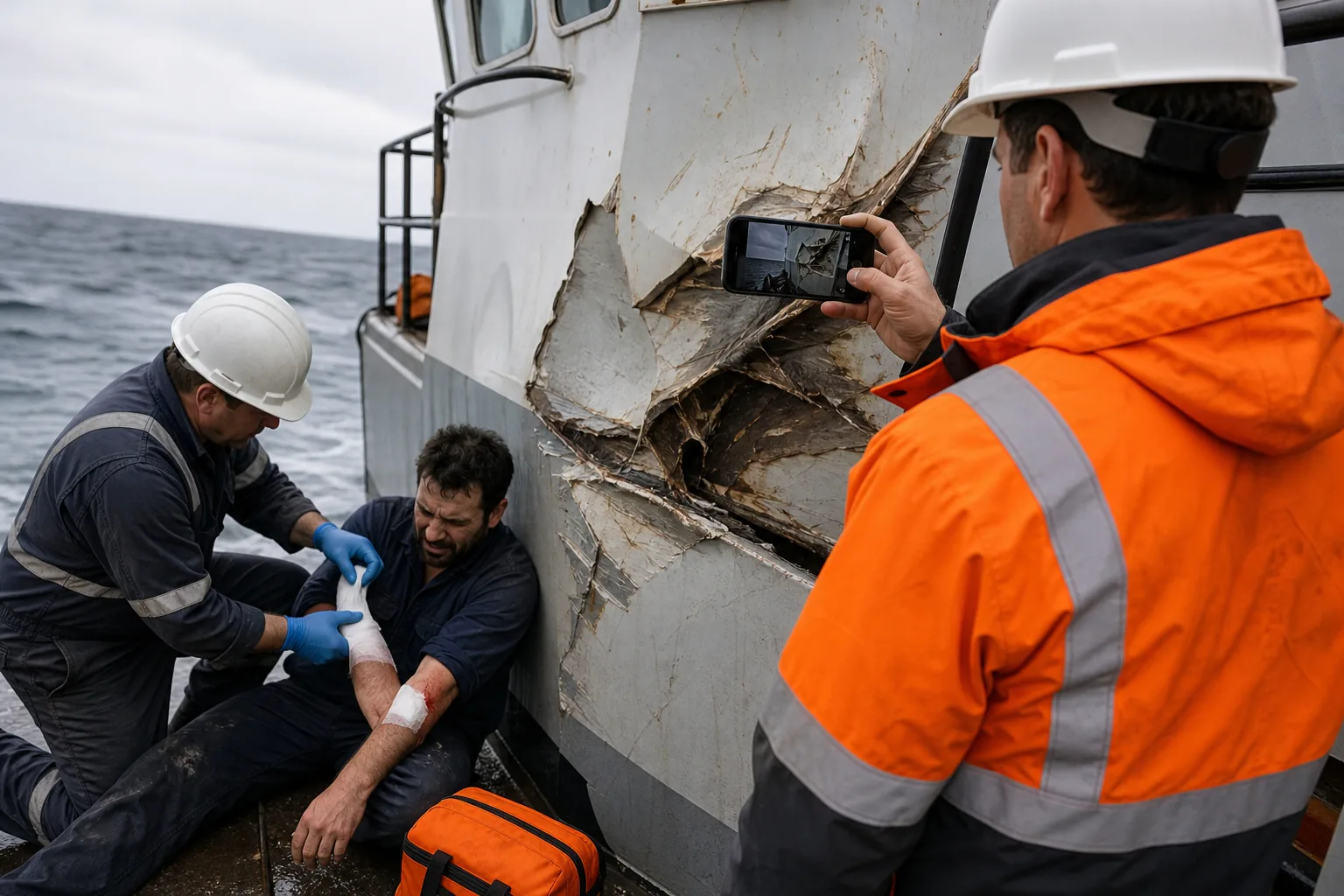
How to Choose the Right Drowning Accident Lawyer: A 2026 Guide
Every family hopes a day by the water stays safe. But a single slip, a broken gate, or a missing lifeguard can turn a fun swim into a tragedy. If you’ve just lost a loved one or suffered a near‑fatal drowning, the next step feels overwhelming. You need clear, practical help, fast. This guide walks you through the exact steps to assess liability, collect evidence, calculate what you’re owed, pick the right attorney, and move your claim forward. By the end you’ll know how a drowning accident lawyer can protect your rights and get the compensation you deserve.
Step 1: Assess Liability in Drowning Incidents
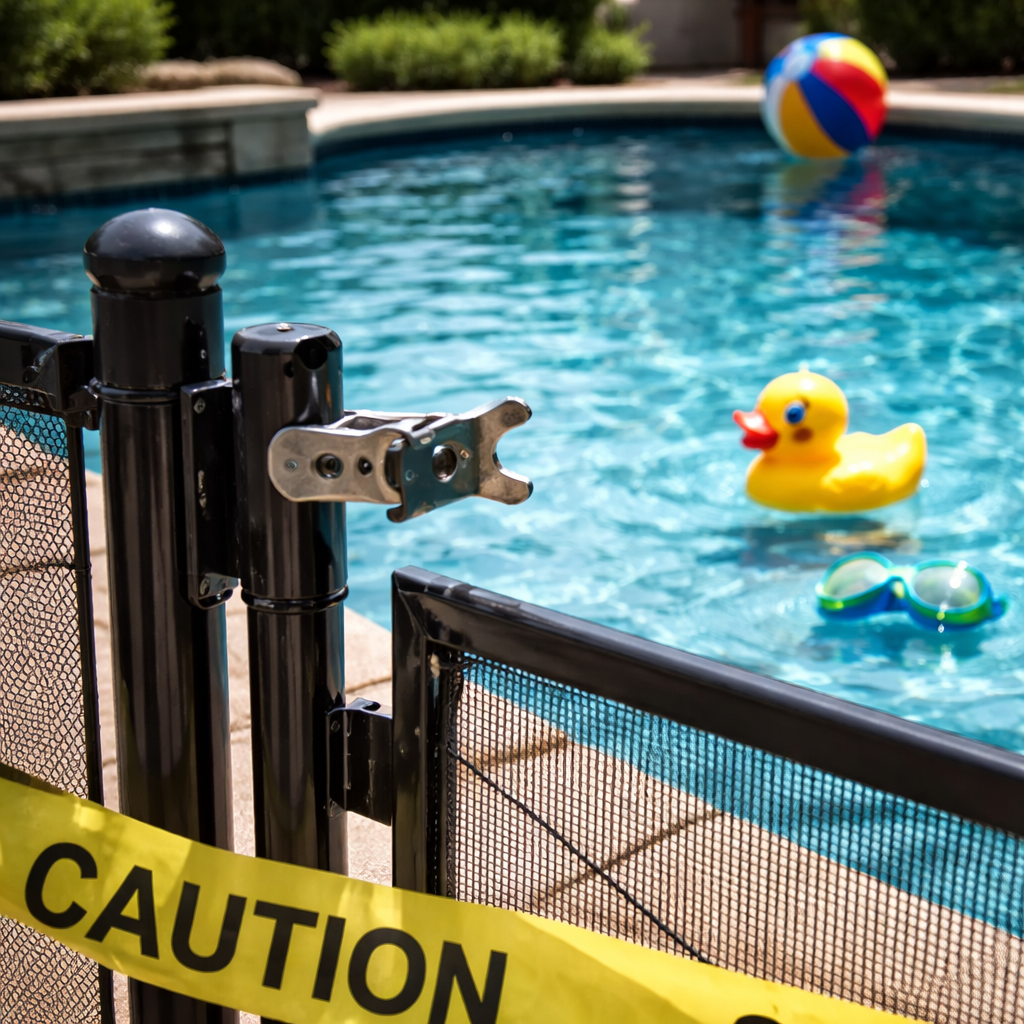
Liability starts with the idea of duty. A pool owner, hotel, or city agency must keep the water safe for guests. When they fail, the law calls them out. In Florida, the Residential Swimming Pool Safety Act (§515.29) forces owners to install a barrier, cover, alarm, or self‑latching gate. If any of those are missing, the owner likely breached their duty.
Imagine a family renting a short‑term home with a pool that has a broken latch. The child wanders in, falls, and drowns. The owner knew the latch was broken but didn’t fix it. That knowledge creates a clear path to liability. Courts look at two questions: Did the owner know or should have known about the hazard? Did they act reasonably to fix or warn about it?
When you review the scene, ask yourself:
- Was there a fence or gate? Was it functional?
- Were warning signs posted about deep water or currents?
- Did staff or caregivers have a duty to supervise, and did they fail?
These factors often line up with the findings in a recent Florida Department of Health report that shows children under five are most at risk when a pool lacks a proper barrier. Florida drowning cases often hinge on missing safety features. The same principle appears in other states; for example, the FA Firm explains that owners of public pools, hotels, and daycare centers all share a duty to maintain safe conditions and can be held liable for negligent supervision.
Why does this matter for you? If you can point to a specific broken gate, a missing alarm, or a lack of lifeguard staffing, you give a drowning accident lawyer a concrete hook to build a claim. The stronger the link between the hazard and the tragedy, the higher the chance of a sizable settlement.
Pros of a strong liability case:
- Clear evidence often leads to quicker settlements.
- Jurisdictions may award higher damages for gross negligence.
- Public pressure can push property owners to improve safety for others.
Cons to watch out for:
- If the owner can prove you contributed to the accident, comparative fault may reduce your award.
- Some venues argue that water is an “open and obvious” risk, which can limit liability.
Ready to protect your family’s future? Try our solution free →
When you’re ready to talk to a professional, a good place to start is a lawyer who knows these nuances.Find the Right Boat Accident Lawyer Near Me: A 2026 Guideoffers a model for how a specialist can walk you through the process step by step.
Step 2: Gather Crucial Evidence
Even the strongest liability theory collapses without solid proof. Your first task is to preserve every piece of information that can show who failed and how.
Start with the basics: call 911, get a copy of the police report, and request the incident log from the property manager. Those documents often list who was on duty, what safety equipment was present, and any prior complaints about the same hazard.
Next, collect photos and videos. If a neighbor captured the pool gate swinging open, that visual evidence can be decisive. Even smartphone footage of the scene can show lighting, water clarity, and the condition of safety devices.
Witness statements matter too. Write down everything you remember while it’s fresh, who was watching, what was said, how long the rescue took. Later, a drowning accident lawyer can have those witnesses deposed, turning a vague memory into sworn testimony.
Don’t forget medical records. Hospital charts detail the extent of injuries, the need for oxygen, and any long‑term therapy. These records will help calculate damages later on.
Public agencies sometimes keep relevant files. In Houston, the Coast Guard and the National Transportation Safety Board may have investigated a drowning in a public waterway. The Doan Law Firm notes that “we search for records kept by government agencies such as the Coast Guard and NTSB” to build a full picture (source). Their approach shows why a thorough document hunt can uncover hidden liability.
Another tip: keep a log of any expenses you incur after the accident, medical bills, travel costs, or even childcare for siblings. Those receipts become part of the compensation puzzle.
Why is each item important? A broken alarm log proves the pool’s safety system failed at the exact moment of the accident. A maintenance record showing that the gate was reported but never repaired shows negligence. Each piece adds weight to the claim you’ll present to a drowning accident lawyer.
Pros of meticulous evidence gathering:
- Increases bargaining power during settlement talks.
- Reduces the chance of surprise defenses at trial.
- Provides a clear narrative for the judge or jury.
Cons if you skip steps:
- Key facts may be lost forever.
- Insurance adjusters can argue there’s no proof of fault.
- Future medical costs may be undervalued.
For families who want to prevent future tragedies, local swim‑safety coaches can help.Mateo , Book Local Coaches & Learn Real‑World Skills Near Youconnects you with certified instructors who can teach kids water safety, reducing the chance of repeat accidents.
Step 3: Calculate Damages and Compensation
Now that you have liability and evidence, it’s time to put a number on the loss. Damages fall into two buckets: economic and non‑economic.
Economic damages cover the concrete costs you can prove: hospital bills, surgery fees, rehabilitation, lost wages for you or a caretaker, and future medical expenses. A drowning accident lawyer will work with doctors to project long‑term care costs, especially if the survivor faces neurological damage.
Non‑economic damages address the harder‑to‑measure pain, suffering, loss of enjoyment, and emotional distress. In a wrongful‑death case, families can also claim loss of companionship and guidance under statutes like Florida’s §768.21.
Here’s a step‑by‑step way to calculate:
- Gather all medical invoices for the first 12 months.
- Ask your physician for a “life‑care plan” that estimates future therapy, equipment, and home modifications.
- Document any loss of earnings, both past and projected.
- Add costs for funeral, burial, and memorial services.
- Work with a mental‑health professional to quantify emotional trauma.
Why break it down? Insurers often try to cap compensation by focusing only on immediate bills. A detailed spreadsheet forces them to see the full picture.
Legal precedents show that courts award significant sums when long‑term disability is involved. The Terry Bryant firm notes that “non‑fatal drownings can lead to lifelong medical challenges” and that compensation must reflect those lasting effects (source). Likewise, Pennsylvania cases underline that “future care costs are a major component of damages” (source).
Pros of a thorough damages tally:
- Helps you secure a settlement that truly covers lifelong needs.
- Shows the court the human impact beyond the headline numbers.
- Limits the insurer’s ability to low‑ball the offer.
Cons if you under‑estimate:
- You may end up paying out‑of‑pocket for future care.
- The claim can be dismissed as “insufficient evidence.”
- Emotional stress rises as you scramble for funds later.
Landlords can use tools likeProperty Copilotto track safety compliance and avoid the very claims you’re fighting. Knowing the market standard helps your lawyer argue that the property fell short of what a reasonable owner would have done.
Step 4: Selecting the Right Lawyer for Your Case
Not every attorney knows the nuances of water‑related premises liability. You need a drowning accident lawyer who has a track record of handling pool, beach, and river cases.
Start with experience. Ask how many drowning claims the firm has settled in the past five years. Look for lawyers who have been board‑certified in personal injury or premises liability, as those credentials often require additional training.
Next, evaluate communication. A good lawyer will return calls within 24 hours, break down legal jargon into plain language, and give you a clear timeline. You’ll notice the difference when they explain “comparative fault” without using legalese.
Consider resources. Does the firm have access to medical experts, engineering consultants, and accident reconstruction specialists? Those experts can testify about faulty pool drains or inadequate lifeguard staffing.
Fee structure matters too. Most drowning accident lawyers work on a contingency basis, meaning you pay nothing unless they win. Confirm that the percentage they take is standard (often 33‑40%). Also ask about any out‑of‑pocket costs you might need to cover, such as court filing fees.
Ask for references. A reputable firm will gladly share past client stories (without breaching confidentiality). Hearing how a family felt supported can give you confidence.
Pros of picking a specialized lawyer:
- Deep knowledge of statutes like Florida’s Residential Swimming Pool Safety Act.
- Established relationships with expert witnesses.
- Higher likelihood of a fair settlement.
Cons of a generic personal‑injury lawyer:
- May miss key water‑safety regulations.
- Less experience arguing comparative fault in drowning cases.
- Potentially lower recovery amounts.
One useful question to ask during the initial consult: “What is the realistic range of compensation for my case, and what factors could lower that range?” The answer will reveal how well the lawyer understands the details of your situation.
When you’re ready, the Lesserlawfirm article outlines three key questions to ask yourself about liability (source). Use those prompts to vet any attorney you meet.
Step 5: Filing the Claim and What to Expect
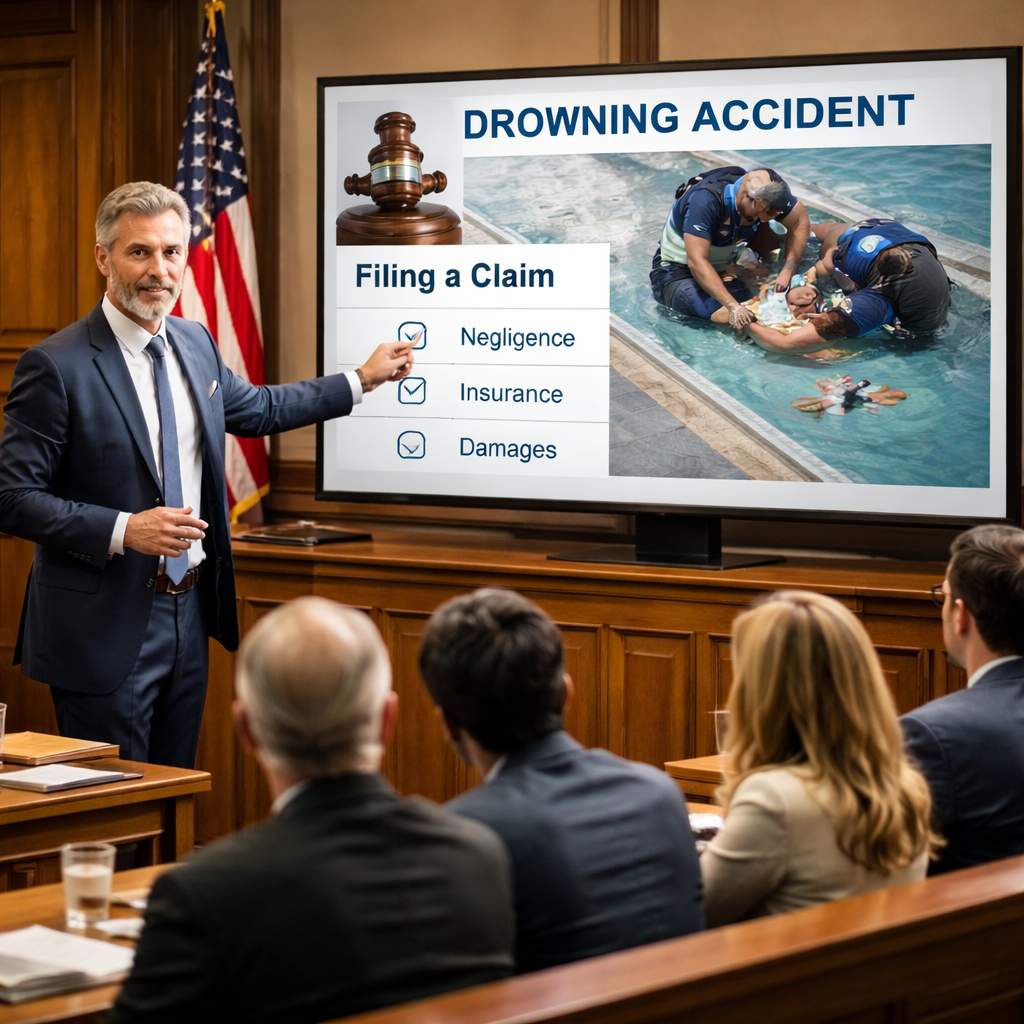
With a solid liability case, strong evidence, and a clear damages estimate, you’re ready to file. The first document is usually a complaint that names all potentially liable parties and outlines the legal theories, premises liability, negligent supervision, and wrongful death where applicable.
After filing, the other side will respond with a motion to dismiss or a settlement offer. Most cases settle before trial because both parties want to avoid the cost and uncertainty of a courtroom.
Here’s what the timeline often looks like:
| Stage | Typical Time Frame |
|---|---|
| Complaint filed | 1‑2 weeks |
| Defendant’s answer | 30 days |
| Discovery (exchange of evidence) | 2‑4 months |
| Settlement negotiations | 1‑6 months |
| Trial (if needed) | 6‑12 months after filing |
During discovery, your lawyer will request medical records, maintenance logs, and any surveillance footage. Expect to sign a few affidavits and possibly be deposed. Stay organized; missing a deadline can hurt your case.
Insurance companies often try to settle early with a lowball offer. That’s why having a skilled drowning accident lawyer negotiate is crucial. They can use the evidence you gathered to push for a fair figure that covers both current and future needs.
Pros of a well‑managed claim process:
- Clear milestones keep you informed.
- Negotiated settlements can close the case in months, not years.
- Legal safeguards protect you from creditor claims on any award.
Cons if you go it alone or with an inexperienced lawyer:
- Missed filing deadlines can lead to dismissal.
- Settlements may be far below what you’re entitled to.
- Emotional stress can mount as you navigate court paperwork.
The Texas Timely Billing Law article notes that medical billing timelines can affect how quickly you receive reimbursements (source). Keeping track of those dates helps your lawyer claim all available expenses.
Tor Hoerman’s guide also stresses that “each drowning case is unique” and that a lawyer will tailor the strategy to the specific facts of the incident (source). That personalized approach is what separates a generic claim from a well‑crafted lawsuit.
FAQ
What should I look for when choosing a drowning accident lawyer?
Look for a lawyer with proven experience in water‑related premises liability, board certification in personal injury, and a transparent contingency fee. Ask about past settlements, the experts they work with, and how quickly they return calls. A good lawyer will break down the legal steps in plain language and give you a realistic range of compensation.
How long do I have to file a drowning lawsuit?
Each state sets a statute of limitations, typically two to four years from the date of the incident. In Florida, you generally have four years for wrongful‑death claims and two years for personal‑injury claims. Acting quickly preserves evidence and prevents the deadline from slipping.
Can I still recover if I was partly at fault?
Yes. Florida follows a pure comparative fault rule, meaning you can recover damages even if you are 99% at fault, though your award will be reduced by your share of responsibility. The key is to prove the property owner’s negligence was a substantial factor.
What types of damages can I claim?
You can claim economic damages like medical bills, lost wages, and funeral costs, as well as non‑economic damages for pain, suffering, and loss of companionship. If the victim survives, future care costs and rehabilitation expenses are also included.
Do I need to hire a lawyer before I gather evidence?
While you can start collecting evidence on your own, photos, witness statements, and medical records, a drowning accident lawyer can guide you to ensure you don’t miss critical items. Early legal advice also helps you avoid saying anything that could be used against you later.
How does a settlement differ from a trial award?
A settlement is a negotiated agreement between you and the defendant, often reached before trial. It can be faster and less stressful but may be lower than a jury award. A trial award is decided by a judge or jury after a full hearing; it can be higher but involves more time, cost, and uncertainty.
Conclusion
Choosing the right drowning accident lawyer is about more than just a name on a website. It’s about finding someone who gets the specific safety rules that apply to pools, beaches, and water parks, who can turn a broken gate or missing lifeguard into a winning claim, and who will fight for the full compensation your family deserves. By assessing liability, gathering solid evidence, calculating every dollar of loss, vetting attorneys carefully, and understanding the filing process, you set yourself up for a stronger outcome.
If you’re ready to take the next step, reach out for a free case review today. A dedicated drowning accident lawyer will walk you through each stage, keep you informed, and work tirelessly to protect your rights. Start your free consultation now and secure the justice your loved one deserves.