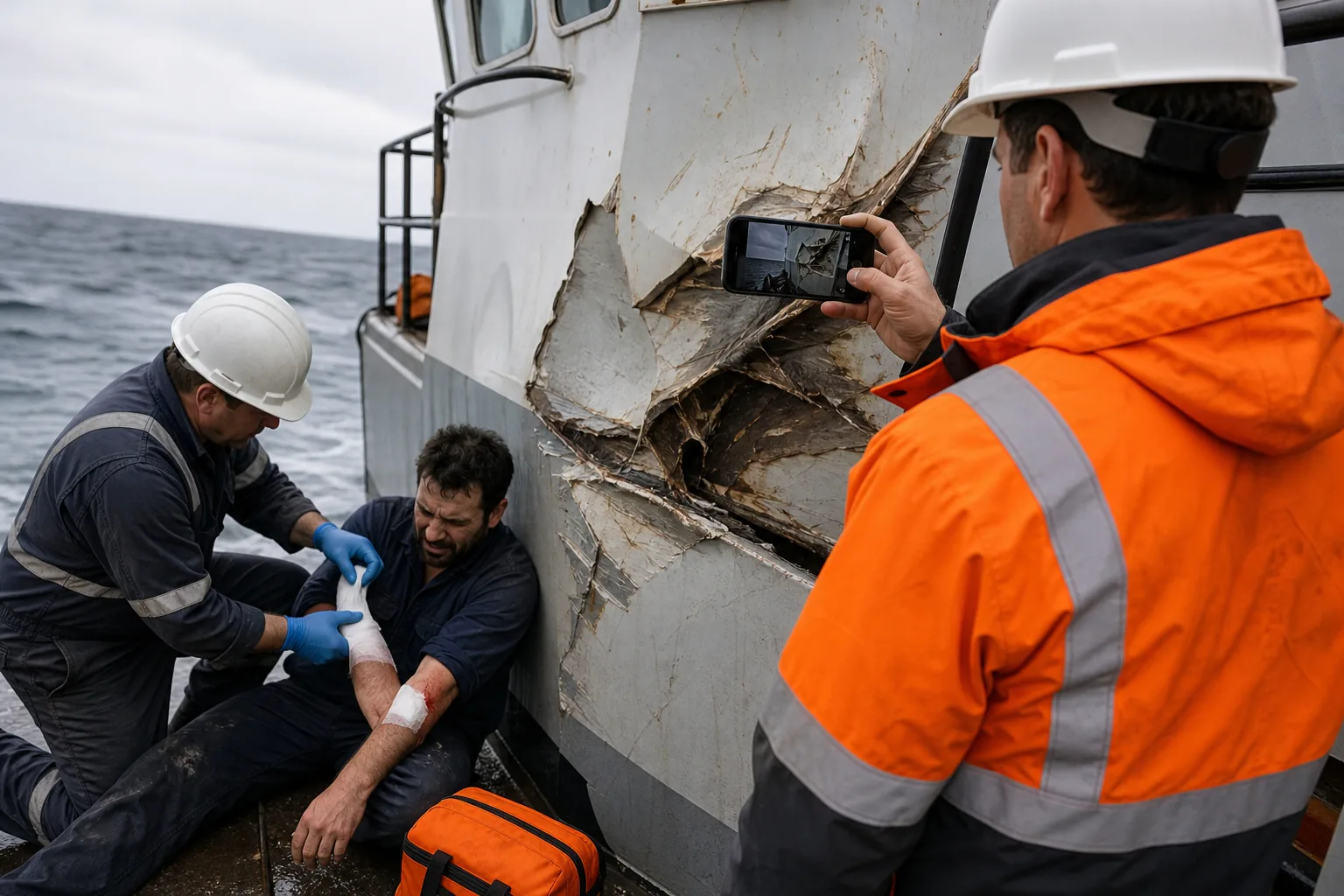
Diving Accident Lawyer: Essential Resources (2026)
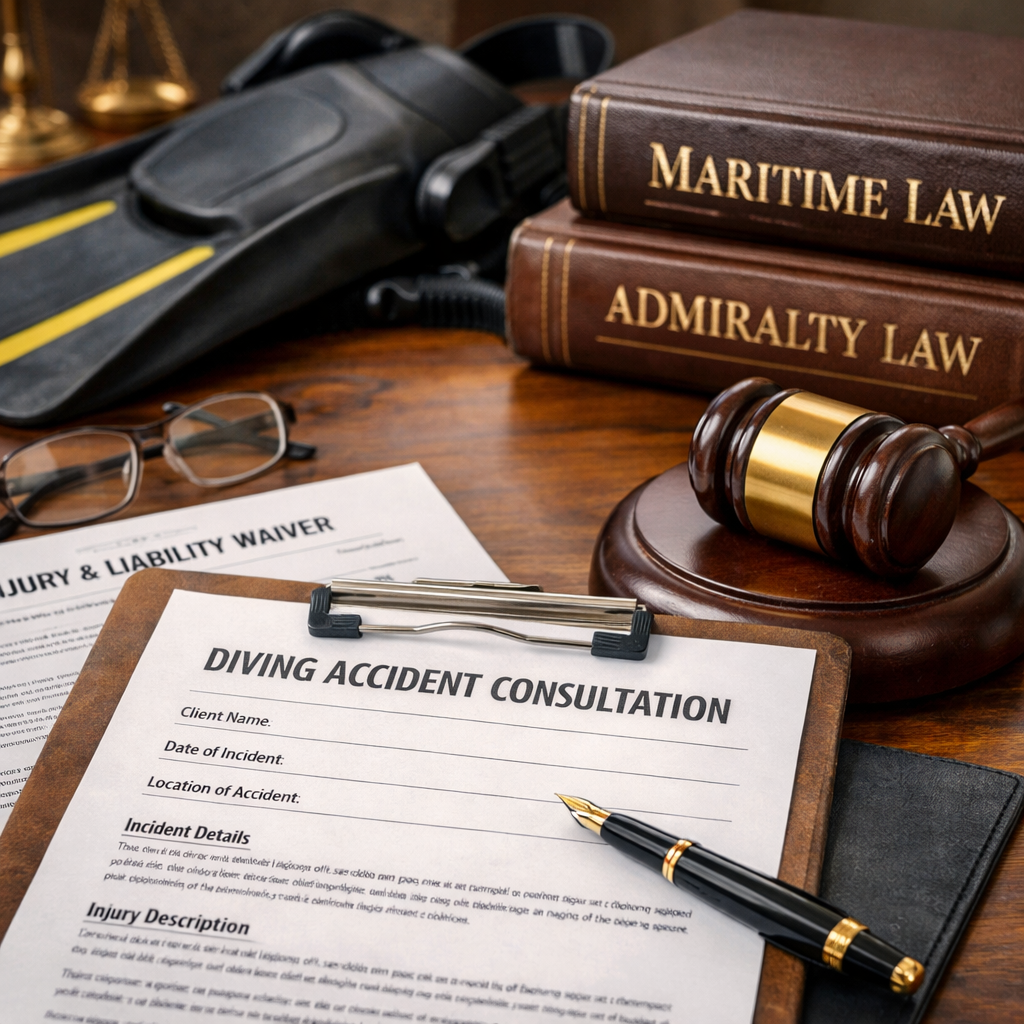
If you or someone you love gets hurt while scuba diving, the world can flip upside down. One minute you're exploring a coral reef. The next minute you're in a hospital bed. Medical bills pile up. You miss work. You might not be able to dive again. It's a lot to handle alone.
This guide is here to help. You'll learn exactly what kinds of diving accidents happen, how to pick a strong diving accident lawyer, what questions to ask them, what money you can recover, and where to find help. By the end, you'll know your next move.
Let's start with the accidents themselves.
Types of Diving Accidents and Legal Implications
Not all diving accidents are the same. The type of accident changes who's at fault and what you can claim. Let's break down the most common ones.
Decompression Sickness (The Bends)
When you rise too fast, nitrogen bubbles form in your blood. That's decompression sickness. It can cause joint pain, paralysis, or death. If a dive operator pushed you to go deeper than your training allowed or ignored required safety stops, they might be negligent.
Equipment Failure
A faulty regulator. A leaky tank. A broken BCD. If the gear you rented from a dive shop fails and hurts you, the shop or the manufacturer could be on the hook. Product liability laws apply here.
Boat Strikes
Divers surface and get hit by a passing boat. This happens more than you think. The boat operator must watch for dive flags. If they don't, they're negligent. According to maritime injury attorney Keith Brais, Florida law requires vessel operators to act safely around divers, like car drivers around pedestrians.
Inadequate Supervision or Training
A dive instructor sends you into a cave without telling you the risks. Or they don't check your air gauge. If they fail in their duty to keep you safe, you can sue. The Jones Act under maritime law protects commercial divers, but recreational divers also have rights under general negligence law.
Poor Weather or Water Conditions
Dive operators must check the forecast. If they take a group out in rough seas or strong currents and someone gets hurt, that's on them.
| Accident Type | Likely At-Fault Party | Key Legal Angle |
|---|---|---|
| Decompression sickness | Dive operator, instructor | Negligent dive planning |
| Equipment failure | Dive shop, manufacturer | Product liability |
| Boat strike | Boat operator, owner | Negligent operation, maritime law |
| Inadequate supervision | Instructor, dive company | Failure to train or warn |
| Poor conditions | Dive operator | Failure to cancel unsafe dive |
Bottom line: Your case starts with what went wrong , the accident type points you to who should pay.
How to Choose the Right Diving Accident Lawyer
Picking a lawyer isn't like picking a restaurant. You can't just go by stars. You need someone who knows diving and maritime law inside out. Here's what to look for.
Look for Maritime Law Experience
A general personal injury lawyer might not know the Jones Act, the Longshore and Harbor Workers' Compensation Act, or admiralty jurisdiction. You need a specialist. As The Young Firm explains, maritime law is complex , you wouldn't ask a foot doctor for heart surgery. A diving accident lawyer who focuses on maritime cases knows the ropes.
Check Their Diving Knowledge
Ideally, your attorney dives too. They understand dive tables, decompression stops, and equipment. Keith Brais, for example, is a PADI-certified diver and marine engineer. That firsthand knowledge helps them spot issues a land-based lawyer would miss.
Look at Track Record and Trial Experience
Do they have courtroom experience? Insurance companies love lawyers who settle cheap. A firm that's tried cases and won big verdicts (like the $1.1 million propeller strike recovery mentioned by Brais Law Firm) shows they're willing to fight.
Check Resources and Staff
Maritime cases cost money to build. You need experts , medical, economic, diving safety. A firm with deep pockets and a strong support team can front those costs. Ask if they have an experienced staff to handle depositions and document gathering.
Read Reviews and Get Referrals
Check AVVO, Martindale-Hubbell ratings, and client testimonials. Also, see if other lawyers refer cases to them. That's a strong vote of confidence.
Free Consultation and Contingency Fees
Most diving accident lawyers offer a free first meeting. They work on contingency , you pay nothing unless you win. Use that free consult to vet them.
Bottom line: Choose a diving accident lawyer who specializes in maritime law, has diving experience, and has a proven record in court.
Key Questions to Ask a Diving Accident Lawyer
You've got a few lawyers on your shortlist. Now grill them. These questions will separate the experts from the wannabes.
- How many diving accident cases have you handled? You want someone who's done this before, not a rookie. A firm that handles 50+ maritime cases a year is ideal.
- Are you familiar with hyperbaric medicine and decompression illness? Medical proof is key. Your lawyer should know the best specialists and how to work with them.
- Will you handle my case personally, or hand it off to a junior associate? Big firms sometimes pass cases down. Make sure the experienced attorney stays involved.
- What's the estimated value of my case? They can't give an exact number, but they should be able to ballpark it. If they dodge, be wary.
- How long will it take? Diving accident lawsuits can take months or years. Know what you're signing up for.
- What evidence do you need from me? A good lawyer will ask for dive logs, medical records, photos, and witness names. If they don't ask, they're not thorough.
- Have you taken cases to trial? Insurance companies respect lawyers who aren't afraid of a jury. Trial experience is a big plus.
Ask these questions in your free consultation. Write down their answers. Compare them side by side.
Bottom line: The best diving accident lawyer earns your trust by answering tough questions about experience, strategy, and past results.
Understanding Damages in Diving Accident Cases
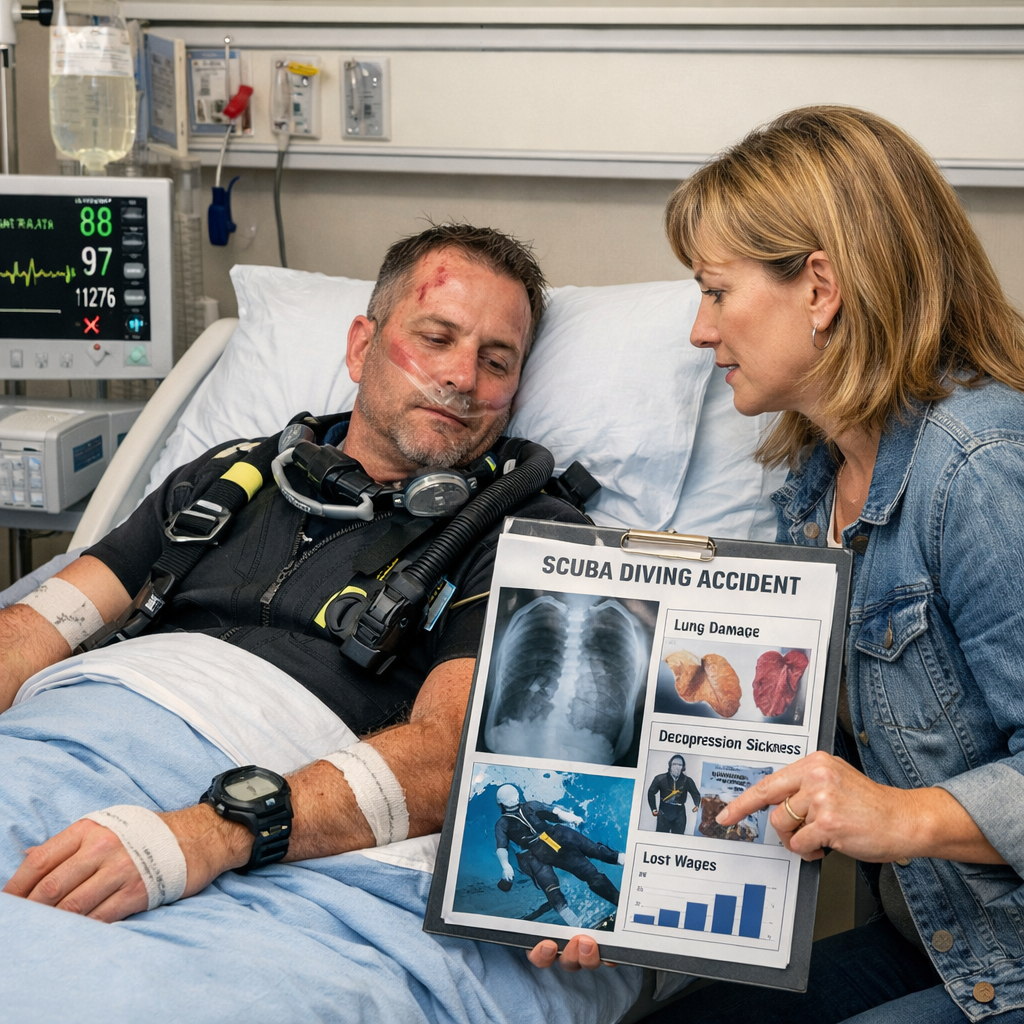
If you win your case, what do you get? Compensation is called "damages." They come in two flavors: economic and non-economic.
Economic Damages (Hard Costs)
- Medical bills: hospital stays, surgeries, hyperbaric treatments, therapy
- Future medical expenses: ongoing care, rehab, equipment
- Lost income: time off work, reduced earning capacity
- Travel costs: getting to doctors, even moving for treatment
- Out-of-pocket costs: prescriptions, home modifications
Non-Economic Damages (Pain and Suffering)
- Physical pain and emotional distress
- Loss of enjoyment of life (no more diving, limited activities)
- Loss of consortium (effects on your relationship with your spouse)
Punitive Damages
Rare. These punish the defendant for gross negligence or recklessness , like a dive company that ignored repeated safety violations. They can be huge.
Wrongful Death Damages
If a loved one died in a diving accident, families can claim funeral expenses, loss of income, loss of companionship, and more. Ged Lawyers notes that most states give only a couple of years to file a wrongful death claim.
Don't accept a quick settlement from the insurance company. They'll offer you a lowball number to close your case forever. A good diving accident lawyer will calculate your full losses, including future impact.
Bottom line: Damages in diving accident cases cover your medical bills, lost income, pain, and sometimes punitive amounts , never settle without a full assessment.
Resources for Diving Accident Victims
Beyond a lawyer, you need support. Here are key resources every victim should know.
Dive Emergency Action Plans
Many dive operators have emergency action plans. Hawaii Pacific University's PDF is a great example. It outlines steps for accidents: calling 911, providing oxygen, finding a hyperbaric chamber. Know this before you dive.
Hyperbaric Oxygen Therapy (HBOT) Chambers
For decompression sickness, you need recompression quickly. The Divers Alert Network (DAN) has a worldwide directory of chambers. Wikipedia notes DAN also offers insurance and emergency hotline services. Call them right after the accident.
Medical Specialists
Not every doctor understands diving medicine. Find a physician board-certified in undersea and hyperbaric medicine. Your lawyer can help locate one.
Government Agencies
- U.S. Coast Guard: investigates boating and commercial diving accidents.
- Occupational Safety and Health Administration (OSHA): for commercial divers, handles safety violations.
- State Workers' Compensation Boards: if you were a commercial diver, you may qualify for state-based benefits.
Legal Aid and Pro Bono Services
If you can't afford a lawyer upfront, look for legal aid groups that handle maritime cases. Some law firms offer free consultations and work on contingency, so you don't pay until you win.
Peer Support Groups
Online forums like DeeperBlue.com or local dive clubs can connect you with other accident survivors. Sharing stories helps with emotional recovery.
Bottom line: From hyperbaric chambers to legal aid, these resources give diving accident victims a full support network.
Frequently Asked Questions
What should I do immediately after a diving accident?
First, get medical help. Call 911 or go to the nearest emergency room. If you suspect decompression sickness, ask for a hyperbaric chamber. Second, preserve evidence: keep your dive log, equipment, and photos. Third, don't give a statement to the dive company or insurance adjuster without a lawyer present. Fourth, call a diving accident lawyer as soon as possible to protect your rights.
How long do I have to file a diving accident lawsuit?
Most states allow one to three years from the date of the accident to file a personal injury claim. Wrongful death cases have similar deadlines. Maritime cases under the Jones Act have a three-year statute of limitations. The exact time depends on your state and whether your case falls under federal maritime law. Missing the deadline means you lose your right to sue. Contact a diving accident lawyer immediately to be safe.
Can I sue if I signed a waiver before diving?
Yes, in many cases. Waivers are not absolute. They don't protect a dive company from gross negligence, intentional harm, or failing to provide safe equipment. Courts often find waivers unenforceable if the company's actions caused your injury. A diving accident lawyer can review the waiver and advise if it blocks your claim. Never assume a waiver ends your case.
What if I was diving as part of my job (commercial diver)?
Commercial divers have strong protections under the Jones Act and the Longshore and Harbor Workers' Compensation Act. You can claim maintenance (living expenses) and cure (medical costs) immediately. You can also sue your employer for negligence, including inadequate training or unsafe conditions. A diving accident lawyer who understands commercial diving law is essential. Don't let your employer's insurer pressure you into a settlement.
How much does a diving accident lawyer cost?
Most diving accident lawyers work on a contingency fee basis. That means you pay nothing upfront. They take a percentage of your settlement or court award , usually between 33% and 40%. If you lose, you pay nothing. Always ask about fees and costs before signing. Some firms also charge for expenses like expert witnesses, but many cover those upfront too.
What compensation can I get for a diving accident?
You can recover medical expenses (past and future), lost wages, loss of future earning capacity, pain and suffering, and in some cases punitive damages. If a loved one died, funeral costs and loss of companionship may be included. The amount depends on the severity of your injury and the fault involved. A diving accident lawyer can estimate your case's value after reviewing your medical records and lost income.
Do I need a lawyer if the insurance company offers me a settlement?
Yes, absolutely. Insurance companies are not on your side. They want to pay as little as possible. Their first offer is almost always too low. It may not cover your future medical needs or lost wages. Once you accept a settlement, you can't ask for more later. A diving accident lawyer will negotiate for a fair amount and can tell you if the offer is reasonable.
Can I sue multiple parties for a diving accident?
Yes. You might sue the dive operator, the instructor, the boat operator, the equipment manufacturer, and even another diver depending on who was at fault. Each party's insurance may contribute to your compensation. A skilled diving accident lawyer will identify all liable parties and pursue claims against each one to maximize your recovery.
Conclusion
Diving accidents are scary. They hurt your body, your wallet, and your peace of mind. But you don't have to face the aftermath alone. A good diving accident lawyer can guide you through the legal maze, fight insurance companies, and get you the money you need to recover.
Remember the key steps: understand what type of accident happened, pick a lawyer with real maritime and diving experience, ask tough questions, know what damages you can claim, and lean on resources like hyperbaric chambers and support groups. Don't delay , statutes of limitations are short, and evidence fades.
Your next move is simple. Schedule a free consultation with a diving accident lawyer who knows this area cold. Bring your questions. Trust your gut. If they don't inspire confidence, keep looking. The right attorney will make all the difference between a lowball offer and full compensation.
Take action today. Your health and your future are worth it.