Deepwater Horizon Lawsuit: Key Facts & Legal Outcomes
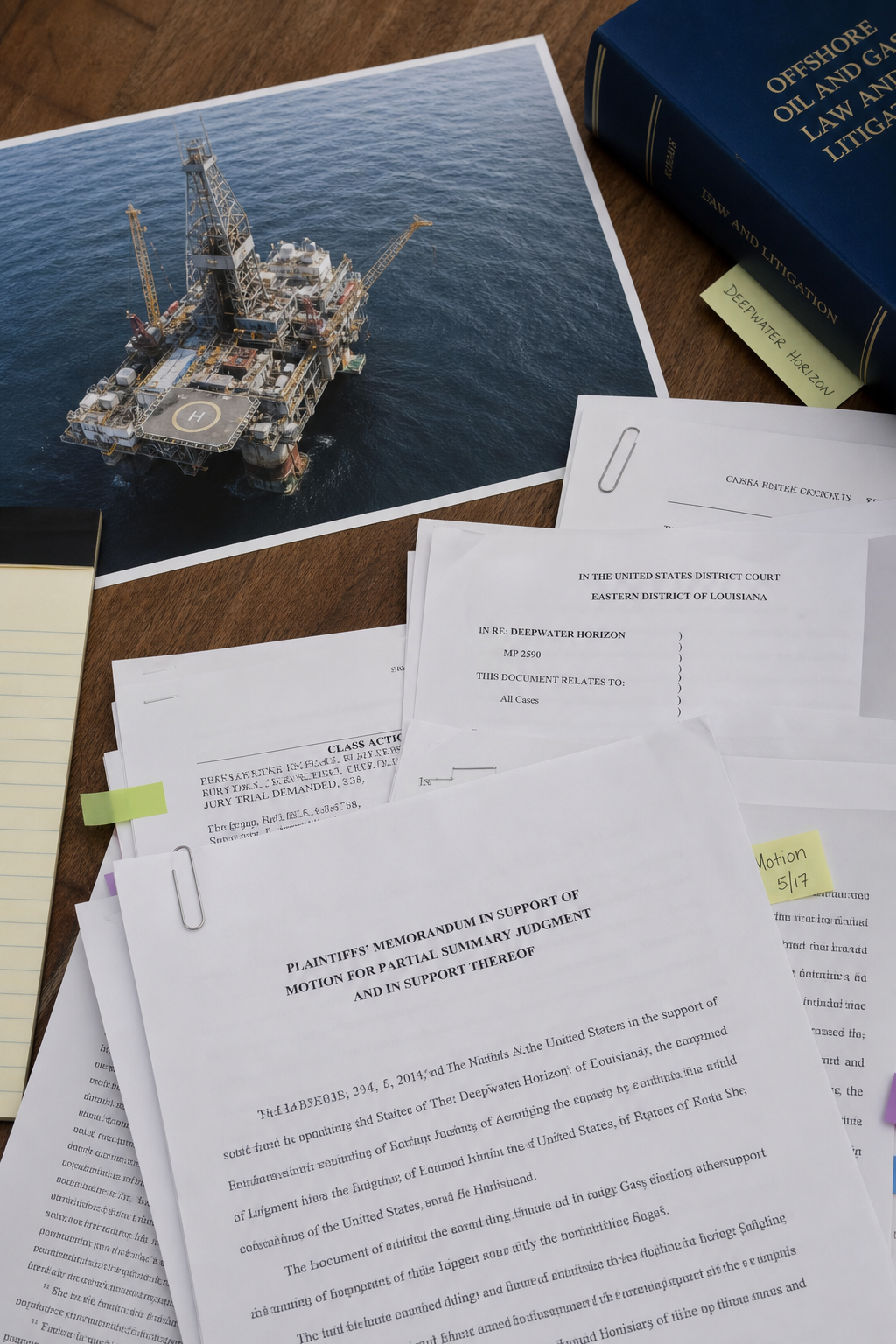
The Deepwater Horizon oil spill was the worst environmental disaster in U.S. history. Eleven people died. Millions of barrels of oil poured into the Gulf of Mexico. The legal fight that followed changed how companies are held accountable for offshore accidents.
In this guide, you will learn about the Deepwater Horizon lawsuit from start to finish. We cover who was sued, how much money changed hands, and what the court rulings mean for future spills. You will also see how victims got compensation and what the case means for offshore workers today.
Let us start with what happened on that rig.
The Deepwater Horizon Oil Spill: Background
On April 20, 2010, an explosion ripped through the Deepwater Horizon drilling rig. The rig was owned by Transocean and leased by BP. It sat about 41 miles off the coast of Louisiana. The well was called Macondo. A surge of natural gas blasted through a concrete seal that was too weak. The gas ignited. Eleven workers died. Seventeen were hurt. The rig sank two days later.
Oil began to leak from the broken well. At first, BP said about 1,000 barrels per day. But the real number was much higher. U.S. government officials later estimated the flow peaked at more than 60,000 barrels per day. Over 87 days, nearly 134 million gallons of oil spilled into the Gulf. It became the largest marine oil spill in history.
Cleanup efforts were massive. BP tried a containment dome, but gas hydrates blocked it. They tried a "top kill" by pumping heavy mud into the well. That failed too. Finally, in July, they placed a cap over the broken blowout preventer. By August, they pumped cement through a relief well to seal the leak for good. The well was declared dead in September 2010.
The spill harmed thousands of miles of coastline. Birds, sea turtles, dolphins, and fish died in huge numbers. Up to 105,400 birds may have perished. The fishing and tourism industries took a heavy hit. According to Encyclopædia Britannica, the spill fouled shores from Texas to Florida.
Bottom line: The Deepwater Horizon oil spill caused catastrophic environmental and economic damage, setting the stage for one of the most complex lawsuits in American history.
Legal Actions and Key Parties
Lawsuits started almost immediately. By May 2010, Transocean said it was a defendant in 120 lawsuits. Over 130 suits were filed against BP, Transocean, Halliburton, and Cameron International. Many were class actions from fishermen, hotel owners, and restaurants. The cases were combined into one multidistrict litigation in New Orleans. Judge Carl Barbier oversaw all of them.
The federal government got involved fast. In December 2010, the Department of Justice sued BP and its partners under the Clean Water Act. They also filed criminal charges. The government said BP was grossly negligent. BP said the spill was a tragic accident. The difference mattered: gross negligence meant four times the civil fines.
Key parties included:
| Party | Role | Liability Found |
|---|---|---|
| BP | Operator of the well | Gross negligence (67% at fault) |
| Transocean | Owner of the rig | Negligence (30% at fault) |
| Halliburton | Cement contractor | Negligence (3% at fault) |
| Cameron International | Blowout preventer maker | Settled separately |
| Anadarko | Minority well owner | Settled for $159.5 million |
In 2012, BP pleaded guilty to 14 criminal charges. They included 11 counts of felony manslaughter. BP agreed to pay $4 billion in criminal fines, a record at the time. Transocean also pleaded guilty and paid $1 billion in civil penalties plus $400 million criminal. Halliburton admitted to destroying evidence and paid a $200,000 penalty.
The trial to decide blame under the Clean Water Act took place in 2013-2015. Phase I ruled BP was grossly negligent and 67% at fault. Phase II set the amount of oil at 3.19 million barrels. Phase III determined penalties. The ruling opened the door for up to $18 billion in additional fines.
Bottom line: The Deepwater Horizon lawsuit named multiple companies, with BP found grossly negligent and facing billions in criminal and civil penalties.
Settlements and Compensation
The largest settlement in environmental history came in 2016. Judge Barbier approved a $20.8 billion deal between BP, the federal government, and five Gulf states. It resolved all civil Clean Water Act claims and natural resource damage claims. BP also paid for private claims.
Breakdown of the $20.8 billion:
- $5.5 billion for Clean Water Act civil penalties
- $8.8 billion for natural resource restoration
- $4.4 billion for economic damages to Gulf states
- $1 billion for early restoration projects
- $700 million for unknown future damages
- Remainder for administrative costs and interest
Private claims were separate. BP set up a claims facility that paid out about $6.2 billion to over 220,000 individuals and businesses. Later, a court-supervised program handled additional claims. BP's total cost estimate reached $61.6 billion in 2016, including cleanup.
The Oil Spill Liability Trust Fund received $1.33 billion from the fines. The RESTORE Act directed 80% of civil penalties to a Gulf restoration trust fund. As detailed by NOAA, the money funds projects like wetland restoration, sea turtle recovery, and water quality improvement.
Bottom line: The Deepwater Horizon lawsuit led to a $20.8 billion settlement, the largest environmental settlement in history, plus billions more in private claims and criminal fines.
Environmental Impact and Legal Liability
The spill caused huge damage to the Gulf ecosystem. Oil coated wetlands and beaches. It smothered corals on the seafloor. Fish and wildlife died in massive numbers. A study said up to 8.3 billion oysters were lost. Dolphins in Barataria Bay dropped 51% from pre-spill levels.
Under the Oil Pollution Act, responsible parties must pay for restoring natural resources. The Deepwater Horizon Natural Resource Damage Assessment (NRDA) was the largest ever. Trustees from five states and four federal agencies conducted studies. They found injuries to birds, sea turtles, marine mammals, fish, and habitats.
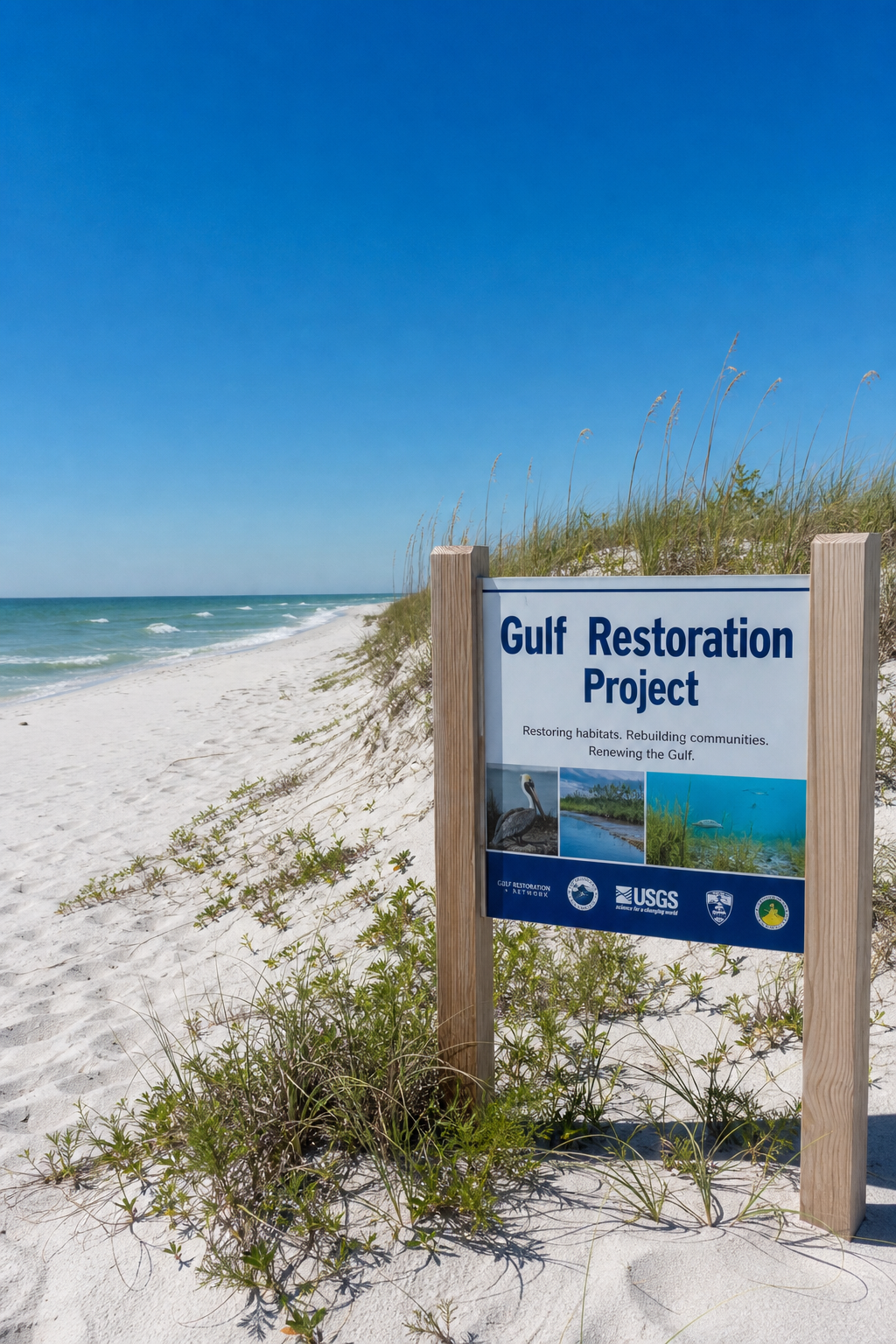
The $8.8 billion NRDA settlement funds projects to restore the Gulf. Goals include restoring habitat, improving water quality, replenishing fish and wildlife, and enhancing recreation. The Department of the Interior oversaw much of the assessment. Early restoration projects started in 2011 with $1 billion from BP.
"The Deepwater Horizon oil spill was the worst environmental disaster in our nation's history. The settlement holds BP accountable and provides billions for restoration." , Department of the Interior
Bottom line: The spill's environmental effects were devastating, and the resulting legal liability forced BP to fund the largest natural resource restoration effort ever.
Key Court Rulings and Appeals
The road through court was long. Phase I of the trial ended in September 2014. Judge Barbier ruled BP was grossly negligent. That meant BP faced up to $13.7 billion in Clean Water Act fines. Appeal attempts failed. The Supreme Court refused to hear BP's case in 2015.
Phase II set the oil discharge at 3.19 million barrels. BP had argued 2.45 million. That ruling locked in a higher fine. Phase III determined the final penalty: $5.5 billion. The court also found that BP had not cooperated fully.
Individual criminal cases were mixed. Kurt Mix, a former BP engineer, was charged with deleting texts about flow rates. He was convicted but later got a retrial and pleaded to a misdemeanor. Two rig supervisors, Robert Kaluza and Donald Vidrine, faced manslaughter charges. Those were dropped. Vidrine pleaded guilty to a Clean Water Act violation and got probation. None of the individuals went to prison.
BP also appealed the settlement terms for private claims. In 2014, the Supreme Court rejected BP's challenge to the class action settlement. That cleared the way for billions in payouts to businesses.
Bottom line: Key rulings in the Deepwater Horizon lawsuit found BP grossly negligent, fixed the oil volume at 3.19 million barrels, and upheld the massive settlement despite appeals.
Frequently Asked Questions
What was the Deepwater Horizon lawsuit about?
The Deepwater Horizon lawsuit was a group of civil and criminal cases against BP, Transocean, Halliburton, and others for the 2010 oil spill in the Gulf of Mexico. The suits sought money for cleanup, natural resource damage, economic losses, and deaths. The government also sought fines under the Clean Water Act.
How much did BP pay in the Deepwater Horizon lawsuit?
BP paid over $20.8 billion in the final settlement with the government and states. Additionally, BP paid about $4 billion in criminal fines, $6.2 billion to private claimants, and cleanup costs. Total cost estimates exceed $61.6 billion, making it one of the most expensive corporate disasters in history.
Who was found responsible in the Deepwater Horizon lawsuit?
BP was found grossly negligent and 67% at fault. Transocean was found negligent (30% fault) and Halliburton negligent (3% fault). Other companies like Cameron International and Anadarko settled separately. The findings meant BP faced higher penalties under the Clean Water Act.
Did anyone go to jail for the Deepwater Horizon spill?
No individuals served prison time. The highest-level charges were manslaughter, but prosecutors dropped them against two rig supervisors. One engineer pleaded guilty to a misdemeanor. Many criticized the lack of personal accountability. The companies paid billions, but no one was incarcerated.
How did the Deepwater Horizon lawsuit affect offshore drilling?
The case led to stricter safety rules for offshore drilling. The Bureau of Ocean Energy Management was created to replace the old Minerals Management Service. New regulations required blowout preventer testing and emergency response plans. The lawsuit also made companies more careful about liability.
Can I still claim compensation from the Deepwater Horizon lawsuit?
Most deadlines have passed for private claims. The court-supervised settlement program closed in 2016. However, some medical claims may still be covered until 2031 for certain conditions. If you believe you have a claim, talk to a lawyer immediately.
What was the largest settlement in the Deepwater Horizon lawsuit?
The largest was the $20.8 billion consent decree with BP, the federal government, and five Gulf states. It covered Clean Water Act fines, natural resource damages, and economic losses. It is the largest environmental settlement in U.S. history.
How did the Deepwater Horizon lawsuit help the environment?
The lawsuit directed billions to restoration. Projects include rebuilding wetlands, restocking oysters, protecting sea turtles, and improving water quality. The Gulf Coast Ecosystem Restoration Trust Fund has funded hundreds of projects. The NRDA settlement also provides long-term monitoring.
Conclusion
The Deepwater Horizon lawsuit was a legal battle of unmatched scale. It spanned six years, involved dozens of parties, and resulted in over $60 billion in costs. The lessons from this case are clear: offshore drilling carries huge risks, and companies must be prepared for the consequences.
For victims, the case showed that justice can be slow but possible. Claims processes helped thousands of businesses and individuals recover some losses. However, the lack of jail time for executives left many feeling the legal system did not go far enough.
If you work offshore and get hurt, the legal lessons from Deepwater Horizon matter. Maritime law is complex. You need someone who understands it. The best step is to speak with a lawyer who knows offshore injury cases. They can help you understand your rights and get the compensation you deserve.
For a deeper look at how offshore injury lawyers can help, on Oil Rig Injury Lawyer: A Complete 2026 Guide to Your Rights and Compensation.
The Deepwater Horizon spill changed the industry. It also changed the law. Anyone working on or near the water should know what happened and what it means for them. Stay informed. Stay safe.