Best Commercial Fishing Injury Lawyer Guide 2026
Every year, a fisherman dies every 13 days.If you or a loved one gets hurt on a fishing boat, you need a plan. This guide shows you what injuries look like, what laws protect you, and how to pick a commercial fishing injury lawyer who will fight for you.
We’ll walk through the most common injuries, the legal tools you can use, the resources that can help, and the exact steps you should take after a crash. By the end, you’ll know how to protect your rights and get the compensation you deserve.
Types of Commercial Fishing Injuries and Legal Protections
Commercial fishing is one of the most dangerous jobs in the U.S. The fatality rate is 128 per 100,000 workers, while the national average is four. That gap tells you how risky the work is.
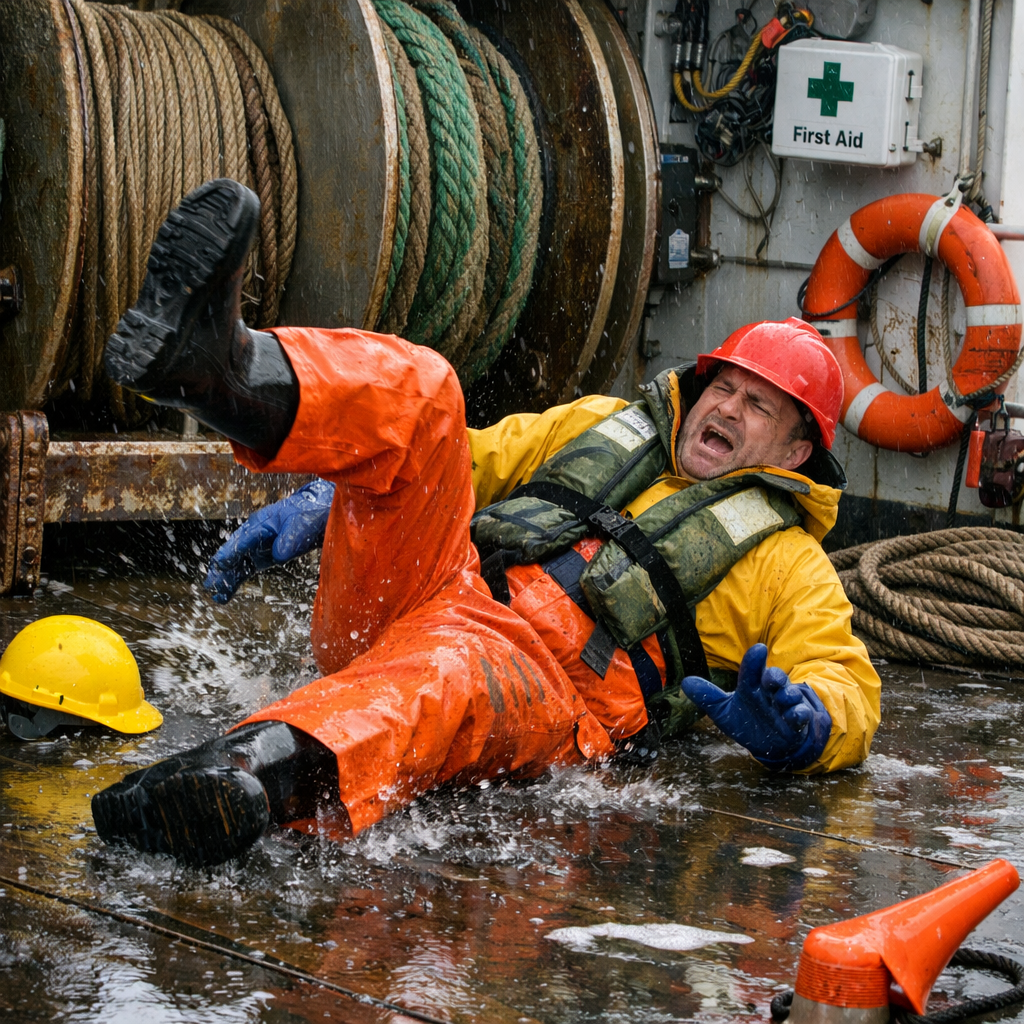
Injuries fall into three big buckets: falls, machinery accidents, and drowning. Falls happen when crew members slip on wet decks or lose balance on ladders. Machinery accidents involve winches, trawlers, and processing gear that can crush limbs. Drowning is the leading cause of death, often after a fall overboard or a capsizing.
Here’s a quick look at each type:
- Falls from heights, broken bones, spinal injuries, brain trauma.
- Machinery injuries, amputations, crushed fingers, eye injuries from debris.
- Drowning, can occur after a slip, a wave, or a faulty safety line.
These injuries aren’t just accidents; they’re covered by federal maritime law. The Jones Act, passed in 1920, lets seamen sue their employers for negligence. It works like the railroad workers’ law, but for the sea.
On top of the Jones Act, you get “maintenance and cure.” That means the employer must pay for your living costs and all medical bills while you recover. You don’t have to prove fault to get those benefits.
Between 1994 and 2004, 54% of severe injuries were amputations caused by machinery. That number shows why safety gear matters.
Why do these accidents happen? Rough weather, long shifts, and outdated gear. The National Institute for Occupational Safety and Health (NIOSH) found that Alaskan fishermen face “experience conditions” , the everyday hazards that make the job unsafe.
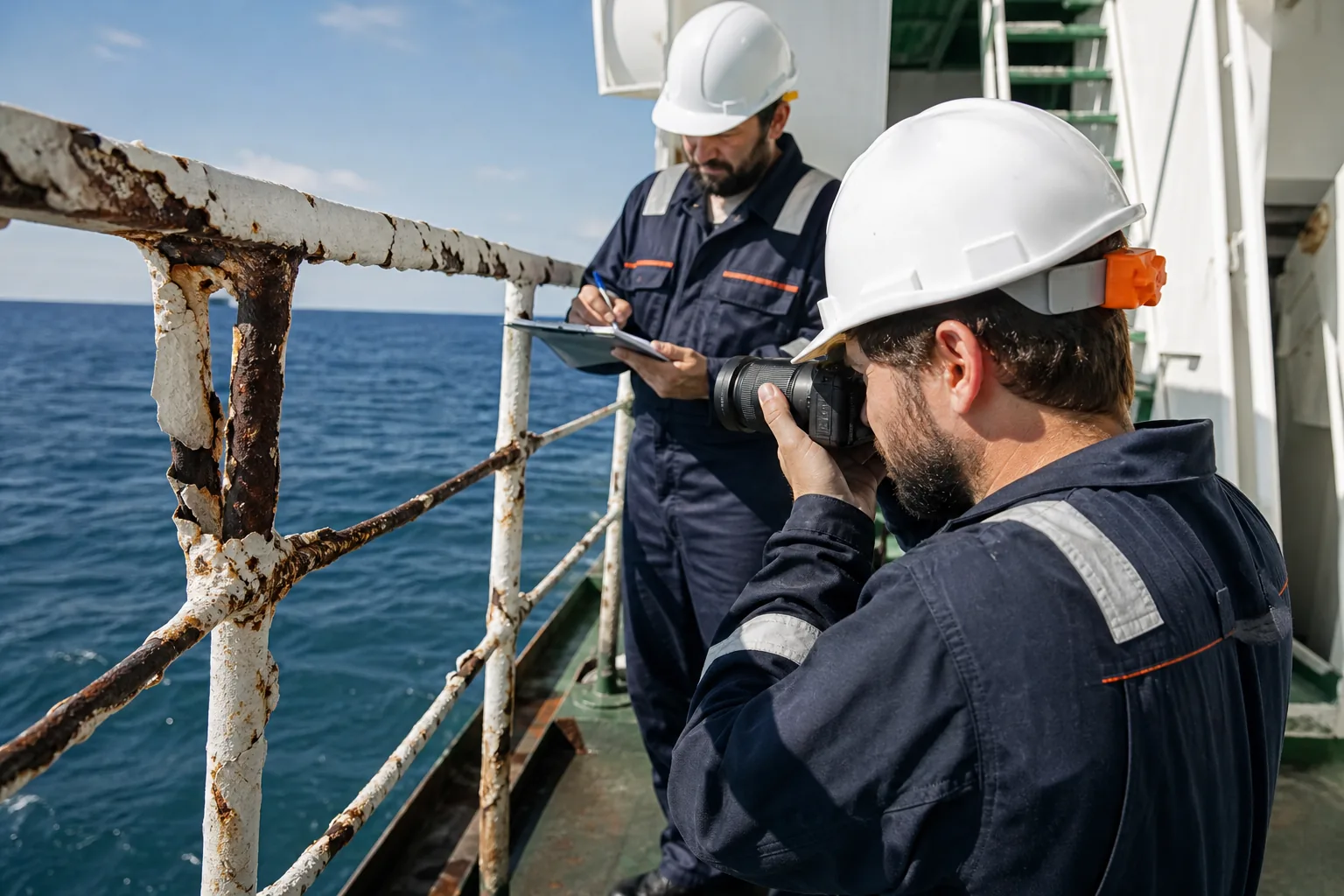
When a vessel is unseaworthy , for example, a broken railing or faulty engine , the owner can be held liable. The law says the ship must be safe, period. If it isn’t, you can sue for the full range of damages: medical costs, lost wages, pain and suffering, and even future earning loss.
Imagine you’re on a trawler and a winch snaps, crushing your hand. You get the injury, you get medical care, and the ship’s owner is forced to pay for the repair of the winch. You also get a claim for the lost time you can’t work.
Understanding these protections helps you see the value of a seasoned commercial fishing injury lawyer. The right attorney knows how to pull together the maintenance and cure record, the Jones Act claim, and the unseaworthy doctrine into a single, powerful case.
Bottom line:Know the injury type, know your legal rights, and let a qualified lawyer turn those rights into a claim.
Key Legal Resources for Injured Fishermen
When you’re hurt, the first thing you need is reliable information. The maritime legal world can feel like a maze, but a few core resources make it easier.
One must‑read source is the United States Maritime Law Center. It explains how the Jones Act, maintenance and cure, and the unseaworthy doctrine work together. Another helpful guide is the NIOSH report on Alaskan fishing safety; it breaks down the most common accident scenarios and offers prevention tips.
Beyond government reports, there are specialized law firms that have built libraries of case studies, FAQ sheets, and claim checklists. For example, a firm that handles claims against American Seafoods maintains a detailed guide on how to file a Jones Act claim when a crew member is injured on one of their vessels. That guide walks you through the paperwork, the timelines, and the evidence you’ll need.
Here are three resources you should bookmark right now:
- Federal Maritime Law overview , a clear summary of the Jones Act, maintenance and cure, and unseaworthy claims.
- NIOSH safety bulletin for Alaskan fishermen , includes statistics, safety checklists, and recommended gear.
- Law‑firm injury‑claim guide , step‑by‑step instructions for filing a claim against large fishing companies.
Each resource gives you a piece of the puzzle. Put them together, and you have a roadmap from injury to settlement.
Most firms also offer a free initial consultation. That call can give you a quick legal health check: are you eligible for maintenance and cure? Do you have a solid Jones Act claim?
When you talk to a lawyer, bring these documents:
- Incident report from the captain.
- Medical records and bills.
- Photos or video of the scene.
- Work schedule showing lost days.
Having that paperwork ready speeds up the claim and shows the attorney you’re serious.
Bottom line:Use government, safety, and firm‑generated guides to build a strong evidence base before you meet a lawyer.
What to Look For in a Commercial Fishing Injury Lawyer
Not every lawyer knows maritime law. You need someone who lives and breathes the Jones Act and related statutes.
First, check their specialty. A maritime personal injury lawyer should list the Jones Act, Longshore and Harbor Workers’ Compensation Act, and Death on the High Seas Act as core practice areas.
Second, look at experience. A lawyer who has handled dozens of fishing‑boat cases will recognize the nuances of vessel ownership, crew contracts, and equipment failure patterns.
Third, review results. While past wins don’t guarantee future ones, a track record of settlements in the six‑figure range shows the firm can negotiate with big insurers.
Fourth, assess communication. You’ll be dealing with medical records, ship logs, and possibly expert witnesses. A lawyer who returns calls quickly and explains terms in plain language will reduce stress.
Fifth, understand fees. Most reputable maritime lawyers work on contingency , they only get paid if you win. Make sure you get the fee schedule in writing.
Here’s a quick checklist you can use during a first call:
- Do they specialize in maritime law?
- How many fishing‑boat cases have they handled?
- What is their typical settlement range?
- How do they keep you updated?
- What is their fee structure?
When you find a lawyer that checks these boxes, you’ll feel more confident that they can handle the complex federal statutes.
Below is a short video that explains why a specialist matters more than a general personal‑injury attorney.
After watching, you’ll see how a maritime lawyer can pull together maintenance‑and‑cure benefits, Jones Act damages, and unseaworthy claims into a single, stronger case.
Our own team at Maritime injury lawyer guide follows this exact process, and we’ve helped dozens of fishermen get fair settlements.
"The best time to start building a claim was yesterday. Waiting only hurts your chances."
Bottom line:Choose a lawyer who specializes in maritime law, has proven results, communicates well, and works on contingency.
Questions to Ask Before Hiring a Maritime Attorney
Before you sign a retainer, you should fire off a set of clear questions. The answers will tell you if the lawyer is a good fit.
Here are eight questions you should ask:
- Do you handle commercial fishing cases under the Jones Act?
- How many fishing‑boat claims have you settled in the past three years?
- What is your typical fee arrangement? Do you work on contingency?
- Can you give me a timeline for a typical case from filing to settlement?
- What kind of evidence will you need from me?
- Do you work with medical experts and maritime safety consultants?
- How often will you update me on case progress?
- What are the potential risks if we go to trial?
Take notes during the call. A good lawyer will answer each question directly and give you a written summary.
Also, ask about the firm’s resources. Do they have a dedicated team that handles paperwork, or will you be talking to the same person for months?
Bottom line:Clear, direct answers signal a lawyer who will fight for you, not hide behind legal jargon.
Steps to Take After a Commercial Fishing Injury
The moments after an injury set the tone for the whole claim. Acting fast protects your health and your legal rights.
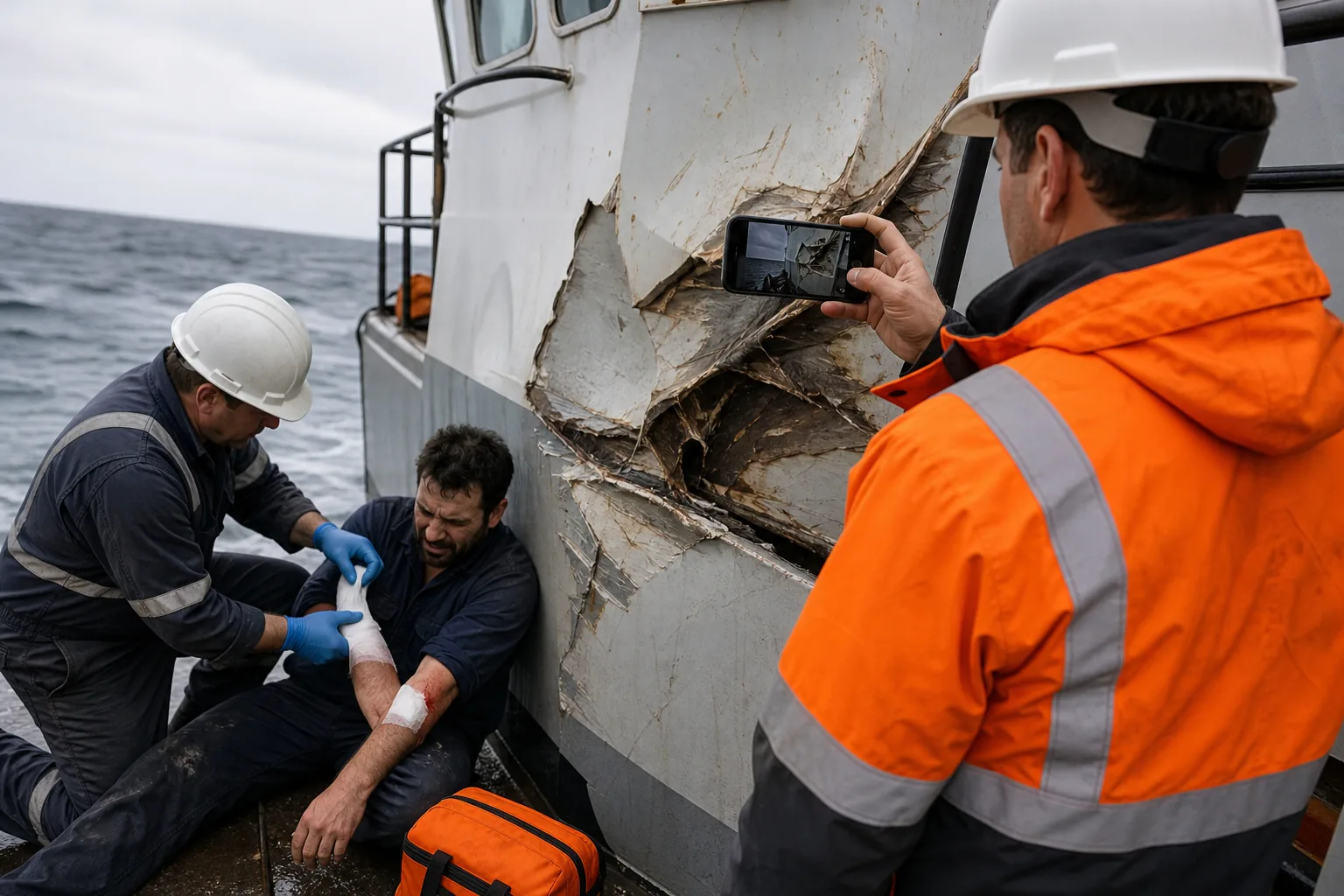
Step 1: Get medical help right away. Even if you feel fine, some injuries (like spinal damage) show up later. A prompt doctor’s report is key evidence.
Step 2: Notify the captain or supervisor. Ask for a written incident report and keep a copy for yourself.
Step 3: Document the scene. Take photos of the deck, the equipment involved, and any visible injuries. If you can, record a short video describing what happened.
Step 4: Preserve your work records. Keep pay stubs, shift schedules, and any communications about the injury. These prove lost wages and the impact on your earning capacity.
Step 5: Contact a commercial fishing injury lawyer as soon as possible. Early legal advice helps you secure maintenance and cure benefits and prevents the employer from cutting off payments.
Step 6: Choose a doctor you trust. Under maritime law you can pick your own physician, and that choice can affect the quality of your medical documentation.
Step 7: Avoid talking to insurers or the ship owner about fault. Anything you say can be used against you later.
Step 8: Keep a diary of pain, symptoms, and daily activities. That journal adds weight to your pain‑and‑suffering claim.
When you follow these steps, you build a strong paper trail that a lawyer can turn into a settlement.
Bottom line:Immediate medical care, thorough documentation, and early legal counsel are the three pillars of a solid claim.
Legal Aid vs. Private Attorney: Which Is Right for You?
Not everyone can afford a private maritime lawyer, but legal aid can still help you get maintenance and cure benefits. The choice depends on your situation.
Legal aid agencies often handle cases on a sliding‑scale fee basis. They may not have deep experience in Jones Act litigation, but they can file the basic paperwork and get you the daily living allowance.
Private attorneys, especially those who focus on maritime law, bring deep expertise, courtroom experience, and access to expert witnesses. They can chase higher damages for pain, suffering, and loss of future earnings.
If you only need maintenance and cure, legal aid might be enough. If you want full compensation for a severe injury, a private maritime lawyer is worth the investment.
Bottom line:Match your financial situation and claim goals with the right type of representation.
Frequently Asked Questions
What is the Jones Act and how does it help me?
The Jones Act is a federal law that lets seamen sue their employers for negligence or unseaworthy vessels. It covers medical costs, lost wages, pain and suffering, and future earning loss. Because it applies only to maritime workers, you can’t use state workers’ comp, but you gain a broader range of damages.
Do I have to prove my employer was at fault?
For maintenance and cure benefits, no. You just need to show you were injured while on duty. For a Jones Act claim, you do need to show the employer’s negligence played a part, but the burden is lower than in a typical personal‑injury case.
Can I choose my own doctor?
Yes. Under federal maritime law, you can pick any qualified physician. The doctor’s reports become critical evidence in your claim.
How long do I have to file a claim?
Generally, you have three years from the date of injury to file a Jones Act lawsuit. However, it’s best to act quickly because evidence can disappear and benefits may be terminated early.
What if my vessel is owned by a large company like American Seafoods?
The company’s size doesn’t protect it from liability. The Jones Act applies to any employer, big or small. A seasoned commercial fishing injury lawyer can hold the corporation accountable for unsafe equipment or unseaworthy conditions.
Will I have to go to court?
Most cases settle out of court. A good maritime lawyer will try to negotiate a fair settlement, but they’ll also be ready to take the case to trial if the insurer refuses a reasonable offer.
What if I can’t afford a lawyer?
Many maritime firms work on contingency, meaning you pay nothing unless you win. You can also explore legal‑aid programs that handle basic benefits claims.
How do I protect my claim while I’m still working?
Keep detailed records of every medical visit, every day you miss work, and any conversations with your employer about the injury. Share these with your lawyer as soon as possible.
Bottom line:These answers give you a quick roadmap, but a dedicated commercial fishing injury lawyer can turn them into real compensation.
Conclusion
Injuries on a commercial fishing vessel are serious, but the law gives you powerful tools. From the Jones Act to maintenance and cure, you can claim medical costs, lost wages, and pain‑and‑suffering. The right commercial fishing injury lawyer knows how to stitch those tools together into a winning case.
Use the resources we listed, follow the step‑by‑step actions after an injury, and ask the right questions before you hire. Whether you go with legal aid or a private attorney, make sure the lawyer specializes in maritime law and has a track record of success.
If you’re ready to move forward, start with a free case review. We’ll look at your situation, explain your rights, and map out the next steps. No pressure, just clear advice.
Take the first step today. Your health and your future depend on it.