Boat Accident Attorney Guide: What You Need to Know
Got hurt on the water? You’re not alone. Every year thousands of boat riders walk away with injuries and bills. A boat accident attorney can turn that mess into a path toward cash and calm.
In this guide you’ll learn when to call a lawyer, what steps to take right after the crash, what money you can chase, and how to pick the right attorney for your case. Let’s get into it.
Understanding When You Need a Boat Accident Attorney
Not every splash needs a lawyer. But some signs scream “call a boat accident attorney.” If you’re unsure, read the list below.
First, look at your insurance payout. If the boat owner’s policy (or lack of it) leaves you with out‑of‑pocket costs, that’s a red flag. Boat owners in Florida don’t have to carry insurance, so you may be stuck with the owner’s negligence and no cash.
Second, count your medical bills. Hospital stays, X‑rays, physical therapy, and lost wages add up fast. When the sum tops what the insurer offers, a lawyer can push for more.
Third, think about fault. If the other operator was texting, speeding, or drunk, you have a stronger claim. Even if the operator was following rules, a faulty engine or poor maintenance can make the owner liable.
Fourth, assess the injury severity. A bruise may settle quickly, but a head injury or spinal damage can change your life forever. Long‑term care costs need a professional to calculate.
Finally, consider the legal maze. Boat accidents can involve federal and state rules, Coast Guard reports, and maritime law. A boat accident attorney knows how to juggle those pieces.
Here’s a quick checklist you can run at home:
- Insurance offer lower than your total costs?
- Owner has no insurance or low coverage?
- Operator was distracted, speeding, or intoxicated?
- Equipment failure caused the crash?
- Injuries need ongoing medical care?
- Legal paperwork feels overwhelming?
If you answered yes to any of these, you probably need a boat accident attorney.
Imagine you were on a pontoon, the engine sputters, and the boat capsizes. You end up with a broken wrist and a concussion. The owner’s insurance offers $3,000, but your medical bills are $12,000 and you’ll miss two weeks of work. A lawyer can help you claim the gap.
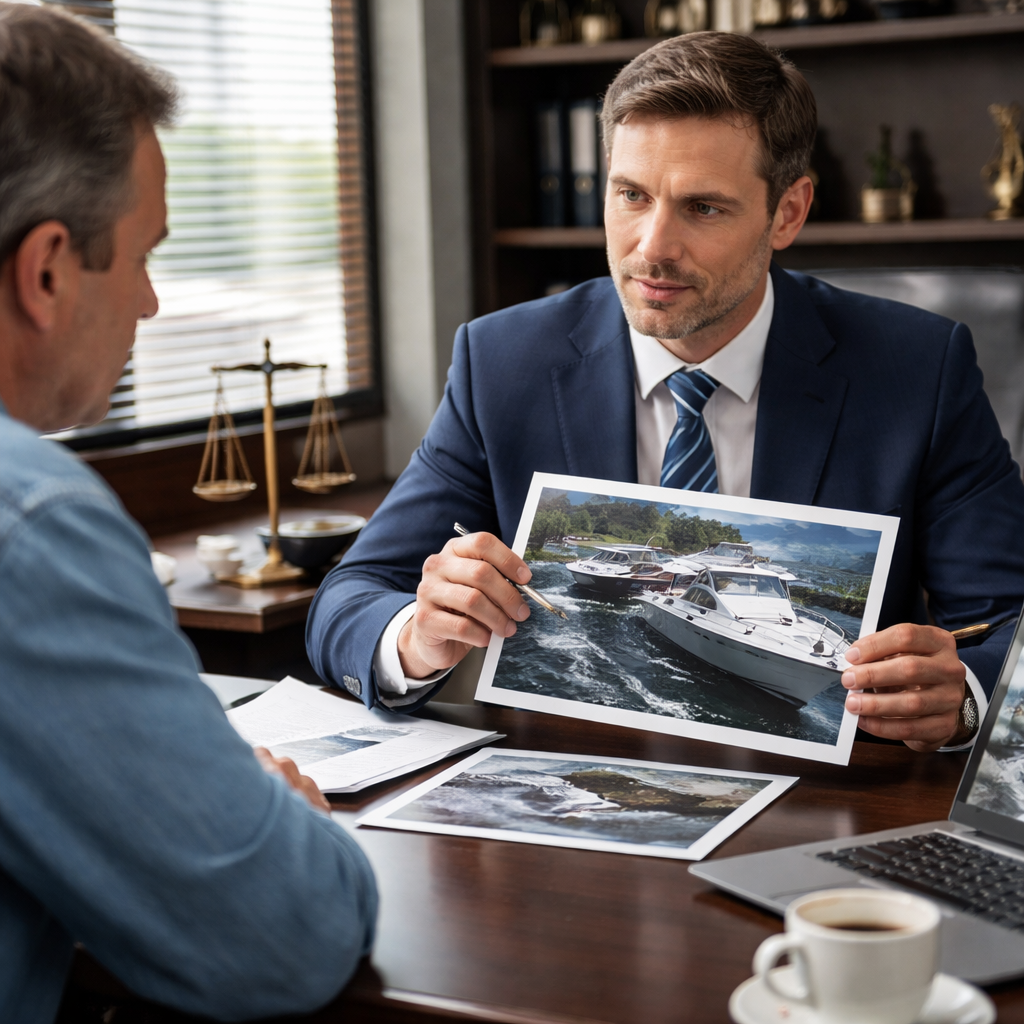
When you start looking for a lawyer, ask for a free consult. That’s a chance to see if they get your case and if they’re local enough to know state rules.
Ask about their case load. A good boat accident attorney will have a solid track record with similar cases.
Don’t forget to get references. Talk to past clients and see if they felt heard and paid fairly.
Many firms work on contingency, so you pay only if you win. Get the fee agreement in writing before you sign.
For a deeper dive into the signs you should watch, see this guide from Dawson Law Firm. It breaks down each signal with real examples.
Another source that repeats the key points is the same article, which you can bookmark for quick reference.
Key Steps to Take After a Boat Accident
When the splash happens, your brain goes into overdrive. The first thing is safety.
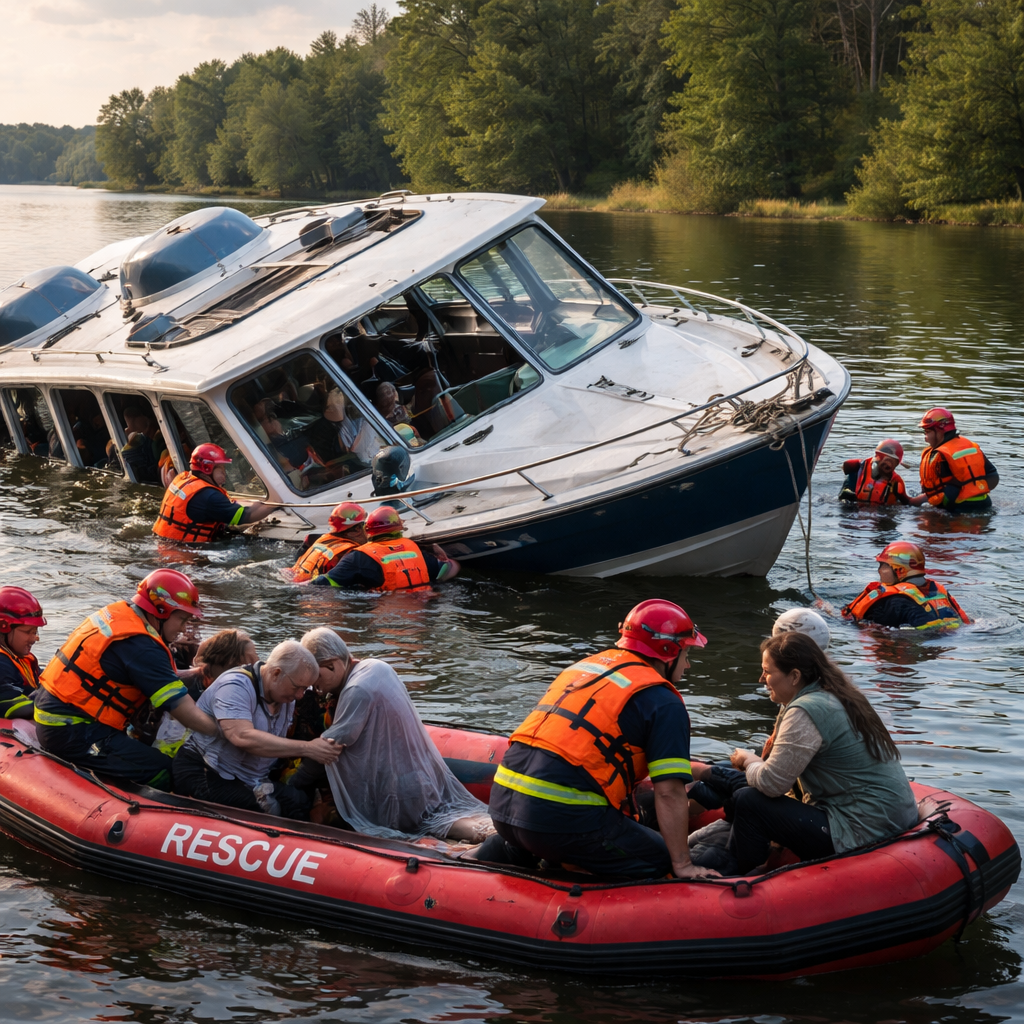
Turn off the engine if you can. If the boat is still moving, steer it to the nearest shore or calm water. Get everyone out of the water as fast as possible. If someone is hurt, call 911 or the local marine emergency line.
In Delaware the law says you must stay at the scene unless staying puts you in danger. That means you can’t just sail away.
Next, call the coast guard or the state natural resources police. In Delaware you can dial 800‑523‑3336 or 302‑739‑4580. If you have a VHF radio, switch to channel 16.
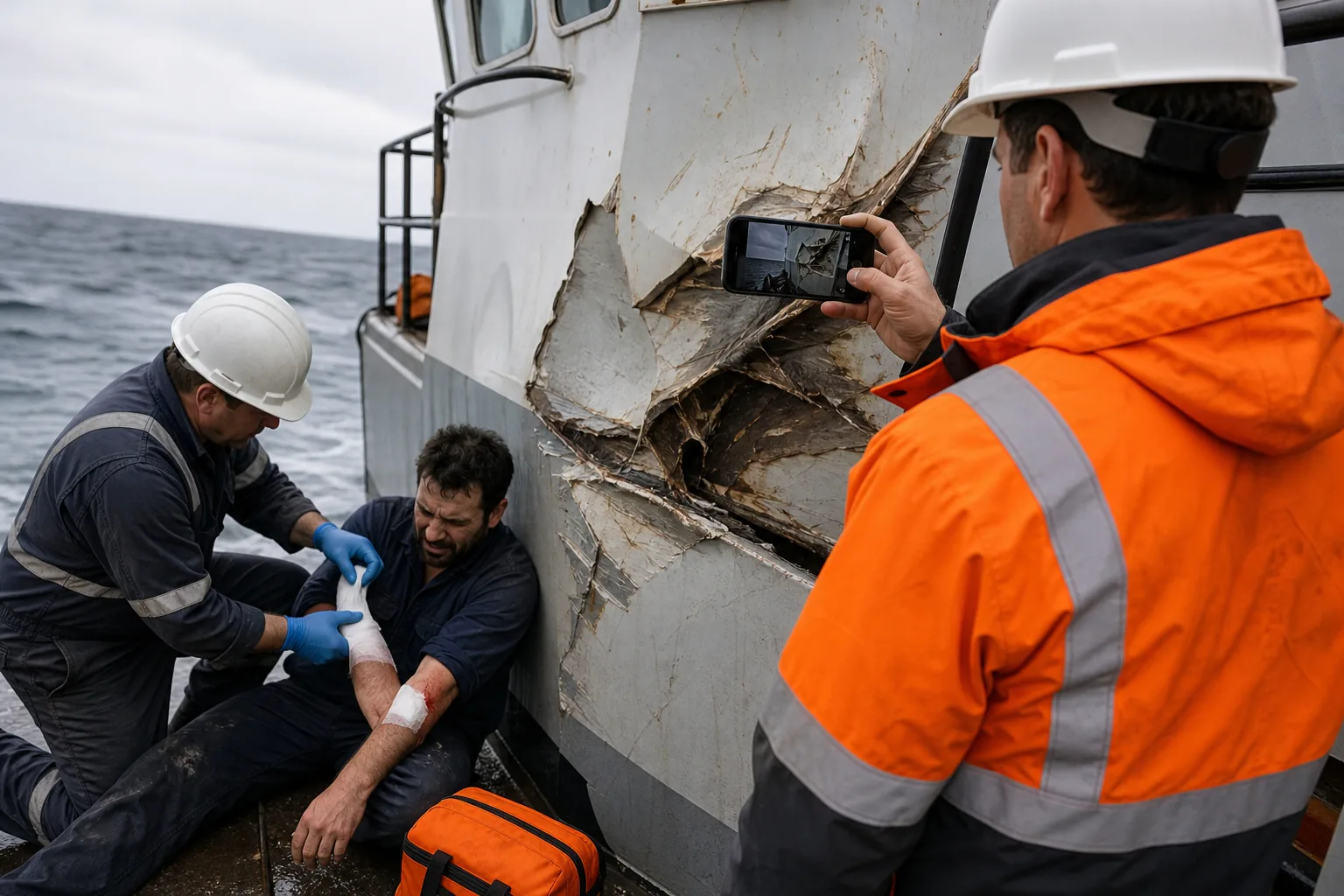
After the emergency crew arrives, gather evidence. Use your phone to snap photos of the boat’s hull, the water conditions, any visible damage, and the other vessel’s name and registration. A short video of the scene captures angles you might forget later.
Talk to witnesses while the memory is fresh. Write down their names, contact info, and what they saw. If you can, get a statement from the other operator.
Don’t talk to any insurance adjuster without a lawyer. Even a friendly chat can be used against you later.
Now, file the required reports. Federal law says you must tell the U.S. Coast Guard within 48 hours if there were injuries, deaths, or over $2,000 in damage. Delaware also asks for a written report to the Natural Resources Police within 10 days.
Keep a log of everything: medical visits, bills, missed work, and any pain you feel day by day. This log becomes key proof of your losses.
When you’re ready, contact a boat accident attorney. They will review the reports, talk to the insurance companies, and help you decide the best claim path.
For a step‑by‑step look at the whole process, check out Morris James’s guide. It covers the legal reporting duties in detail.
Another useful read is the same site, which repeats the checklist in a handy format.
Once the video ends, you’ll see a quick recap of the top three things to remember: safety first, document everything, and call a lawyer.
Common Types of Compensation in Boat Accident Cases
Money can help you heal, but you need to know what you can ask for. A boat accident attorney will chase each of these categories.
| Compensation Type | What It Covers | Typical Proof Needed |
|---|---|---|
| Medical Expenses | Hospital bills, surgeries, therapy, meds | Itemized bills, doctor notes, receipts |
| Lost Wages | Pay you missed while you’re healing | Pay stubs, employer letters, tax forms |
| Property Damage | Repair or replace your boat, gear | Repair estimates, photos, receipts |
| Pain & Suffering | Physical pain, emotional distress | Medical records, therapist notes |
| Loss of Consortium | Impact on spouse or family life | Spouse testimony, counseling records |
| Punitive Damages | When the other party acted grossly reckless | Police reports, witness statements |
Medical expenses are often the biggest chunk. If you need surgery, the bills can run into the tens of thousands.
Lost wages can be tricky if you’re self‑employed. Keep detailed logs of client work you missed, and use tax returns to show typical income.
Property damage isn’t just the hull. Electronics, safety gear, and even a dock you own can be part of the claim.
Pain and suffering is harder to measure, but a good boat accident attorney will get statements from doctors and therapists to put a number on it.
Loss of consortium matters when a spouse can’t enjoy activities they used to. That’s a real loss, and courts do award for it.
Punitive damages are rare but possible when the other driver was drunk or ignored safety warnings. They serve as a punishment.
To see more detail on each damage type, read the Hollis Law Firm article. It breaks down the law behind each claim.
Another helpful page is the same site, which lists examples of past cases.
Choosing the Right Boat Accident Attorney: What to Look For
Not every lawyer can handle a marine claim. Here’s how to vet them.
First, check credentials. The lawyer must have a J.D. and be licensed in your state. Look them up on your state bar site.
Second, focus on experience. You want someone who spends most of their time on personal injury and, better yet, boat accidents. Ask how many boat cases they closed in the last year.
Third, ask about courtroom vs. settlement skill. Some lawyers settle fast; others fight in court. If the other side is likely to low‑ball, you need a lawyer comfortable in a judge’s chair.
Fourth, review fee structure. Most work on contingency, taking a percent of the win. Get that percent in writing and ask about any upfront costs.
Fifth, probe their network. A good attorney will have medical experts, marine engineers, and investigators ready to back your claim.
Sixth, read reviews and ask for references. Talk to at least three former clients to gauge communication and results.
Seventh, test their responsiveness. Send a quick email and see how fast they reply. Delays now can mean delays later.
Here’s a quick comparison you can use when you interview two lawyers:
- Years on the bar
- Boat cases per year
- Average settlement amount
- Contingency %
- Client rating (1‑5)
Now, let’s look at a real‑world scenario. Imagine you were hit by a speedboat while kayaking. The speedboat driver was texting. You suffered a broken collarbone and missed work for three weeks. You meet Lawyer A, who has handled ten kayak cases and settles for 70% of demand. Lawyer B has twenty‑five boat cases but only settles for 55% after a long trial. In this case, Lawyer A might give you quicker cash, while Lawyer B could aim for a larger jury award. Your choice depends on what you value.
When you find a good fit, ask for a written agreement that spells out the steps they’ll take, the timeline, and how they’ll keep you updated.
For a list of nine must‑ask questions, see KFFJ Law’s article. It walks you through each query.
Another useful read is the same page, which repeats the key interview tips.
If you want to locate a lawyer near you right now, try Find a boat accident lawyer near you. It gives a quick list of local firms with reviews.
Frequently Asked Questions
Do I have to pay anything up front to hire a boat accident attorney?
Most boat accident attorneys work on a contingency basis. That means they only get paid if you win a settlement or judgment. You won’t owe fees before the case is resolved, though you may be asked to cover court filing costs or expert fees up front.
How long do I have to file a claim after a boat accident?
State laws vary, but many require you to file a personal injury lawsuit within two years of the accident. Federal maritime claims may have a one‑year deadline. Talk to a boat accident attorney quickly so they can protect your rights and meet all filing dates.
What if the boat owner’s insurance is low or missing?
If the owner lacks sufficient coverage, you can still sue the owner personally or target other liable parties, such as the operator or a manufacturer. A boat accident attorney will trace all possible sources of compensation.
Can I still get compensation for emotional distress?
Yes. Courts recognize pain, suffering, and emotional trauma as valid damages. You’ll need medical or therapist notes that link the distress to the accident. A skilled attorney will make sure this loss is part of the demand.
Do I need a marine expert to prove my case?
Often, yes. An expert can explain how a faulty engine or poor maintenance caused the crash. They also help the jury understand maritime rules. Your attorney will hire the right specialist if the case calls for it.
Will my case go to trial?
Most boat accident claims settle before trial because both sides want to avoid long, costly court battles. However, if the insurer offers a lowball deal, a confident attorney will be ready to take the case to a judge or jury.
How can I keep my medical costs from ruining my finances while the case is pending?
Talk to your attorney about a lien on any future settlement. They can also help you negotiate with providers for payment plans. Some firms have relationships with medical networks that reduce upfront costs.
Conclusion
Getting hit on the water is scary, but you don’t have to face the fallout alone. A boat accident attorney knows the rules, the paperwork, and the tactics insurers use to lowball you. By spotting the signs early, following the post‑crash checklist, understanding what money you can claim, and picking the right lawyer, you set yourself up for a fair payout.
If you’re ready to move forward, start by reaching out for a free consult. That first call can give you a clear picture of your case’s value and the steps ahead. Don’t wait for bills to pile up or for the insurance deadline to slip by. Take action now and let a qualified boat accident attorney help you get back on solid ground.