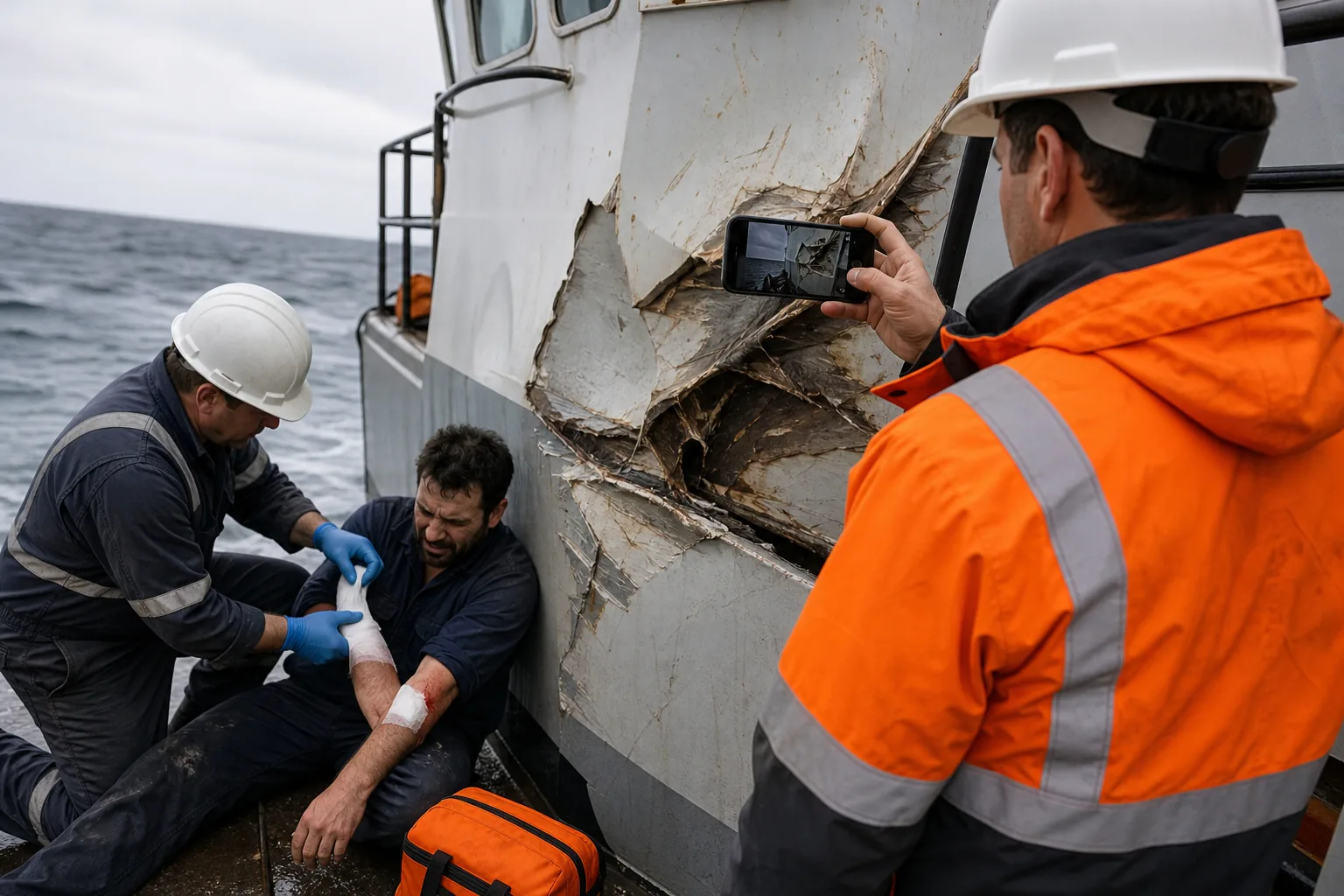
Average Maritime Injury Settlement Guide 2026
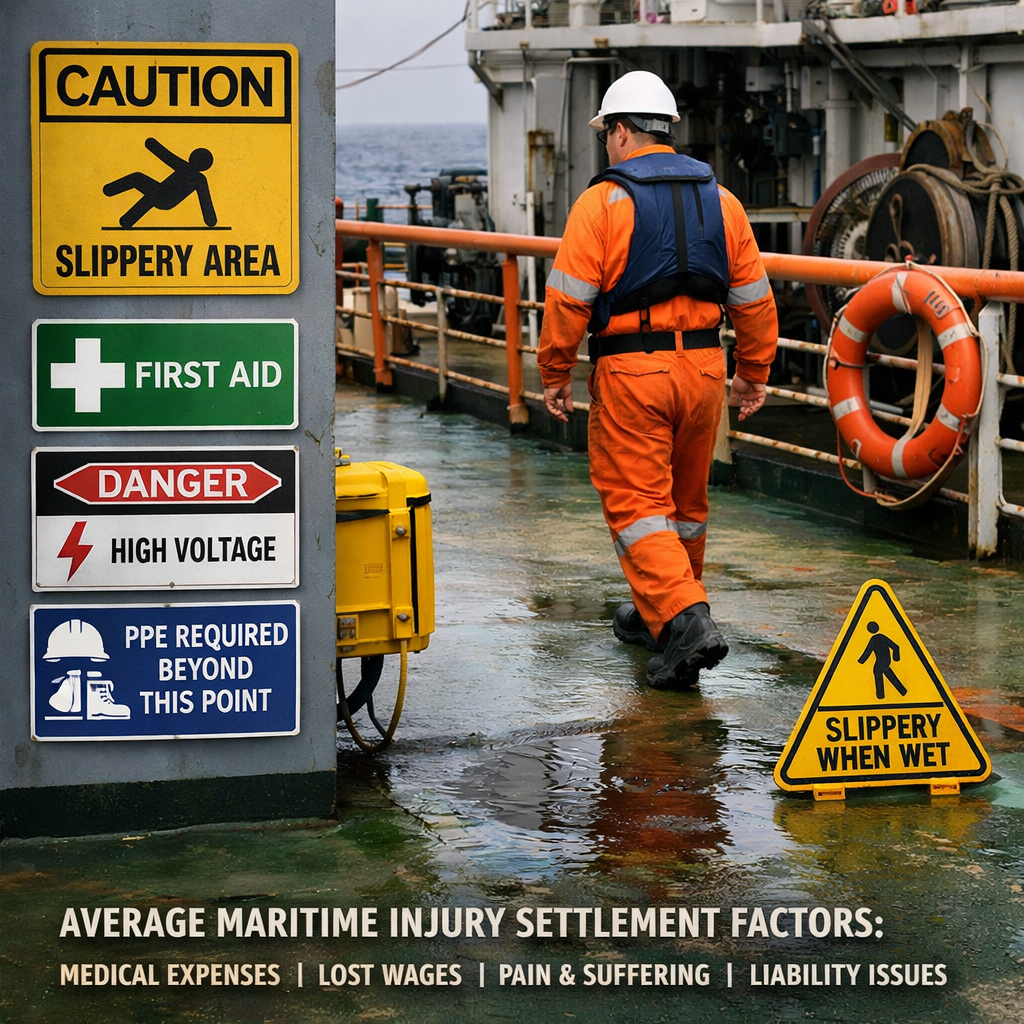
In 2026 the average maritime injury settlement still feels out of reach for many seamen. You may have been hurt on a deck, a rig, or a dock and wonder how much you can expect. This guide walks you through the claims you can file, the numbers that shape payouts, and the steps you need to take from filing to getting paid.
By the end you’ll know what factors push a settlement up or down, how the math works, and why a seasoned lawyer can make a big difference. Let’s get clear on what you can claim and how the average maritime injury settlement is figured.
Understanding Maritime Injury Claims
Maritime injury claims cover workers hurt on a vessel, offshore platform, or at a dock. Unlike typical workers’ comp, seamen cannot tap a state system. They must turn to federal maritime law to get paid.
The Jones Act is the big law that helps seamen. It lets a worker sue the employer for negligence, lost wages, and pain. Only a worker who spends 30% or more of time on a vessel counts as a “seaman.” Wikipedia’s Jones Act entry explains the basics.
Beyond the Jones Act, there are other routes, as detailed in our maritime personal injury guide. Maintenance and cure is a no‑fault benefit that covers medical bills and living costs until you reach maximum medical improvement. The Longshore and Harbor Workers’ Compensation Act (LHWCA) helps dockworkers who don’t meet the seaman test.
When you file, you can combine claims. A typical case may include a Jones Act claim for negligence, a maintenance and cure claim for daily expenses, and an unseaworthiness claim if the vessel was unsafe.
Here’s what I mean: imagine a deckhand who slips on a slick deck and breaks a wrist. He can sue the shipowner for negligence, ask for maintenance and cure to cover rent, and claim the vessel was unseaworthy if the deck lacked proper anti‑slip paint.
The Department of Labor outlines the maritime law framework on its site. U.S. DOL maritime page shows how benefits are calculated and why timing matters.
"Your right to compensation doesn’t wait for a supervisor’s signature. The law steps in the moment you’re injured on the water."
Bottom line: Knowing the right claim type is the first step toward a fair average maritime injury settlement.
Key Factors That Influence Settlement Amounts
Every settlement rests on a few core pieces. The bigger the injury, the larger the payout. But there are other levers that push the average maritime injury settlement up or down.
First, medical costs matter. If you need surgery, rehab, and lifelong therapy, the claim will reflect those numbers. Second, lost wages matter. A high‑paid deckhand who can’t lift heavy loads will lose more income than a low‑paid deckhand.
Third, the degree of fault matters. If the employer’s negligence is clear, a jury or judge will award more. If the case hinges on a shared fault, the settlement may be reduced.
Fourth, the jurisdiction can sway the amount. Federal courts in the Gulf of Mexico have a history of higher awards than courts in the Northeast.
Fifth, the strength of evidence matters. Photos of a broken rail, maintenance logs, and witness statements add weight.
Sixth, the claimant’s credibility plays a role. Consistent medical records and honest statements boost trust.
Seventh, the legal team’s skill matters. A lawyer who knows how to push for punitive damages can add a big chunk.
Finally, timing is key. The longer you wait, the more likely evidence fades and the settlement drops.
Bottom line: Each of these factors adds a piece to the puzzle that decides your final payout.
Average Settlement Ranges by Injury Type
Not all injuries are created equal. The average maritime injury settlement varies widely by the part of the body hurt and how long the injury lasts.
Back injuries are common on rigs. from a maritime law firm, back injury settlements have ranged from $550,000 to over $1.4 million. The higher end usually involves surgery, long‑term disability, and loss of future earnings.
Neck injuries often sit a bit lower, with typical settlements between $300,000 and $800,000, depending on surgery and lingering pain.
Shoulder injuries that prevent heavy lifting can land you a settlement from $200,000 to $600,000.
Hand and finger injuries, while painful, tend to bring smaller figures, often $50,000 to $150,000, because they rarely stop a worker from earning a full wage.
Fatal cases under the Death on the High Seas Act (DOHSA) can bring multi‑million settlements for surviving families.
Here’s a quick look at the range chart:
Bottom line: Knowing the typical range helps you set realistic expectations for your claim.
How Maritime Settlements Are Calculated
When a lawyer tallies a claim, they add up several buckets. The first bucket is medical expenses. They collect every invoice, from ER visits to physical therapy.
The second bucket is lost wages. They look at your pay stub, calculate future earnings, and factor in raises you would have earned.
The third bucket is pain and suffering. This is less concrete, but judges use a multiplier on the medical and wage totals. The more severe the injury, the higher the multiplier.
Fourth, future care costs are projected. If you need a spinal fusion now and maybe another surgery in ten years, an expert economist will estimate those costs.
Fifth, any punitive damages may be added if the employer acted recklessly.

The Jones Act Claim Calculator from a leading firm breaks down each piece. The claim calculator page shows a step‑by‑step worksheet.
Finally, the settlement is negotiated. The employer’s insurer will weigh the total against the risk of a trial.
Bottom line: The average maritime injury settlement is a sum of medical, wage, pain, future care, and sometimes punitive figures.
The Settlement Process: From Filing to Payout
The journey starts with a complaint. You or your lawyer file a claim in federal court, naming the employer and any other liable parties.
Next comes discovery. Both sides exchange documents, take depositions, and gather expert testimony.
After discovery, many cases settle before trial. Negotiations happen through the lawyer’s office, often with a mediator.
If a settlement is reached, both parties sign a release. The release says you won’t sue again for the same injury.
The court then issues a judgment confirming the amount. The employer’s insurer wires the money, and you get a check.
If talks break down, the case goes to trial. A judge or jury decides liability and awards.
Bottom line: Knowing each step helps you stay on track and avoid surprises.
Why Legal Representation Matters
Maritime law is a niche field. A lawyer who knows the Jones Act, LHWCA, and unseaworthiness rules can spot angles you miss.
Employers have seasoned counsel. They will use every defense, from “assumption of risk” to “comparative negligence.” A skilled attorney counters each point.
Lawyers also know how to pull the right experts. A medical specialist can testify on long‑term disability. An economist can forecast future earnings.
Finally, a lawyer handles the paperwork. The filing deadlines are strict, miss one and you lose your right.
Our firm has helped dozens of Gulf workers secure settlements that cover their medical bills and lost wages. We see the difference a focused maritime lawyer makes.
Bottom line: Legal expertise levels the playing field and can raise the average maritime injury settlement.
Common Mistakes That Can Reduce Your Settlement
Even a strong claim can shrink if you slip up. One mistake is waiting too long to file. The statute of limitations for the Jones Act is three years, but evidence fades fast.
Another error is accepting a low early offer. Insurers often start low, hoping you’ll settle before you gather proof.
Skipping medical care or not following doctor orders can be used against you. The defense may claim you worsened the injury.
Not keeping receipts for daily expenses hurts your maintenance and cure claim. Small bills add up.
Talking to the employer’s insurance adjuster without a lawyer can lead to statements that hurt your case.
Finally, ignoring the unseaworthiness angle can miss extra compensation. If the vessel was unsafe, you may get more.
Bottom line: Small missteps can cut a six‑figure settlement down to a few thousand.
Frequently Asked Questions
What is the average maritime injury settlement amount in 2026?
The figure varies, but most claims fall between $150,000 and $800,000 depending on injury severity, lost wages, and proven negligence. High‑impact cases, such as severe back injuries, can reach $1 million or more.
Can a non‑seaman file a maritime injury claim?
Yes. Workers who don’t meet the seaman test may still file under the Longshore and Harbor Workers’ Compensation Act or the Death on the High Seas Act for fatal cases. Those statutes provide similar benefits but follow different rules.
How long does it take to get a settlement?
Most cases settle within six to twelve months after filing. If the case goes to trial, it can stretch to two years or more, depending on court schedules and the complexity of the evidence.
Do I have to pay attorney fees if I win?
In maritime cases, many lawyers work on a contingency basis. That means they only get paid if you receive a settlement, usually taking a percentage of the award. Some firms also cover costs like expert fees up front.
What expenses does maintenance and cure cover?
Maintenance pays daily living costs such as rent, food, utilities, and transportation. Cure covers all medical expenses, from hospital stays to physical therapy, until you reach maximum medical improvement.
Can I choose my own doctor?
Yes. Maritime law gives you the right to select a physician of your choice. The employer must cover the cost, even if you go to a specialist outside the company’s clinic.
What if my employer disputes the injury?
If the employer claims you were at fault, a lawyer can gather evidence, photos, logs, witness statements, to prove negligence or unseaworthiness. The case may then move to mediation or trial.
Is there a deadline to file a claim?
For Jones Act claims, the statute of limitations is three years from the date of injury. Missing this deadline usually bars you from recovering any compensation.
Conclusion
The average maritime injury settlement is shaped by many moving parts, medical costs, lost wages, fault evidence, and timing. By understanding the claim types, the factors that affect payouts, and the step‑by‑step process, you can protect your rights and aim for the best possible award. Remember that a seasoned maritime lawyer can turn a confusing legal maze into a clear path toward compensation.
For more detail on how to plan your claim and what numbers to expect, 2026. It walks you through the same steps with worksheets you can use today.
Take the first step now. Gather your medical records, log your expenses, and reach out to a qualified maritime attorney. The sooner you act, the stronger your average maritime injury settlement can be.