Offshore Drilling Accident: Causes, Impact & Prevention
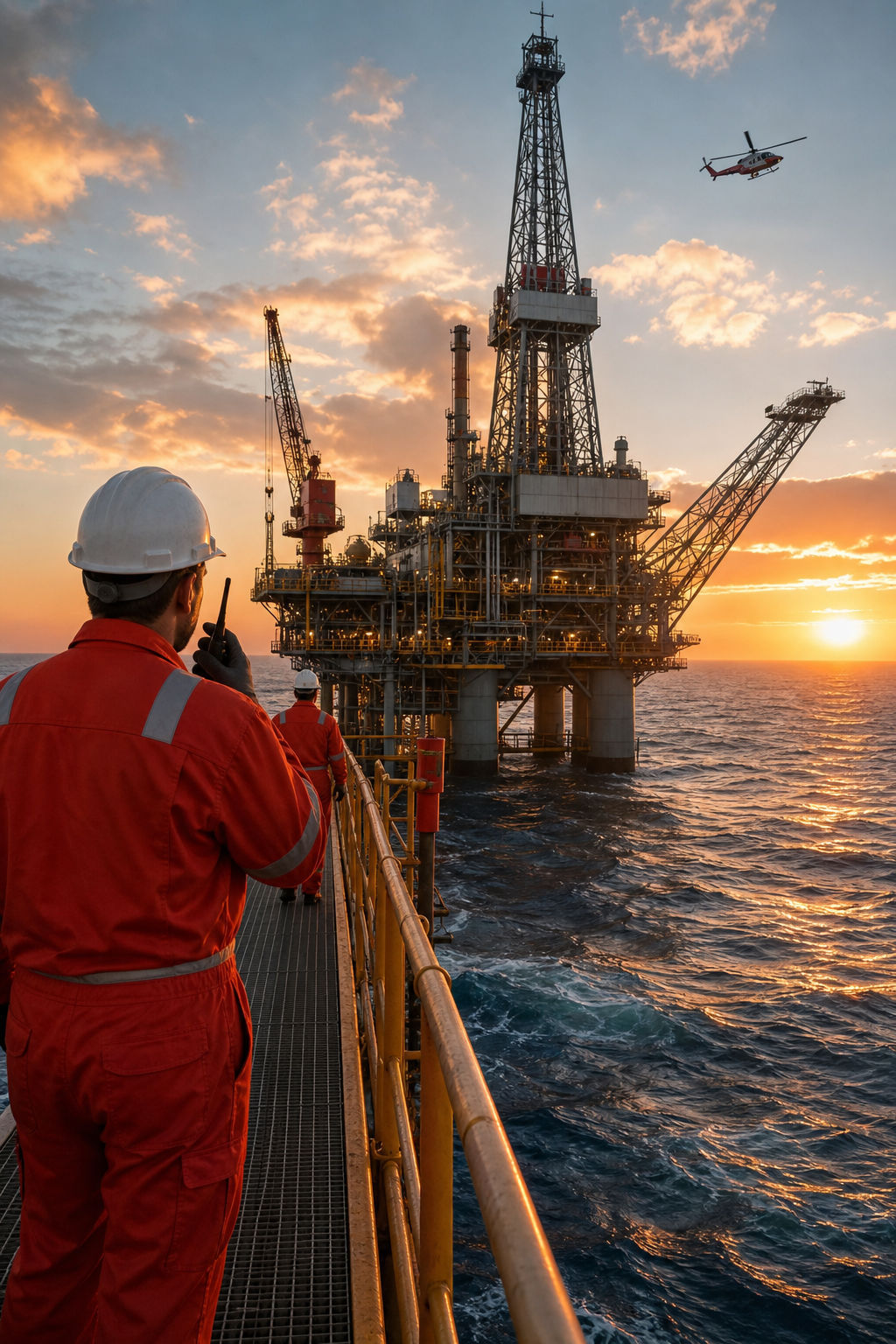
Offshore drilling accidents can cost lives, hurt the planet, and shut down production for weeks. If you work on a rig or manage one, you need to know why they happen and how to stop them. This guide walks you through the basics, the biggest risks, the fallout, and the steps you can take to keep workers safe and the sea clean.
What Is an Offshore Drilling Accident?
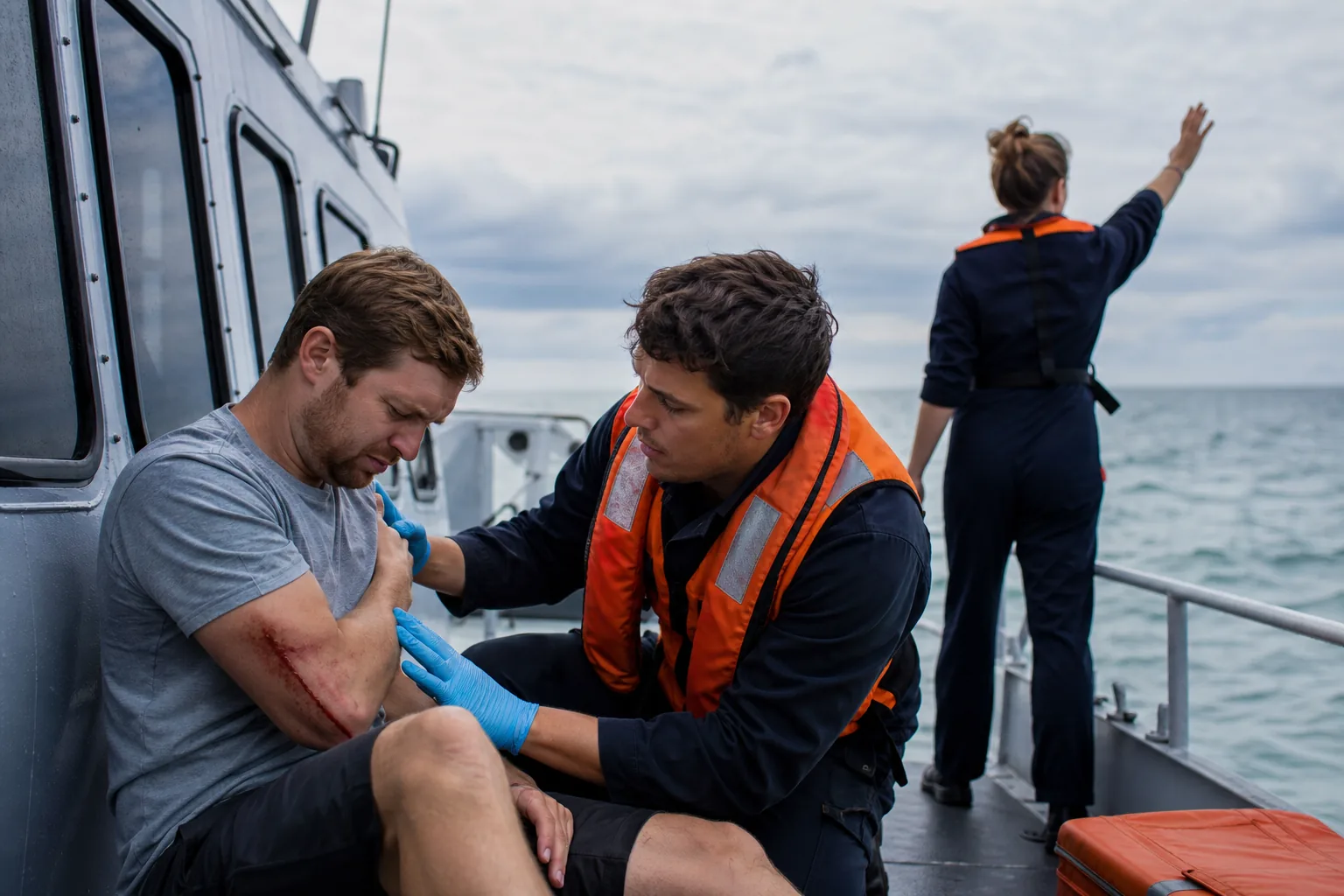
An offshore drilling accident is any unplanned event that injures people, damages equipment, or releases oil or gas into the sea. It can start with a blowout, a fire, a structural failure, or even a helicopter crash while crew are moving to the platform. The CDC tracked 128 fatalities in U.S. offshore work from 2003‑2010, with transportation events, mostly helicopter crashes, making up half of them. CDC report. Those numbers show that even when rigs are well‑maintained, the way workers get to and from the site is a big safety hole.
Offshore rigs are built on floating platforms or fixed structures that sit on the sea floor. They drill through the water column, the seabed, and into rock layers that hold oil or gas. When something goes wrong, the pressure underground can push fluid up the wellbore, causing a "kick" that can turn into a blowout if not stopped fast.
Because rigs operate far from shore, emergency help is harder to reach. That means every safety system, from the blowout preventer (BOP) to the life‑saving gear on a helicopter, must work perfectly.
Imagine a crew member who sees a sudden surge of mud coming up the drill pipe. If the BOP is faulty, that surge can break through to the surface, spilling oil onto the deck and the sea.
Key points to remember:
- Accidents include injuries, equipment loss, and environmental releases.
- Transportation (helicopters, boats) is the top cause of fatal events.
- Well‑control equipment is the second line of defense.
Major Causes of Offshore Drilling Accidents
Most accidents trace back to a handful of root causes. Understanding them helps you spot warning signs before they become disasters.
Equipment failureis the biggest driver. A stuck valve, a cracked pipe, or a worn‑out BOP can let high‑pressure oil burst out. The OSHA guide explains that BOPs are pressure‑tested after installation to make sure they seal correctly. OSHA BOP overview. If the test is skipped or the test data is ignored, the rig loses its safety net.
Human errorshows up when workers misread pressure gauges, skip a checklist, or forget to wear a life jacket. A study of helicopter crashes found that bad weather and mechanical failure combined with poor communication caused most fatal events.
Adverse weather, high winds, lightning, or rogue waves, can knock a crane off balance, push a boat off course, or make a helicopter landing impossible. When a storm rolls in, the rig’s emergency plan must be ready.
Communication breakdownshappen when radios crack, when shift handovers are rushed, or when language barriers exist on multinational crews. A missed call‑out about a pressure rise can turn a manageable kick into a blowout.
Below is a short video that walks through the most common failure modes on a rig.
To keep accidents from happening, treat each cause like a checklist item. When you see a red flag, stop the operation and fix it.
- Run daily equipment inspections and record results.
- Conduct weekly safety briefings that cover weather forecasts.
- Use standardized communication protocols (e.g., repeat‑back).
Environmental and Human Consequences
The fallout from an offshore drilling accident reaches far beyond the rig crew. Oil that reaches the water can coat marine life, poison birds, and damage fisheries that coastal towns depend on.
OSPAR monitors the North Sea and other European waters. Their reports show that over the past decade, the number of installations has fallen, but the amount of oil‑based fluid discharged has also dropped thanks to stricter rules. OSPAR impact report. Still, a single blowout can release thousands of barrels, creating a slick that spreads for miles.
Human consequences are just as stark. The CDC data notes that 65 out of 128 offshore fatalities were transportation‑related. When a helicopter crashes, survivors often drown because they lack life jackets or the aircraft’s flotation devices fail.
Environmental damage can linger for years. Coral reefs take decades to recover from oil smothering, and the loss of spawning grounds harms fish stocks.
Companies that ignore these impacts face lawsuits, cleanup costs, and reputational harm. Workers who suffer injuries may need lifelong medical care, and families can lose a breadwinner.
Usable steps to limit impact:
- Install double‑wall containment for produced water.
- Use biodegradable drilling fluids wherever possible.
- Train crew on rapid spill‑response drills.
Prevention and Safety Measures
Preventing an accident starts with layers of protection. Think of safety like an onion: each layer adds another chance to stop a problem.
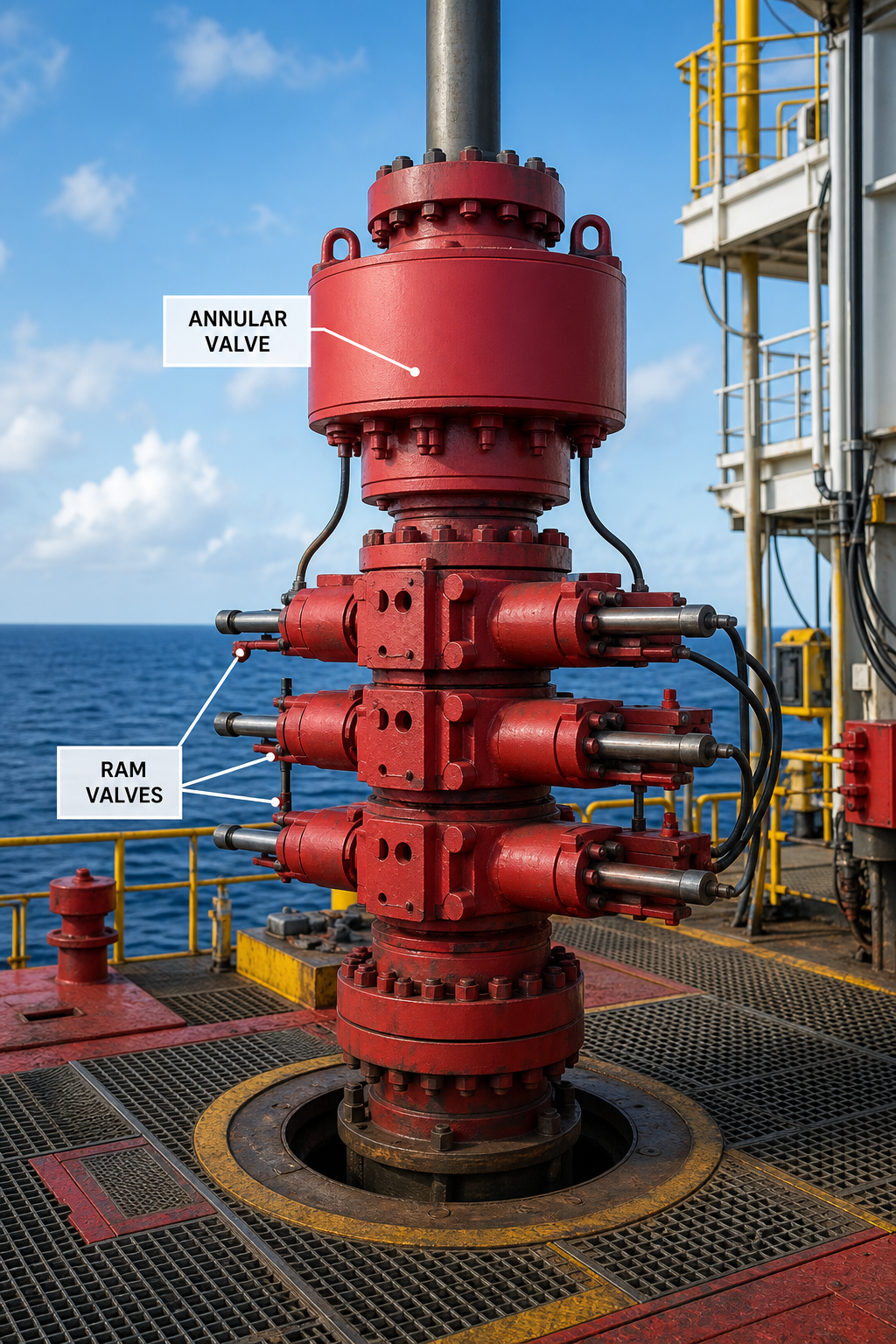
The first layer is engineering controls. Blowout preventers (BOPs) are the most critical devices. They sit on top of the wellhead and can seal the well if pressure spikes. After they’re installed, technicians pressure‑test them to confirm they close properly. The BOP stack often includes an annular valve and one or more ram‑type valves that slam shut when needed.BOP Products overview
The second layer is administrative control: written procedures, checklists, and regular training. Workers must rehearse emergency shut‑in drills every month. When a drill shows a gap, the crew updates the procedure on the spot.
The third layer is personal protective equipment (PPE). Life jackets, uses, flame‑resistant coveralls, and hard hats protect individuals when something goes wrong.
Technology also helps. Real‑time pressure monitoring alerts crews the moment a kick starts. Automatic Dependent Surveillance‑Broadcast (ADS‑B) lets the FAA track helicopters over the Gulf, reducing mid‑air collision risk.
Here’s a quick safety checklist you can paste onto a rig bulletin board:
- Inspect BOP seals before each drilling shift.
- Verify weather forecast and wind limits.
- Run a communication test on all radios.
- Confirm all crew have fitted PPE.
- Review emergency evacuation routes.
Legal and Regulatory Framework
The law around offshore work is a patchwork of federal statutes, agency rules, and international conventions. In the U.S., the Outer Continental Shelf Lands Act (OCSLA) gives the Bureau of Safety and Environmental Enforcement (BSEE) the power to write and enforce safety standards. BSEE regulations. After the Deepwater Horizon blowout, Congress passed tougher rules that require operators to submit detailed spill‑response plans and to install more strong BOPs.
Operators must also follow the Jones Act, which treats crew members as seamen. If a worker is injured because of negligence, they can sue the employer for damages beyond workers’ compensation.
Compliance is verified through routine inspections. BSEE inspectors use a Potential Incident of Non‑Compliance (PINC) checklist that covers everything from pressure‑testing equipment to crew training records.
For workers who need legal help, a specialized offshore accident attorney can handle these statutes. Offshore Accident Attorney Guide: Protect Your Rights After a Maritime Incident explains how a lawyer can gather maintenance logs, interview witnesses, and push for a fair settlement.
When a regulation changes, companies have a short window to adapt. Missing a deadline can trigger fines or even a shutdown of the rig.
Tips for staying compliant:
- Assign a compliance officer to track rule changes.
- Run quarterly internal audits against the PINC list.
- Keep all training certificates in a cloud‑based, searchable database.
Emergency Response and Cleanup
Even with the best prevention, emergencies still happen. A solid response plan can mean the difference between a short outage and a long‑lasting disaster.
First, classify the incident. Most rigs use a three‑tier system: minor (first aid, small fire), major (evacuation, blowout), and catastrophic (multiple fatalities, large oil spill). The classification tells you who to call and what resources to mobilize.
Second, activate the Site Centre. This is a command hub located near the incident that coordinates rescue boats, medical crews, and the on‑site response team. The centre works 24/7 during an event and hands over control back to normal operations once the danger passes.
Third, follow the cleanup protocol. For oil spills, the first step is containment, using booms to stop the slick from spreading. Then, skimmers remove the oil from the water surface. Finally, shore‑line crews clean any residue that reaches the beach.
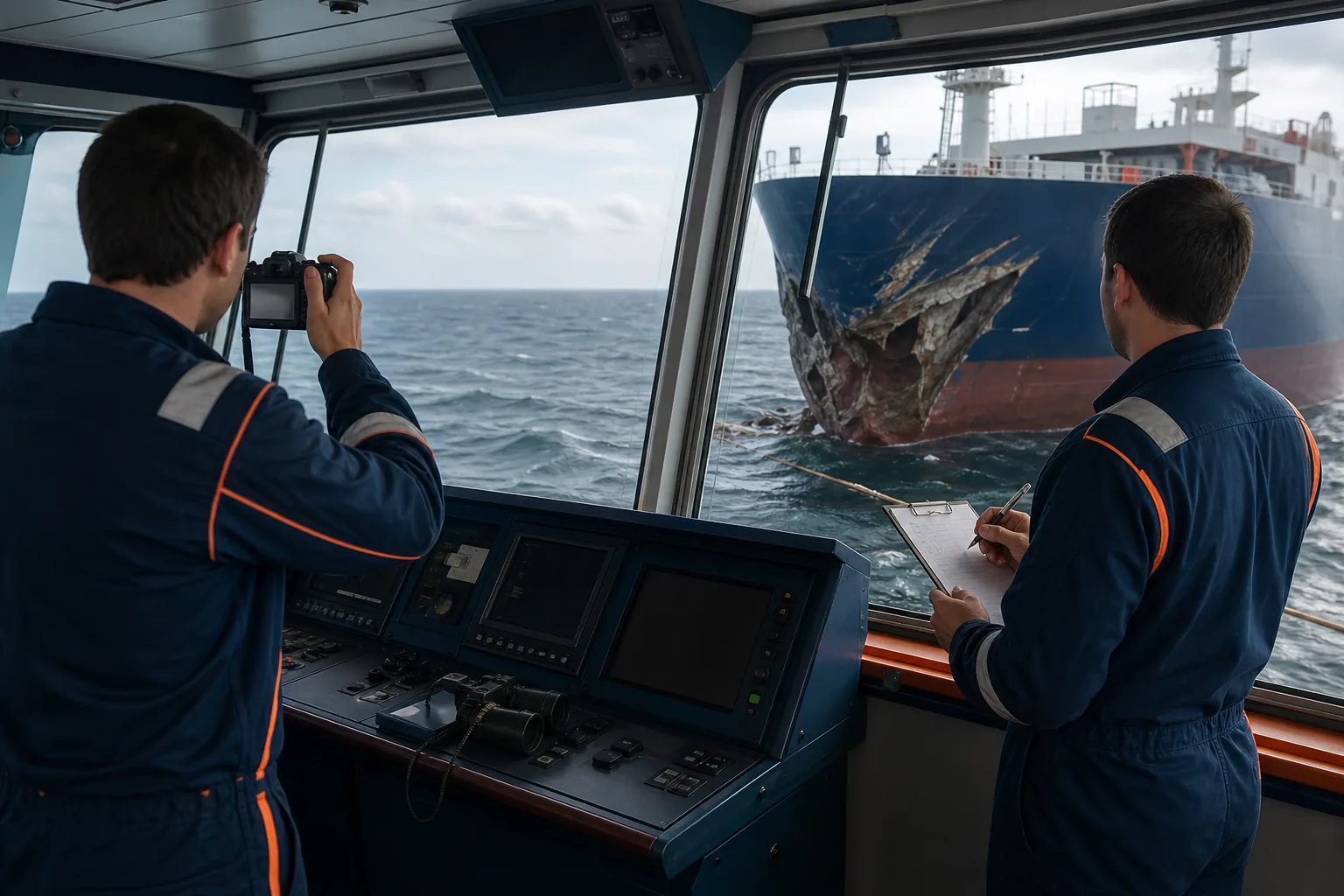
Documentation is critical. Every action taken must be logged, photos taken, and equipment used recorded. This evidence supports later investigations and insurance claims.
Usable response steps you can embed into a drill:
- Sound the alarm and notify the Site Centre.
- Deploy fire‑suppression or oil‑containment gear within five minutes.
- Account for all personnel; conduct headcounts.
- Begin evacuation if air quality drops below safe limits.
- Submit a post‑incident report within 48 hours.
Future Trends and Technology
The offshore industry is investing in new tech to make drilling safer and cleaner. The Department of Energy (DOE) funds research on deep‑water robotics, advanced sensors, and real‑time data analytics to predict kicks before they happen.
One emerging tool is the autonomous underwater vehicle (AUV) that can inspect wellheads without sending a diver. Another is machine‑learning software that reads pressure data and alerts crews the moment a pattern deviates from normal.
Regulators are also looking at digital twins, virtual replicas of a rig that simulate how it will react to storms, equipment failures, or human actions. By testing scenarios in a digital environment, operators can tweak procedures before a real‑world event.
Finally, there’s a push toward greener drilling fluids. Researchers are testing bio‑based muds that break down quickly in seawater, reducing the toxic load if a spill occurs.
Staying ahead means investing in training for these new tools and updating safety manuals to include them.
- Adopt real‑time monitoring dashboards.
- Pilot AUV inspections on a low‑risk well.
- Integrate digital‑twin simulations into quarterly safety reviews.
FAQ
What exactly qualifies as an offshore drilling accident?
An offshore drilling accident includes any unplanned event that harms workers, damages equipment, or releases hydrocarbons into the marine environment. It can be a blowout, fire, structural collapse, or a transportation crash involving crew helicopters or supply vessels. Each incident is logged by regulators and may trigger investigations under safety and environmental laws.
How can a rig operator reduce the risk of a blowout?
Start with a well‑designed BOP stack and perform pressure tests before drilling. Use real‑time pressure sensors to detect kicks early, and train the crew to shut in the well within minutes. Regularly inspect the annular and ram valves for wear, and keep spare parts on hand so repairs happen quickly.
What are the most common human‑error scenarios on rigs?
Misreading pressure gauges, skipping safety checklists, and failing to wear PPE are the top mistakes. Communication lapses, like not repeating back critical orders, also lead to accidents. Conduct daily briefings, enforce a repeat‑back protocol, and run mock‑drill scenarios to keep skills sharp.
How does weather affect offshore safety?
High winds can swing the rig, making crane lifts dangerous. Lightning can strike equipment, and rough seas can capsize supply boats. Before each shift, check the latest marine forecast, set wind‑speed limits for operations, and have a clear plan to secure loose gear if a storm approaches.
What legal protections do offshore workers have?
In the U.S., the Jones Act treats seamen as “mariners,” giving them the right to sue employers for negligence. Workers also receive "maintenance and cure" benefits, meaning the employer pays for medical care and living expenses while they recover. If the incident involves environmental damage, the operator may face federal penalties under the Clean Water Act.
How fast can an oil spill be contained?
Containment time depends on spill size, sea state, and response resources. Ideally, booms are deployed within five minutes, and skimmers start within ten. In practice, a well‑prepared rig can limit a small leak to under 100 barrels in the first hour, but larger releases need coordinated efforts with coast‑guard vessels and aerial dispersants.
What role does technology play in preventing future accidents?
Advanced sensors give crews real‑time data on pressure, temperature, and vibration. Machine‑learning models analyze this data to spot anomalies that humans might miss. Autonomous underwater vehicles inspect wellheads without risking divers, and digital twins let operators simulate extreme weather or equipment failures before they occur.
Where can I find help if I’m injured in an offshore accident?
First, get on‑site medical care and report the incident to the rig’s safety officer. Then, contact an offshore injury attorney who knows the Jones Act and can help you collect medical records, maintenance logs, and witness statements for a claim.
Conclusion
Offshore drilling accidents are complex events that blend engineering, human, and environmental factors. By understanding the common causes, tracking the ripple effects on people and the sea, and putting layered safety measures in place, operators can dramatically cut the odds of a disaster. Strong legal frameworks and a well‑drilled emergency response plan add extra protection, while emerging tech promises even safer, cleaner drilling in the years ahead. For more usable tools, explore the detailed safety checklist we’ve compiled for offshore teams.