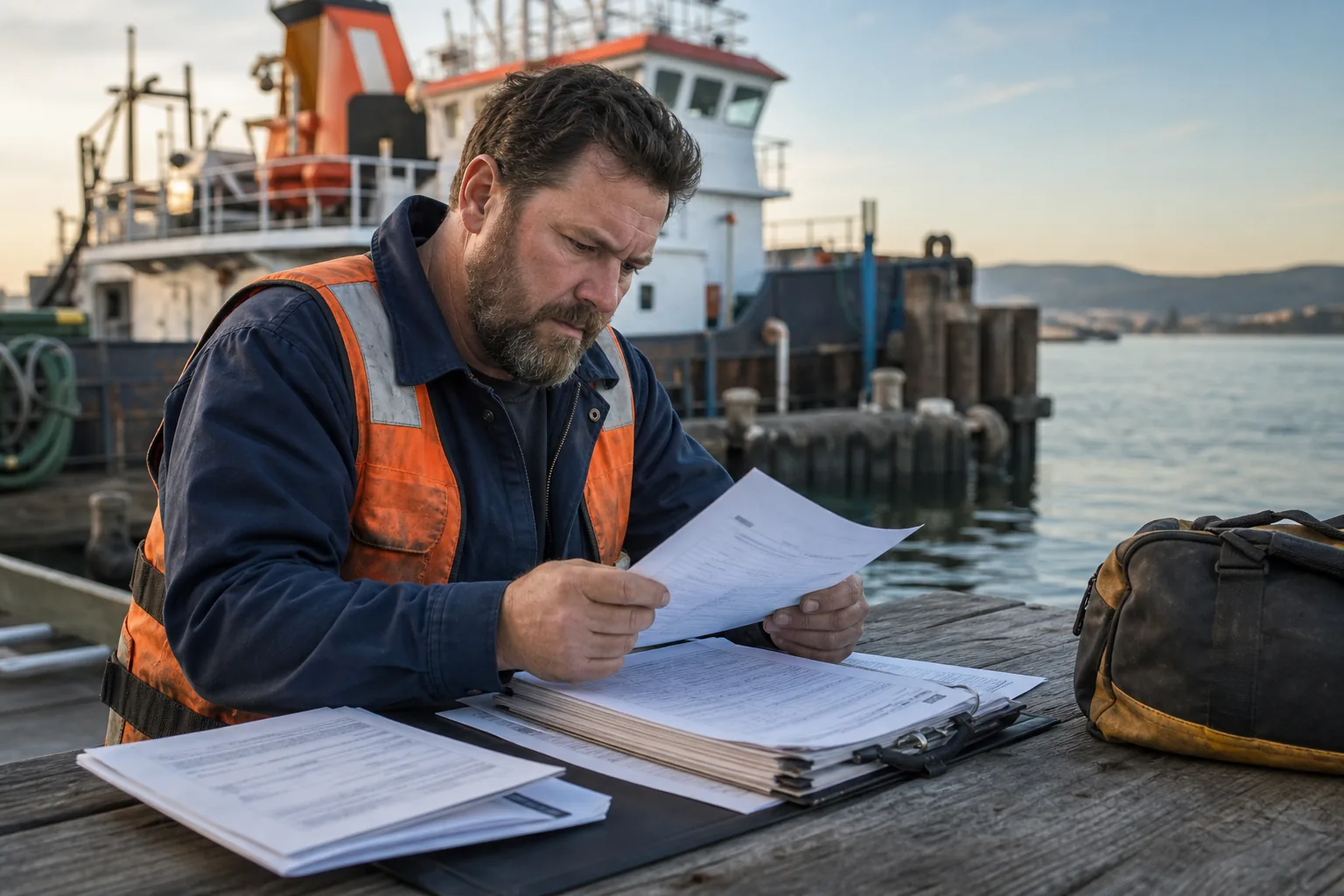
How to Handle an Offshore Accident: A Step‑by‑Step Guide
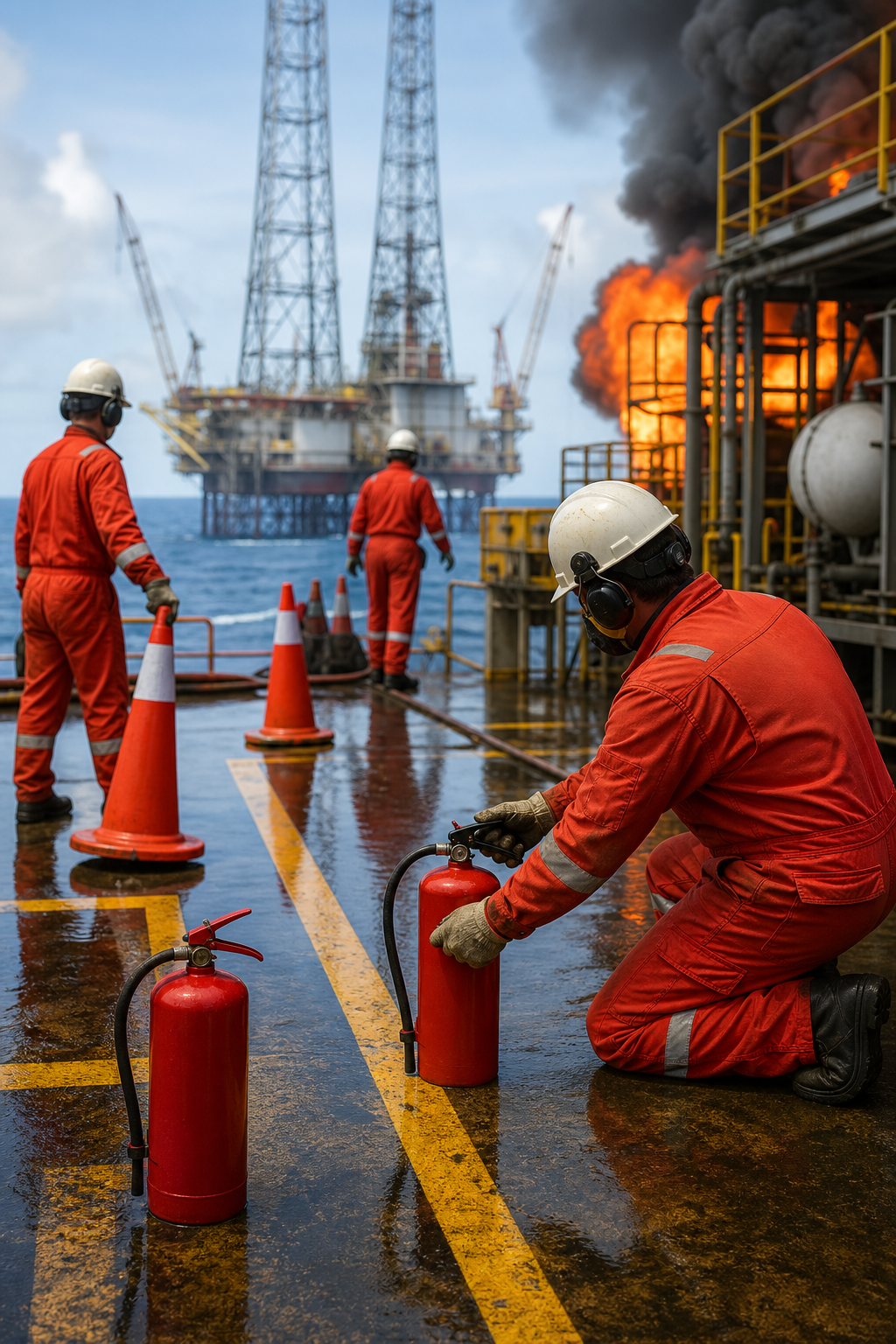
An offshore accident can turn a routine shift into a life‑changing emergency in seconds. Acting fast and following a clear plan keeps you safe, protects evidence, and preserves your legal rights. Below are the five steps you need to take right after an offshore incident.
Step 1: Secure the Scene and Ensure Safety
First, stop all work that could worsen the danger. Shut down power, isolate fuel lines, and clear the area of non‑essential personnel. The goal is to prevent fires, leaks, or further injury while you wait for emergency responders.
Next, conduct a quick headcount. Verify that everyone who was on the rig or vessel is accounted for, and identify anyone who needs immediate medical attention. If a crew member is injured, administer basic first aid and call the on‑board medic or nearest medical facility.
After the scene is contained, set up a perimeter using barriers or tape. Clearly mark hazardous zones and post signs that warn of electrical, chemical, or structural risks. This not only protects workers but also preserves the physical evidence needed for later investigations.
Finally, document the immediate actions you took. Write a brief log noting the time, what you saw, who you contacted, and any equipment you shut down. A clear, time‑stamped record can be important when regulators or insurers review the incident later.
By now you should have a secured zone, a headcount, and a written snapshot of the first actions taken.
Step 2: Notify Authorities and Document the Incident
Regulations require you to alert the proper agencies within minutes of a serious offshore incident. The U.S. Bureau of Safety and Environmental Enforcement (BSEE) must be notified for events like fatalities, injuries needing evacuation, fires, explosions, or major equipment loss under 30 CFR 250.188.
Contact your company’s safety officer first, then call BSEE’s 24‑hour hotline. Provide a concise summary: what happened, where, who is involved, and any immediate hazards. If the Coast Guard is also on scene, coordinate with them to avoid duplicate reports.
Make a formal written report as soon as possible. Include details such as the incident’s exact location (platform name, coordinates), weather conditions, equipment involved, and any witnesses. Attach photographs, video clips, and sensor data if available.
Keep copies of every communication, emails, phone logs, and radio transcripts. BSEE will later use these records to determine whether a full‑scale investigation panel is needed.
According to the BSEE incident investigations overview, prompt notification helps the agency allocate the right resources and can speed up the eventual report that explains cause and recommendations.
By now you should have notified the authorities, started a formal written log, and saved all communications.
Step 3: Preserve Evidence and Collect Data
Evidence can disappear fast in an offshore environment. Once the scene is safe, begin a systematic sweep to photograph all damage, equipment settings, and environmental conditions.
Take high‑resolution photos from multiple angles, and video recordings that capture the sequence of events. Preserve any physical samples, oil, water, or debris, that could show contamination or material failure.Ask witnesses to write statements while the incident is fresh in their minds. Their accounts are valuable for reconstructing what went wrong and for any later legal or insurance review.
Gather technical data from the rig’s control systems: pressure logs, temperature readings, alarm histories, and maintenance records. This digital trail often reveals the exact moment a valve failed or a safety system was overridden.
The BSEE incident statistics database shows that thorough data collection reduces the time to identify root causes by nearly 30 %.
After collecting everything, store the evidence in a secure, tamper‑proof location. Use sealed digital storage for logs and a locked container for physical samples. Label each item with the date, time, and collector’s name.
By now you should have a complete, organized evidence set ready for investigators.
Step 4: Assess Legal Implications and Liability
Understanding the legal landscape early can save you months of uncertainty. Offshore injuries fall under the Jones Act, the Longshore and Harbor Workers’ Compensation Act (LHWCA), and general maritime law. Each has different filing deadlines and benefit structures.
First, determine whether the injured worker qualifies as a “seaman” under the Jones Act. If they spend at least 30 % of their time on a vessel in navigation, they can sue their employer for negligence.
If the worker does not meet that threshold, the LHWCA may apply, offering workers’‑comp‑style benefits but typically limiting damages.
Next, evaluate “unseaworthiness.” A vessel is unseaworthy if it lacks the equipment, crew, or condition needed for safe operation. Proving unseaworthiness can broaden compensation beyond negligence claims.
Review the employer’s safety policies, training records, and equipment maintenance logs. Gaps in these documents often indicate negligence, which strengthens a claim.
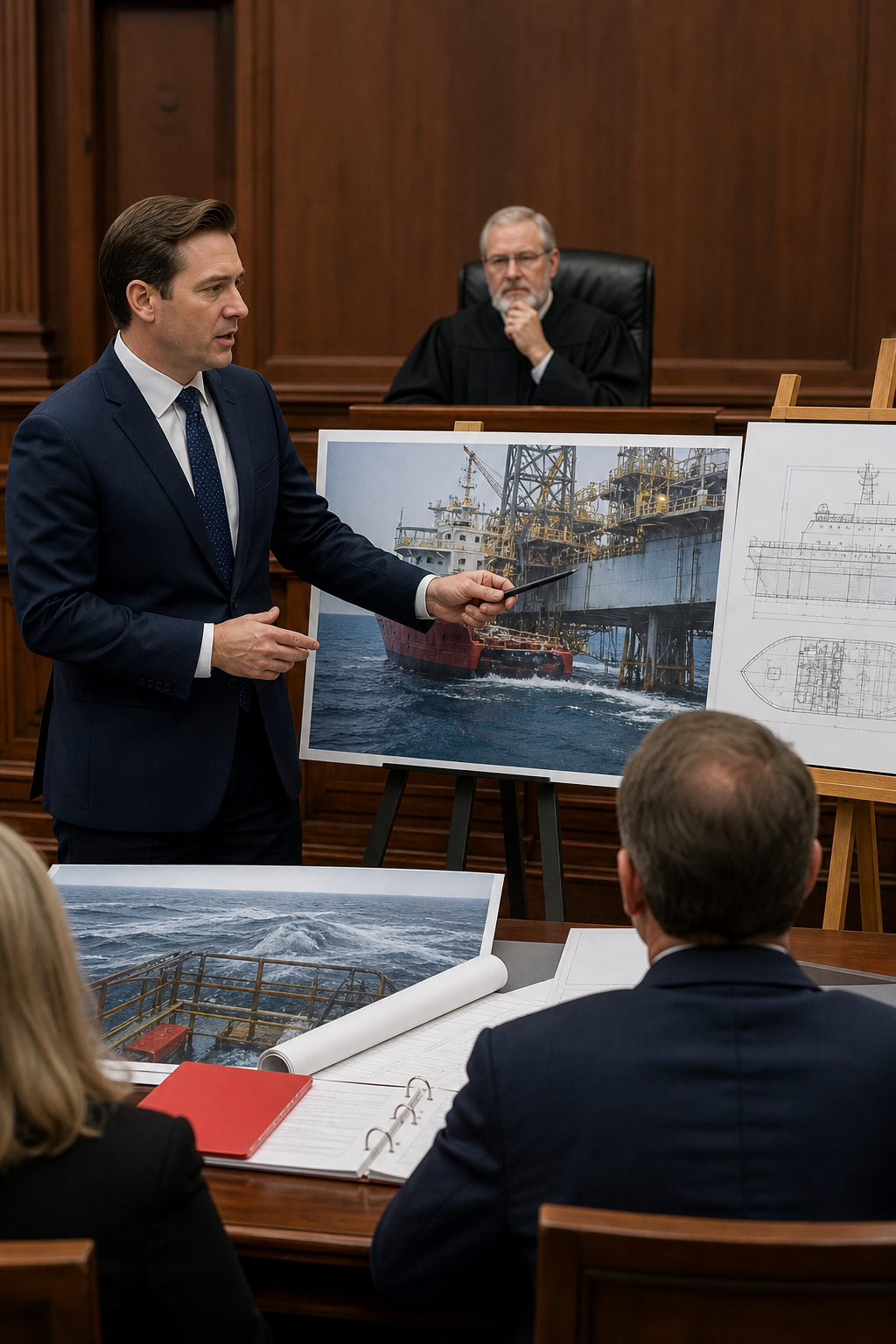
According to For The People’s offshore injury overview, timely filing is critical, three years for a Jones Act claim and one year for an LHWCA claim. Missing the deadline can bar recovery entirely.
By now you should have a clear view of which statutes apply, the relevant deadlines, and the initial strength of any potential claim.
Step 5: Seek Professional Legal Assistance
Even if you understand the basics, handling maritime law without a specialist is risky. An experienced offshore accident attorney can preserve your “maintenance and cure” benefits, protect your right to sue, and negotiate with insurers who often try to lowball settlements.
Start by gathering all the evidence you saved in the previous steps. A lawyer will review medical records, maintenance logs, and witness statements to build a strong case.
When you contact a law firm, ask about their experience with Jones Act and LHWCA cases, their success rate, and whether they work on a contingency basis (no fee unless you win). Most reputable firms, like those highlighted in the Best Offshore Accident Lawyer Resources Guide 2026, offer a free initial consultation.
During the first meeting, the attorney will outline the next steps: filing a claim, requesting “maintenance and cure,” and possibly issuing a demand letter to the employer’s insurer.
Don’t sign any settlement offers or waivers before your lawyer reviews them. Those documents can limit your compensation or waive future rights.
By now you should have engaged a qualified maritime lawyer who will steer the claim through the complex legal process.
FAQ
What should I do first after an offshore accident?
Secure the scene, stop any ongoing hazards, and perform a quick headcount to make sure everyone is safe. Then call emergency services and begin documenting what happened.
Do I have to report the incident to BSEE?
Yes, BSEE requires immediate notification for serious injuries, fires, explosions, or equipment loss over $25,000 under 30 CFR 250.188.
How long do I have to file a claim under the Jones Act?
You have three years from the date of injury to file a lawsuit. Acting sooner helps preserve evidence and strengthens your case.
Can I claim “maintenance and cure” even if the accident wasn’t my fault?
Absolutely. Maintenance and cure is a no‑fault benefit that covers living expenses and medical care until you reach maximum medical improvement.
What evidence is most important for an offshore accident claim?
Photos, video, equipment logs, witness statements, and any medical records are important. The more detailed and time‑stamped your evidence, the easier it is to prove negligence or unseaworthiness.
Take the first step now: secure the scene, call for help, and start your written log. Then reach out to a qualified offshore accident attorney to protect your rights and compensation.
Ready to put this into practice? maritimeattorney.ai was built for exactly this.